At 17:37 local time on 17 July 2026, Iranian forces launched a heavy airstrike against US‑backed Kurdish opposition groups in Sulaymaniyah, Iraqi Kurdistan. The strike, reported by the Telegram channel intelslava, marked the most lethal kinetic event in Iraq for the day, underscoring Tehran’s willingness to employ direct aerial force against entities it deems hostile. While the precise weapon systems were not disclosed, the operation resulted in significant material damage to opposition facilities and heightened the risk of broader escalation between Iran and the United States, which maintains a strategic partnership with the Kurdish groups.
Missile Strike on Komala Headquarters in Zirgwez
Earlier that morning, at 08:32, a coordinated missile barrage struck the Komala Party of Iranian Kurdistan headquarters in Zirgwez, Sulaymaniyah Governorate. According to CIG_telegram, six missiles hit the compound, killing at least eight Komala members and wounding several others. The attack was accompanied by the U.S.-led coalition’s interception of eight explosive‑laden drones over Erbil, demonstrating simultaneous kinetic actions by both Iranian and coalition forces. The missiles and drones were identified as Iranian‑supplied munitions, though specific models were not released. The incident was captured on video and disseminated by the source channel, confirming the high casualty count and ongoing fires at the site.
"At least eight members of the Kurdish‑Iranian opposition group Komala Party of Iranian Kurdistan were killed and several others wounded after six missiles struck the group’s headquarters," – CIG_telegram, 17 July 2026.
IRGC Drone and Missile Assault on Komala Camp
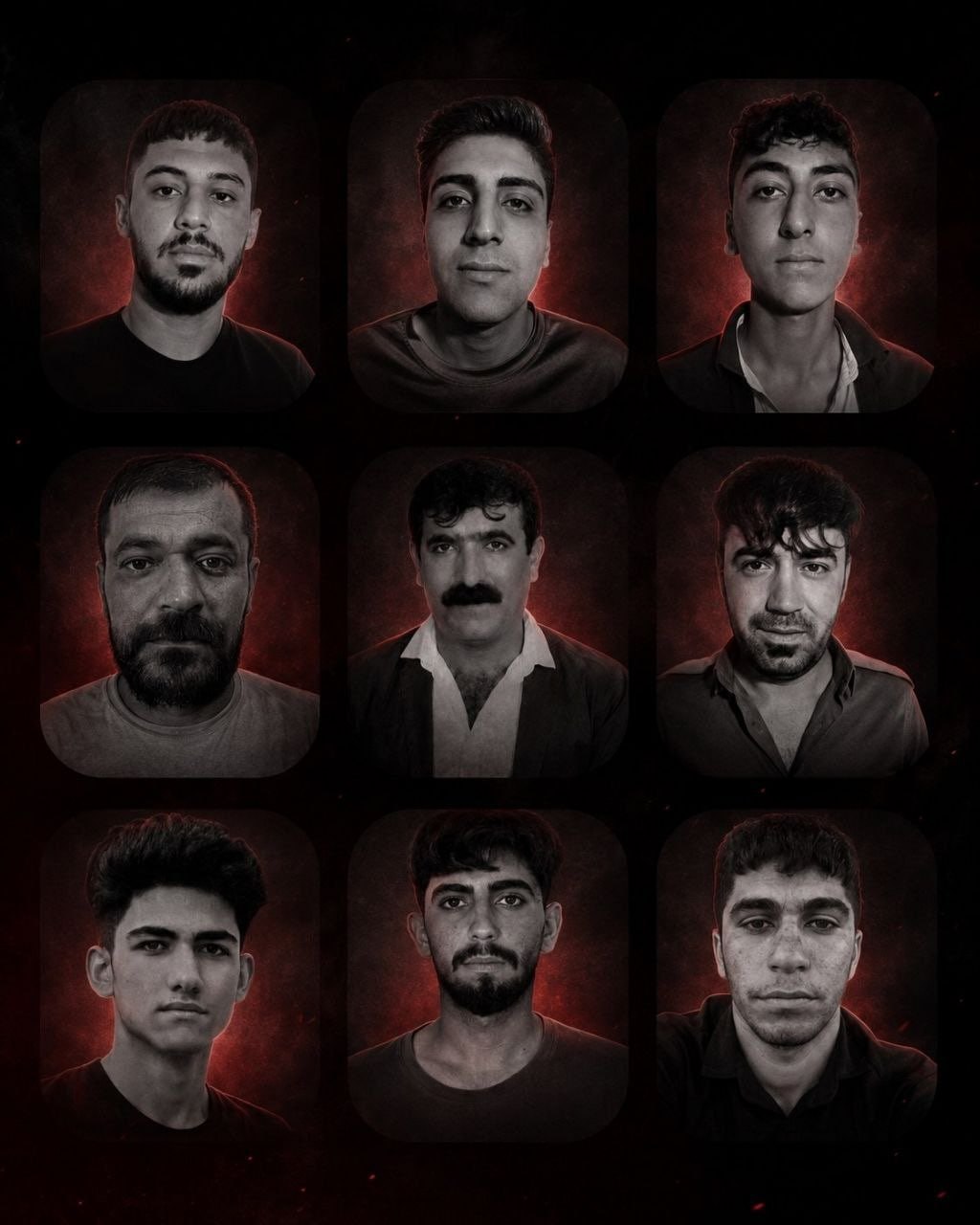
At 14:47, the Islamic Revolutionary Guard Corps (IRGC) deployed a drone and missile strike against a Komala Party camp in Sulaymaniyah province. BellumActaNews reported nine fighters killed, including senior operatives such as Farhad Ghamari and Soroush Nasri. The weapons used were a combination of unmanned aerial vehicles (UAVs) and precision missiles, reflecting IRGC’s expanding UAV capabilities. Photographic evidence released by the channel identified the deceased and confirmed the strike’s lethality.
"Around 9x fighters of the Iranian‑Kurdish opposition party Komala Party of Iranian Kurdistan were killed in an IRGC drone and missile strike," – BellumActaNews, 17 July 2026.
Jet‑Powered Drone Raid in Zargwez Mountains
Just minutes earlier, at 14:40, IRGC forces launched five jet‑powered drones against a Kurdish opposition camp in the Zargwez Mountains east of Sulaymaniyah. The attack resulted in six Komala fighters killed and additional injuries. The use of jet‑powered UAVs, a relatively new asset in the region, indicates a shift toward higher‑speed, higher‑altitude strike platforms. Video footage posted by BellumActaNews captured the drones’ approach and the subsequent explosion, confirming the precision nature of the operation.
Iranian Ground Forces Arrival in Sulaymaniyah
At 17:54, Iranian military units entered Sulaymaniyah, as documented by rnintel. The footage shows convoys of armored vehicles moving through the city’s outskirts, suggesting a possible reinforcement or logistical support mission following the earlier air and drone attacks. No direct combat was reported in conjunction with the arrival, but the presence of Iranian ground forces adds a new dimension to the kinetic environment in the Kurdistan Region.
IRGC Smuggling Interdiction at Syria‑Iraq Border
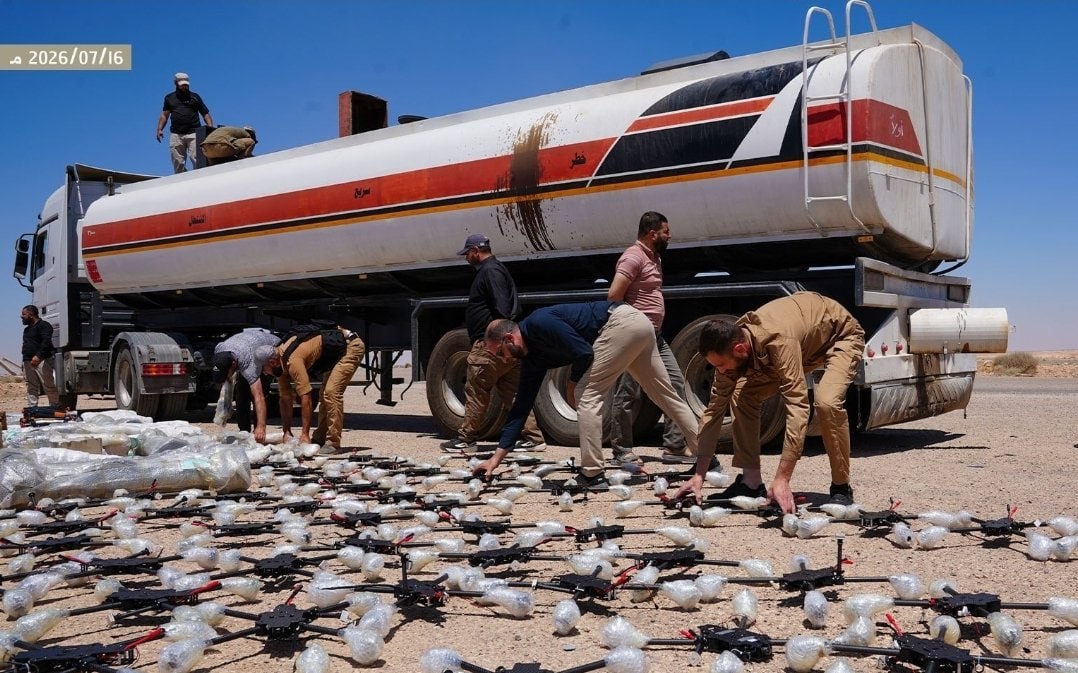
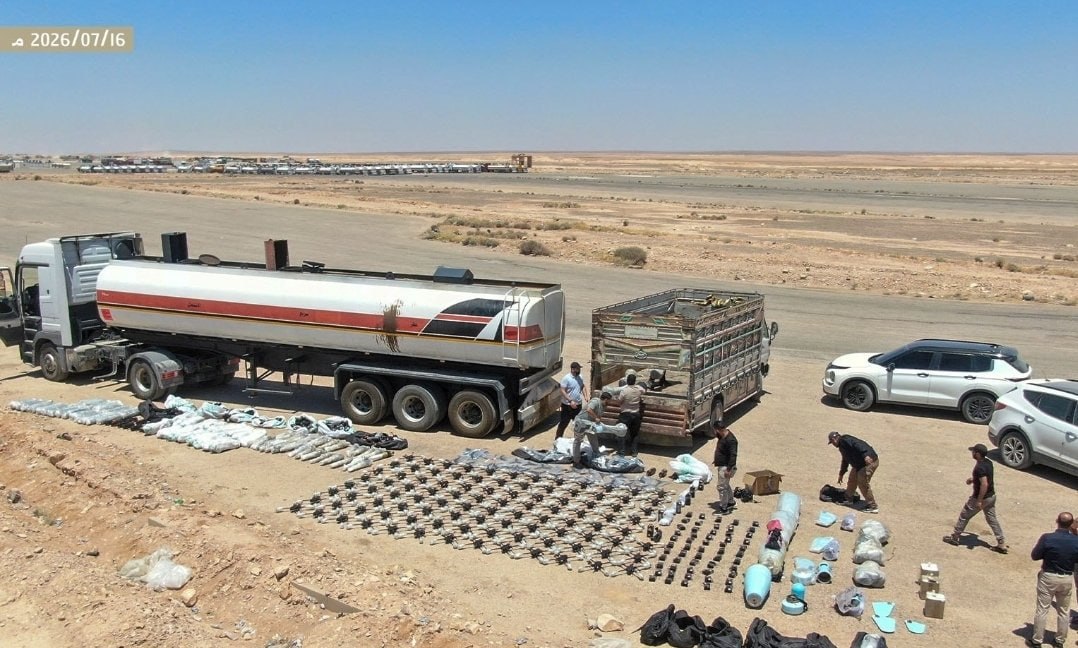
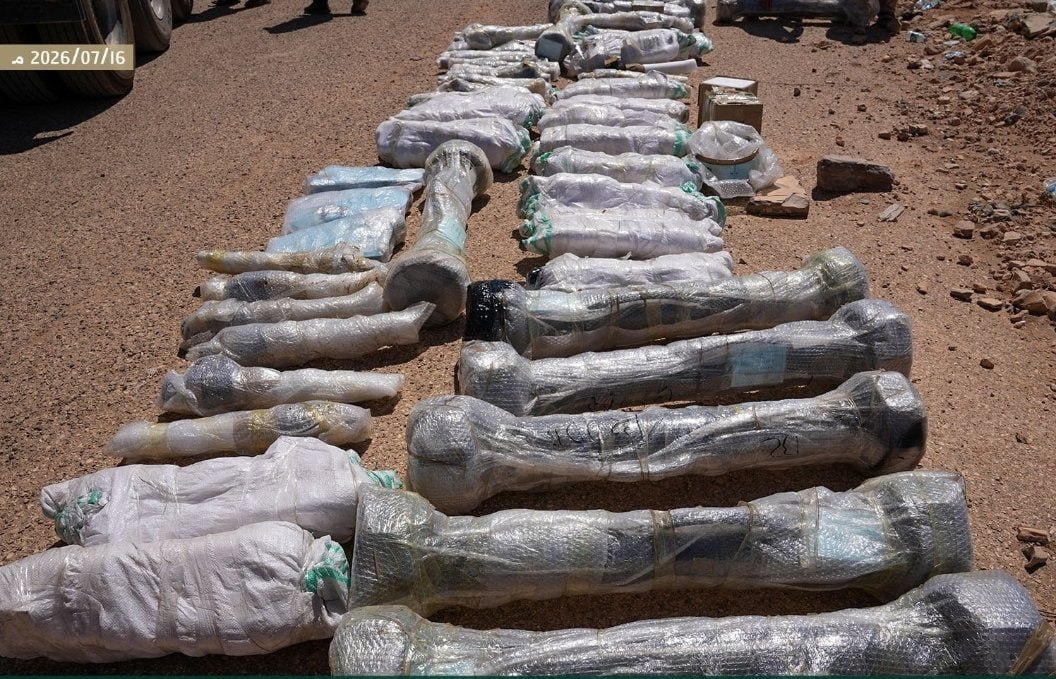
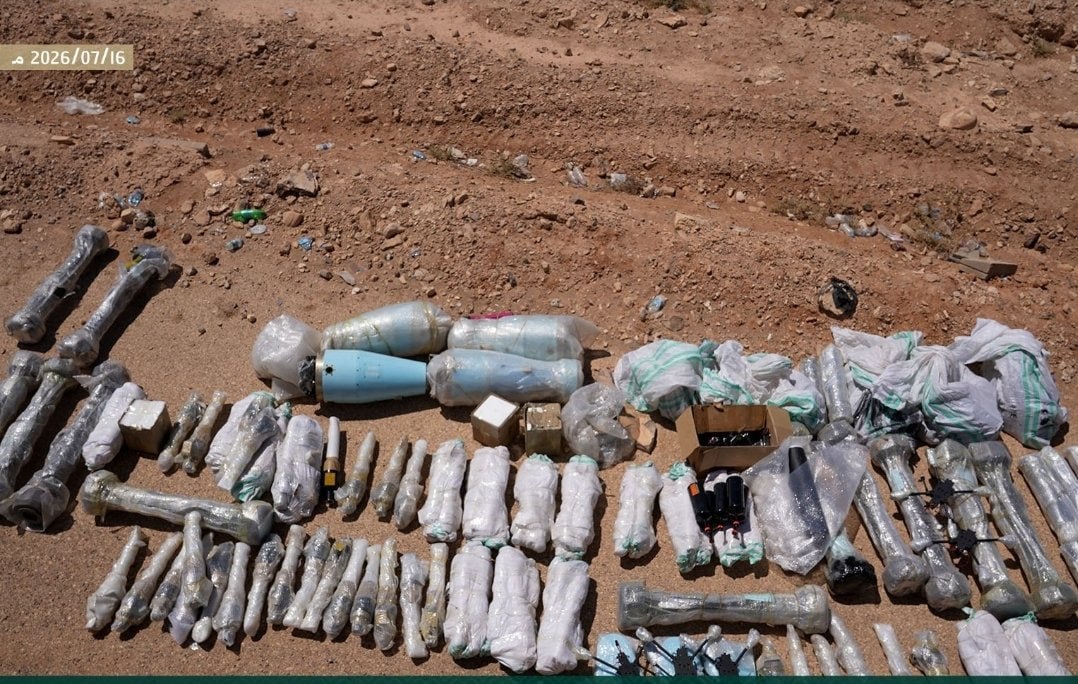
Separately, on 17 July, Syrian authorities announced the seizure of an IRGC smuggling operation at the Iraq border. CIG_telegram detailed that hundreds of drones, weapons, and rockets were confiscated from an oil tanker destined for a Syrian port, with links to Hezbollah’s operations against Israel. While not a kinetic event within Iraq’s borders, the interdiction highlights the broader supply chain supporting Iranian proxy activities across the region.
Collectively, these events illustrate a coordinated Iranian campaign targeting Kurdish opposition groups in Iraqi Kurdistan, employing a spectrum of kinetic tools—from high‑altitude airstrikes to low‑observable UAVs and ground force deployments. The simultaneous response by the U.S.-led coalition, including drone interceptions over Erbil, underscores the contested nature of Iraq’s airspace and the potential for rapid escalation.