On 16 July 2026, United States air operations targeted sites in Ahvaz, Khuzestan Province, and Tehran that were located within meters of civilian medical facilities. The Ahvaz strike at 11:23 GMT forced the evacuation of more than 200 patients, including individuals undergoing chemotherapy and emergency surgery, according to the CIG_telegram channel (source). A separate bombing near a Tehran cancer hospital at 10:32 GMT prompted the evacuation of hundreds of additional patients, as reported by monitor_the_situation (source). These incidents represent the most severe kinetic events recorded in Iran on the day, highlighting a rapid escalation of cross‑border hostilities.
US Airstrikes Near Ahvaz Hospital
The CIG_telegram feed described the Ahvaz operation as a “new war crime” against the Iranian people. While the exact weapon system was not disclosed, the strike occurred in close proximity to a civilian hospital, compelling medical staff to relocate over 200 in‑patients to alternative facilities under emergency conditions. No immediate casualty figures were released, but the forced displacement of critical care patients underscores the humanitarian impact of precision strikes conducted in densely populated urban zones.
"The evacuation of more than 200 patients, many of whom required immediate surgery or chemotherapy, demonstrates the indiscriminate nature of the attack," CIG_telegram noted.
Tehran Cancer Hospital Evacuation
At 10:32 GMT, a bomb‑type munition struck near Tehran’s primary cancer treatment center. Monitor_the_situation posted video evidence of the blast and the ensuing panic, confirming that “hundreds of patients” were moved to safety (source). The strike employed conventional bombs, and the rapid evacuation suggests that Iranian emergency protocols were activated within minutes of impact.
"Patients fled the area en masse after the explosion, highlighting the vulnerability of civilian infrastructure in conflict zones," the channel reported.
Southern Iran Missile Campaign
Within the same afternoon, the United States launched a series of missile attacks across the southern coast of Iran. According to rnintel, missiles struck Behbahan, Bandar Abbas, and Qeshm Island between 15:57 and 16:11 GMT (source). The weapons were identified as missiles, though the specific type was not disclosed. No casualty numbers were provided, but the coordinated nature of the strikes indicates a broader operational pattern aimed at strategic ports and energy infrastructure.
Bandar Abbas Explosions and Drone Activity
Two separate incidents were reported in Bandar Abbas, Hormozgan Province. GeoPWatch logged an unexplained explosion at 16:04 GMT (source), while intelslava confirmed that U.S. missiles struck locations near the city at 18:20 and 18:40 local time (source). The latter report cited the Hormozgan Province governorate as the confirming authority, adding official weight to the claim.
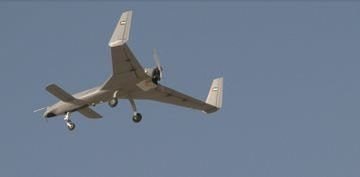
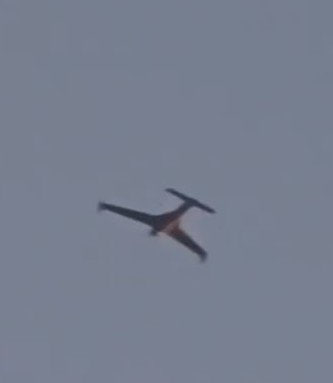
In addition, CIG_telegram released footage of Yabhon‑manufactured kamikaze drones striking the Port of Bandar Abbas. The drones, described as UAE‑made Yabhon R/H ISR platforms modified for one‑way attack missions, were observed in three photographs (source). BellumActaNews later documented the interception of a similar Yabhon loitering drone by Iranian air‑defense forces over the same port, providing video evidence of the shoot‑down (source).
"It appears that UAE joined the American strikes against the Islamic Republic of Iran," BellumActaNews wrote, highlighting the expanding coalition of actors involved.
Qeshm Island Projectiles
Intelslava reported that American projectiles impacted areas near Qeshm Island at 18:10 local time, corroborated by Mehr News Agency (source). The timing aligns with the broader missile wave targeting southern coastal sites, suggesting a synchronized strike package designed to pressure Iran’s maritime logistics.
Operational Assessment
The sequence of events on 16 July demonstrates a multi‑theater approach by United States forces, combining air‑delivered munitions with missile strikes and leveraging allied UAV capabilities. The proximity of attacks to civilian hospitals in Ahvaz and Tehran raises significant concerns under international humanitarian law, particularly regarding the principle of distinction and proportionality. Simultaneously, the involvement of UAE‑produced loitering drones indicates a potential escalation of regional participation, complicating attribution and response strategies.
Iranian air‑defense units successfully intercepted at least one Yabhon drone, showcasing limited but effective counter‑UAV capabilities. However, the broader pattern of missile and projectile impacts across Behbahan, Bandar Abbas, and Qeshm Island suggests that Iran’s integrated air‑defense network faced saturation challenges during the coordinated barrage.