On 16 July 2026, Ukraine faced a series of high‑intensity kinetic events that spanned its capital, eastern industrial zones, and maritime approaches. The day began with a critical missile strike on Kyiv that resulted in civilian casualties, followed by coordinated attacks on key infrastructure in Kramatorsk and Zaporizhzhia, and a surge in drone‑related engagements across the front lines.
Capital under attack
At 06:36 UTC, Russian‑launched missiles struck multiple districts of Kyiv, killing two civilians and wounding six, including a 16‑year‑old teenager. The mayor, Vitali Klitschko, confirmed the toll in a Telegram post, stating:
"Two people have died and six others, including a 16‑year‑old, have been injured in the attacks."The weapons used were conventional ballistic missiles, and the incident was reported by JPost (source). No military targets were identified, underscoring the continued risk to civilian populations in the capital.
Infrastructure strikes in the east
In the Donetsk region, Russian forces launched a multi‑vector assault on Kramatorsk at 07:15 UTC. According to monitor_the_situation, at least eight KAB‑250 glide bombs, Smerch multiple‑launch rocket system (MLRS) rockets, and a mix of Molniya‑2 and first‑person‑view (FPV) drones were deployed. The barrage caused extensive damage to residential blocks, industrial facilities, and critical utilities, though casualty figures have not yet been released.
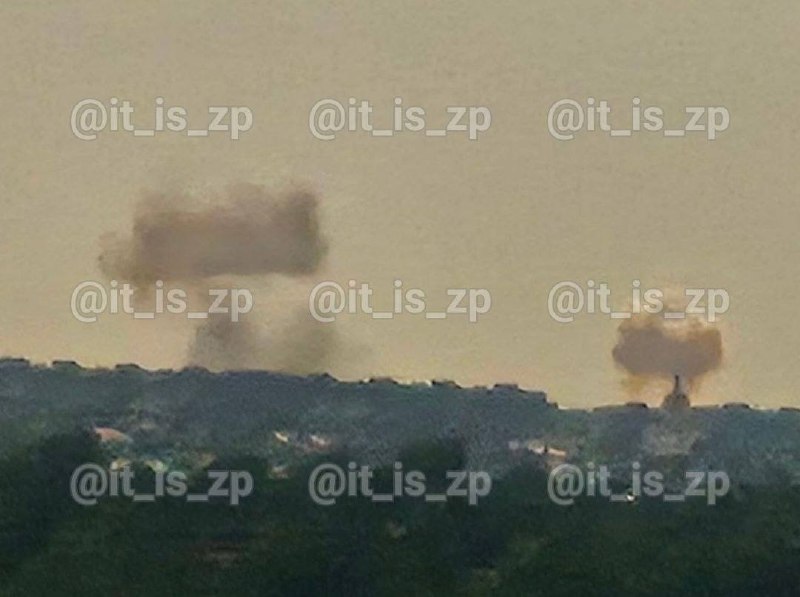
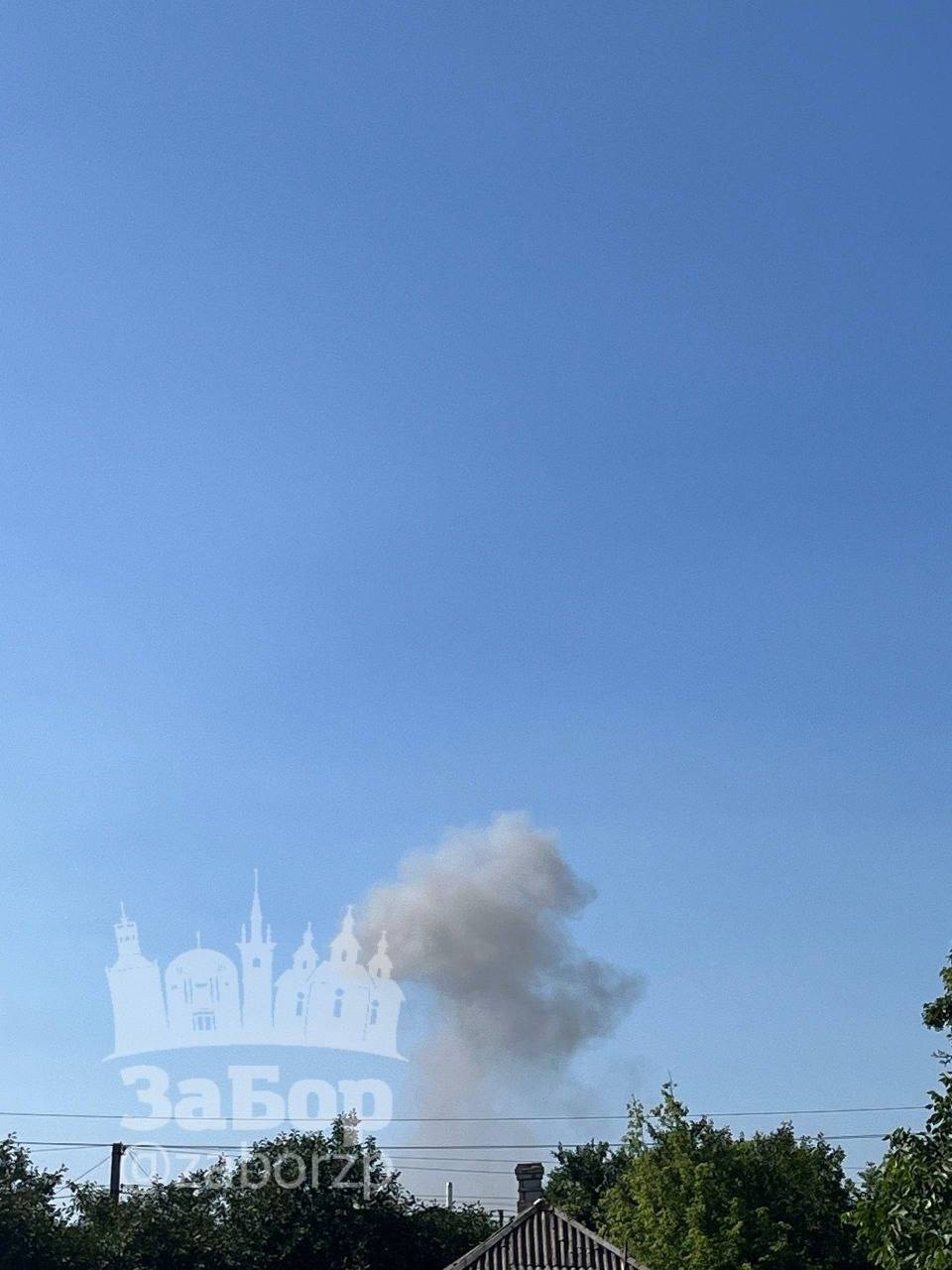
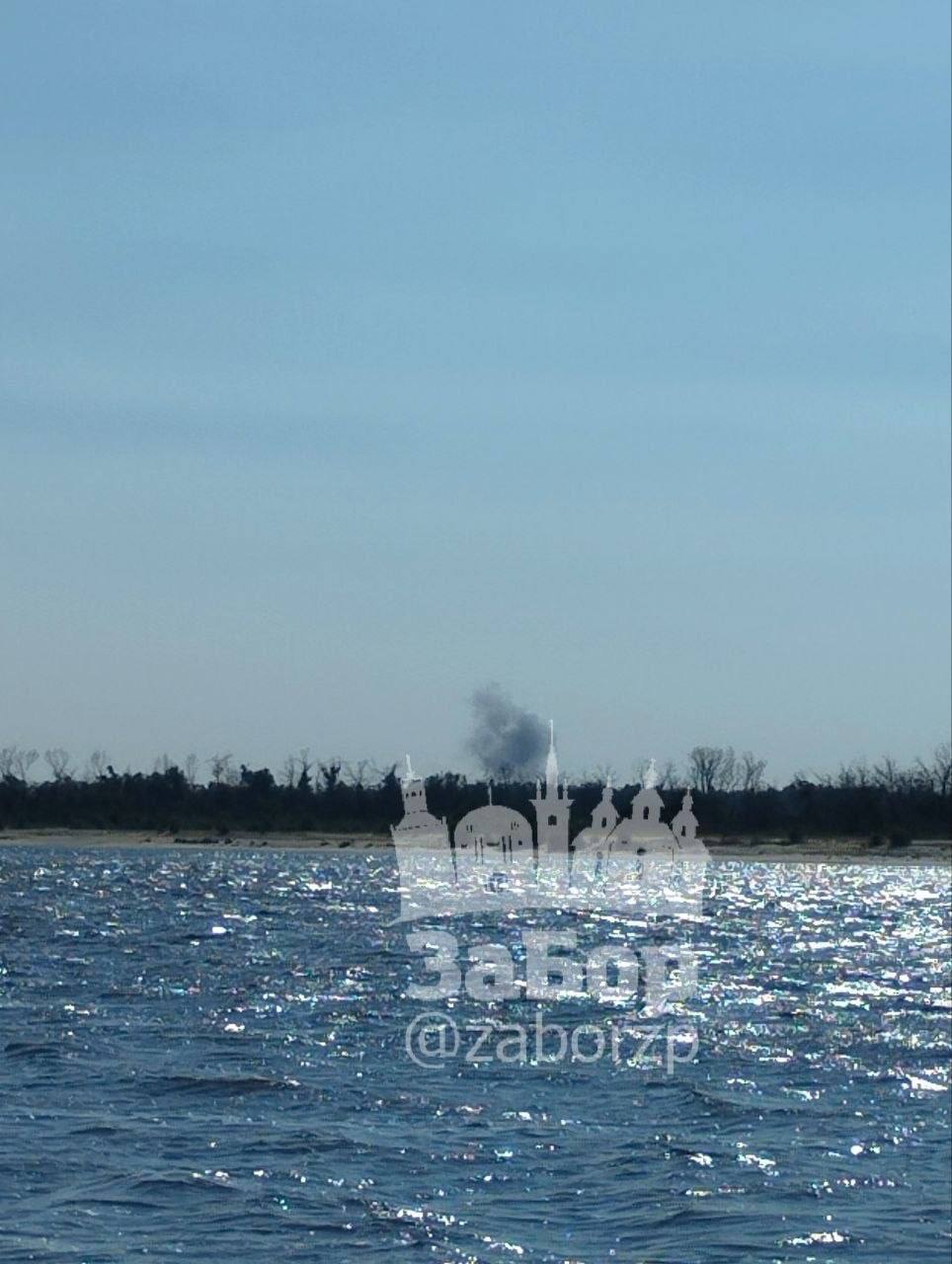
Later, at 14:04 UTC, Russian forces employed a UMPK‑guided glide bomb against critical infrastructure in Zaporizhzhia, as reported by intelslava. The strike targeted power substations and water treatment facilities, temporarily disrupting services for tens of thousands of residents. No immediate civilian deaths were confirmed, but the attack illustrates a pattern of targeting essential services to erode civilian resilience.
Aerial warfare and drone activity
Drone operations intensified across the theater. Ukrainian air defenses successfully intercepted a Russian Supercam S350 reconnaissance drone near Ternova in Kharkiv Oblast at 16:22 UTC (monitor_the_situation), preventing potential intelligence gathering over the front line.
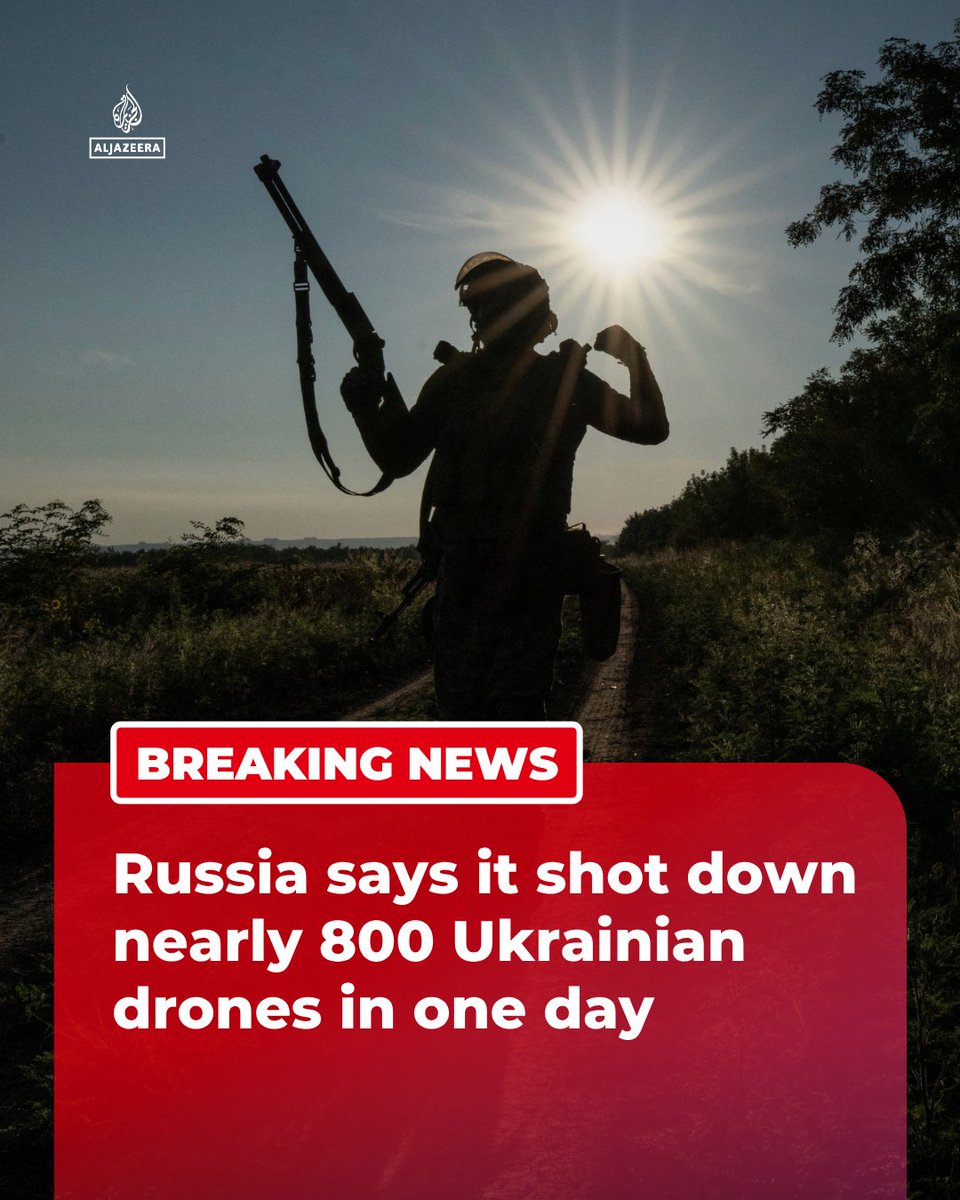
Conversely, Russian claims of downing approximately 800 Ukrainian drones in a single day near Kyiv were published by the Russian Ministry of Defense at 10:33 UTC (monitor_the_situation). While the figure is unverified, it reflects the high tempo of unmanned aerial activity.
Ukrainian unmanned systems forces conducted a notable operation against the Russian “shadow fleet” on 16 July, striking 11 vessels in the Black Sea and Sea of Azov, including five oil tankers, one gas tanker, three cargo ships, and two tugboats (monitor_the_situation). The operation, dubbed “MoLoChKa,” demonstrates Ukraine’s expanding maritime drone capabilities.
Additional drone engagements included:
- A Geran drone igniting fuel storage tanks in the Vizinka area of Odessa Oblast (intelslava).
- Ukrainian attack drones hitting a Russian Su‑24 bomber at Saki airbase in Crimea (monitor_the_situation).
- A 427th Rarog Brigade FPV drone downing a Russian Mi‑28 attack helicopter in Belgorod, Russia (monitor_the_situation).
Naval and maritime operations
Ukraine’s naval campaign in the Sea of Azov continued with FP‑1 and FP‑2 missile strikes that hit ten tankers and four ferries overnight (monitor_the_situation). Simultaneously, Ukrainian drones attacked the commercial tankers Louise 1 and Banda in the Black Sea (intelslava), highlighting a coordinated effort to disrupt Russian logistics on multiple waterways.
Ground and facility attacks
In Kherson, Russian forces set fire to the Kherson State Maritime Academy building at 16:56 UTC, an act described by the academy’s vice‑rector as reminiscent of World War II destruction (monitor_the_situation). The arson resulted in significant structural damage but no reported casualties.
These incidents, combined with the earlier missile strike on Kyiv, illustrate a multi‑domain approach by Russian forces aimed at civilian centers, critical infrastructure, and military assets, while Ukrainian forces respond with increasingly sophisticated drone and missile tactics.
Analysis
The pattern of attacks on 16 July indicates a deliberate escalation in kinetic operations across Ukraine’s territory. The use of precision‑guided glide bombs in Zaporizhzhia and the deployment of large‑scale rocket salvos in Kramatorsk suggest a focus on degrading both civilian morale and logistical capacity. Simultaneously, Ukraine’s expanding drone fleet—capable of striking naval targets, air assets, and ground facilities—demonstrates a shift toward asymmetric, high‑impact strikes that can bypass traditional air defenses.
Casualty figures remain limited to the Kyiv missile attack, but the cumulative effect of infrastructure damage, disrupted utilities, and heightened civilian risk points to a worsening humanitarian situation. Continued monitoring of drone activity and missile deployments will be essential for assessing the trajectory of the conflict.