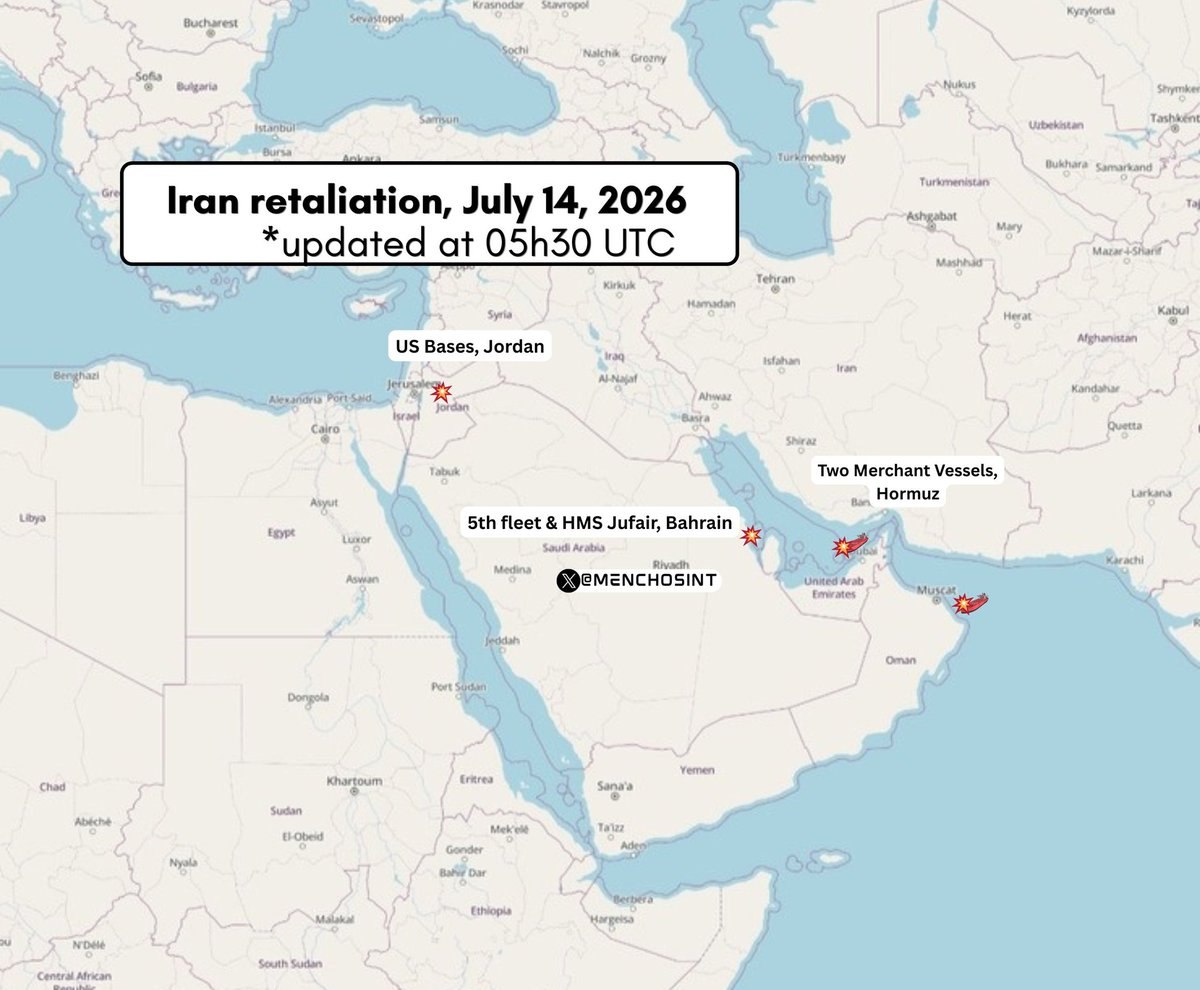
At 05:41 UTC on 14 July 2026, Iran launched a coordinated salvo of ballistic missiles and unmanned aerial systems (UAS) against United States installations in Manama, Bahrain, and an undisclosed airbase in Jordan. The strike, reported by monitor_the_situation, targeted HMS Jufair, the U.S. Fifth Fleet hub, and was described as a direct escalation of hostilities between Tehran and Washington.
"Iran launched ballistic missiles and drones targeting US facilities in Bahrain (HMS Jufair, 5th Fleet) and unspecified bases in Jordan, escalating the conflict,"the source noted. No immediate casualty figures were released, but the attack marked the first use of Iranian long‑range kinetic assets against U.S. forces in the region since the 2023 naval confrontations.
Iranian Rocket and Drone Operations in the Gulf
Following the Manama strike, the Islamic Revolutionary Guard Corps (IRGC) announced a second phase of Operation "Victory" that hit additional U.S. assets in Bahrain, including a satellite communications facility and a weapons depot, according to a CIG_telegram dispatch at 02:08 UTC. The same channel reported that the IRGC also fired ballistic missiles at Jordan’s Muwaffaq Al‑Salti Airbase, with explosions and interception attempts recorded by Jordanian air defenses. The weapons employed comprised short‑range ballistic missiles, anti‑ship cruise missiles, and a swarm of drones, reflecting a diversified kinetic approach.
U.S. Counter‑Air Campaign Over Southern Iran
In response, U.S. Central Command (CENTCOM) executed a five‑hour wave of precision airstrikes beginning at 02:21 UTC, targeting Iranian coastal defense, missile, and drone sites in Bushehr, Chabahar, Jask, Konarak, Abu Musa, and Bandar Abbas. The operation, documented by both monitor_the_situation and GeoPWatch, employed a mix of missiles, drones, and precision‑guided munitions. Video footage released by the sources showed multiple strike points and smoke plumes over the targeted installations. No U.S. casualties were reported; Iranian official statements confirmed damage to several radar and missile‑launch sites.
Additional Kinetic Activity Within Iran
Throughout the day, a series of high‑intensity kinetic events unfolded across Iranian territory. At 02:08 UTC, a ballistic missile launch was recorded from Tabriz, while at 02:08 UTC missile launchers and transport trucks were observed in the mountainous village of Cheharaziyeh, East Azerbaijan Province, as reported by CIG_telegram and GeoPWatch. Later, at 00:57 UTC, Iranian missiles again targeted the Muwaffaq Al‑Salti Airbase, prompting interception attempts by Jordanian air defenses.
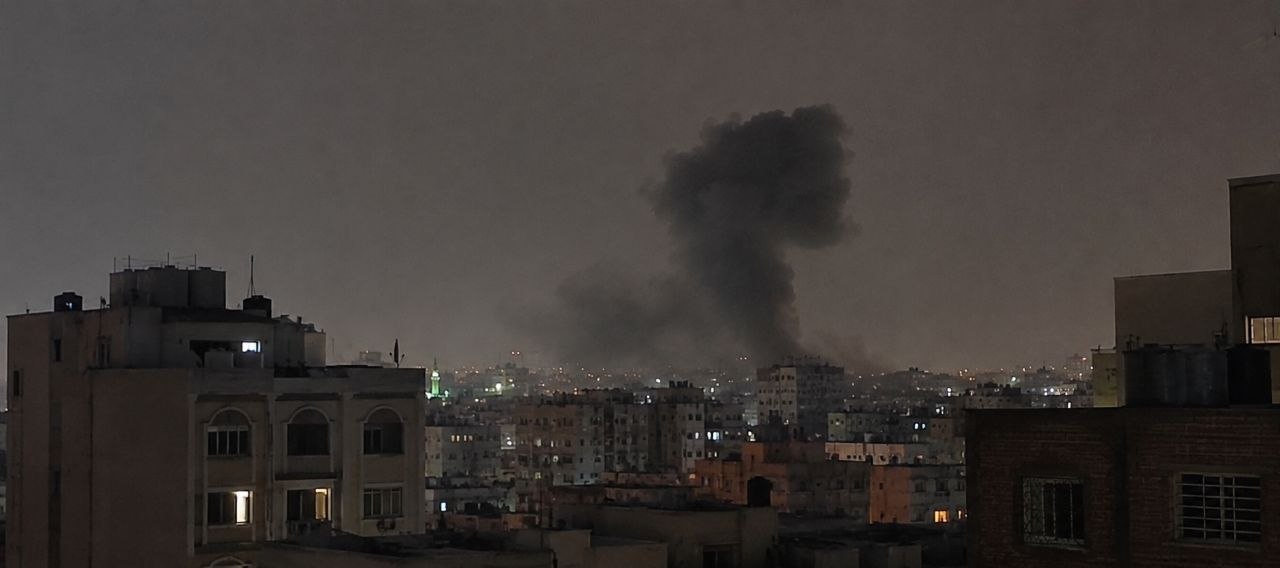
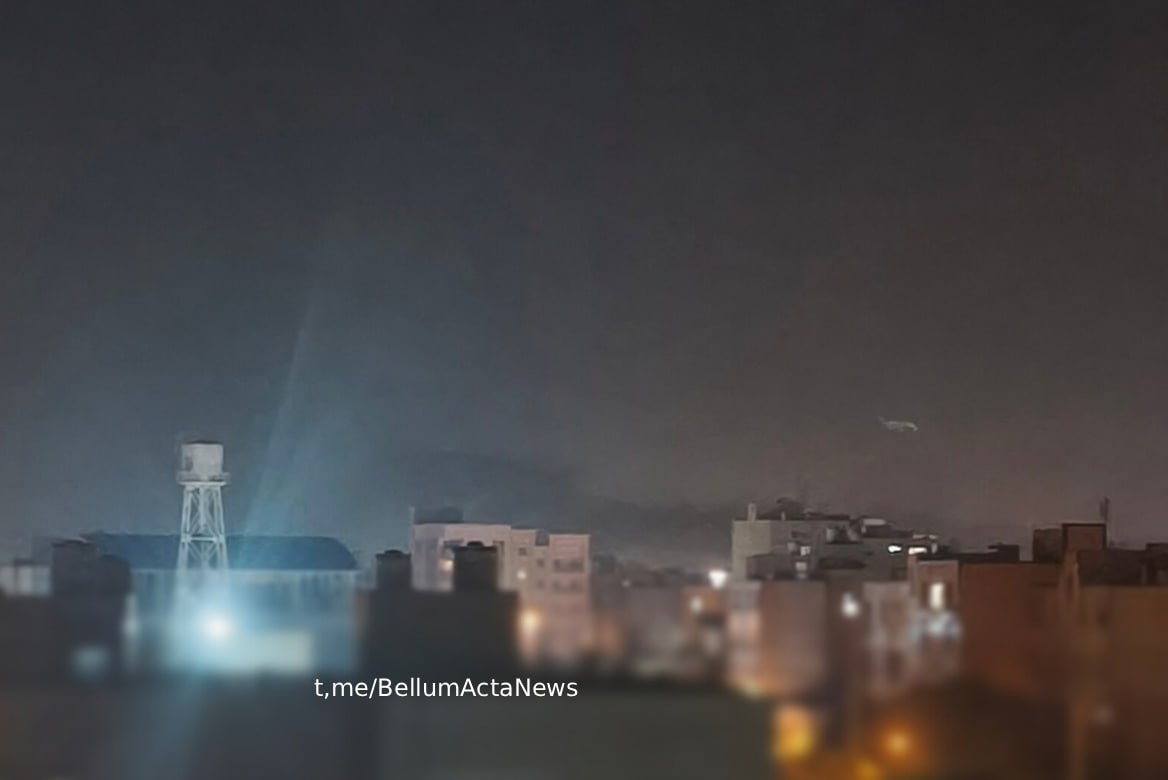
U.S. Air Force assets conducted heavy attacks in western Bushehr at 00:42 UTC, and three separate airstrikes struck Bushehr Airport at 00:04 UTC, producing visible black smoke. These strikes were corroborated by BellumActaNews, which also noted renewed attacks on the Bushehr airbase at 00:17 UTC. The cumulative effect of these operations was a sustained degradation of Iran’s air‑defense and missile‑launch infrastructure along its southern coast.
Regional Ripple Effects and Diplomatic Signals
Concurrently, President Donald Trump publicly threatened to attack the underground nuclear facility at Pickaxe Mountain in Iran, a claim disseminated by Al Jazeera at 05:15 UTC. While no kinetic action followed the threat on the same day, the statement heightened strategic tension and underscored the broader geopolitical stakes surrounding Iran’s kinetic capabilities.
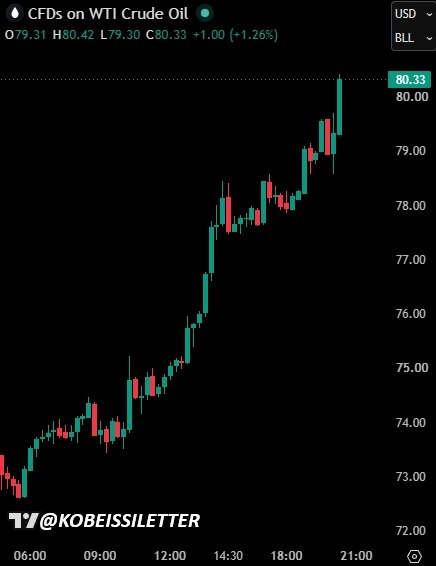
In the Strait of Hormuz, U.S. forces announced the conclusion of a separate round of airstrikes against Iranian targets at 02:26 UTC, as reported by monitor_the_situation. The same day, U.S. oil prices rose above $80 per barrel after President Trump reinstated a blockade of the strait, signaling a renewed economic dimension to the kinetic conflict.
UAV Activity and Interceptions
At 05:01 UTC, a prolonged UAV attack targeted Naval Support Activity Bahrain. Interceptions were reported in Malkiya and Amwaj, confirming the presence of Iranian unmanned systems operating from multiple vectors. The CIG_telegram feed described the UAVs as “long‑duration” and noted successful defensive actions by Bahraini and U.S. forces.
Analysis of Kinetic Patterns
The sequence of events on 14 July 2026 illustrates a multi‑layered kinetic strategy by Iran, combining long‑range ballistic missiles, cruise missiles, anti‑ship weapons, and UAV swarms to pressure U.S. and allied installations. The U.S. response leveraged precision airpower to neutralize Iranian missile‑launch sites and air‑defense nodes, aiming to restore operational freedom in the Gulf and protect commercial shipping lanes.
Both sides employed high‑tempo, short‑duration strikes, minimizing exposure to counter‑air fire while maximizing shock value. The absence of reported civilian casualties suggests that the engagements were largely confined to military installations, though the risk of escalation remains elevated given the proximity of forces and the involvement of nuclear‑related rhetoric.
Outlook
Continued monitoring of missile launch sites, UAV launch corridors, and naval movements in the Strait of Hormuz will be essential to assess the trajectory of the conflict. The interplay between kinetic actions and diplomatic signaling—exemplified by the Trump threat to Pickaxe Mountain—indicates that future engagements may blend conventional strikes with strategic posturing.