On July 6, a massive explosion ripped through an ammunition depot in Vyshneve, Kyiv Oblast, killing dozens of personnel and prompting the resignation of the head of Ukraine's state defence conglomerate Ukroboronprom. The incident, reported by the Telegram channel monitor_the_situation, underscores the heightened vulnerability of Ukraine's defence infrastructure amid a wave of Russian kinetic operations. The resignation, confirmed on July 14, reflects both the operational shock of the blast and the political pressure to ensure accountability within the defence sector.
"The loss of life and material at Vyshneve is a stark reminder that our logistical nodes remain prime targets," the departing executive said in a brief statement posted to the channel.
UAV Campaign Claims 34 Civilian Lives, Injures 153
In the preceding 24 hours, Russian unmanned aerial vehicles (UAVs) struck multiple civilian locations across the country, resulting in 34 fatalities and 153 injuries, according to the same monitoring source. The attacks were concentrated in the Chernihiv and Kharkiv regions, where low‑altitude drones dropped small munitions on residential districts and public infrastructure. No armed groups claimed responsibility, indicating direct Russian command of the sorties. The high casualty count marks the deadliest UAV‑related incident since the conflict’s escalation in 2022.
Cluster‑Warhead Tornado‑S Rocket Hits Ochakiv
At 08:50 UTC, a Russian Tornado‑S multiple‑launch rocket equipped with a cluster warhead struck the port city of Ochakiv in Mykolaiv Oblast. Launched from near Mykailivka in Kherson Oblast, the rocket dispersed sub‑munitions over a densely populated waterfront, damaging civilian housing and the local fishing fleet. While official casualty figures are still being compiled, initial reports indicate at least eight civilian injuries and significant material loss. The attack was documented by the X account @AMK_Mapping_, whose geolocation data corroborated the launch point and impact zone.
"Cluster munitions in civilian areas constitute a violation of international humanitarian law," the mapping analyst noted.
Missile Strikes Target Kyiv’s Defence‑Industrial Complex
Russia’s Defence Ministry confirmed overnight missile strikes on two critical Kyiv‑based facilities: the Radiometr state enterprise and the Kiev‑79 industrial plant (UKR ARMO TEKH LLC). Radiometr, a supplier of components for Neptune‑MD cruise missiles, FP‑7/‑9 tactical missiles and Hrom‑2 systems, suffered damage to its aviation navigation and microwave electronics lines. The Kiev‑79 plant, which produces armored vehicle parts, was also hit. The strikes employed precision‑guided missiles, though the exact type was not disclosed. No immediate casualty reports emerged, but the disruption to Ukraine’s missile‑production chain is likely to have strategic implications.
"Disabling these nodes hampers Ukraine’s ability to sustain its own missile programmes," a defence analyst cited in the Telegram post from intelslava.
Ukrainian FPV Drone Destroys Russian Armored Truck
At 16:34 UTC, a Ukrainian first‑person view (FPV) drone operated by the Unmanned Systems Regiment “Phoenix” engaged and destroyed a Russian KamAZ‑53949 Typhoon‑L armored truck near the village of Malynivka, Donetsk Oblast. The drone, equipped with a small payload of anti‑armor munitions, struck the vehicle’s engine compartment, rendering it inoperable and causing the crew to abandon the truck. No casualties were reported among the Russian personnel, but the loss of the vehicle represents a tactical setback for Russian ground forces in the sector.
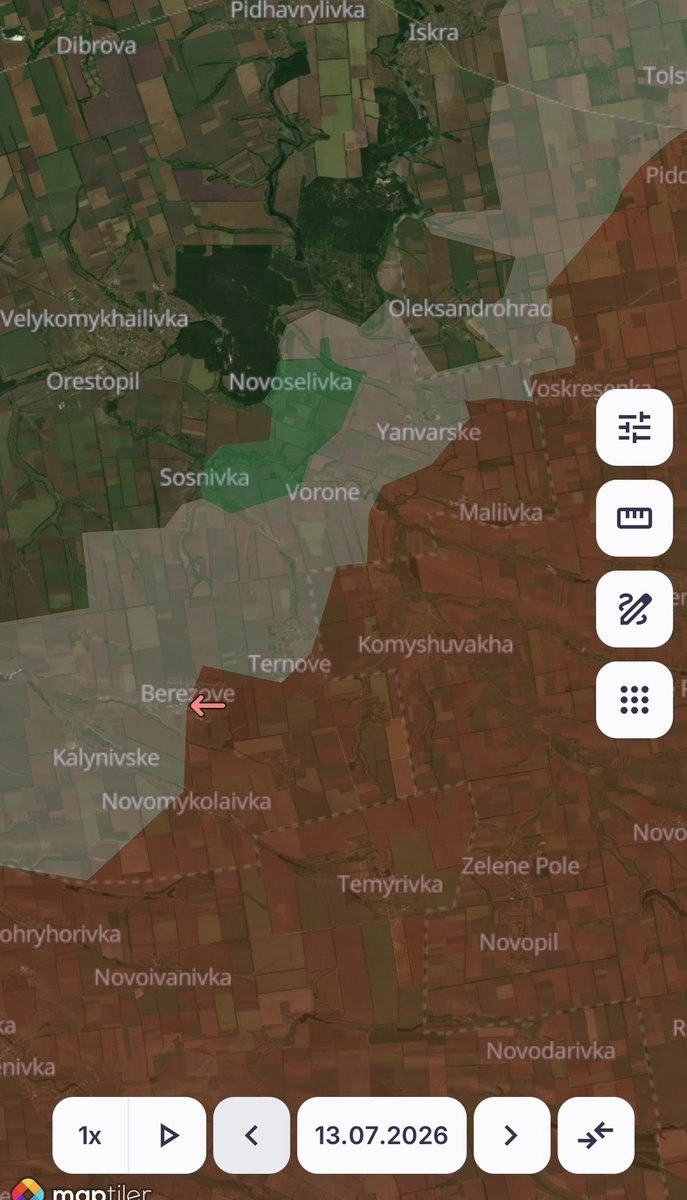
Ukrainian Forces Advance Near Ternove
Ground movement data released at 13:30 UTC indicated that Ukrainian units made incremental gains near the settlement of Ternove in Donetsk Oblast, pushing back entrenched Russian positions. The advance, captured in a DeepState map update, involved infantry and artillery coordination but did not involve heavy armour. Photographic evidence posted by monitor_the_situation shows Ukrainian soldiers establishing forward observation posts, suggesting a deliberate effort to consolidate gains ahead of the upcoming weekend.
Maritime Drone Attacks Escalate in the Black Sea
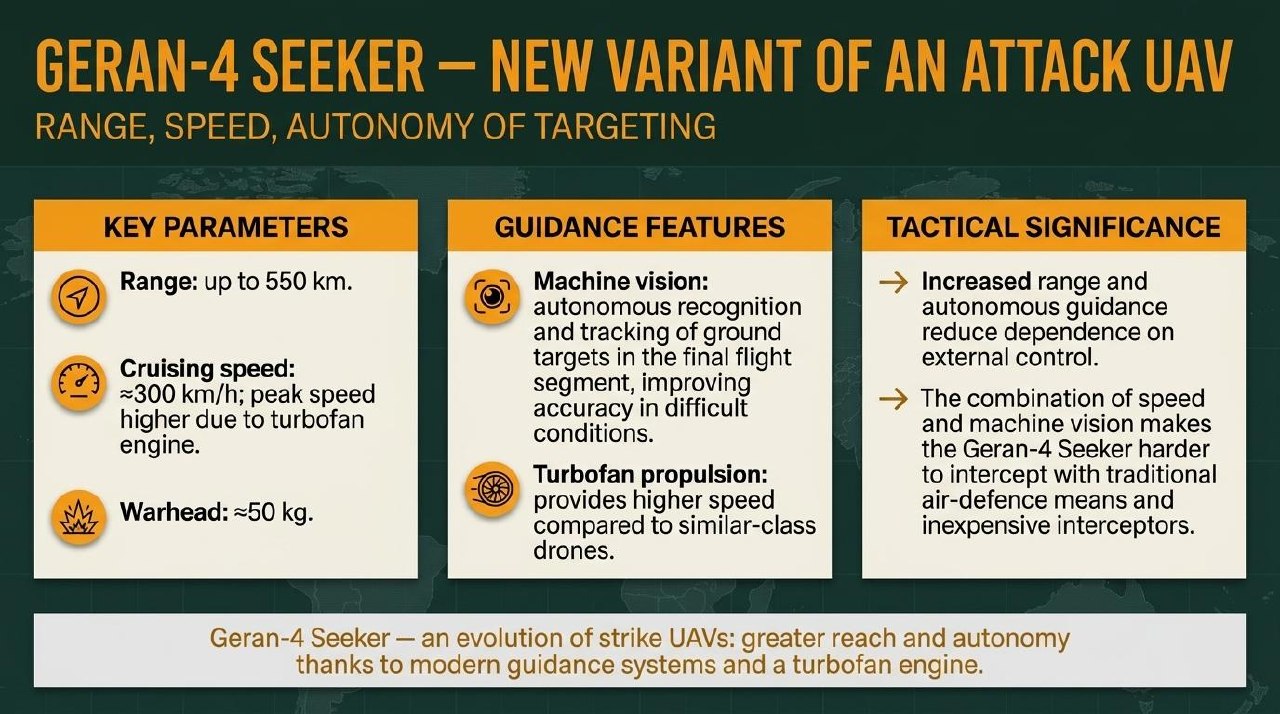
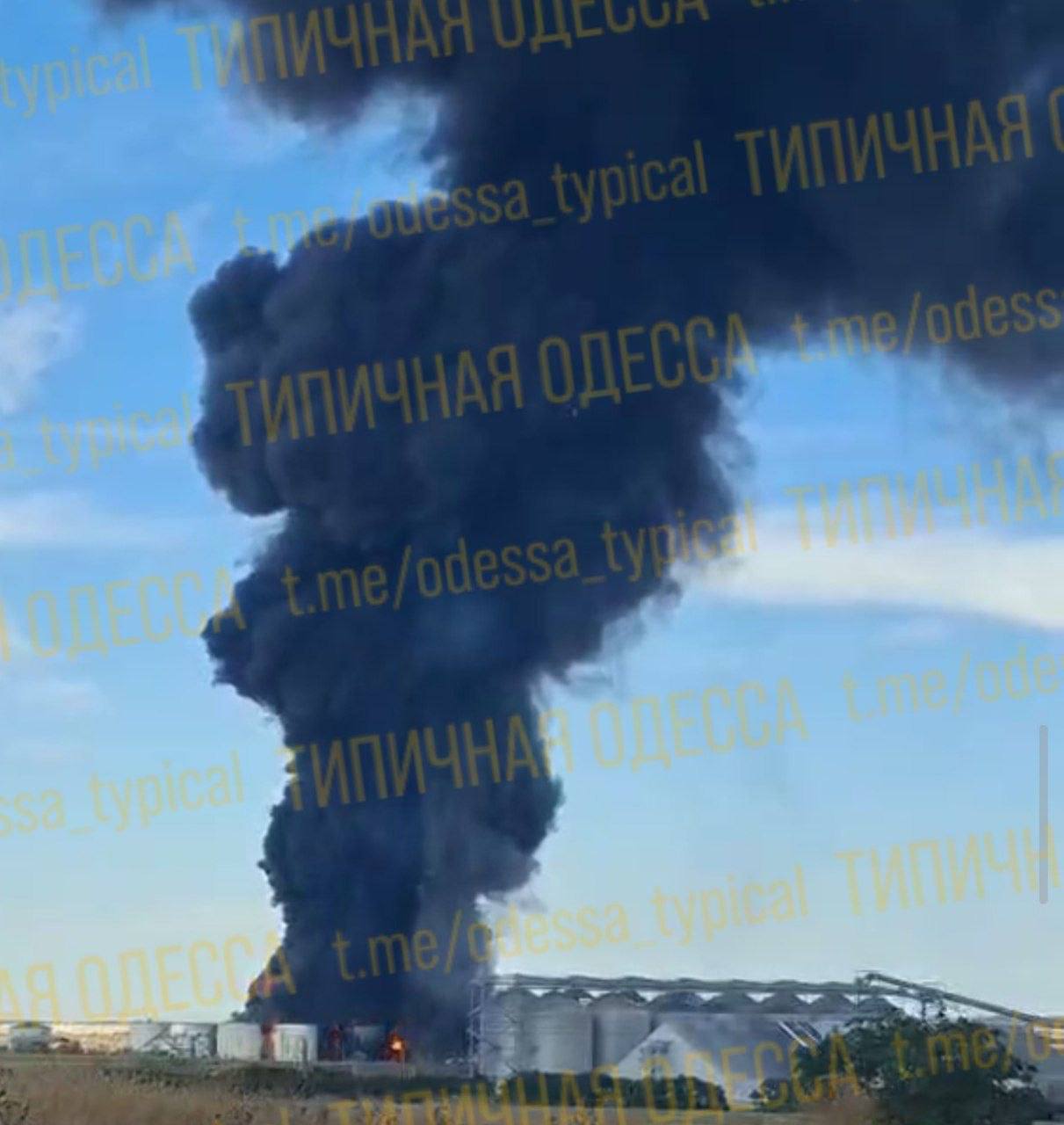
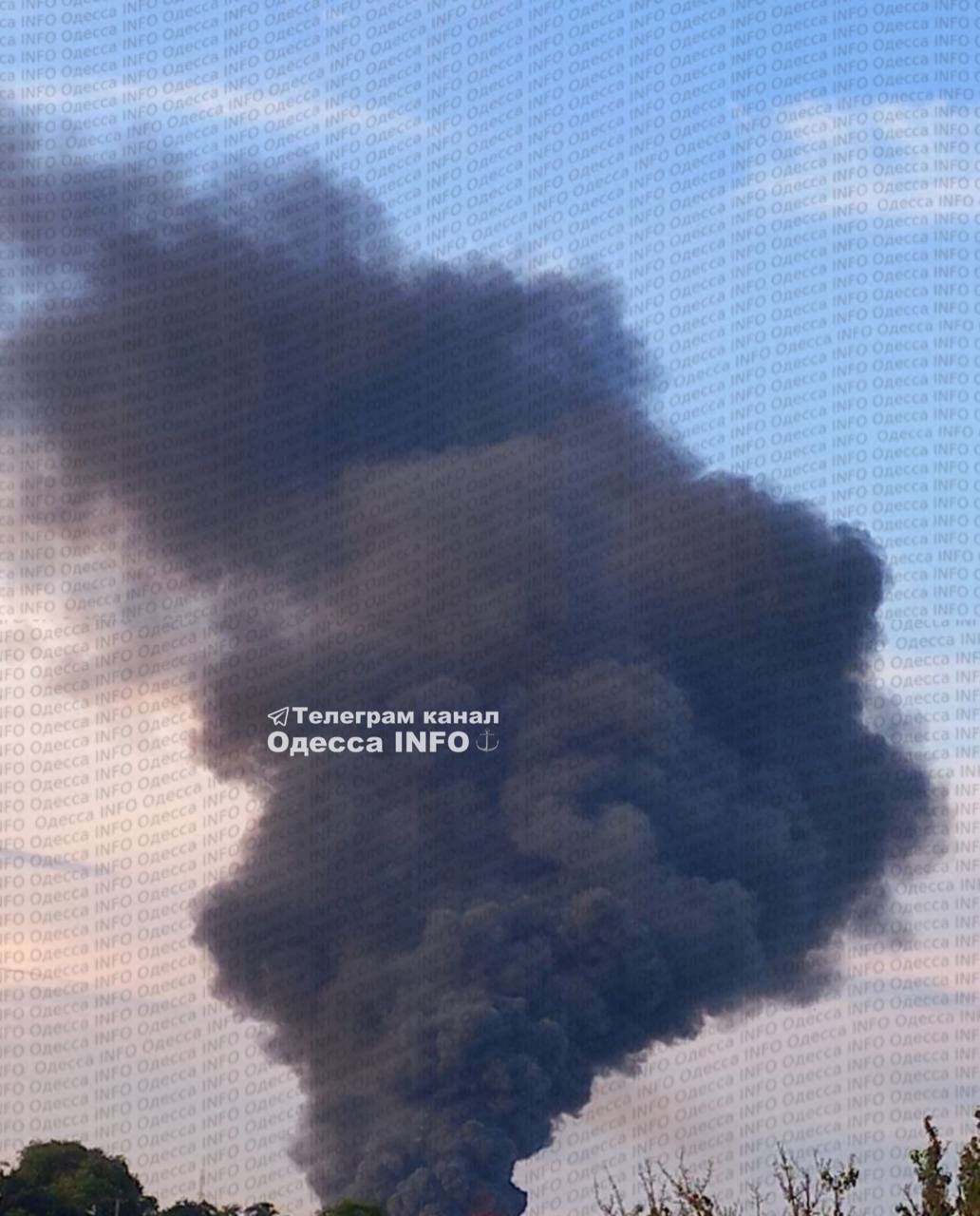
Russian loitering munitions have intensified attacks on Ukrainian maritime assets. On July 14, three Ukrainian dry cargo ships en route to Odesa were struck by Geran‑4 loitering munitions equipped with electro‑optical seekers, as reported by intelslava. The strikes caused minor hull damage but no crew injuries. Earlier, on July 12, the Russian Ministry of Defence announced the use of AI‑enabled Geran‑4 “Seeker” drones to target the port of Chernomorsk, hitting four anchored vessels. Subsequent drone activity on July 14 hit fuel storage tanks at the Odessa port, igniting a fire that was quickly contained. A separate drone strike near Belyary, Odessa Oblast, sparked a large blaze that required the deployment of local fire‑fighting units. Video footage from intelslava confirms the sequence of explosions and the rapid response by Ukrainian emergency services.
Analytical Overview
The pattern of kinetic events on July 14 illustrates a multi‑domain Russian strategy aimed at degrading Ukraine’s military production capacity, disrupting civilian logistics, and applying pressure on critical infrastructure. The Vyshneve depot explosion, while not directly attributed to a specific weapon system, aligns with a broader Russian emphasis on targeting ammunition stocks. Simultaneously, the deployment of UAVs, loitering munitions and cluster‑warhead rockets demonstrates a diversification of strike platforms designed to overwhelm Ukrainian air‑defence systems.
Ukrainian counter‑measures, notably the effective use of FPV drones against armored vehicles and localized ground advances, indicate adaptive tactics that leverage asymmetrical capabilities. However, the continued success of Russian aerial attacks on civilian populations and maritime assets underscores persistent gaps in air‑defence coverage, particularly over the Black Sea corridor.
Overall, the events of July 14 reflect an escalation in both the intensity and sophistication of kinetic operations, with significant implications for civilian safety, industrial resilience and the broader conduct of the conflict.