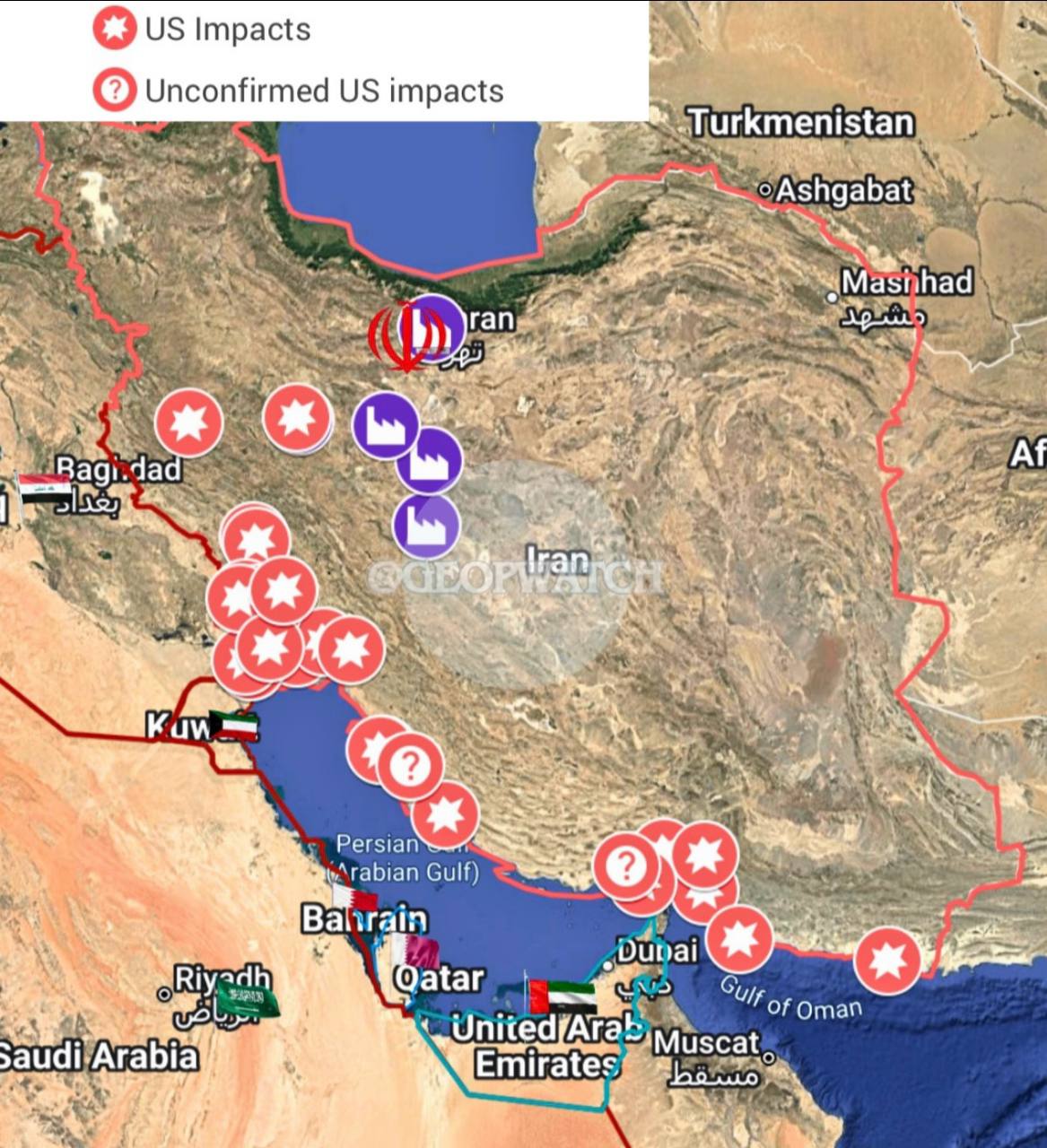
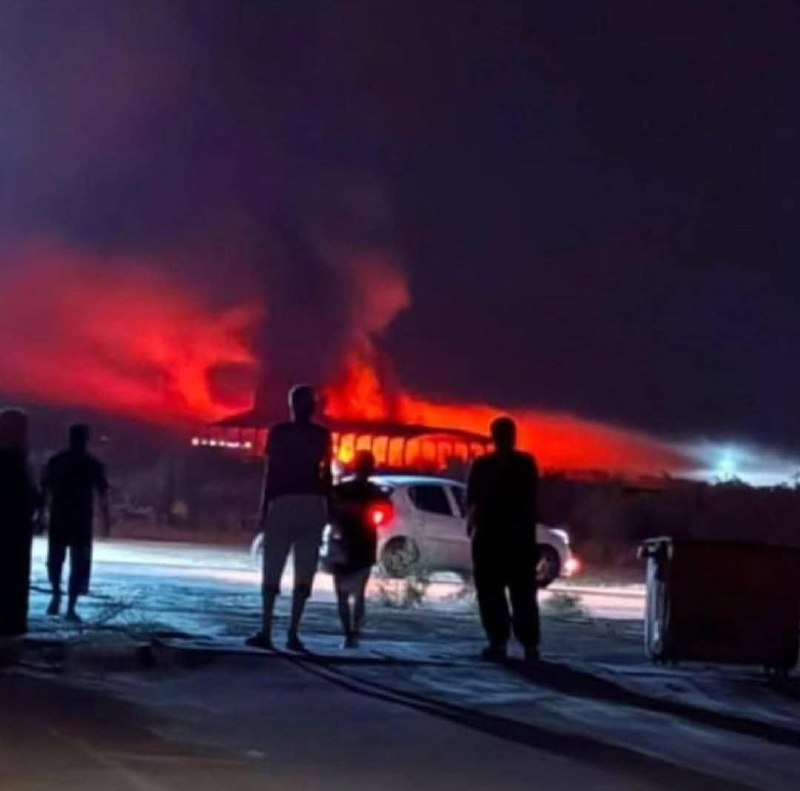
In the early hours of 13 July 2026 the United States launched a coordinated series of airstrikes against eight locations in Iran's strategic Khuzestan Province, marking the most extensive kinetic action against Iranian territory since the 2025 escalation. The strikes targeted Ahvaz, Behbahan, Dezful, Andimeshk, Abadan, Omidiyeh, Mahshahr and Shadegan, according to a statement from the Deputy Governor for Security and Law Enforcement. The operation was reported by the monitor_the_situation channel (Source URL: https://t.me/monitor_the_situation/24629) and was accompanied by simultaneous attacks on additional Iranian sites, including a hangar at Omidieh Airport that was destroyed and set ablaze (GeoPWatch, https://t.me/GeoPWatch/37178).
US Airstrikes on Iranian Territory
The strikes employed precision‑guided munitions delivered from undisclosed platforms. While casualty figures have not been released, the destruction of critical infrastructure—airport facilities, fuel depots and military installations—suggests a significant degradation of Iran's logistical capabilities in the south. The United States also reported impacts on dozens of other Iranian cities, including Qeshm Island, Bandar Abbas, Bushehr, Khondab, and Chabahar, as documented by GeoPWatch (Source URL: https://t.me/GeoPWatch/37215). In Bahrain, the national alarm siren was activated as the US attacks unfolded, underscoring the immediate regional reverberations (monitor_the_situation, https://t.me/monitor_the_situation/24636).
Iranian Counter‑Rocket Operations
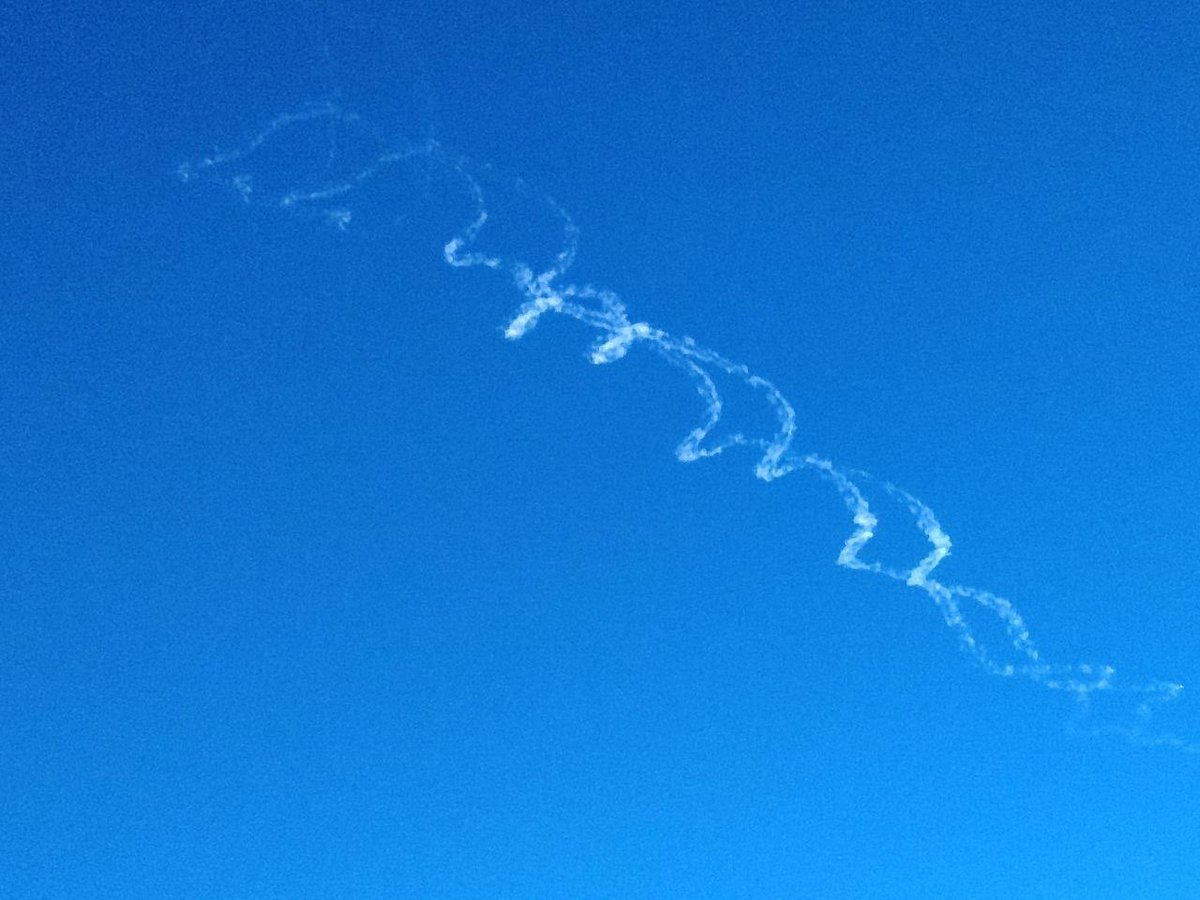
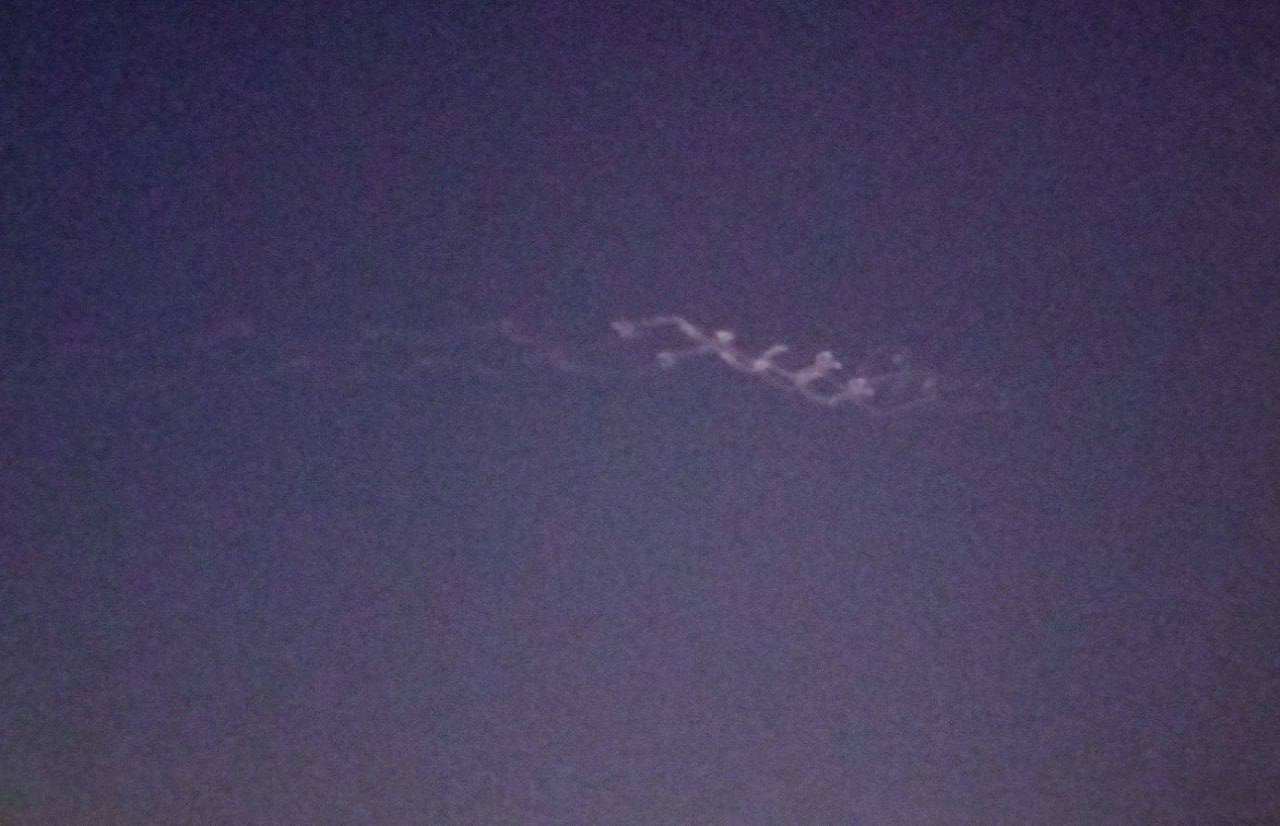
In direct response, the Islamic Revolutionary Guard Corps (IRGC) announced the destruction of fuel depots, Patriot air‑defence systems and a strategic radar at the U.S. base in Ali Salem, Kuwait. The claim, posted by GeoPWatch (https://t.me/GeoPWatch/37217), specified the use of missiles to neutralise the installations. A separate IRGC statement described the ignition of fuel and ammunition depots at Jordan's Prince Hassan Air Base using missiles and drones (GeoPWatch, https://t.me/GeoPWatch/37206). The same day, IRGC forces launched multiple ballistic missiles from the Jam Missile Field in Bushehr Province, likely aimed at Gulf maritime assets (monitor_the_situation, https://t.me/monitor_the_situation/24633). Additional missile launches were reported from Khomeyn in Markazi Province, with at least two ballistic missiles directed toward Jordan, though impact reports remain pending (monitor_the_situation, https://t.me/monitor_the_situation/24631; intelslava, https://t.me/intelslava/90404).
Incidents in Bahrain and Kuwait
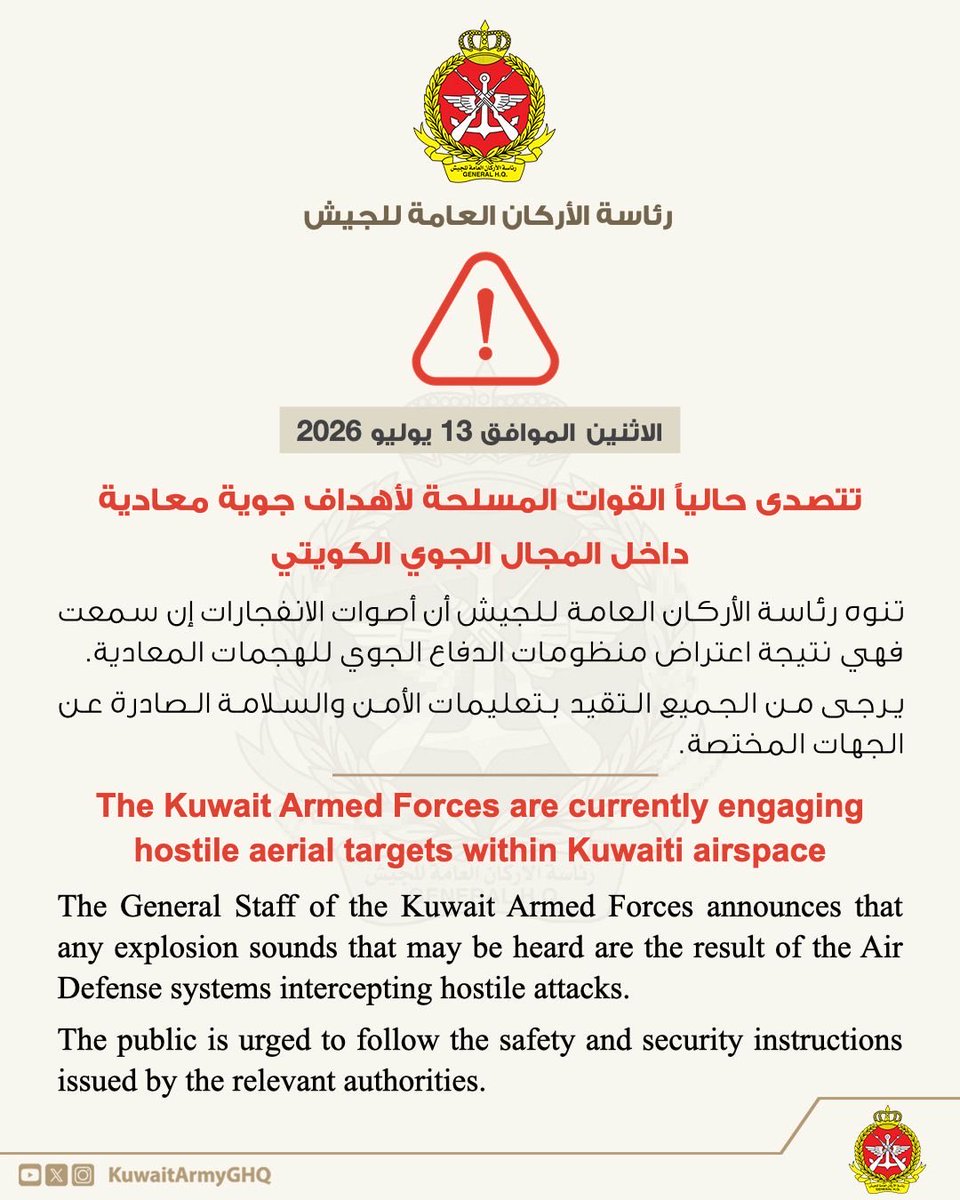
The United States’ naval presence in the Gulf also came under fire. The U.S. Naval Support Facility (5th Fleet Headquarters) in Manama and Bahrain’s Sheikh Isa Air Base were struck and ignited, according to CIG_telegram (https://t.me/CIG_telegram/79541). Smoke plumes were observed rising from Bahrain’s Naval Support Activity, suggesting further Iranian aggression (GeoPWatch, https://t.me/GeoPWatch/37204). In Kuwait, the Ali Salem base suffered reported damage to Patriot air‑defence batteries, a claim echoed by the IRGC. Kuwait’s own air‑defence forces intercepted hostile aerial targets over Kuwait City later in the day, issuing public safety alerts (monitor_the_situation, https://t.me/monitor_the_situation/24641).
Missile Launches and Air‑Defense Intercepts
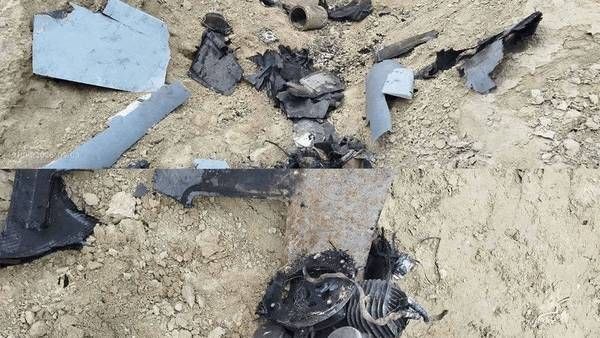
Iran’s missile activity extended beyond the Gulf. Ballistic missiles were launched from Jam Missile Field and Khomeyn, while Shahed‑type kamikaze drones were observed heading toward a U.S. base in Kuwait (monitor_the_situation, https://t.me/monitor_the_situation/24644). Iranian air‑defence units intercepted a U.S.-made LUCAS kamikaze drone over Bandar Abbas, as reported by state media IRIB (monitor_the_situation, https://t.me/monitor_the_situation/24643). Conversely, CENTCOM released footage of U.S. forces engaging Iranian aircraft and cruise missiles after Iran attacked commercial vessels in the Strait of Hormuz on 12 July, highlighting the reciprocal nature of the kinetic exchange (GeoPWatch, https://t.me/GeoPWatch/37214).
Assessment of Operational Impact
The coordinated US air campaign and the subsequent Iranian rocket and missile retaliation illustrate a rapid escalation of kinetic operations across multiple domains—air, land, sea and space. The targeting of civilian‑adjacent infrastructure, such as ports (Bandar Abbas, Imam Khomeini Port) and airports, raises the potential for collateral damage and humanitarian concerns, though verified casualty data remain unavailable. The use of high‑value air‑defence assets (Patriot systems) by Iran indicates an intent to degrade U.S. force protection capabilities in the region.
Strategic implications include a heightened risk of miscalculation in the congested Strait of Hormuz, where commercial shipping remains vulnerable. The simultaneous activation of alarm systems in Bahrain and the reported smoke over naval facilities suggest that regional states are experiencing direct security shocks, potentially prompting defensive postures or diplomatic outreach.
Overall, the events of 13 July 2026 represent a marked intensification of the kinetic phase of the Iran‑U.S. confrontation, with spill‑over effects evident in Bahrain, Kuwait, Jordan and the broader Gulf maritime corridor.