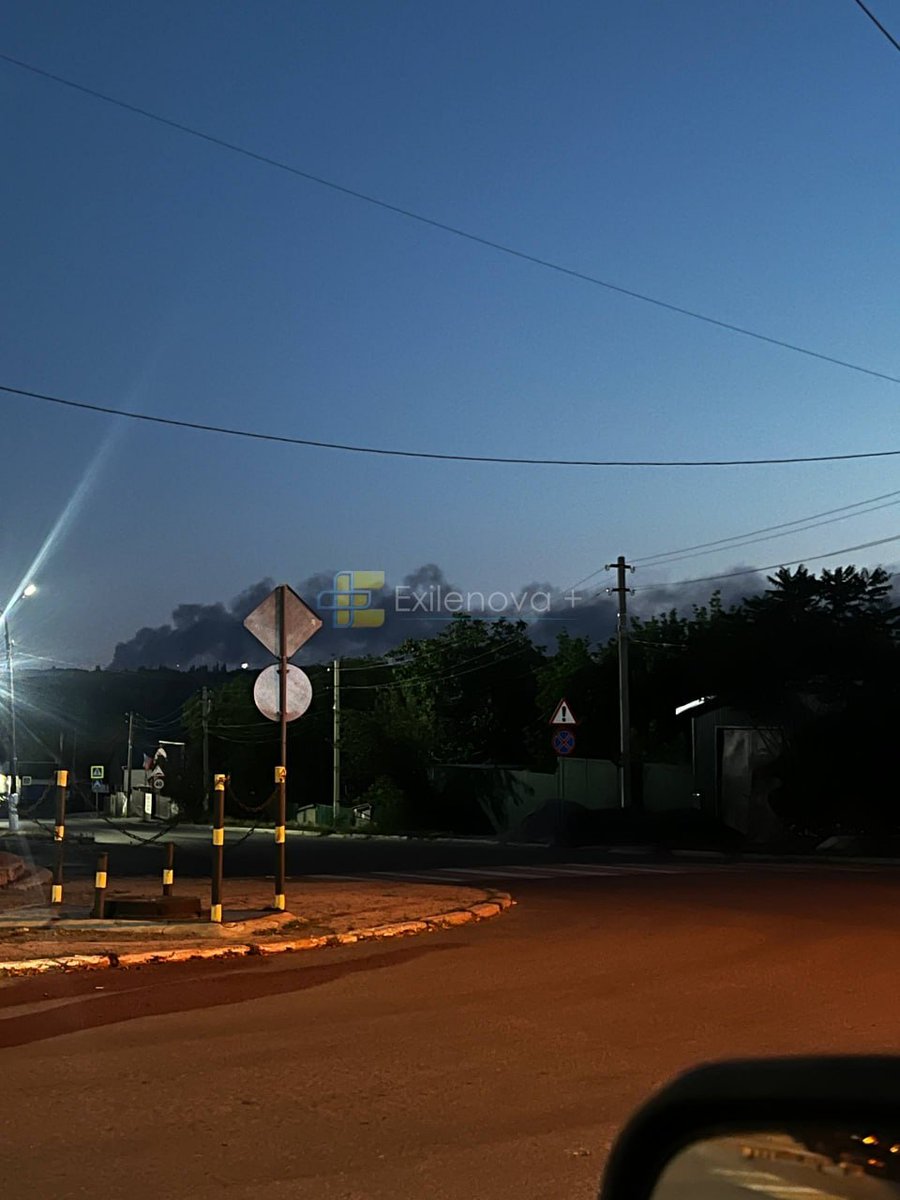
In the early hours of 13 July 2026, a Ukrainian‑operated mid‑range unmanned aerial vehicle (UAV) struck the city of Shakhtarsk in Russian‑controlled Donetsk Oblast, igniting a large fire that consumed multiple structures. The attack, reported by the Telegram channel monitor_the_situation, represents the most consequential kinetic event recorded in Ukraine on this date, highlighting the continued capacity of both sides to project aerial firepower deep into contested territory.
"Ukrainian mid‑range drones struck the city of Shakhtarsk in Russian‑controlled Donetsk Oblast overnight, triggering a large fire." – monitor_the_situation
While no casualties were confirmed in the immediate aftermath, satellite‑derived fire detection from NASA FIRMS confirmed the blaze’s extent, underscoring the potential for significant material loss. The incident demonstrates Ukraine’s willingness to employ medium‑range UAV platforms against strategic urban targets within occupied zones, a tactic that may influence future operational planning on both sides of the front.
Russian Geran Drone Campaign Across Eastern Dnipropetrovsk Oblast
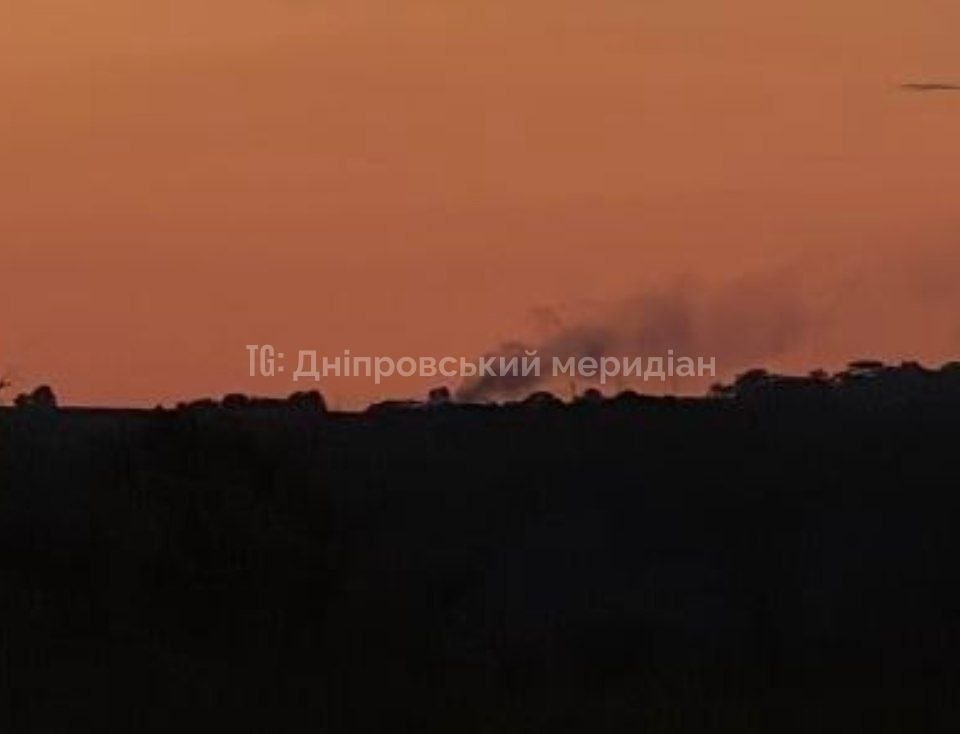
Within the same timeframe, Russian forces launched a coordinated swarm of Geran‑2, Geran‑3 and Geran‑4 drones against several settlements in eastern Dnipropetrovsk Oblast, including Mykolaivka, Dmytrivka, Shakhtarske, Troitske and Petropavlivka. The attacks, also documented by monitor_the_situation, resulted in multiple fires and property damage but, again, no confirmed fatalities.
"Overnight Russian Geran‑2/Geran‑3/4 drone attack hits Mykolaivka, Dmytrivka, Shakhtarske, Troitske, Petropavlivka in eastern Dnipropetrovsk." – monitor_the_situation
The Geran series, a Russian adaptation of the Iranian Shahed platform, is designed for loiter‑and‑strike missions, delivering small explosive payloads. Their deployment across a broad geographic area suggests an intent to saturate local air‑defence systems and create persistent disruption in civilian infrastructure.
Geran‑2 Drone Strike at Agricultural Complex in Zhovtneve, Kharkiv Oblast
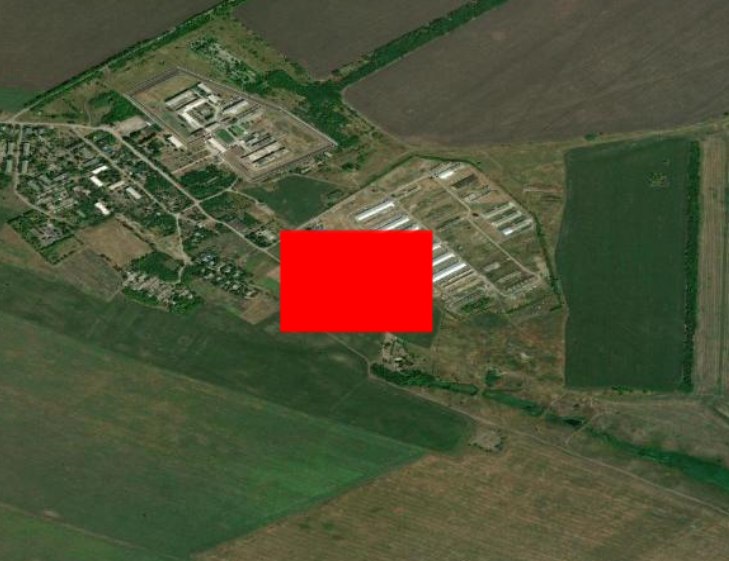
At approximately 05:30 UTC, a single Russian Geran‑2 drone impacted an agricultural complex in the village of Zhovtneve, Kharkiv Oblast. The strike ignited a large fire that was promptly identified by NASA FIRMS and corroborated by on‑the‑ground observers. The target, a grain storage facility, suffered extensive damage to silos and processing equipment.
"Russian Drone Strike Sparks Fire at Agricultural Complex in Zhovtneve, Ukraine" – monitor_the_situation
Although the incident did not produce immediate casualties, the loss of stored grain has implications for regional food security, especially given the ongoing logistical constraints imposed by the conflict.
Russian Tornado‑S Rocket Attack on Boat Station in Staryi Saltiv
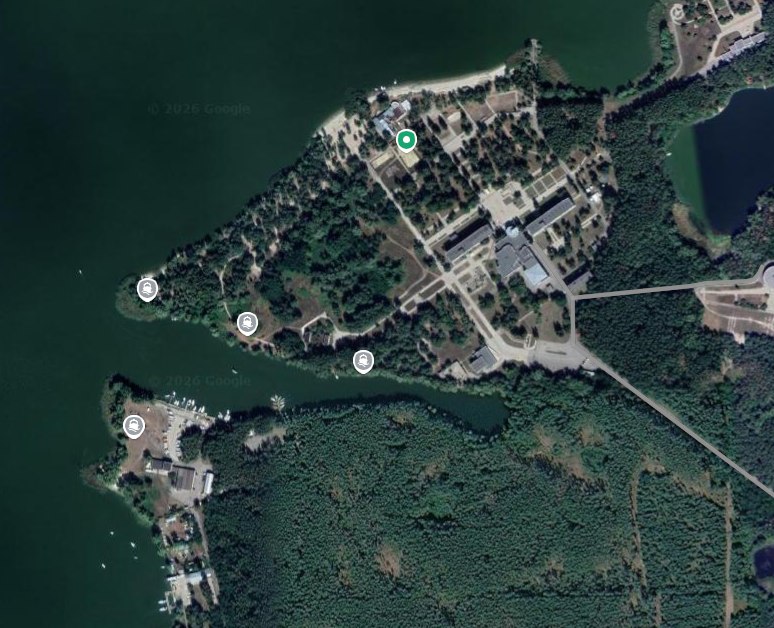
In a separate kinetic event, Russian forces employed a Tornado‑S multiple‑launch rocket system (MLRS) to strike a boat station in Staryi Saltiv, Kharkiv Oblast. The rockets detonated near the dockside infrastructure, generating a conflagration that engulfed nearby vessels and ancillary facilities.
"Russian Rocket Strikes Cause Fire at Boat Station in Staryi Saltiv, Ukraine" – monitor_the_situation
The Tornado‑S system, capable of delivering precision‑guided rockets up to 120 km, underscores the Russian military’s continued reliance on high‑explosive artillery to target logistical nodes. No injuries were reported, but the destruction of civilian maritime assets further constrains local transport and economic activity.
Operational Assessment
Collectively, the events of 13 July illustrate a pattern of kinetic engagements that prioritize fire‑inducing munitions against both civilian and dual‑use infrastructure. Ukrainian mid‑range UAVs are being used to strike occupied urban centers, while Russian forces continue to exploit a mixed inventory of Geran drones and Tornado‑S rockets to generate fires across a wide front. The absence of reported casualties in each incident may reflect effective early‑warning systems or the limited explosive yields of the weapons employed; however, the material damage and secondary effects—such as loss of grain reserves and disruption of river transport—are significant.
Satellite fire detection, open‑source monitoring, and rapid dissemination via Telegram channels remain critical for real‑time situational awareness. As both parties adapt their aerial and artillery capabilities, the frequency of fire‑related incidents is likely to remain a salient feature of the conflict’s kinetic landscape.