The most consequential kinetic event recorded on 13 July 2026 was a coordinated airstrike by the Saudi Royal Air Force on Sanaa International Airport at 16:28 UTC. According to BellumActaNews, the strike aimed to prevent a Mahan Air Airbus A340‑313 (registration EP‑MMC) from landing with a delegation of Houthi leaders returning from Ayatollah Khamenei’s funeral in Iran. Despite the bombing, the aircraft diverted to Hodeidah, where it landed safely. The Saudi operation employed conventional bombs, though exact munition types were not disclosed. No civilian casualties were reported in the immediate aftermath, but the explosion caused significant runway damage, temporarily halting airport operations.
Government and Houthi Reactions
Within hours of the 16:28 strike, multiple Yemeni actors reported additional air activity over the capital. The Yemeni Defense Ministry announced a separate strike at 11:26 UTC targeting the same runway to pre‑empt the Iranian flight, a claim corroborated by the Jerusalem Post. Residents in Sanaa heard a series of explosions and reported warplanes flying overhead, confirming a sustained aerial campaign. The Houthis, operating under the Ansarullah banner, publicly condemned the attacks and pledged retaliation, as documented by rnintel and the monitoring channel rnintel. Their statements emphasized that the bombings represented a direct challenge to Houthi sovereignty and Iranian support.
"The Saudi bombings on our airport are an unlawful aggression against the Yemeni people and our legitimate leadership," a Houthi spokesperson said, as cited by rnintel.
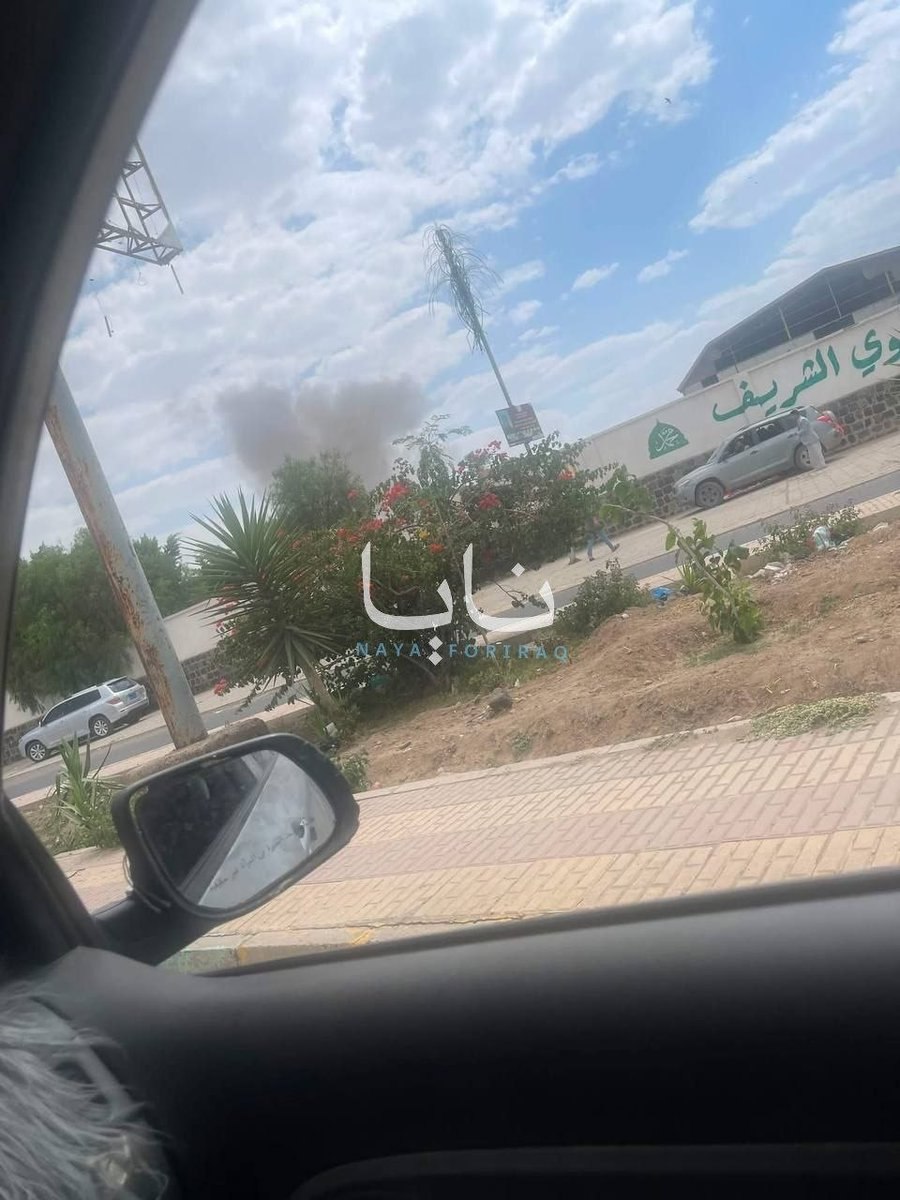
Parallel reports from Al Jazeera and GeoPWatch confirmed that Yemeni government forces also conducted an airstrike on Sanaa Airport at 14:03 UTC, though details on weaponry were sparse. Monitor_the_situation shared photographic evidence of large explosions across the capital following the Saudi strikes, underscoring the intensity of the aerial bombardment.
Naval Incidents Along Yemen’s Coast
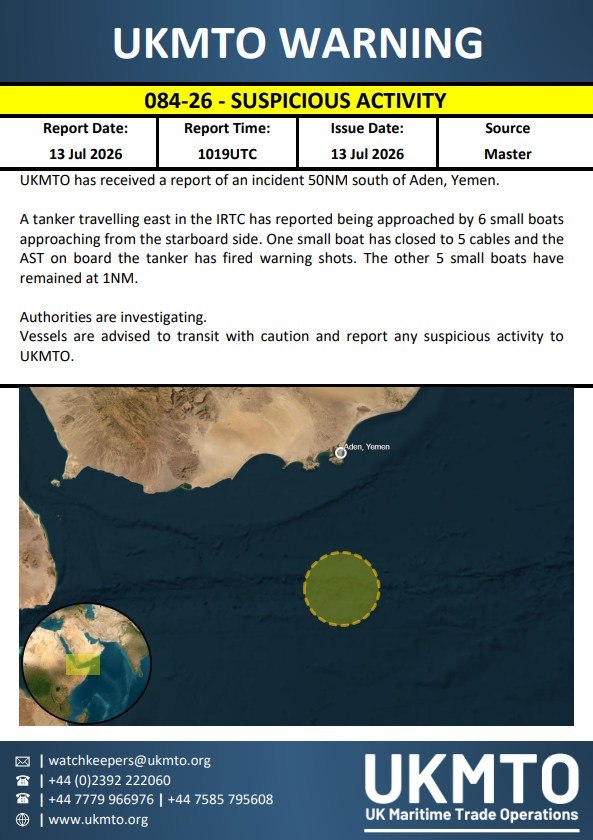
Simultaneous to the aerial operations, the maritime domain experienced heightened tension. At 11:37 UTC, CIG_telegram reported an attack on an oil tanker off Yemen’s Arabian Sea coast. While the specific weapon system was not identified, the incident reflects the broader vulnerability of commercial shipping in the Red Sea and Gulf of Aden corridors. Later, at 11:40 UTC, rnintel documented an attempted hijacking of a tanker by six small boats carrying Somali pirates from Puntland, illustrating the persistent piracy threat that compounds the security environment.
Strategic Context and Implications
The clustering of air and naval events on 13 July underscores the multi‑dimensional nature of the Yemen conflict. The Saudi strike on Sanaa Airport represents a direct attempt to curtail Iranian influence, as the targeted aircraft was linked to Mahan Air, an Iranian carrier. The Houthis’ vow of retaliation signals a likely escalation in both aerial and ground operations, potentially increasing the risk of civilian infrastructure damage. Moreover, the concurrent maritime attacks highlight the fragility of supply lines critical to regional and global energy markets. Analysts should monitor subsequent statements from the Saudi coalition, the Yemeni government, and Houthi leadership for indications of further kinetic actions or diplomatic overtures.