On 12 July 2026 Iran escalated regional hostilities by sealing the Strait of Hormuz, the world’s critical oil transit chokepoint, and initiating a series of kinetic attacks against Gulf states and U.S. assets. The closure, announced at 04:47 UTC, marked the most severe maritime action since the 2019 tanker incident and triggered a rapid cascade of retaliatory strikes across the Persian Gulf and Iranian territory.
Strategic maritime closure
The Iranian government ordered all commercial traffic to halt in the Strait of Hormuz, citing “aggression” following a series of U.S. airstrikes on Iranian soil. The move was reported by the monitoring channel monitor_the_situation and confirmed by satellite imagery showing multiple vessels anchored or rerouted around the strait. No casualties were reported in the immediate closure, but the action disrupted the flow of an estimated 20 million barrels of oil per day, raising global market concerns.
“Iran closes the Strait of Hormuz, launches attacks on Gulf states, escalating conflict after US strikes.” – monitor_the_situation
U.S. air campaign inside Iran
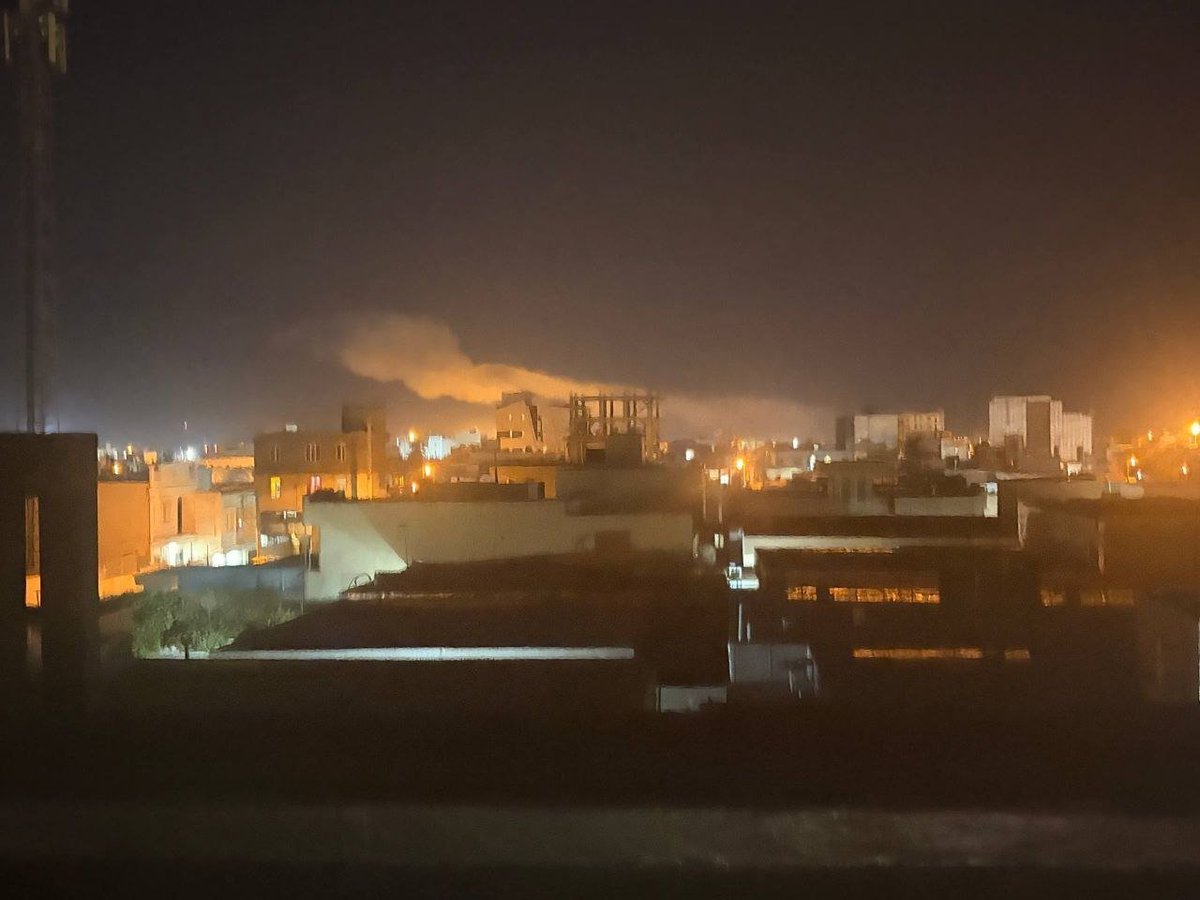
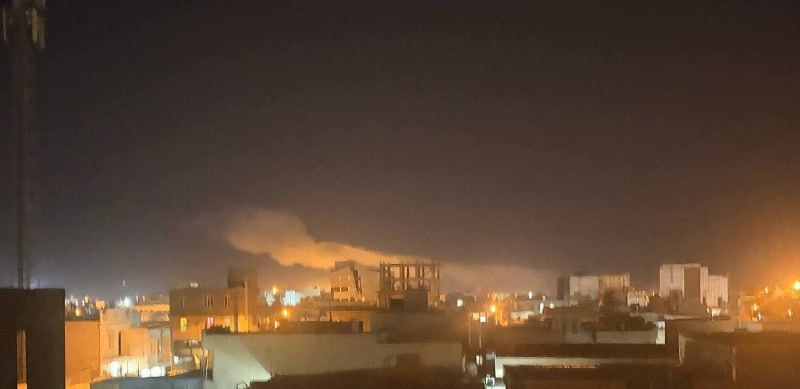
Within an hour of the maritime closure, the United States launched a coordinated air campaign targeting Iranian military infrastructure. At 05:07 UTC, U.S. forces struck a logistics hub in the Strait of Hormuz, employing precision‑guided missiles as reported by AlJazeera. Subsequent strikes hit the outskirts of Veysian (05:47 UTC) and a military base in Khondab (05:35 UTC), both confirmed by monitor_the_situation. Video footage from the latter shows smoke rising from the Khondab installation, though casualty figures were not disclosed.
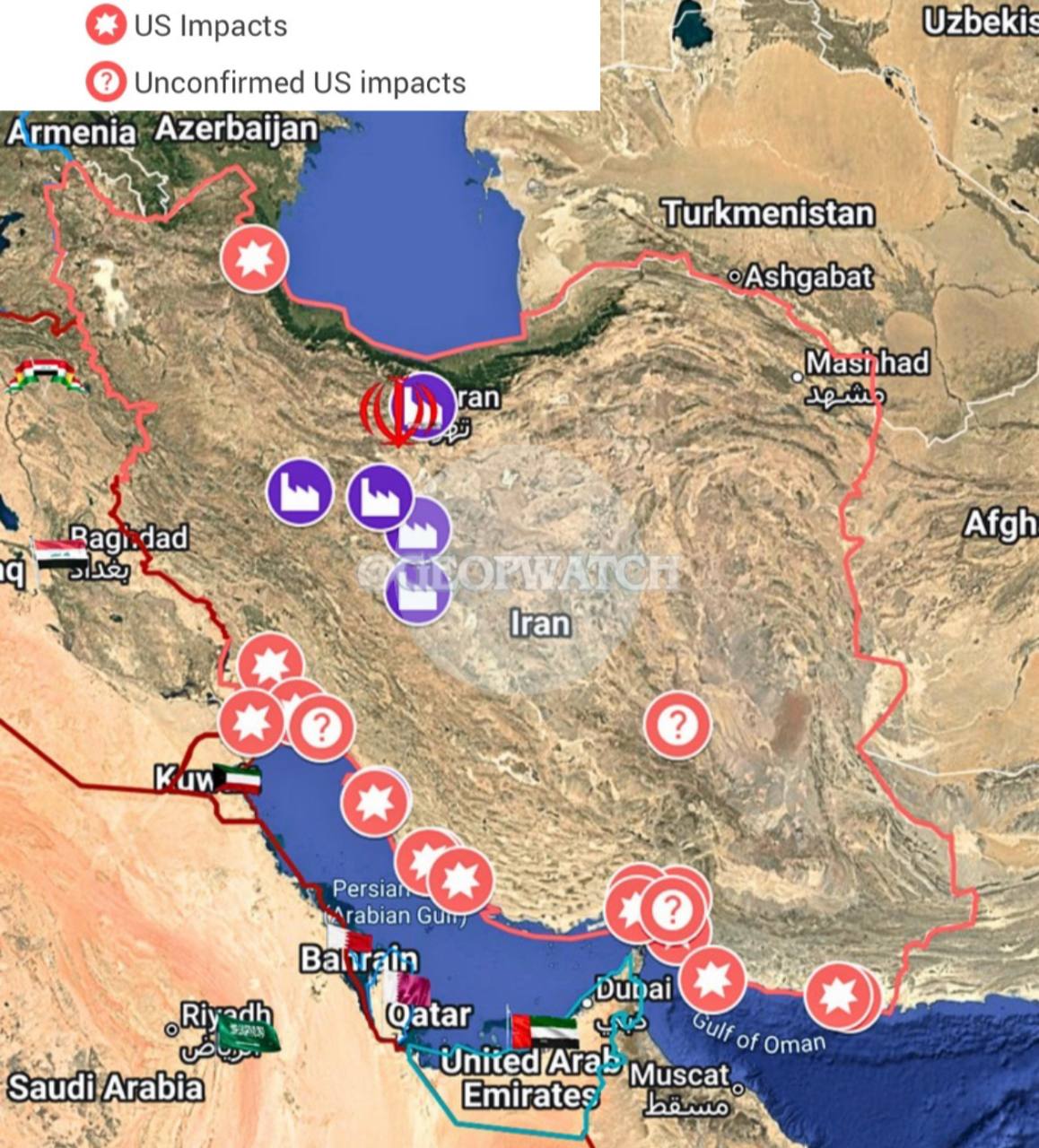
Additional airstrikes were recorded later in the day across a wide swath of southern Iran, including Bushehr, Konarak, Bandar‑Abbas, Kangan, Mahshahr, and Chabahar. The monitor_the_situation channel posted a composite map listing confirmed impacts in at least fourteen cities, indicating a sustained high‑intensity operation aimed at degrading Iran’s air‑defense and command‑and‑control nodes.
IRGC missile and rocket attacks on regional targets
Parallel to the U.S. air campaign, Iran’s Islamic Revolutionary Guard Corps (IRGC) Aerospace Force launched a series of missile attacks against U.S. and allied assets. At 04:46 UTC, the IRGC claimed a surprise missile strike on the U.S. Navy’s logistical and refueling facilities at Duqm Port, Oman, describing the operation as part of the “third phase” of its response. Photographs posted by CIG_telegram show smoke and damaged infrastructure at the Omani port.
In Bahrain, a missile struck the U.S. Fifth Fleet headquarters in Manama at 03:19 UTC, as reported by monitor_the_situation. No immediate casualties were confirmed, but the incident underscored the vulnerability of U.S. naval command elements within the Gulf.
Further missile launches were documented against the Naval Support Activity Bahrain (04:43 UTC) and the Shuwaikh Port in Kuwait (05:06 UTC). While the Kuwait incident did not specify weapon type, the source CIG_telegram identified it as a rocket attack, likely originating from Iranian forces.
Ballistic missile trajectories over Iraq and Jordan
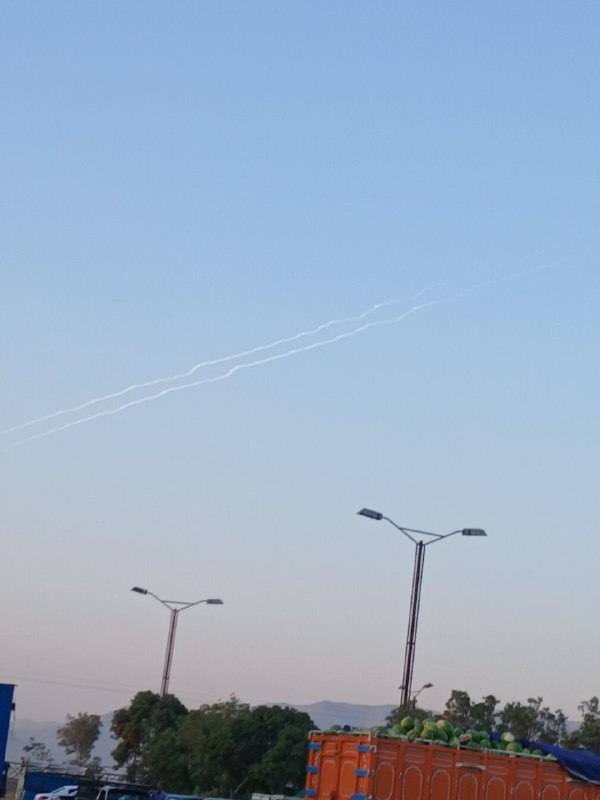
At 02:15 UTC, multiple ballistic missiles were launched from Iranian cities—Arak, Zanjan, Hamadan, and Al‑Diwaniyah Governorate in Iraq—heading toward Jordanian air bases. The CIG_telegram feed captured video of missile flight paths over southern Iraq en route to the Muwaffaq Salti Air Base, where Jordanian air defenses engaged the incoming threats. Both GeoPWatch and intelslava reported active interception attempts, though final impact assessments remain pending.
Unmanned aerial system (UAS) activity
Iranian forces also deployed kamikaze drones against U.S. Patriot air‑defense sites, an ammunition depot, and radar installations in Kuwait, as well as communications and radar assets in Bahrain. The drone swarm, reported by monitor_the_situation at 03:35 UTC, did not achieve confirmed hits, but the operation demonstrated a diversification of kinetic tools beyond conventional missiles.
UAE air defenses intercepted additional missiles and UAVs targeting Abu Dhabi at 02:48 UTC, according to CIG_telegram. The interceptions occurred outside UAE airspace, suggesting a broader regional missile trajectory that intersected multiple national defense zones.
Ground‑level explosions and infrastructure damage
Throughout the day, a series of explosions were reported in Iranian coastal cities—Mahshahr, Sirik, Jask, Deyr, and Kerman—by GeoPWatch and BellumActaNews. While the precise cause of each blast remains unclear, the timing aligns with the U.S. airstrike wave, indicating possible secondary effects such as fuel depot ignitions or ammunition depot detonations.
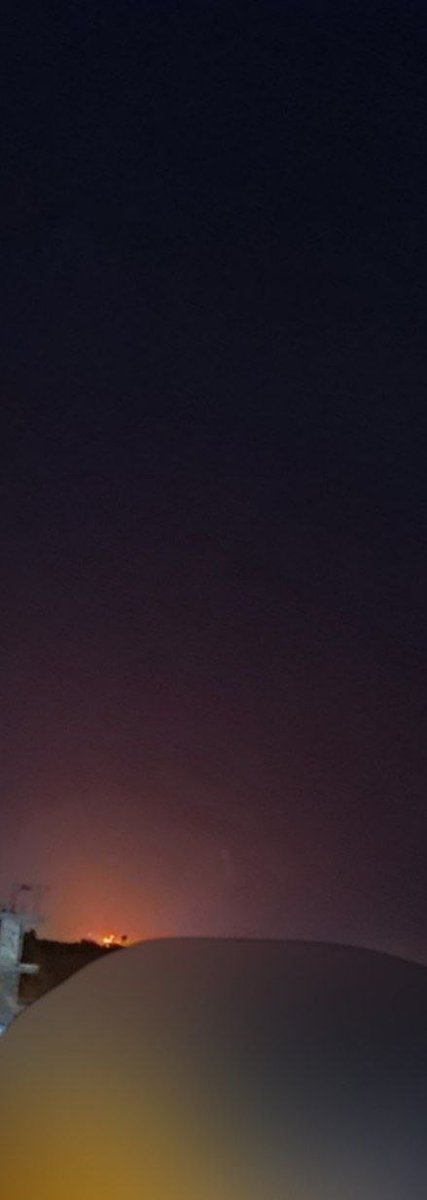
In the port city of Bandar‑e‑Jask, a fire was observed after repeated U.S. strikes, with photographic evidence posted by monitor_the_situation. Similar fire signatures were noted in Bushehr and Konarak, reinforcing the pattern of kinetic strikes on maritime and energy infrastructure.
Operational assessment
The coordinated kinetic actions on 12 July represent the most extensive multi‑domain engagement between Iran and the United States since the 2020 Gulf tensions. The Iranian closure of the Strait of Hormuz, combined with missile, rocket, and drone attacks on U.S. and allied assets, escalated the conflict from a series of isolated strikes to a theater‑wide confrontation.
Key operational observations include:
- Iran leveraged both conventional missile systems (S‑400‑derived land‑to‑land missiles, ballistic missiles) and asymmetric tools (kamikaze drones) to target high‑value U.S. logistics nodes across the Gulf and the Arabian Sea.
- The United States responded with a high‑tempo air campaign that saturated Iranian air‑defense zones, striking at least fourteen locations within a six‑hour window.
- Regional allies—Bahrain, Kuwait, Oman, the United Arab Emirates, and Jordan—experienced direct kinetic effects, highlighting the spill‑over risk of a broader escalation.
While casualty figures remain limited in the open‑source record, the cumulative impact on maritime traffic, energy infrastructure, and military readiness is significant. The closure of the Strait of Hormuz alone threatens global oil supply chains, and the repeated strikes on Iranian ports could impair the country’s export capacity for months.
Outlook
Monitoring agencies anticipate a continued cycle of retaliation unless diplomatic channels intervene. The presence of active air‑defense systems in Jordan and the UAE, coupled with ongoing missile interceptions, suggests that regional airspace will remain contested. Future reporting will focus on the durability of the Strait of Hormuz closure, the effectiveness of U.S. air‑strike objectives, and any escalation toward naval engagements.