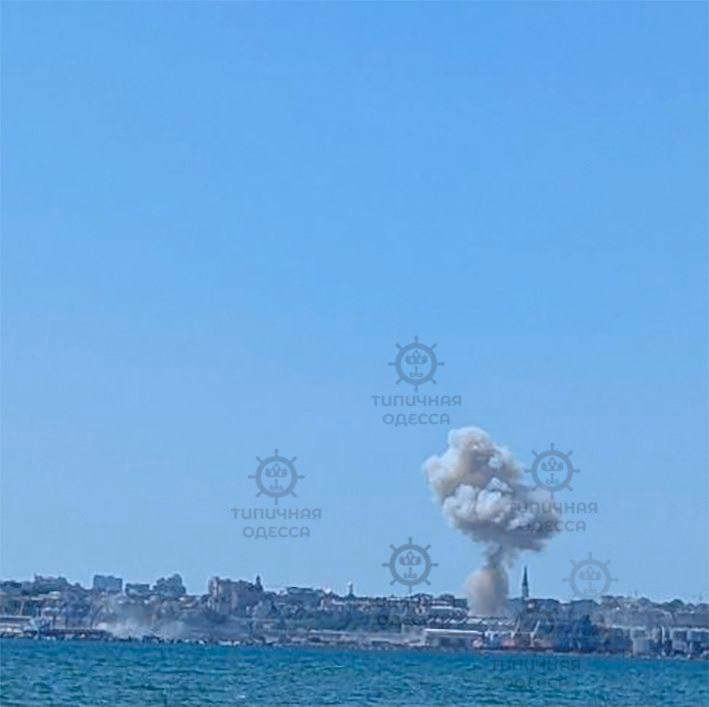
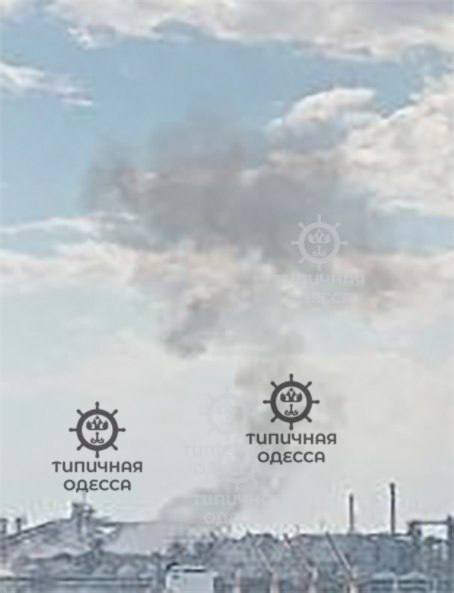
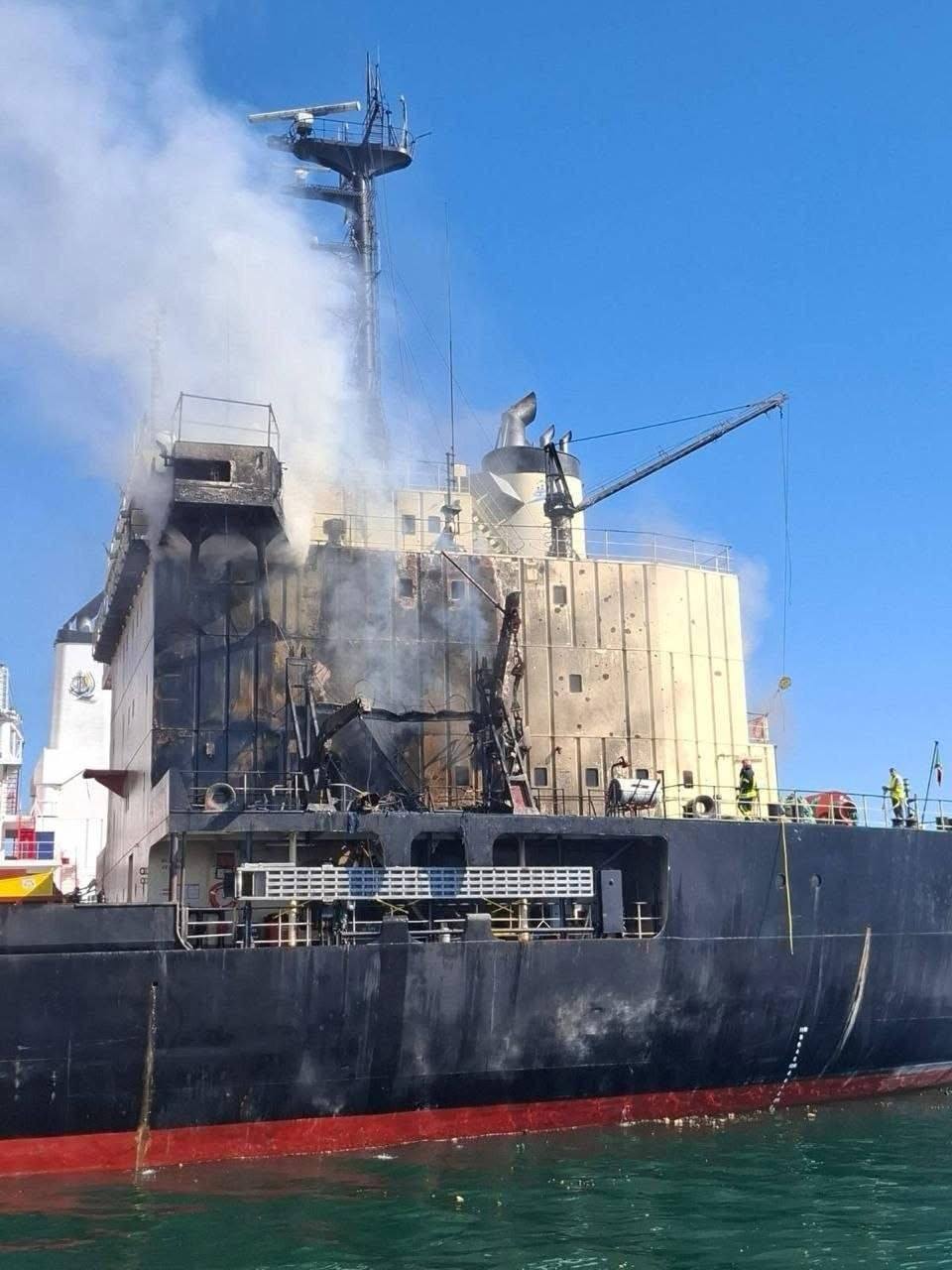
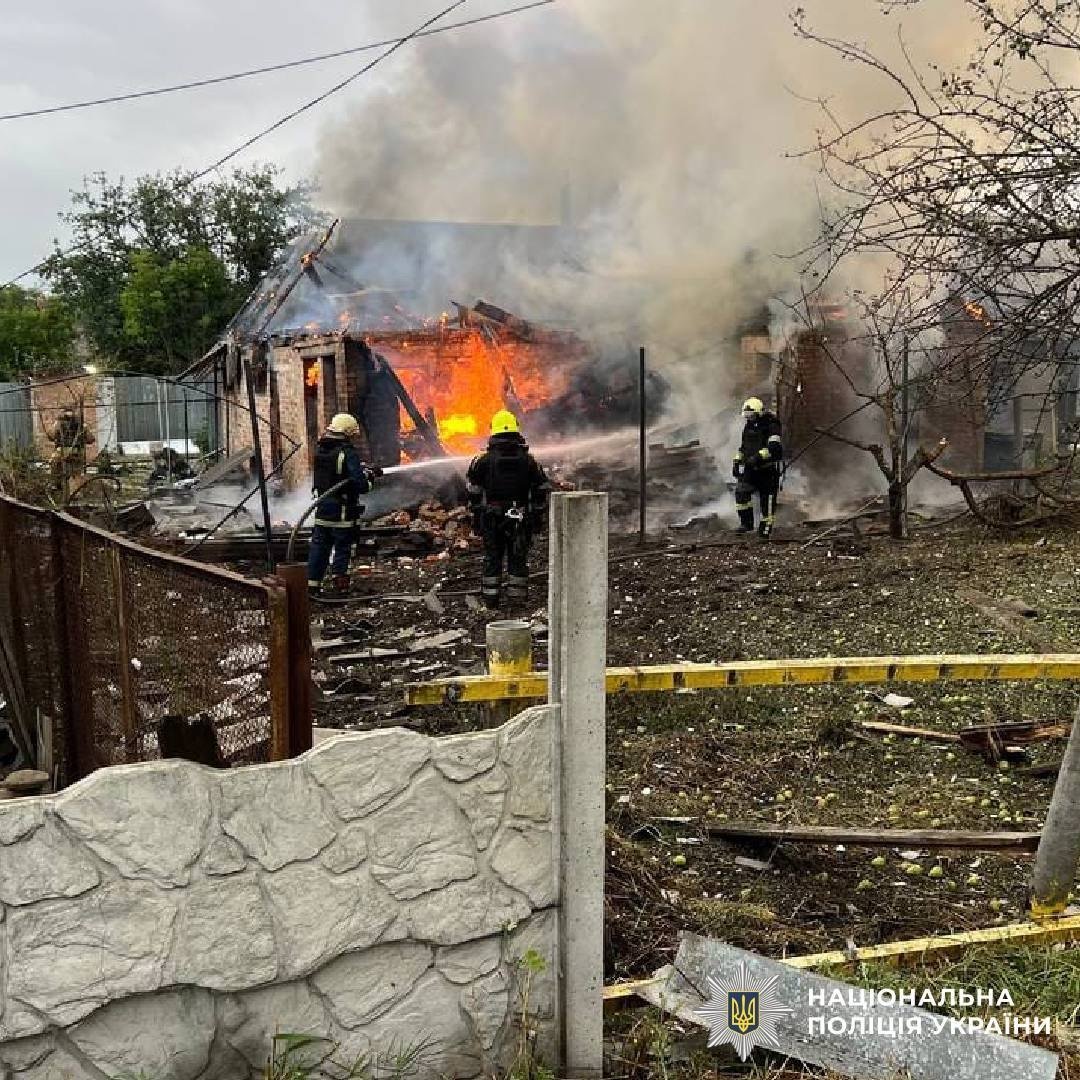
On July 11, 2026, a coordinated series of kinetic operations reshaped the conflict landscape in Ukraine, with the most consequential event occurring in the Odessa region. Russian forces launched a multi‑missile strike that hit critical logistics facilities, a cargo vessel operating under the Ukrainian shadow fleet, and an ammunition depot at the port of Chornomorsk (Illyichevsk). The attack, reported by the Telegram channel intelslava, underscores a renewed focus on degrading Ukraine’s supply chain in the south.
"A series of Russian strikes hit targets in Odessa. Enemy logistics facilities, a cargo ship of the Ukrainian shadow fleet flying a Saint Kitts and Nevis flag, and vehicles were struck. The port in Illyichevsk (Chornomorsk) was among the targets hit, with a strike also carried out on an ammunition warehouse within the port area." – intelslava, 14:41 UTC
The strike employed a mix of cruise and ballistic missiles, though exact missile types were not disclosed. While casualty figures for the Odessa attack were not released, the loss of a cargo ship and the destruction of an ammunition warehouse represent a significant blow to Ukraine’s ability to move materiel through its Black Sea corridor.
Ukrainian Drone Offensive Shuts Down Russian Maritime Traffic
In a parallel development, Ukrainian forces employed attack drones to target 28 vessels across the Black Sea and the Sea of Azov, effectively halting Russian surface traffic in the latter waterway. The operation, detailed by the CIG_telegram channel, marks the latest escalation in Kyiv’s maritime drone campaign, which has now struck 76 ships in the past week.
"Ukrainian forces carried out a massive maritime strike in the Black/Azov Sea last night, hitting 28 vessels. Ukrainian attack drones have now hit 76 ships over the last week, effectively shutting down the Sea of Azov to Russian surface traffic." – CIG_telegram, 14:19 UTC
The drones, likely loitering munitions equipped with electro‑optical seekers, were launched from Ukrainian‑held territory and intercepted several Russian merchant and military vessels. While no civilian casualties were reported, the disruption hampers Russia’s ability to transport fuel, grain, and military supplies through the strategic waterway.
Escalating Missile and Drone Strikes on Urban Centers
In the capital, Kyiv, a combined missile and drone attack resulted in two fatalities and 19 injuries, according to the JPost. The assault employed both ballistic and cruise missiles alongside aerial drones, reflecting a diversified Russian strike package.
"Two dead, 19 wounded as Russia strikes Ukraine with missiles, drones. Eleven people were wounded in the capital, Kyiv, by an attack that used ballistic and cruise missiles as well as drones." – JPost, 13:56 UTC
Earlier in the day, Russian forces launched a broader campaign of 12 missiles—including six ballistic missiles—and 121 drones across Ukraine, causing at least ten deaths and eighty injuries nationwide. Kyiv again featured among the impacted locations, confirming the city’s continued vulnerability to high‑precision strikes.
"Russia launches 12 missiles, including six ballistic missiles, and 121 drones across Ukraine, killing at least 10 and injuring 80. Kyiv hit by ballistic missiles." – monitor_the_situation, 09:40 UTC
These attacks illustrate a pattern of saturation strikes aimed at overwhelming air‑defence systems and inflicting civilian casualties, a tactic observed throughout the conflict.
Southern Front: Glide Bombs and UAV Assaults
In Kherson Oblast, Russian aircraft deployed KAB glide bombs from the Brylivka airfield against Ukrainian‑held positions near Antonivka. The glide bombs, a precision‑guided munition, are designed to penetrate fortified targets from a stand‑off distance, reducing exposure of the launch platform.
"Russian Aircraft Launch KAB Glide Bombs on Kherson Region. Russian aircraft launched KAB glide bombs from Brylivka, Kherson Oblast, targeting Ukrainian‑controlled areas near Antonivka, with potential further strikes from Armyansk, Crimea." – monitor_the_situation, 13:49 UTC
While no casualty numbers were released for the Kherson strike, the use of glide bombs signals an escalation in the weaponry employed on the southern front.
Across the broader Ukrainian theater, UAV attacks over a 24‑hour period killed 18 civilians and injured 123, with confirmed strikes in Chernihiv and Sumy regions. The attacks were reported by monitor_the_situation and highlight the persistent threat posed by loitering munitions and small‑scale drones.
"UAV Attacks Kill 18, Injure 123 Civilians in Ukraine. Over 24 hours, UAV attacks across Ukraine kill 18 civilians and injure 123, including strikes in Chernihiv and Sumy regions." – monitor_the_situation, 12:31 UTC
Targeted Infrastructure and Energy Assets
Ukrainian forces also struck Russian energy infrastructure. At Borisoglebsk airfield in Voronezh Oblast, a fuel and lubricant storage tank farm was destroyed, according to monitor_the_situation. The attack, while not resulting in reported casualties, deprives Russian air operations of critical fuel reserves.
"Ukrainian forces struck Borisoglebsk airfield in Russia's Voronezh region, destroying a fuel and lubricant storage tank farm built in winter 2023, with damage visible in aftermath imagery." – monitor_the_situation, 12:37 UTC
In a separate maritime operation, the Ukrainian General Staff claimed strikes on 18 Russian vessels and multiple oil facilities, including the Ilsky refinery in Krasnodar Krai, Taganrog and Azov terminals, the NOVATEK Ust‑Luga complex, and a depot near Rozivka. The breadth of these attacks demonstrates Kyiv’s expanding capability to target Russian logistical nodes beyond its borders.
"Ukraine's General Staff confirmed strikes on 18 Russian vessels, the Ilsky refinery, oil terminals in Taganrog and Azov, the NOVATEK Ust‑Luga complex, and a fuel depot near Rozivka." – monitor_the_situation, 12:37 UTC
UAV Incidents in Central Ukraine
Additional UAV activity was recorded in central Ukraine. Russian Geran‑4 loitering munitions struck the BRSM‑Nafta oil depot in Pereyaslav, Kyiv Oblast, while Geran‑2 drones attacked port facilities in Izmail, Odesa Oblast. Both incidents were documented by open‑source channels and resulted in infrastructure damage but no reported civilian casualties.
"Russian Geran‑4 loitering munitions hit the BRSM‑Nafta oil depot in Pereyaslav, Kyiv Oblast." – intelslava, 11:20 UTC
"Russian Geran‑2 drones struck port infrastructure in Izmail, Odesa Oblast, causing damage to port facilities." – monitor_the_situation, 08:06 UTC
Collectively, these UAV strikes illustrate a persistent low‑altitude threat that complicates Ukrainian defensive postures, especially around critical energy and transport hubs.