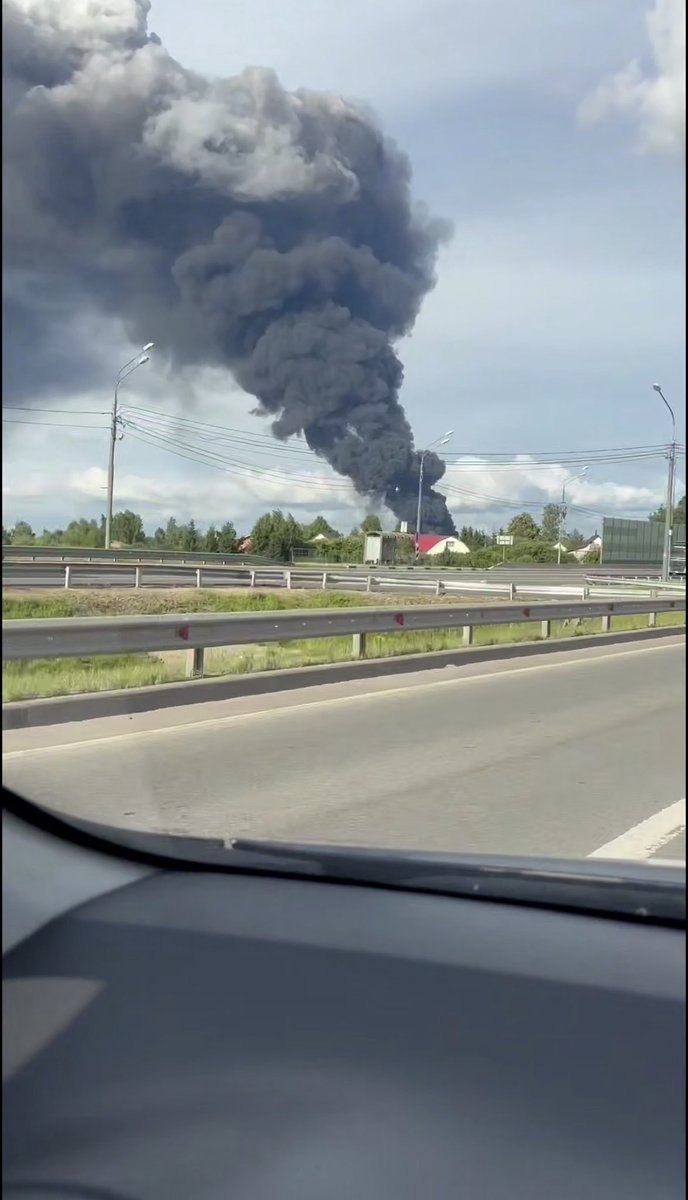
On 10 July 2026, Ukrainian forces escalated their kinetic campaign against Russian strategic infrastructure with a confirmed Neptune cruise missile strike on the Karachev Elektrodetal plant in Bryansk Oblast. Satellite imagery released by the monitoring channel monitor_the_situation shows the missile impact, confirming the plant— a key supplier of components for Russia’s defence industry— was hit in late June. No casualties were reported, but the damage underscores a widening strike envelope that now reaches deep into Russian territory.
🟠 **Ukraine Strikes Russia's Karachev Elektrodetal Plant with Neptune Missile**
Ukrainian Defense Forces struck Russia’s Karachev Elektrodetal plant, a key supplier for Russia's defence industry, with a Neptune missile in late June, confirmed by satellite images.
Source: https://t.me/monitor_the_situation/24344
Neptune Missile Strike on Karachev Elektrodetal Plant
The Karachev facility, located in the city of Karachev, Bryansk Oblast, produces precision‑machined parts for artillery and missile systems. The Neptune missile, a sea‑launched, subsonic cruise weapon supplied to Ukraine by Western partners, travelled over 1,200 km to reach the target. While the strike did not result in reported fatalities, the plant’s operational capacity is expected to be temporarily reduced pending damage assessments and repairs. The incident marks the first confirmed use of a Neptune missile against a high‑value industrial target inside Russia, expanding the tactical options available to Ukrainian forces.
UAV Campaign Against Russian Refineries
Parallel to the missile strike, a series of unmanned aerial vehicle (UAV) attacks have been documented across several Russian oil‑refining hubs. At 13:11:53 UTC, drones struck the Omsk refinery, forcing a partial shutdown of the NORSI complex and reducing gasoline output by an estimated 35 percent. Similar attacks were reported in Saratov, Tver, Stavropol, Krasnodar, Tatarstan, Bashkortostan, and the Moscow region. Ukrainian President Volodymyr Zelensky publicly declared that “all Russian refineries are now within range of Ukrainian drones,” a claim supported by the cumulative loss of roughly one‑third of Russia’s daily gasoline production.
In Stavropol Krai, drone strikes on local refineries triggered a sharp rise in fuel prices, with retail gasoline reaching 150 rubles per litre (approximately $7.50 per gallon). The price surge reflects both the immediate supply shortfall and broader market anxiety about the sustainability of Russia’s fuel‑distribution network.
Impact on Fuel Prices and Production
The combined effect of refinery outages and logistical disruptions has forced Russian authorities to reallocate fuel stocks from less‑affected regions. The Omsk and Saratov facilities, traditionally key suppliers for the Siberian and Ural markets, are now operating at reduced capacity, prompting a redistribution of gasoline from the Volga and Central districts. Analysts estimate that the shortfall could translate into a 10‑15 percent increase in national fuel prices over the next month if the UAV campaign persists.
Naval and Maritime Disruptions
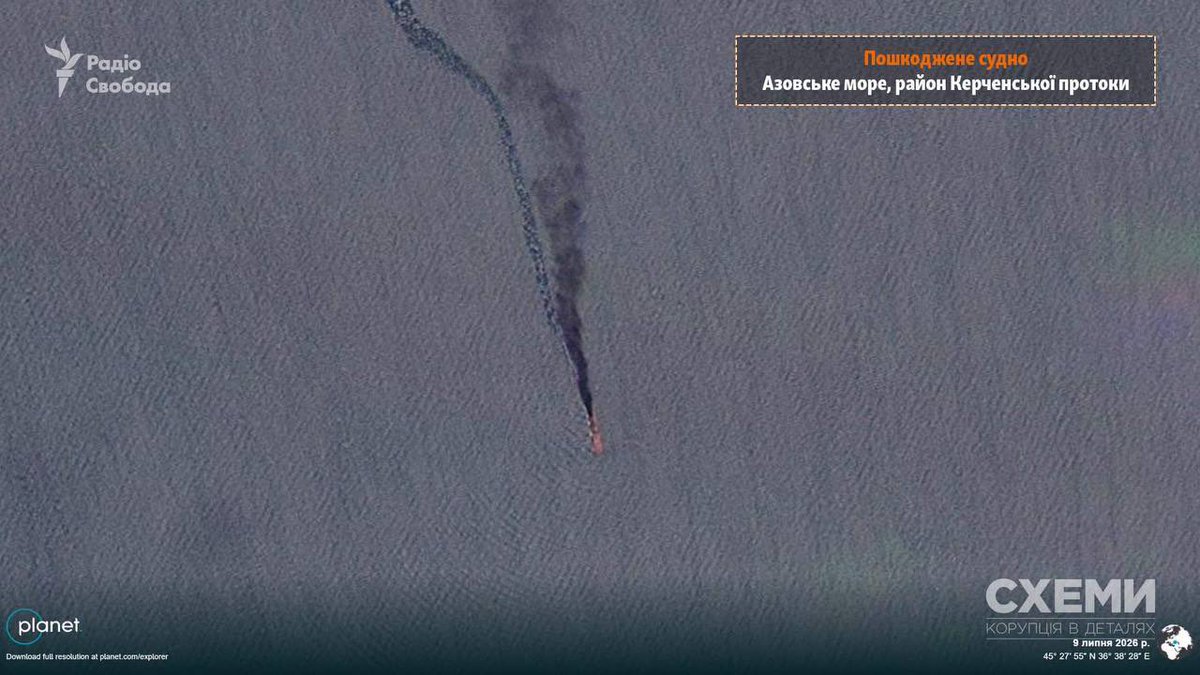
Ukrainian drone operations have also targeted Russia’s maritime assets. At 12:37:52 UTC, a drone strike near the Kerch Strait ignited a tanker belonging to Russia’s “shadow fleet” and damaged a second vessel. Satellite imagery confirms the fire and the extent of the damage, highlighting the vulnerability of vessels operating in the narrow waterway that links the Black Sea to the Sea of Azov.
Further attacks were recorded in the Sea of Azov, where Ukrainian drones struck 35 Russian vessels over a 96‑hour period. The strikes have compelled Russian authorities to shift fuel transport to smaller coastal and riverine craft in an effort to bypass the drone‑blocked routes to Crimea. Despite the tactical adaptation, the increased reliance on low‑capacity vessels raises concerns about the efficiency and safety of fuel deliveries to the peninsula.
In the Black Sea, Ukrainian drone activity exposed structural weaknesses in the Russian Navy’s defensive posture. The attacks have forced the Russian fleet to adopt more cautious operating patterns, limiting its ability to project power in the region.
Novorossiysk, a major Black Sea port in Krasnodar Krai, experienced a series of precise drone incursions that revealed gaps in coastal surveillance and air‑defence coverage. Ukrainian forces have reportedly upgraded their UAV payloads, enabling more destructive strikes against port infrastructure and anchored vessels.
Strategic Implications
The coordinated use of long‑range cruise missiles and swarms of attack drones demonstrates a significant evolution in Ukraine’s kinetic capabilities. By striking both high‑value industrial assets and dispersed logistical nodes, Ukrainian forces are applying pressure across multiple layers of Russia’s war‑fighting apparatus. While casualty figures remain low for most of the reported incidents, the economic and operational impact is measurable: refinery output down 35 percent, fuel prices spiking in several regions, and naval logistics forced onto less efficient channels.
Russian defence officials have not publicly disclosed the exact damage assessments for the Karachev plant or the refineries, but the pattern of attacks suggests a deliberate effort to erode Russia’s ability to sustain its military operations through domestic production and supply chains. The continued availability of Western‑supplied weapons, such as the Neptune missile, combined with indigenous drone development, provides Ukraine with a flexible strike toolkit that can be rapidly redeployed to new targets.
Monitoring agencies, including @NOELreports on X (formerly Twitter), continue to track the incidents in real time, offering satellite verification and on‑the‑ground footage. The open‑source nature of the reporting underscores the transparency of the conflict’s kinetic dimension, allowing analysts to assess the immediate effects on Russia’s strategic infrastructure.