In a series of coordinated unmanned aerial vehicle (UAV) operations on July 10, 2026, Ukrainian forces targeted multiple Russian military and industrial sites, inflicting material damage and temporarily halting production at key energy facilities. The most consequential strike was the overnight attack on the Ilsky Oil Refinery in Krasnodar Krai, which ignited a large fire and prompted immediate alerts on Russian state‑linked Telegram channels.
Ilsky Oil Refinery, Krasnodar Krai
At approximately 01:10 UTC, Ukrainian drones struck the Ilsky Oil Refinery, a major processing plant in the southern Russian city of Ilsky, Krasnodar Krai. The impact set several storage tanks ablaze, producing a visible plume of smoke that was reported by the Telegram channel monitor_the_situation (source: https://t.me/monitor_the_situation/24317). The channel posted a brief video showing flames licking the refinery’s perimeter and noted that emergency crews were dispatched to contain the blaze.
"Fire reported at Ilsky refinery, Ukrainian drones confirmed. Local authorities are working to extinguish the fire," read the post.
No casualties were reported in the immediate aftermath, and Russian officials have not released official damage assessments. However, the refinery processes roughly 5 million tonnes of crude annually, and any interruption could affect regional fuel supplies and export revenues. The strike underscores Ukraine’s expanding capability to project UAV power deep into Russian territory, beyond the frontlines.
Azov Fuel Terminal, Rostov Oblast
Shortly after the Ilsky incident, at 04:03 UTC, a second UAV sortie targeted a fuel terminal in the port city of Azov, Rostov Oblast. According to the same Telegram source (https://t.me/monitor_the_situation/24323), the drones delivered precision strikes that ignited storage tanks containing diesel and gasoline. A short video accompanying the post showed flames erupting from the terminal’s western side, with smoke rising over the harbor.
"Ukrainian drones have set fire to the Azov fuel terminal. Firefighters are on site," the channel reported.
Again, no injuries were reported, and Russian authorities have not confirmed the extent of the damage. The terminal is a logistical hub for fuel shipments to Russian military units operating in the Southern Military District, suggesting a potential short‑term disruption to fuel logistics for frontline forces.
Samara Oblast Oil Refinery Production Halt
At 03:02 UTC, Ukrainian UAVs attacked a key oil refinery in Samara Oblast, prompting an immediate shutdown of production. The incident was highlighted by the monitoring channel and cross‑referenced by Kyiv‑based outlet Kyiv Independent (source: https://t.me/monitor_the_situation/24320). The refinery, which processes roughly 3 million tonnes of crude per year, was forced to cease operations for safety inspections and damage control.
"Ukrainian drone attack on Samara refinery forces production halt," the post read.
While the exact nature of the damage remains undisclosed, the shutdown indicates a successful penetration of Ukrainian UAVs into the industrial heartland of the Russian Federation, an area previously considered relatively secure from direct aerial attacks.
Pokrovsk Frontline Drone Strikes
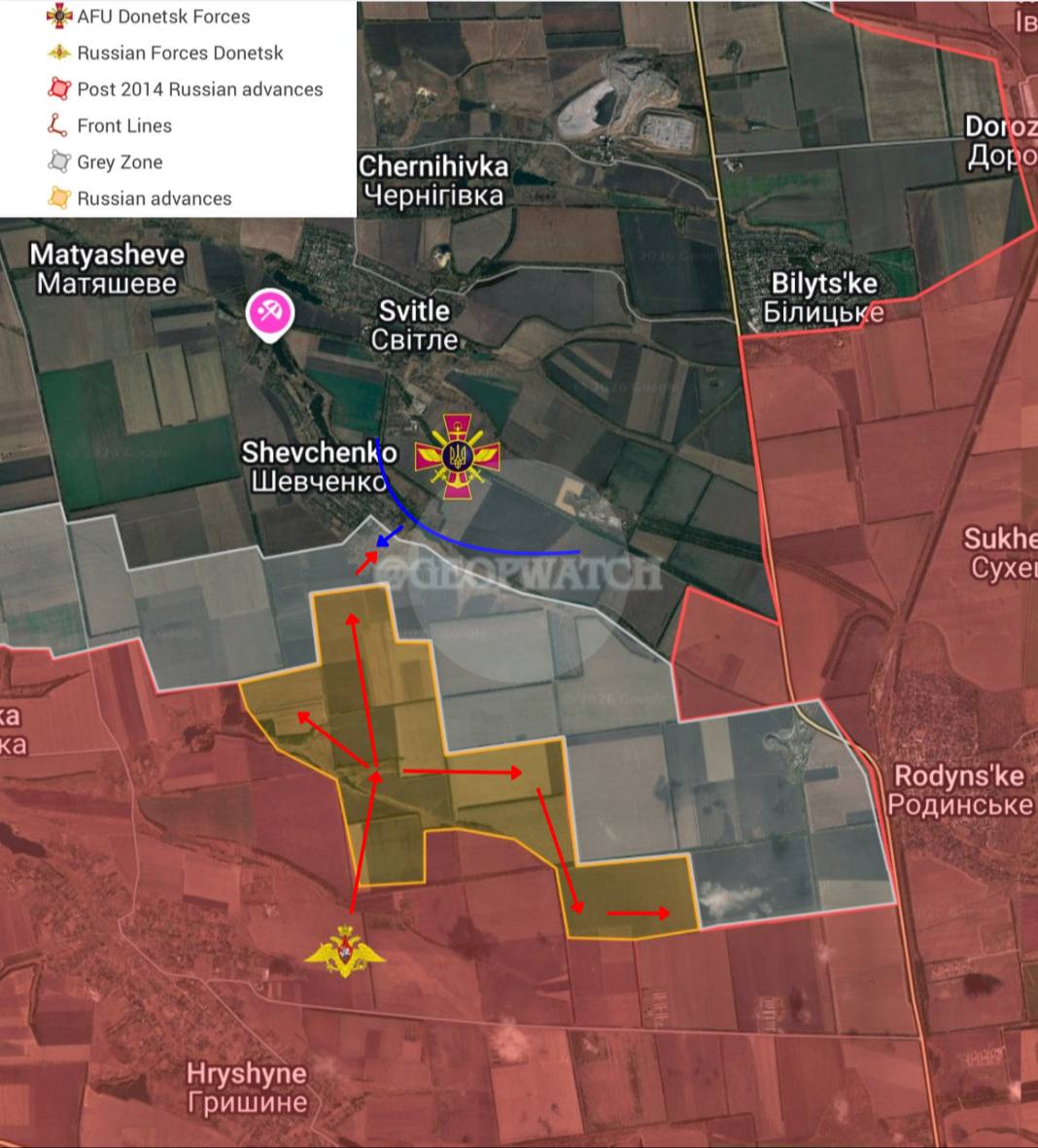
In the Donetsk Oblast theater, Ukrainian drones engaged Russian positions north of Pokrovsk at 05:25 UTC. The GeoPWatch channel reported that Russian forces, advancing into the southern residential district of Shevchenko, encountered UAV strikes that damaged forward‑deployed units and forced a temporary pause in their push (source: https://t.me/GeoPWatch/36954). Photographic evidence posted alongside the report showed smoke and debris near a makeshift command post.
"Ukrainian drones hit Russian positions in Shevchenko area, slowing their advance," the channel noted.
No casualty figures were released, but the incident demonstrates the continued utility of UAVs in shaping tactical outcomes on the ground, especially in contested urban‑peripheral zones.
Strategic Implications
The synchronized nature of these attacks—spanning three separate Russian regions and a frontline sector—highlights a shift in Ukrainian operational doctrine toward high‑value, high‑impact UAV missions. By targeting oil refineries and fuel depots, Kyiv aims to erode Russia’s energy‑related revenue streams and strain logistical support for its armed forces. Simultaneously, the Pokrovsk strike illustrates the dual role of drones in both strategic sabotage and direct battlefield interdiction.
Russian authorities have yet to issue a unified response, but the pattern of strikes suggests that Ukrainian UAV capabilities have expanded in range, precision, and coordination. The lack of reported casualties may reflect either successful avoidance of personnel or limited disclosure by Russian media. Nonetheless, the material damage to critical infrastructure could have cascading effects on regional fuel availability, industrial output, and the broader war economy.