On 10 July 2026 the Russian Aerospace Forces escalated their kinetic operations in Ukraine, deploying FAB‑500 glide bombs against several high‑value targets. Five FAB‑500 UMPK bombs struck a raised river crossing near Mayaku in the Donetsk People’s Republic, four destroyed a personnel shelter of the 159th Separate Motorized Brigade near Zakharovka in Kharkiv Oblast, and a further strike hit a drone command post near Rublene. The coordinated attacks demonstrate a shift toward precision‑guided munitions aimed at disrupting Ukrainian mobility and command‑and‑control assets.
Source: intelslava
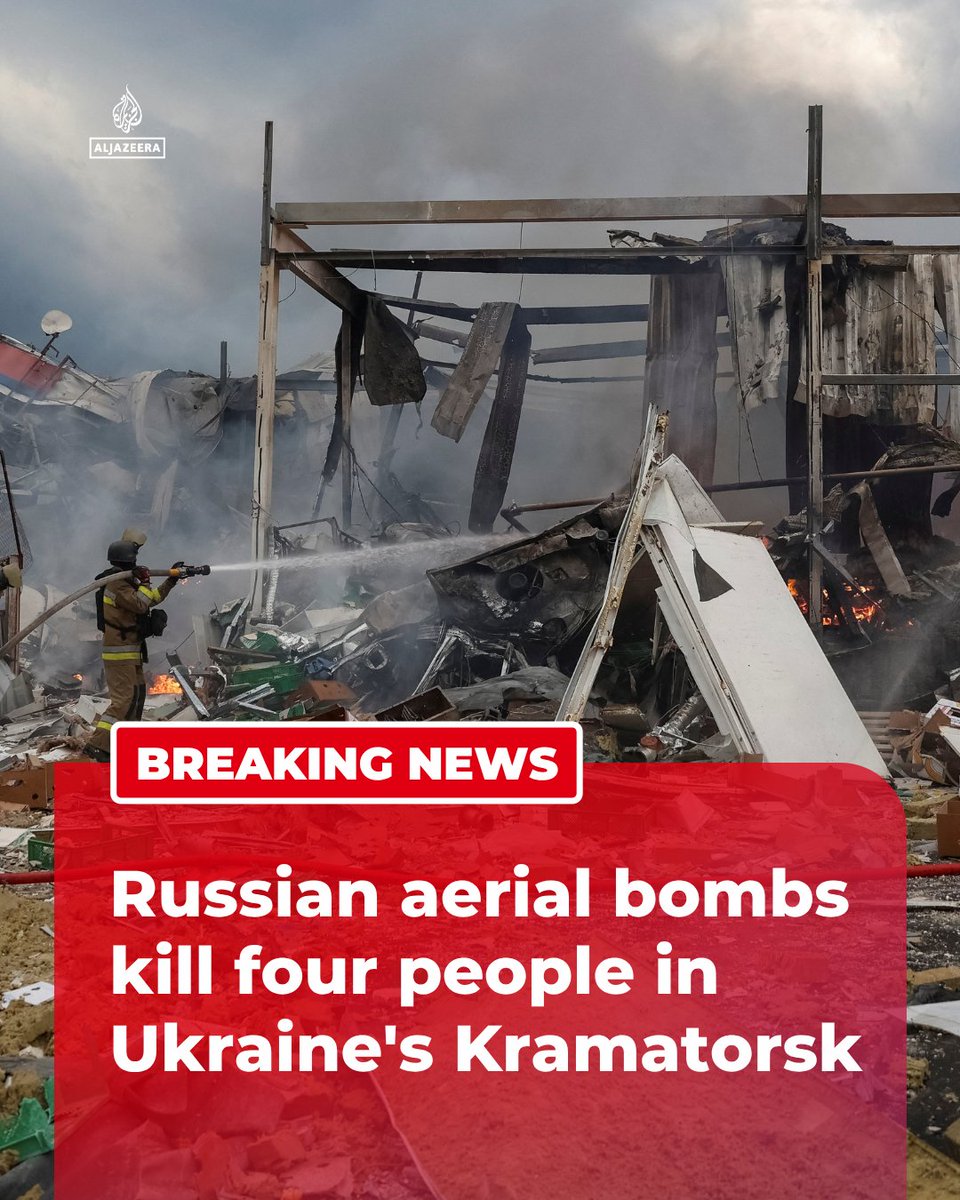
Kramatorsk Airstrike Causes Civilian Fatalities
At 14:50 local time Russian aerial bombs hit the industrial city of Kramatorsk in Donetsk Oblast, killing four civilians and wounding nine. The strike, reported by the regional governor, used conventional aerial bombs rather than glide‑bomb technology. The casualties included a teenager, underscoring the persistent risk to non‑combatants in contested urban areas.
Source: monitor_the_situation
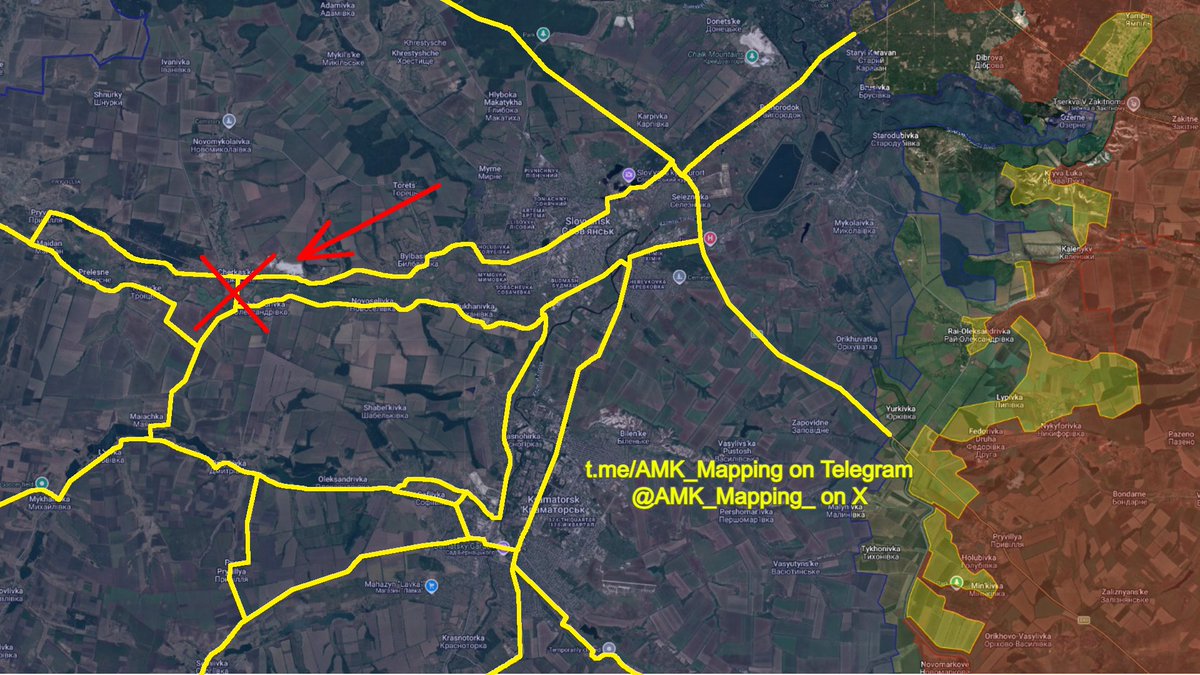
Infrastructure Damage Extends to Donetsk’s Bridge Network
Earlier in the day, Russian KAB glide‑bombs damaged a bridge between Cherkaske and Oleksandrivka, west of Slovyansk. The strike disrupted a key transport corridor used for military logistics and civilian traffic, highlighting the strategic focus on infrastructure interdiction.
Source: monitor_the_situation
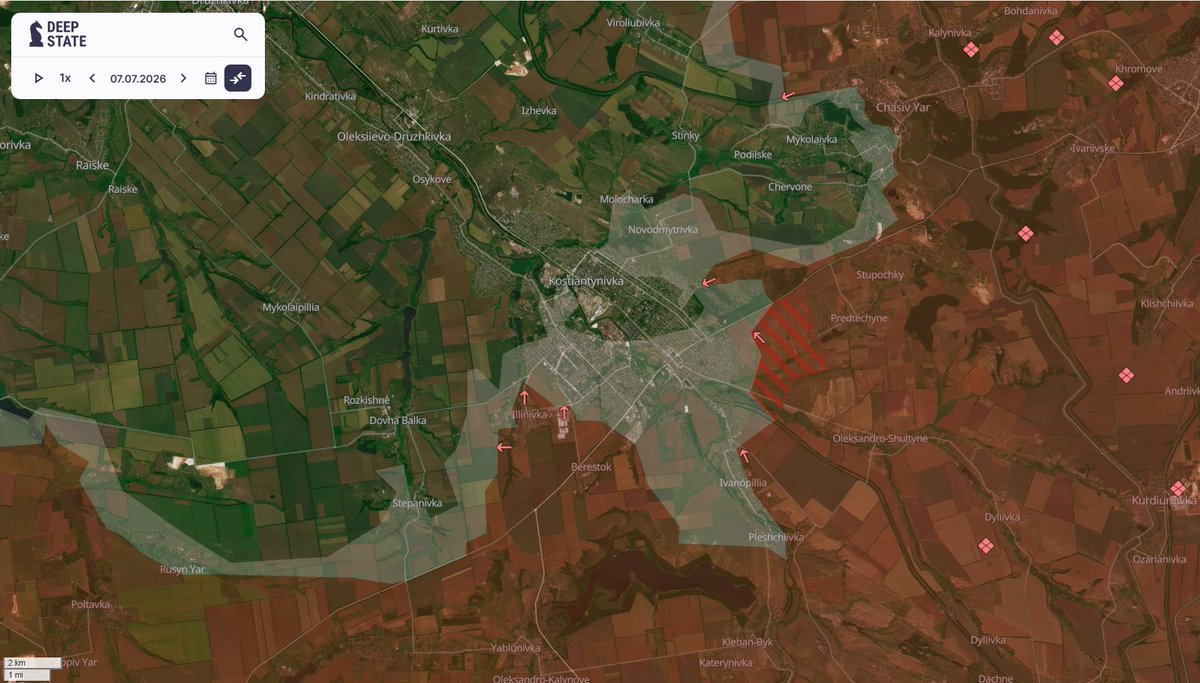
Russian Ground Advances Near Kostyantynivka and Into Kharkiv Oblast
Telegram monitoring indicated that Russian forces advanced near Kostyantynivka in Donetsk and pushed further into Kharkiv Oblast. The movement follows a pattern of combined arms operations that integrate artillery, air support, and mechanized infantry to seize forward positions.
Source: monitor_the_situation
Ukrainian Drone Counter‑Actions
Ukrainian forces employed unmanned systems to contest Russian logistics. An FPV drone ambushed and killed a Russian soldier in Kostyantynivka, while a separate drone strike set fire to two Russian transport vehicles on the E58 supply route in Zaporizhzhia Oblast. These actions illustrate Ukraine’s increasing reliance on low‑cost, high‑impact UAVs to degrade enemy supply lines.
Sources: monitor_the_situation, monitor_the_situation
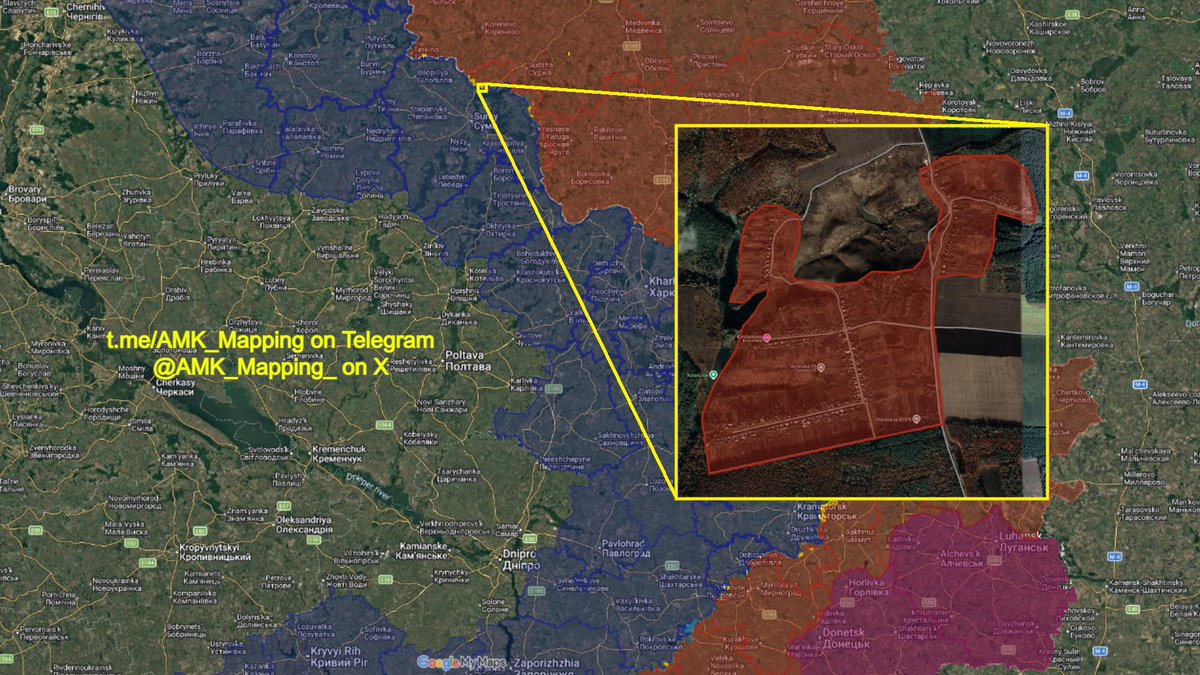
Capture of Korchakivka After Prolonged Fighting
Russian forces captured the village of Korchakivka in Sumy Oblast after two months of combat. The settlement, with a pre‑war population of roughly 293, now lies under Russian control, extending their foothold in the northern front.
Source: monitor_the_situation
Additional Air Operations Across Multiple Fronts
Other notable Russian air actions included:
- Three separate strikes on Hrushivka (Kharkiv), Orikhiv (Zaporizhzhia), and Dobropillia (Donetsk) employing a Kh‑39 LMUR missile and FAB‑250 glide bombs.
- Damage to a bridge near Slovyansk by KAB glide‑bombs.
Source: intelslava
Contextual Overview
The kinetic events of 10 July occur against a backdrop of intensified Russian offensive posture following the failure of diplomatic initiatives earlier in the month. The deployment of FAB‑500 glide bombs marks a notable escalation in munition sophistication, allowing strikes from beyond the range of most Ukrainian air defenses. Simultaneously, Ukrainian UAV activity demonstrates adaptive tactics to offset Russian firepower advantages.
"The use of FAB‑500 glide bombs indicates a deliberate effort to neutralize Ukrainian mobility corridors while minimizing exposure of Russian aircraft to air‑defense systems," noted a senior analyst at a Kyiv‑based think‑tank.
Overall, the day's kinetic engagements underscore a pattern of Russian attempts to degrade Ukrainian operational depth, while Ukrainian forces continue to leverage asymmetric aerial capabilities to impose costs on Russian logistics.