On 9 July 2026 a dense cluster of kinetic events unfolded across the Islamic Republic of Iran, involving multiple U.S. airstrikes, Iranian missile and drone launches, and a series of explosions that affected both civilian and military infrastructure. The incidents, reported by a range of open‑source channels, illustrate a rapid escalation of direct kinetic engagement between the United States and Iranian forces, with collateral damage to civilian populations.
U.S. Airstrikes on Iranian Territory
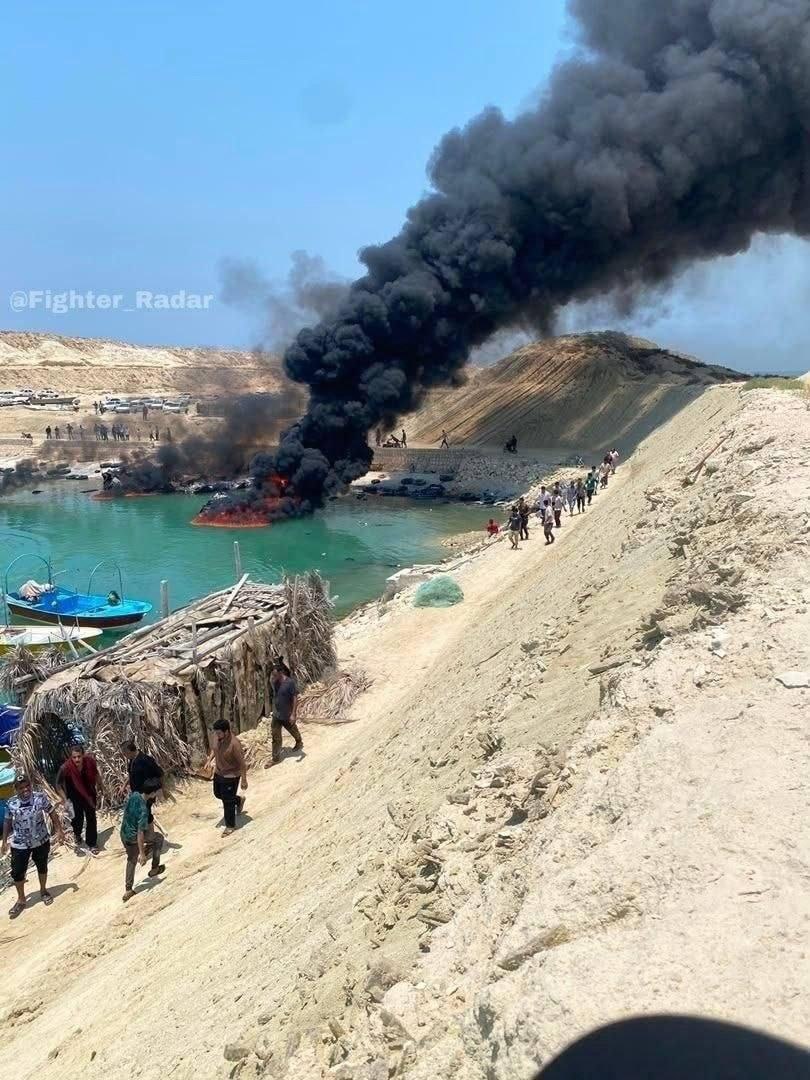
Sir Kish (Sirik) – 11:14 UTC: According to the Telegram channel rnintel, a U.S. strike on the coastal town of Sirik killed three fishermen and injured fifteen others. The operation targeted an unspecified maritime facility, and the casualties were confirmed by local witnesses. The strike marks the first confirmed U.S. use of kinetic force resulting in civilian deaths on Iranian soil on this date.
Shiraz – 11:14 UTC: The channel intelslava posted two photographs indicating that U.S. forces conducted strikes on the city of Shiraz. No casualty figures were released, but the images show damage to urban structures, suggesting a precision‑guided munition was employed.
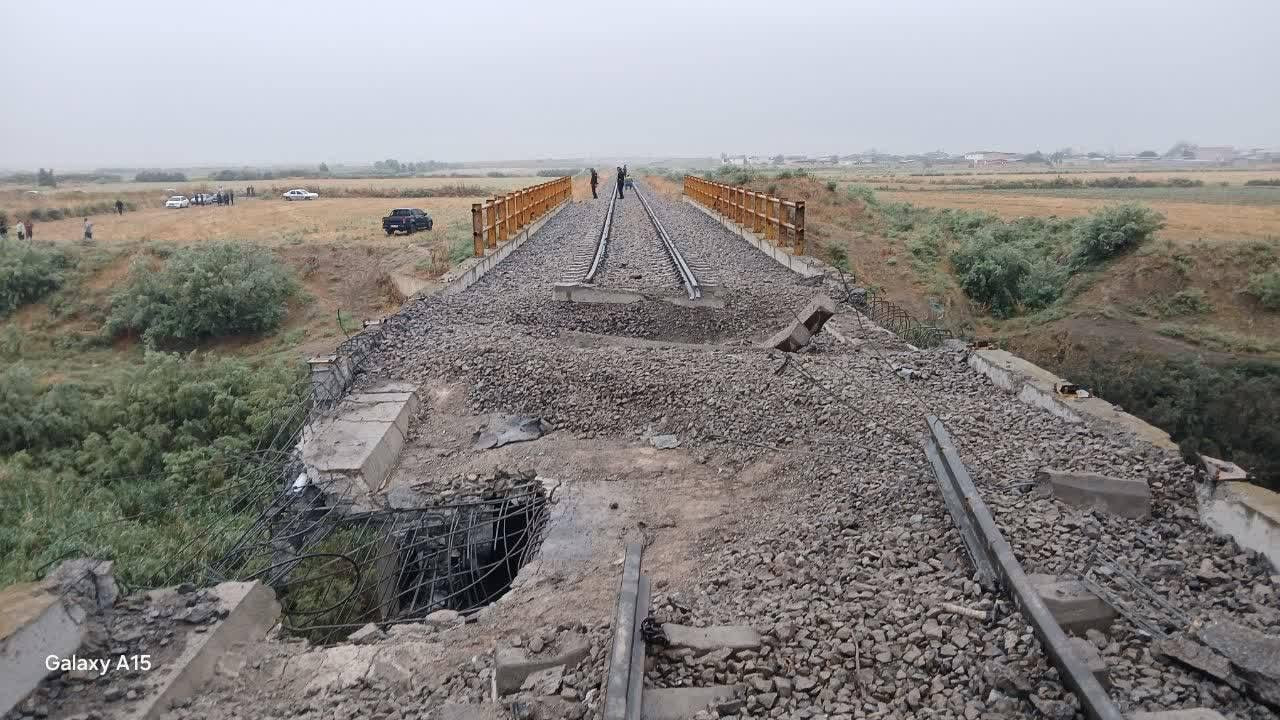
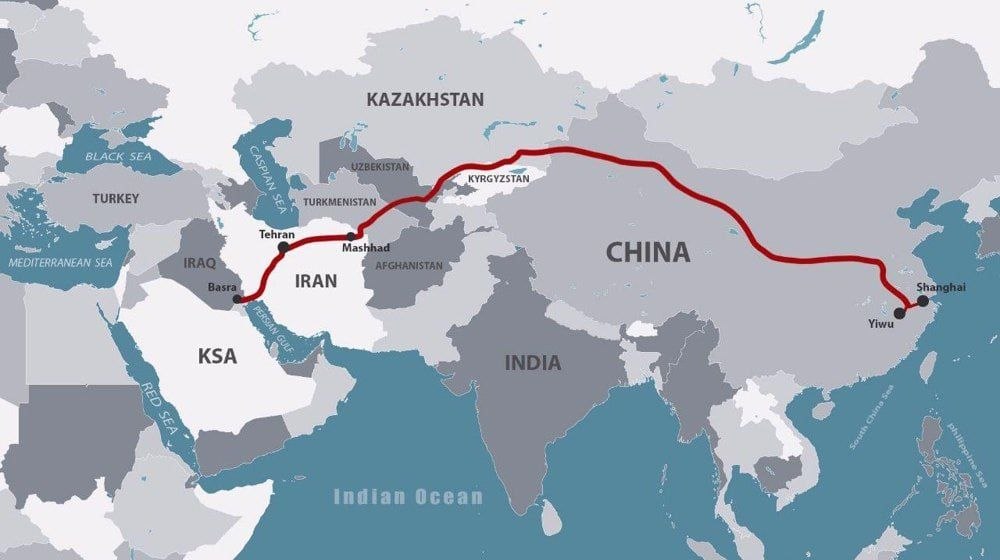
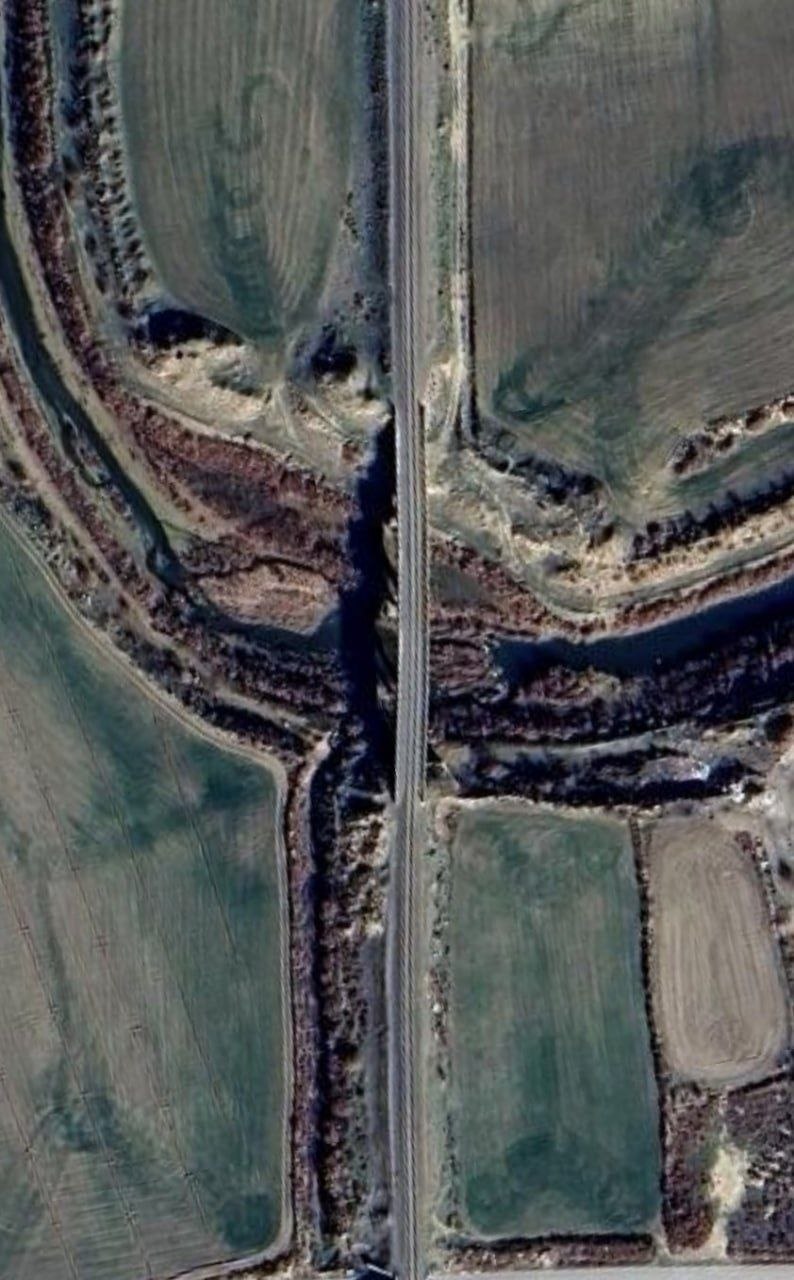
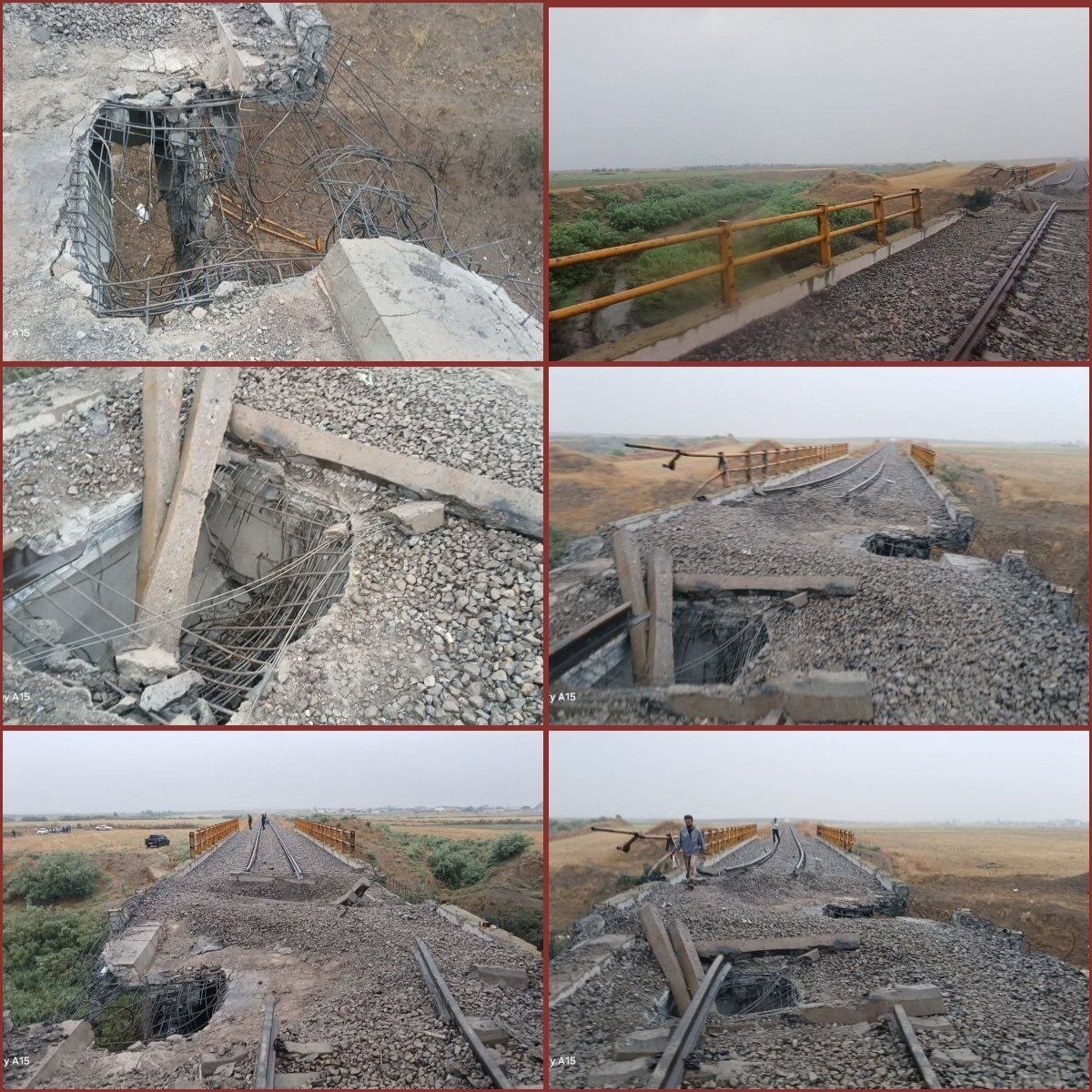
Aq Tekeh Khan railway bridge – 11:59 UTC: The United States Air Force bombed the strategic railway bridge in Golestan Province, a key node of the China‑Turkmenistan‑Iran corridor. Both intelslava and CIG_telegram reported that cruise missiles struck the bridge, disrupting the North‑South transport route used for Russian and Chinese freight. No immediate casualty data were provided, but the bridge’s destruction represents a significant logistical blow.
Bandar Abbas – 14:27 UTC: BellumActaNews reported that eight Iranian Air Force and Navy personnel were killed during U.S. attacks on military sites in Bandar Abbas and Bushehr. The Iranian Army’s public relations office confirmed the deaths, describing the personnel as defending “critical military installations.”
Bushehr – multiple strikes: A series of U.S. attacks targeted the Bushehr region. intelslava documented four airstrikes on 8 July 2026, while rnintel noted that the perimeter of the Bushehr Nuclear Power Plant was hit by “American enemy projectiles.” The Bushehr Deputy Governor’s Office issued a statement confirming the impact, though no radiation release was reported.
Isfahan – 06:31 UTC: According to monitor_the_situation, U.S. strikes in Isfahan left at least 47 people hospitalized. The report cites Al Jazeera as a secondary source, indicating that the injuries resulted from blast effects rather than direct targeting of civilian structures.
"The perimeter of Bushehr Nuclear Power Plant was hit by American enemy projectiles," – Bushehr Deputy Governor’s Office, cited by rnintel.
Iranian Retaliatory Missile and Drone Operations
In response to the U.S. kinetic campaign, Iranian forces launched a series of missile and drone attacks targeting U.S. assets and regional interests.
Strait of Hormuz – 11:16 UTC: intelslava reported that Iran launched missiles and drones toward U.S. vessels transiting the Strait of Hormuz. The missiles were identified as surface‑to‑air types, while the drones were described as loitering munitions. No U.S. vessels reported damage, but the launch underscores Tehran’s intent to contest maritime navigation routes.
Kurdistan Region, Iraq – 11:07 UTC: rnintel confirmed an ongoing Iranian drone campaign against Kurdish opposition groups operating in Iraq’s Kurdistan region. The drones were reportedly armed with small payloads, and the strikes aimed at command‑and‑control facilities.
Ballistic missile launches – 09:53 UTC (Arak) and 11:01 UTC (Urmia): GeoPWatch documented renewed launches of medium‑range ballistic missiles from Arak and Urmia. The Arak launch was described as a “breakthrough” in Iran’s missile program, while the Urmia launch signaled a broader pattern of missile activity across the country’s western front.
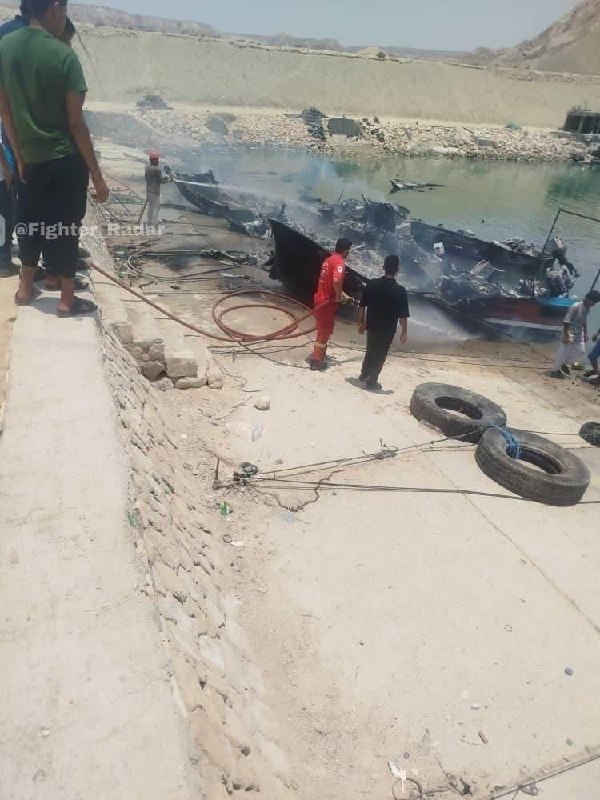
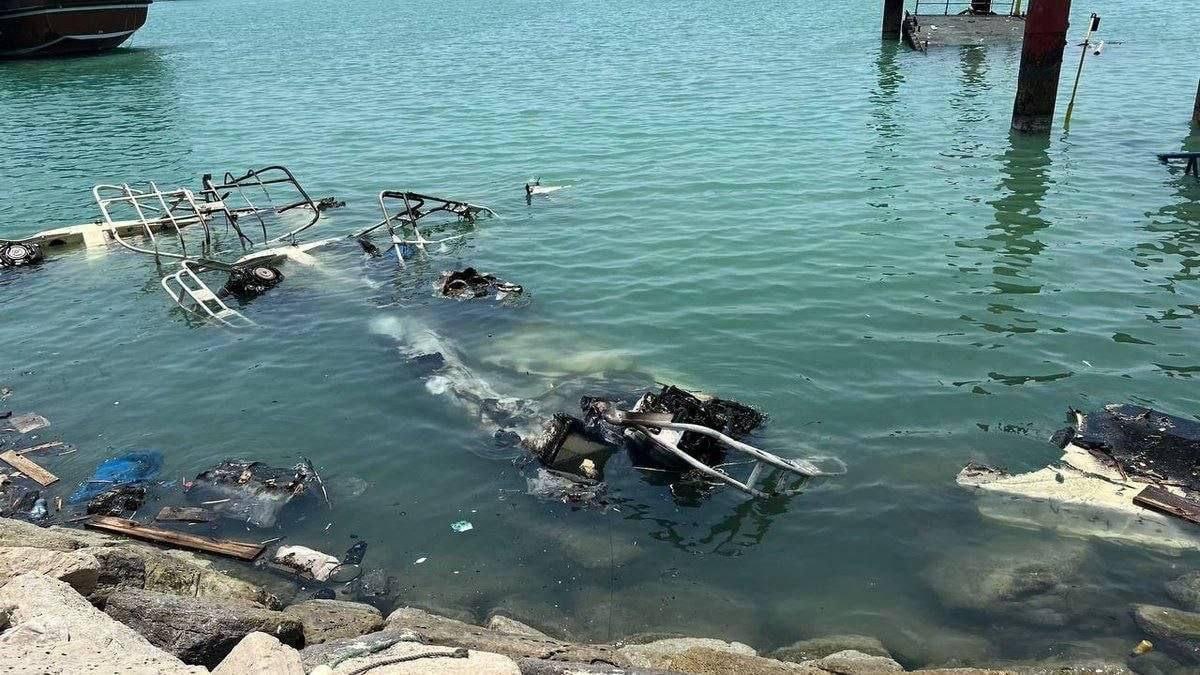
Rocket attacks on Gulf and regional sites – 11:38 UTC (Bandar Abbas) and 15:42 UTC (Aq Tekeh Khan bridge): CIG_telegram reported that U.S. missiles burned several fishing boats in Bandar Abbas, while a separate U.S. strike targeted the railway bridge in Golestan Province. Iranian state media framed these actions as “high‑value military targets,” though the impact on civilian vessels was evident.
Domestic Explosions and Infrastructure Damage
Multiple reports indicated unexplained explosions across Iran’s interior, suggesting either secondary effects of the airstrikes or independent sabotage.
Shiraz – 10:44 UTC: GeoPWatch posted brief footage of explosions in Shiraz, with no immediate attribution.
Khuzestan and Kermanshah – 11:33 UTC: intelslava reported heavy explosions in both provinces, noting that the incidents coincided with the timing of U.S. missile launches in the region.
Bandar Abbas – 10:30 UTC: rnintel described simultaneous explosions in the city and surrounding countryside, aligning with the earlier U.S. missile strike on fishing vessels.
Analytical Assessment
The concentration of kinetic events on 9 July 2026 reflects a coordinated escalation by the United States to pressure Iran’s strategic infrastructure, particularly the China‑Turkmenistan‑Iran rail corridor and maritime facilities in the Persian Gulf. The civilian casualty count, highlighted by the three fishermen killed in Sirik, raises the risk of broader regional backlash and potential violations of international humanitarian law.
Iran’s retaliatory missile and drone launches, while not resulting in confirmed U.S. casualties, demonstrate a willingness to employ asymmetric capabilities to contest U.S. freedom of navigation in the Strait of Hormuz and to target perceived adversaries in neighboring Iraq. The renewed ballistic missile activity from Arak and Urmia suggests an operational tempo increase that could strain regional missile defense systems.
Overall, the events of 9 July illustrate a rapid escalation cycle: U.S. kinetic strikes provoke Iranian missile and drone responses, which in turn may invite further U.S. action. The pattern underscores the fragility of the de‑escalation mechanisms currently in place and highlights the potential for civilian harm as kinetic operations intersect with densely populated coastal and urban areas.