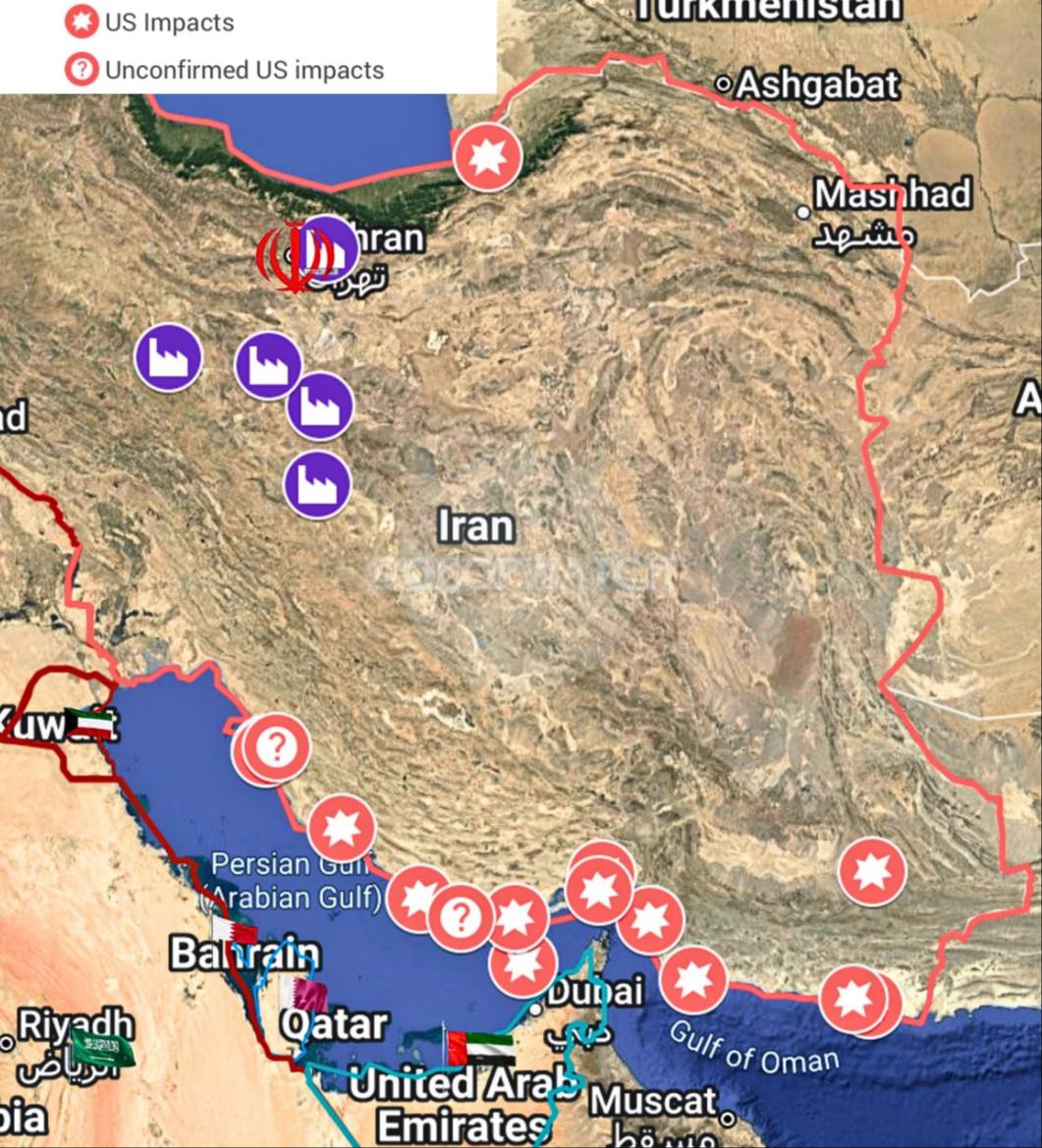
On 9 July 2026 a series of high‑intensity kinetic events unfolded across the Islamic Republic of Iran, involving coordinated United States airstrikes and Iranian missile launches. The operations spanned from the southwestern city of Ahvaz to the northeastern railway hub of Mashhad, and from the Persian Gulf coast to the northern Golestan province. The breadth of the attacks underscores a rapid escalation in the ongoing U.S.–Iran confrontation.
US Airstrike in Ahvaz Inflicts Casualties
At 03:51 local time a United States airstrike struck the city of Ahvaz in Khuzestan Province, wounding several civilians. The incident was reported by Fars News Agency and corroborated by the Telegram channel monitor_the_situation (source: https://t.me/monitor_the_situation/24205). While exact casualty numbers were not disclosed, the report confirmed multiple injuries and the presence of video evidence. The strike marks the latest direct U.S. kinetic action on Iranian soil since the conflict intensified earlier in the month.
Bridge and Railway Targets in Mashhad and Northeastern Iran
Two separate U.S. air operations targeted critical transport infrastructure near Mashhad. At 02:51 the United States bombed bridges on roads leading to the city, a claim echoed by the Islamic Revolutionary Guard Corps (IRGC) in a statement posted to the same monitoring channel (source: https://t.me/monitor_the_situation/24201). Later, at 00:16 a U.S. strike hit a railway bridge north of Mashhad; no casualties were reported (https://t.me/monitor_the_situation/24179). These attacks aim to disrupt logistical routes that could support Iranian military movements.
"In the name of Allah, Qasim al‑Jabarin… Fight them, and Allah will punish them with your hands," the IRGC quoted in a Telegram broadcast, framing the missile and drone campaign as a defensive jihad (source: https://t.me/GeoPWatch/36926).
Coordinated Missile and Drone Strikes Across Southern and Eastern Provinces
Iran’s own missile and drone operations were reported by the Telegram channel GeoPWatch at 02:22. The IRGC claimed a combined missile‑drone strike against U.S. targets in the southern coastal region and the eastern provinces, asserting the destruction of “infrastructure” (source: https://t.me/GeoPWatch/36926). Specific weapon types were listed as missiles and drones, though no casualty figures were provided.
US Missile Campaign Targets Multiple Coastal Cities and Islands
At 01:32 the United States launched a broad missile attack covering at least twelve locations, including Bushehr, Bandar Kangan, Bandar‑e‑Lengeh, Bandar Abbas, Sirik, Bandar‑e‑Jask, Konarak, Chabahar, Iranshahr, Aq Qala, Qeshm Island, Abumusa, and Lavan. Impacts on Choghadak and Kish Island remained unconfirmed (https://t.me/GeoPWatch/36920). The operation also confirmed a strike on a railway bridge in Aq Qala, Golestan Province, marking the first verified U.S. hit on that northern transport corridor.
Specific Port and Railway Infrastructure Hits
At 01:12 a U.S. strike hit Shahid Beheshti Port in Chabahar, Sistan and Baluchestan Province, with video footage circulated by the CIG_telegram channel (https://t.me/CIG_telegram/79182). The same channel later posted footage of U.S. cruise missiles striking the Aq‑Teke‑Khan railway bridge in Aq Qala County at 00:44, confirming the use of cruise‑missile technology (https://t.me/CIG_telegram/79167).
Iranian Ballistic Missile Salvos from Domestic Launch Sites
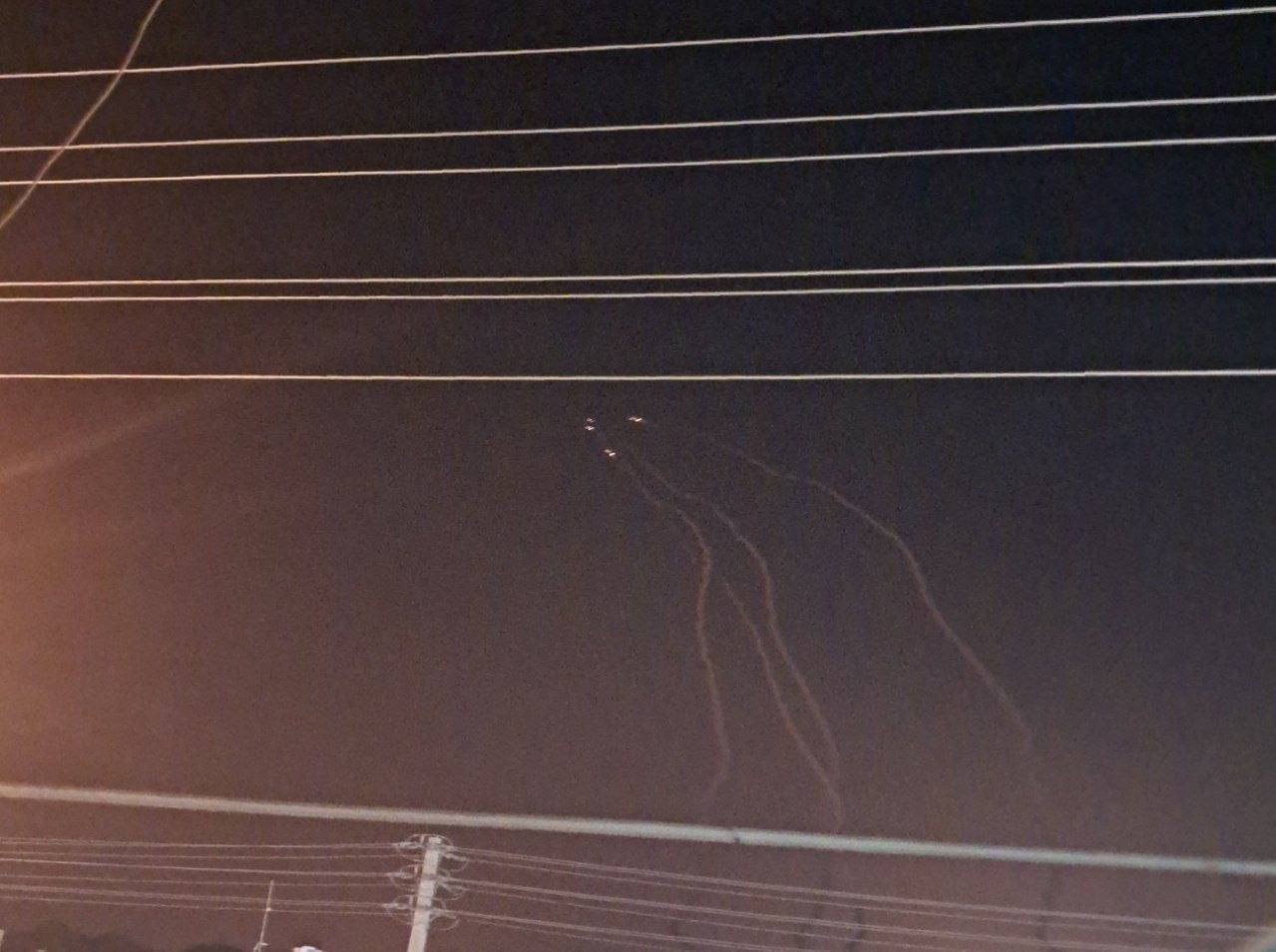
Multiple ballistic missile launches were documented by the intelslava channel. At 01:07 Iran fired a salvo of ballistic missiles from Khuzestan Province, and at 00:59 three missiles were launched from the Najafabad launch site in central Iran (https://t.me/intelslava/90084; https://t.me/intelslava/90080). Additional launches from Bushehr were captured at 00:37, showing at least five missiles in flight (https://t.me/intelslava/90070). These launches appear to be a direct response to the U.S. air campaign, though no immediate impact assessments were released.
Casualties and Civilian Impact
The only confirmed fatality on 9 July was reported by Al Jazeera at 00:00, where a U.S. bomb in Bushehr resulted in one death and caused power outages in Chabahar (https://www.aljazeera.com/news/liveblog/2026/7/9/iran-war-live-one-killed-as-us-bombs-bushehr-chabahar-bandar-abbas-jask?traffic_source=rss). The Ahvaz strike wounded several civilians, but the exact number remains unverified.
Regional Context and Strategic Implications
U.S. Central Command (CENTCOM) later released a summary of two days of strikes that hit approximately 170 Iranian military targets along the coast and in the Strait of Hormuz (https://t.me/rnintel/63766). The targets included air‑defense systems, coastal surveillance assets, missile and drone storage sites, and naval capabilities. While the July 9 events represent a single day, they reflect a broader campaign to degrade Iran’s ability to threaten commercial shipping in the strategically vital Strait of Hormuz.
Collectively, the July 9 kinetic actions illustrate a rapid escalation in kinetic exchanges, with both sides employing a mix of air, missile, and drone assets across a wide geographic spectrum. The attacks have already produced civilian casualties, disrupted critical transport corridors, and heightened the risk of further retaliation.