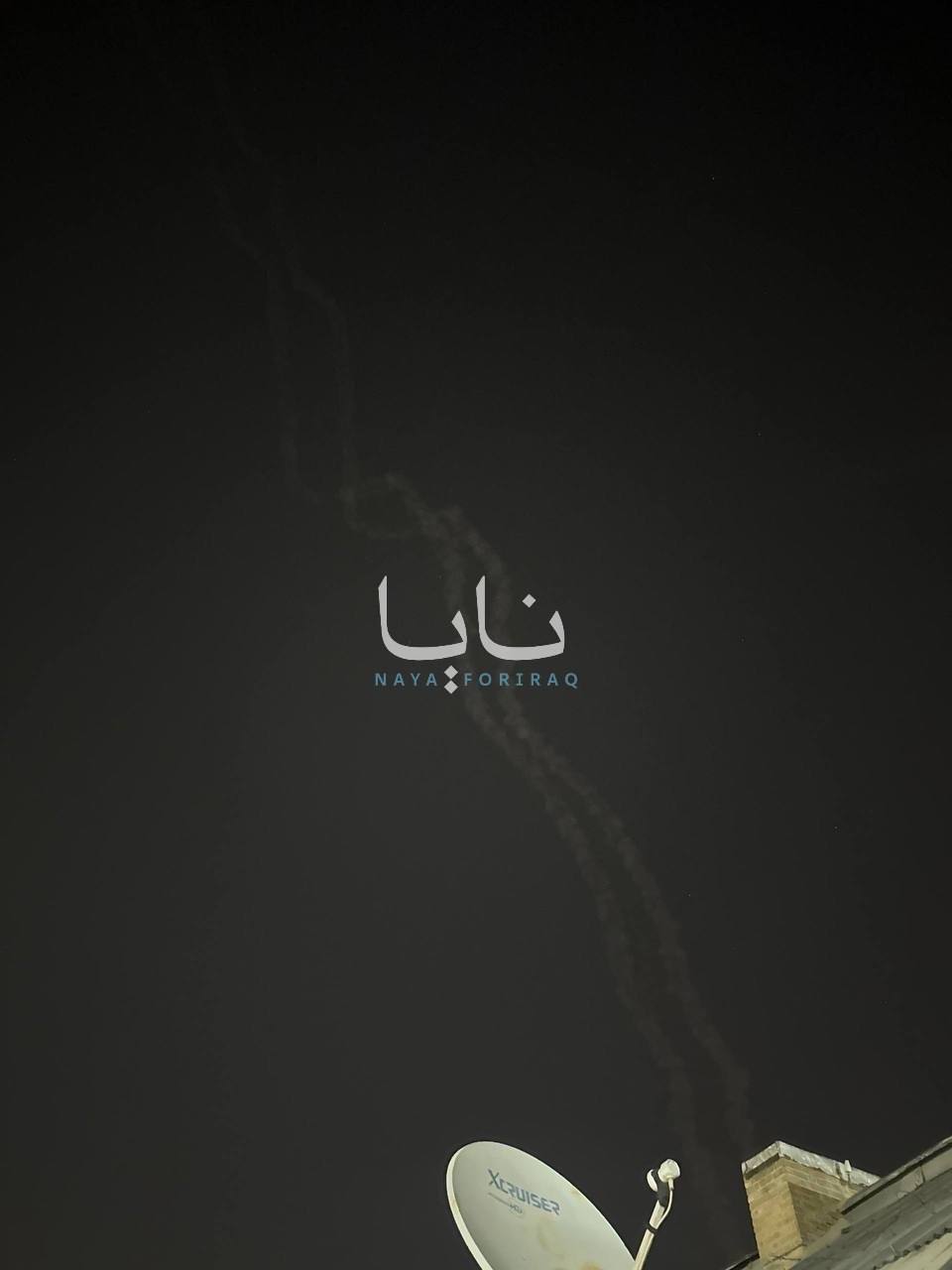
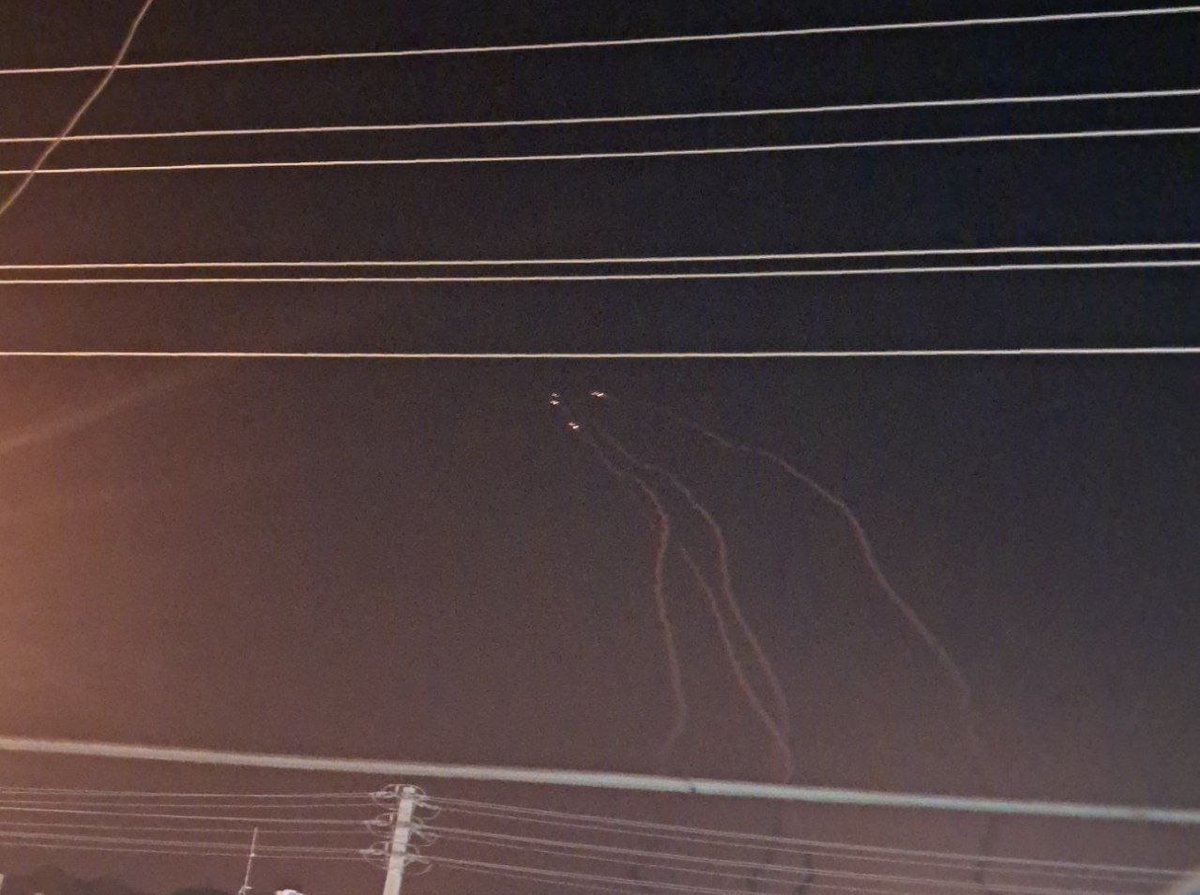
Iran initiated a coordinated missile and drone attack on Kuwait and Bahrain at 00:51 UTC on 9 July 2026, employing short‑range ballistic missiles launched from the Bushehr naval base. The strike targeted Ali Al Salem Air Base in Kuwait and Naval Support Activity Bahrain, as well as the Sheikh Isa Air Base. Casualty figures were not released in the initial reports. The event was documented by the Telegram channel monitor_the_situation and accompanied by a photo of the launch site (source).
Timeline of Kinetic Events
Following the initial barrage, the Islamic Revolutionary Guard Corps (IRGC) publicly confirmed the operation, stating that the missile and UAV attack was directed at U.S. installations in Kuwait and Bahrain and warning of further strikes if the United States continued to target Iran (CIG_telegram). At 01:24 UTC, a ballistic missile reportedly impacted Bahrain, marking a significant escalation (monitor_the_situation).
🇺🇸❌🇮🇷 — CENTCOM has published footage of several U.S. strikes against Iran.
At 03:45 UTC, the U.S. Central Command (CENTCOM) released video showing multiple American strikes on Iranian targets, confirming a direct kinetic response (CIG_telegram). Earlier, at 00:17 UTC, Axios reporter Barak Ravid reported that U.S. forces bombed two bridges in Iran, employing conventional bombs (rnintel).
Air‑Defense Interceptions
Iranian projectiles were intercepted in several Gulf locations. At 01:57 UTC, a ballistic missile was intercepted over Bahrain (CIG_telegram), and at 02:10 UTC three additional interceptions were reported in Bahrain (CIG_telegram). Kuwait’s air defenses engaged incoming Iranian projectiles at 00:57 UTC, with video evidence of missile engagements (CIG_telegram). A low‑altitude UAV wave was also intercepted over Bahrain at 01:57 UTC, indicating continued Iranian UAV activity (CIG_telegram).
Explosions and Infrastructure Damage
Multiple explosions were reported across Bahrain throughout the day. At 00:45 UTC, a series of blasts were logged (CIG_telegram), followed by renewed explosions at 01:48 UTC (GeoPWatch). At 00:57 UTC, smoke was observed rising from the U.S. Navy Fifth Fleet headquarters in Manama, captured on video (CIG_telegram), suggesting possible damage to the command facility.
Regional Alerts and Civilian Precautions
In response to the heightened threat environment, Qatar’s Interior Ministry issued a high‑security alert at 00:39 UTC, urging residents to remain indoors (monitor_the_situation). Bahrain’s state media reported that sirens were activated across Gulf states after a U.S. attack on Iran, attributing the alerts to Iranian missiles (JPost). Additional missile launches were reported heading toward the United Arab Emirates at 00:38 UTC (GeoPWatch) and ballistic missiles were noted en route to Qatar and Bahrain at 00:36 UTC (idkunim_il).
Parallel Conflict Zones
Separate from the Gulf escalation, Ukrainian drone operations continued against Russian energy infrastructure. At 04:31 UTC, Ukrainian drones struck two oil tankers near Taganrog, Russia, igniting fires, one of which remained active (monitor_the_situation). Earlier, at 03:37 UTC, a long‑range Ukrainian drone attack set fire to the TVERNEFTEPRODUKT oil depot in Tver, Russia (monitor_the_situation). A subsequent strike on the LUKOIL‑Yugnefteprodukt depot in Mikhailovsk, Stavropol Krai, also caused a large fire without casualties (monitor_the_situation). In West Africa, a Turkish‑made TB2 UCAV operated by the Malian Armed Forces eliminated Azawad Liberation Front militants, destroying their vehicle (intelslava).
Assessment
The coordinated Iranian missile and UAV campaign against Kuwait and Bahrain represents the most severe kinetic event recorded on 9 July 2026, prompting a rapid escalation involving U.S. airstrikes, extensive regional air‑defense activity, and civilian security alerts. The multiplicity of interceptions demonstrates that Gulf air‑defense networks remain functional, yet the repeated missile launches and unexplained explosions at critical U.S. facilities underscore a heightened risk of further escalation. Simultaneous Ukrainian drone attacks on Russian oil assets illustrate the broader, multi‑theater nature of kinetic operations in the current conflict environment.