On July 9, 2026, Ukraine experienced a series of high‑intensity kinetic events that underscored the evolving dynamics of the conflict. The deadliest incident occurred in the capital region, where a Russian ballistic missile combined with an unmanned aerial vehicle (UAV) strike killed three civilians—including a teenager and a paramedic—and injured sixteen others. The attack, reported by monitor_the_situation, illustrates the continued use of long‑range precision weapons against densely populated areas.
Major Kinetic Incidents
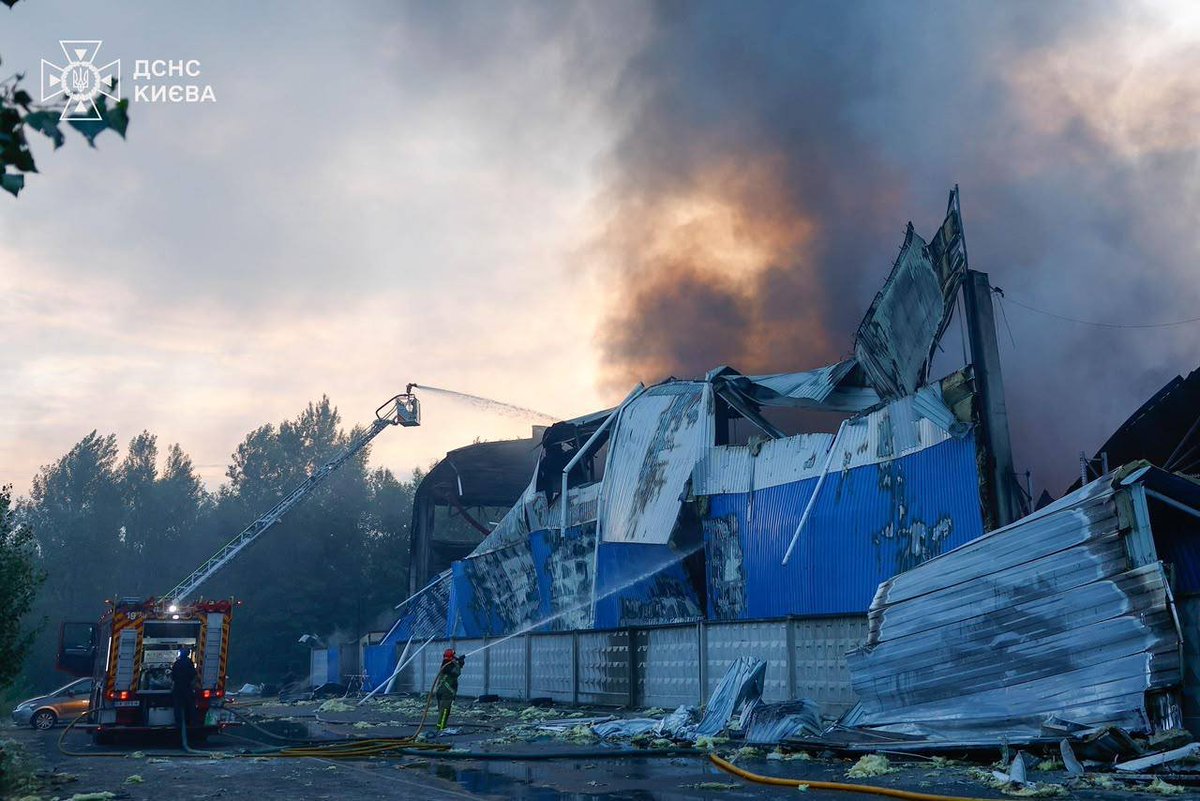
Kyiv ballistic missile and UAV strike – At approximately 12:11 UTC, a Russian ballistic missile, supported by a UAV, impacted the Kyiv metropolitan area, resulting in three fatalities and sixteen injuries. The strike targeted civilian infrastructure and prompted immediate emergency response.
"Ballistic Missile and UAV Strikes Kill 3 in Kyiv Region" – monitor_the_situation, 2026‑07‑09T12:11:27The weapons employed were a conventional ballistic missile system and a reconnaissance‑armed drone, indicating a coordinated strike package designed to maximize shock effect.
ATACMS launches from HIMARS in Donetsk Oblast – At 16:45 UTC, Ukrainian forces fired two ATACMS (Army Tactical Missile System) missiles from a HIMARS (High Mobility Artillery Rocket System) platform against Russian positions in Donetsk Oblast. The launch, captured in previously unpublished video footage, demonstrates Ukraine’s expanding long‑range strike capability.
"Ukraine Launches ATACMS Ballistic Missiles at Russian Target in Donetsk Oblast" – monitor_the_situation, 2026‑07‑09T16:45:49No casualty figures were released, but the use of ATACMS marks a significant escalation in the range and precision of Ukrainian firepower.
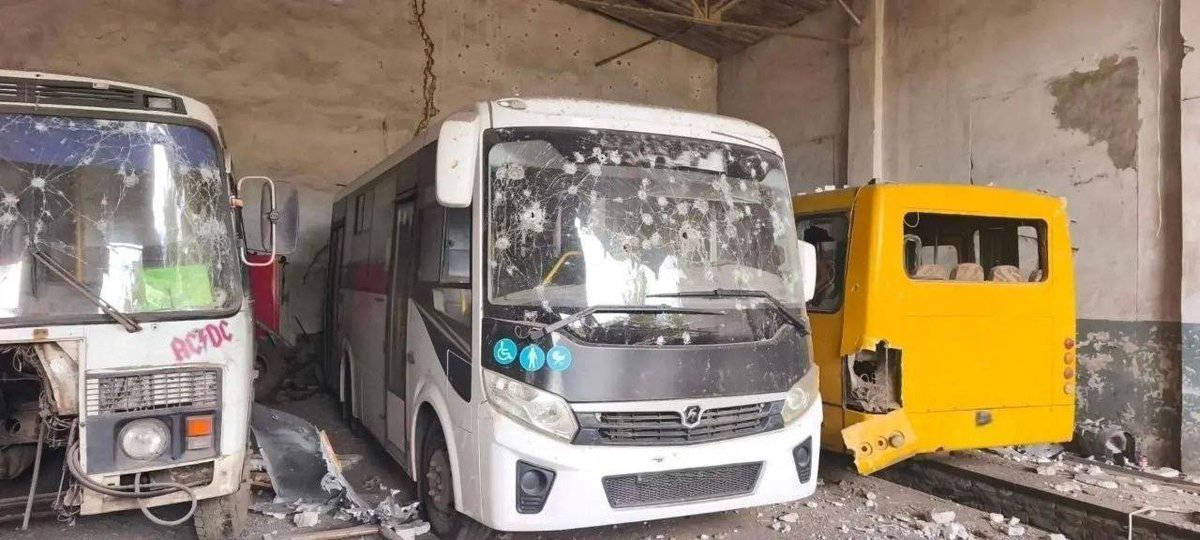
Drone strike on Sokolohirsk, Luhansk Oblast – At 17:12 UTC, a nighttime UAV attack struck the Russian‑held settlement of Sokolohirsk in Luhansk Oblast. The incident, documented with a photograph, did not report casualties but highlighted the vulnerability of rear‑area logistics to low‑cost aerial platforms.
"Drone Strike Hits Sokolohirsk in Luhansk Oblast, Ukraine" – monitor_the_situation, 2026‑07‑09T17:12:56
Ukrainian attack drones on Donbas supply lines – Throughout the day, Ukrainian mid‑range attack drones repeatedly engaged Russian rear‑area supply routes across the Donbas region. Compilation footage shows multiple strikes over several weeks, indicating a sustained campaign to disrupt Russian logistics.
"Ukraine Strikes Russian Supply Lines With Attack Drones in Donbas" – monitor_the_situation, 2026‑07‑09T17:34:42
Russian FPV drone hits Sumy substation – At 12:50 UTC, a Russian first‑person view (FPV) drone collided with a transformer at the Zavodska 110 kV substation in Sumy, igniting a fire and temporarily disabling power distribution. The incident underscores the expanding use of commercial‑grade drones for sabotage of critical infrastructure.
"Russian Drone Strikes Electrical Substation in Sumy, Ukraine" – monitor_the_situation, 2026‑07‑09T12:50:24
Naval drone attack on Russian tanker near Yalta – At 10:18 UTC, a Ukrainian Sea Baby naval drone, operated by the Security Service of Ukraine (SBU), struck the Russian tanker "Blue" in the Black Sea near occupied Yalta. The attack damaged the vessel’s stern despite Russian aviation attempts to intervene.
"Ukrainian Naval Drone Strikes Russian Tanker in Black Sea Near Yalta" – monitor_the_situation, 2026‑07‑09T10:18:23
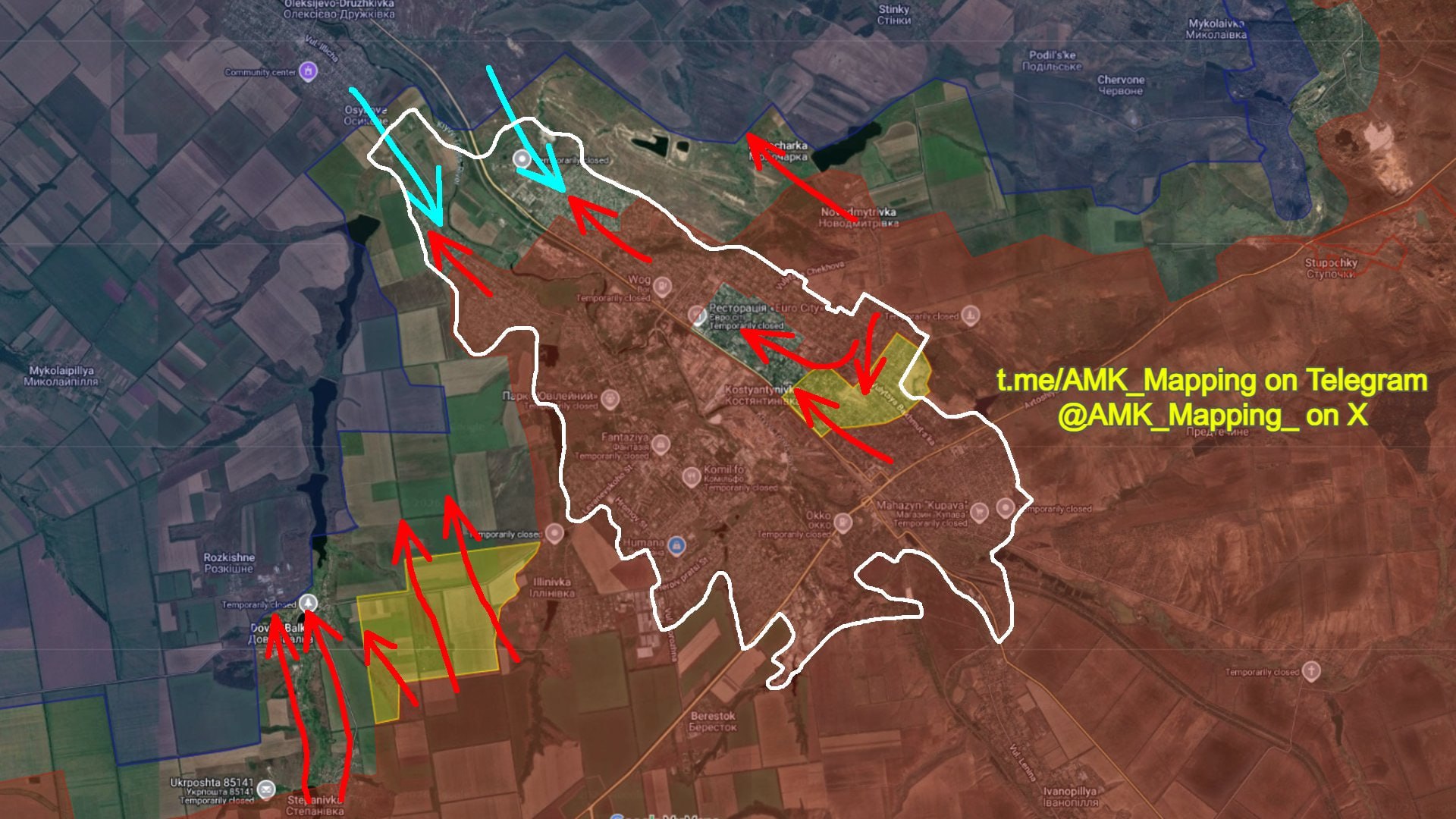
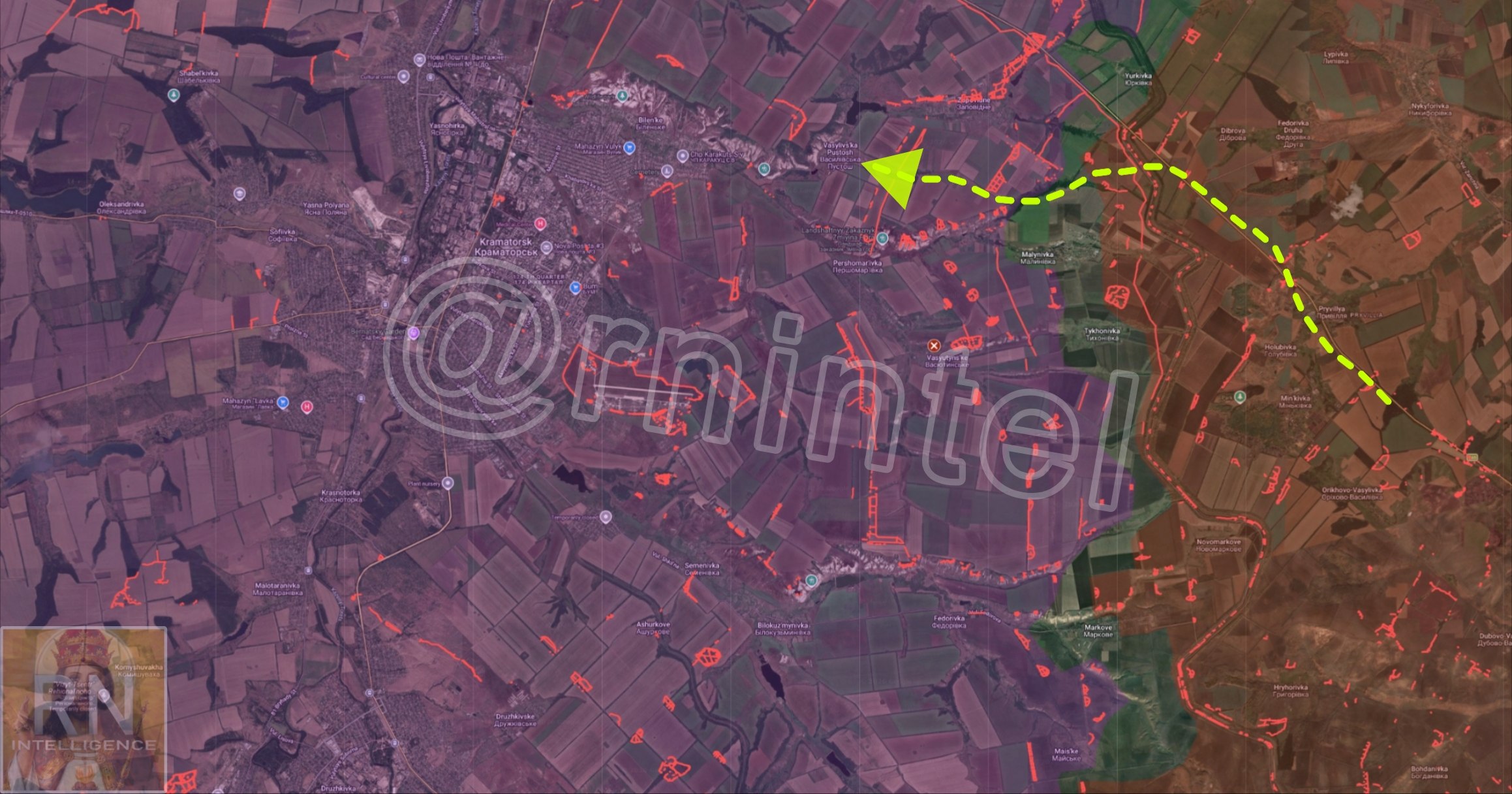
Ground movements in Konstantinovka and Vasilevskaya Pustosh – Ukrainian assault forces redeployed to Konstantinovka, Donetsk Oblast, to conduct clearing operations amid intermingled front‑line positions, while Russian DRG (Druzhina) units remained active near Kramatorsk in Vasilevskaya Pustosh. Both reports, from CIG_telegram and rnintel respectively, indicate a fluid, contested battle space with no clear line of contact.
Analysis of Operational Trends
The July 9 events reveal several converging trends. First, the continued use of ballistic missiles against urban centers demonstrates Russia’s willingness to employ strategic assets to impose civilian casualties and psychological pressure. The integration of UAVs with missile strikes, as seen in Kyiv, suggests a layered approach to target acquisition and damage assessment.
Second, Ukraine’s deployment of ATACMS from HIMARS platforms reflects a maturing long‑range strike capability, likely supplied by Western partners. While casualty data for the Donetsk ATACMS launch remain unavailable, the ability to strike deep behind enemy lines threatens Russian command and control nodes and logistical hubs.
Third, the proliferation of low‑cost drones—both aerial and naval—has expanded the kinetic envelope of the conflict. Ukrainian attack drones targeting Russian supply lines in Donbas, Russian FPV drones sabotaging power infrastructure in Sumy, and the Sea Baby naval drone striking a Russian tanker illustrate a diversification of platforms that can be fielded with minimal logistical footprints.
Fourth, ground‑level movements indicate a persistent stalemate in several sectors, with both Ukrainian and Russian forces operating in close proximity. The redeployment of Ukrainian assault units to Konstantinovka aims to clear infiltrators and re‑establish a defensible line, while Russian DRG activity near Kramatorsk suggests ongoing attempts to secure forward positions.
Operational Implications
For Ukrainian command, the successful ATACMS launches provide a proof‑of‑concept for future deep‑strike missions, potentially compelling Russian forces to disperse assets and reinforce rear‑area defenses. However, the reliance on high‑value missile systems also raises concerns about ammunition sustainability and the risk of counter‑strikes.
For Russian forces, the repeated drone incursions into rear areas highlight a growing vulnerability in logistics and critical infrastructure. Mitigation may require enhanced air‑defense coverage, electronic warfare measures, and hardened facilities to protect power substations and supply depots.
The civilian toll in Kyiv reinforces the need for robust civil defense measures, including early‑warning systems and hardened shelters, especially as missile‑drone combinations become more common.
Finally, the naval drone attack on the tanker "Blue" demonstrates that the Black Sea remains a contested domain. Ukraine’s ability to field Sea Baby drones could force Russian maritime logistics to adopt convoy tactics or increase air‑cover assets, potentially stretching Russian air‑defense resources.