The most lethal kinetic incident recorded in Iran on 8 July 2026 was a United States airstrike on the fishing pier and adjacent military facilities in Bandar Abbas, Hormozgan Province, which left eight people dead. The attack, reported by the intelligence channel intelslava, featured precision strikes on both civilian and military infrastructure, underscoring a marked escalation in U.S. kinetic operations against Iranian targets.
"Footage from yesterday's U.S. airstrikes on the Bandar Abbas fishing pier on Iran's southern coast. In addition to the fishing pier, military facilities were also targeted. So far, eight fatalities have been reported." – intelslava, 14:43 UTC
Pattern of U.S. Aerial Operations Across Iran
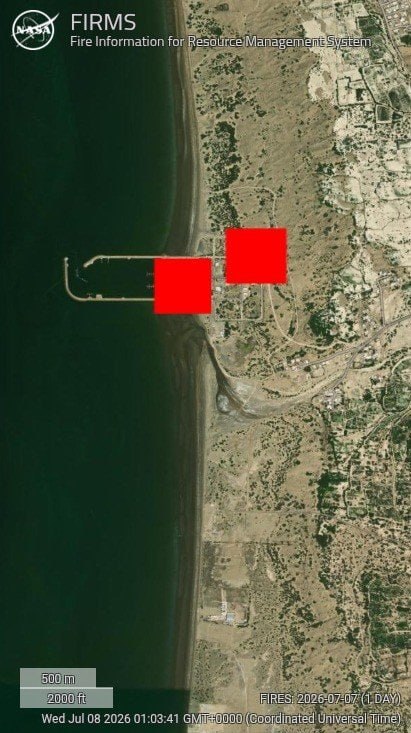
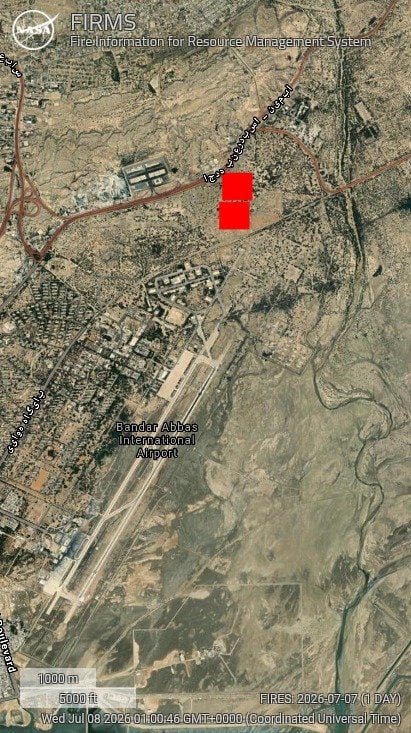
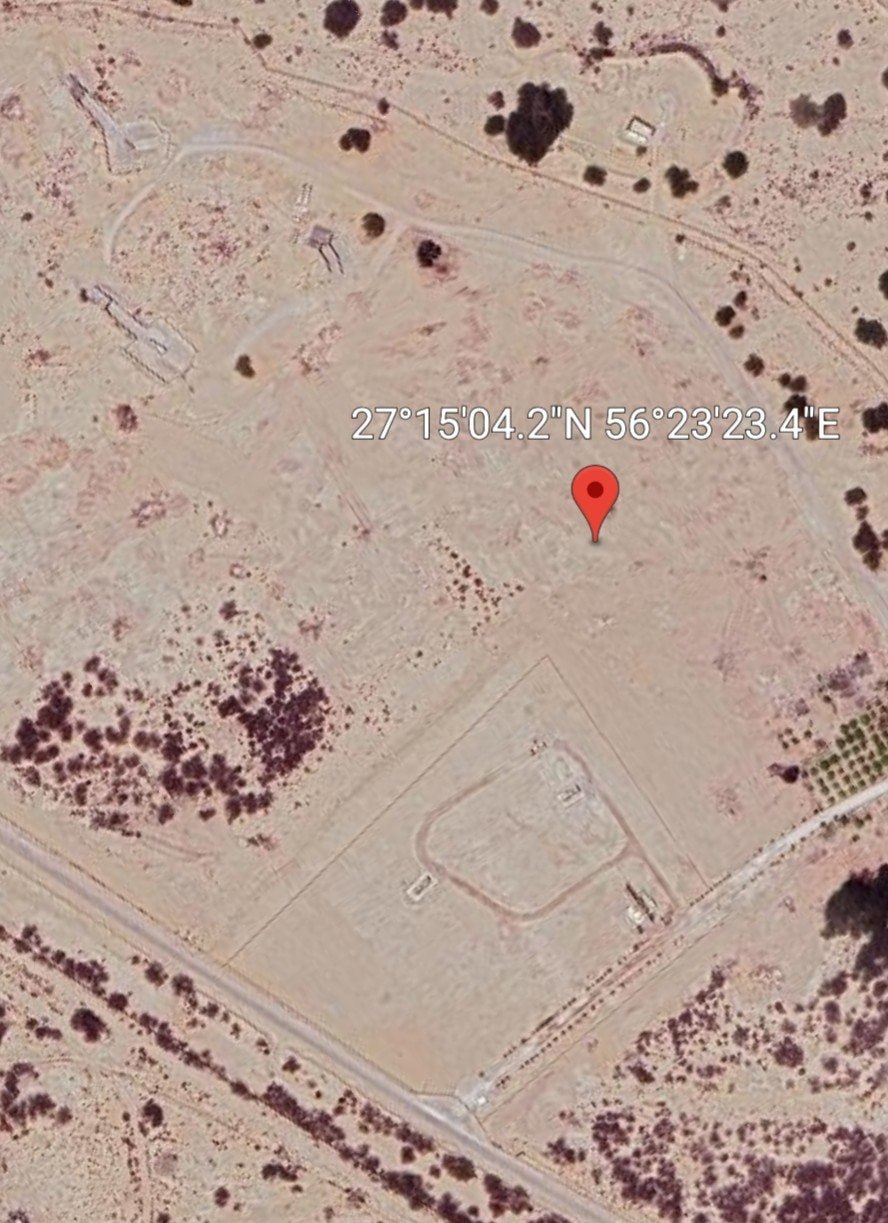
Following the Bandar Abbas strike, a series of coordinated U.S. attacks targeted additional sites in southern Iran. At 09:48 UTC, NASA satellite fire maps confirmed multiple fires at the Bandar Abbas fishing port and the nearby military harbor, corroborating the earlier strike and indicating secondary damage to naval assets. Later, at 09:49 UTC, a U.S. missile hit a former S‑200 surface‑to‑air missile installation north of Bandar Abbas Airport, a location previously used for radar surveillance. The same day, a U.S. drone strike in Bandar Mahshahr, Khuzestan Province, killed an IRGC Navy member, as reported by monitor_the_situation.
"US Drone Strike Kills IRGC Member in Bandar Mahshahr" – monitor_the_situation, 07:29 UTC
Repeated Strikes on the IRGC Sirik Base
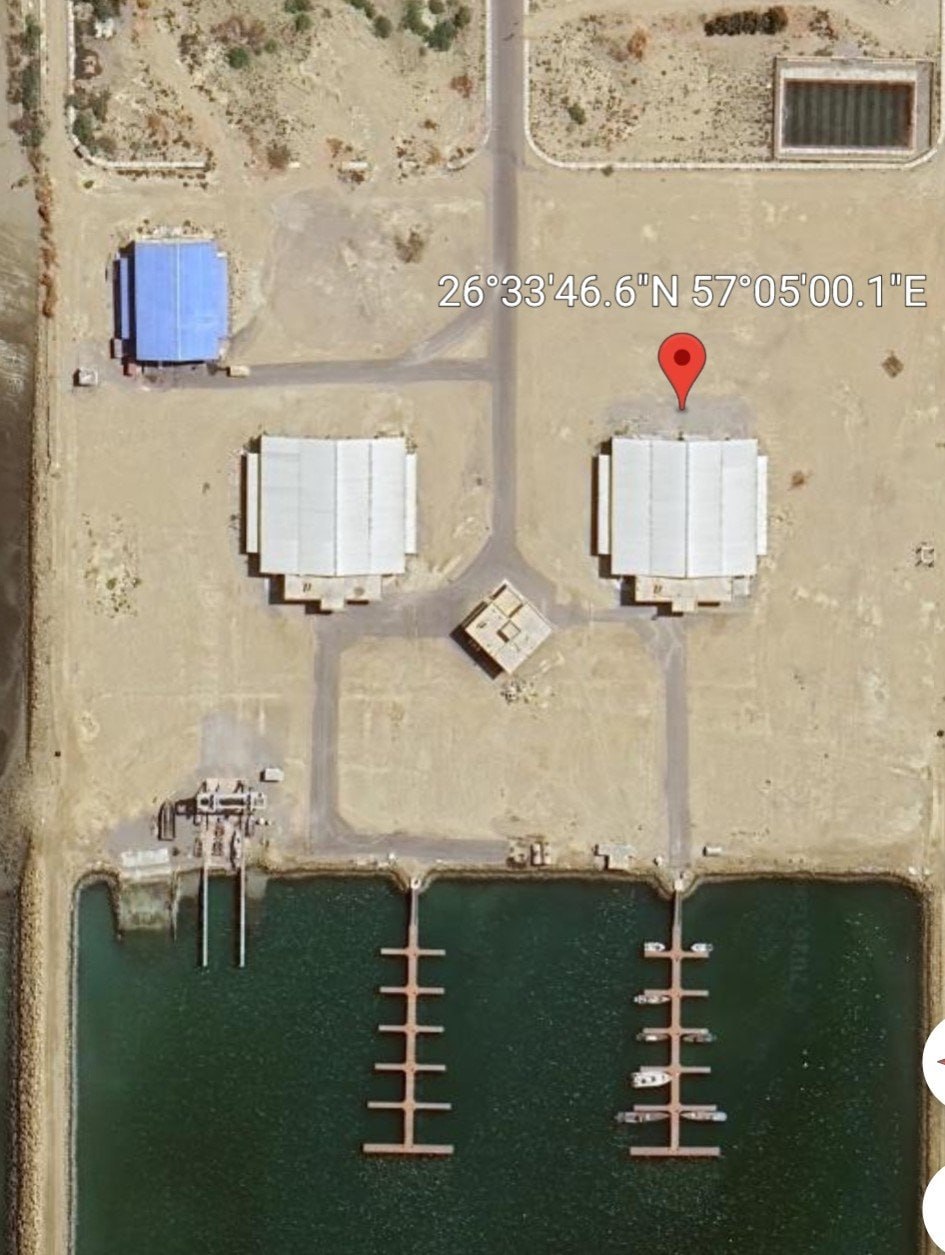
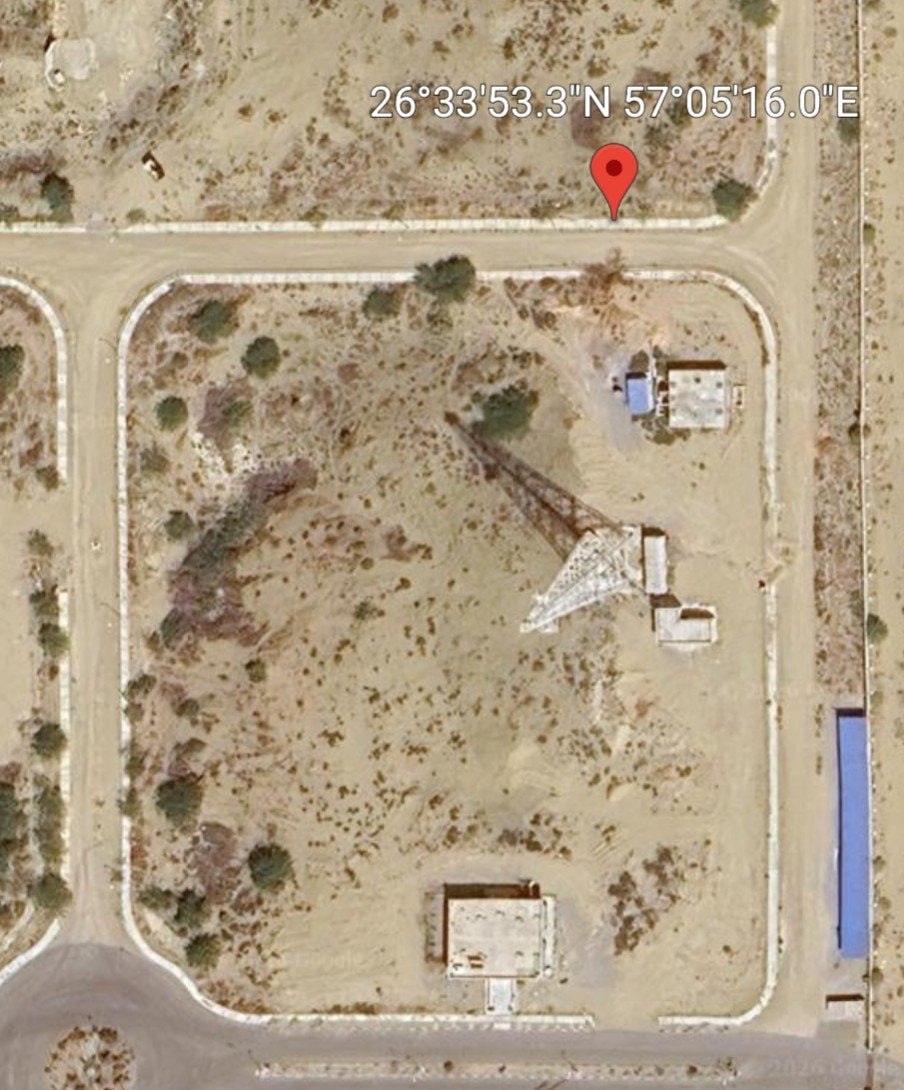
The IRGC Navy base at Sirik, Hormozgan Province, has been struck three times in July. On 8 July, a U.S. missile attack ignited fires at the base’s communications tower and an adjacent hangar, as documented by CIG_telegram with geospatial coordinates (26.5648, 57.08778) and (26.56293, 57.08335). Earlier strikes in the month targeted the same tower, suggesting a focused effort to degrade the IRGC’s command‑and‑control capabilities.
"The U.S. military appears to have struck the same communications tower at Iran’s IRGC Navy base in Sirik for the third time this month." – CIG_telegram, 09:50 UTC
Iranian Air‑Defence Countermeasures
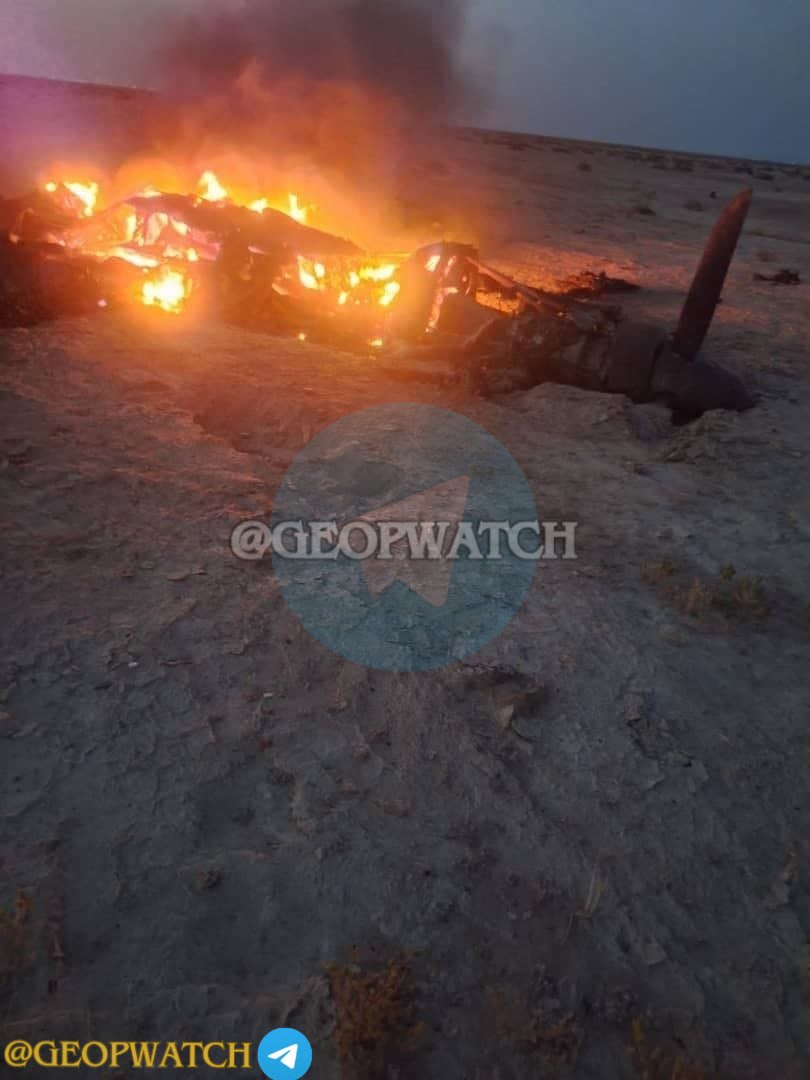
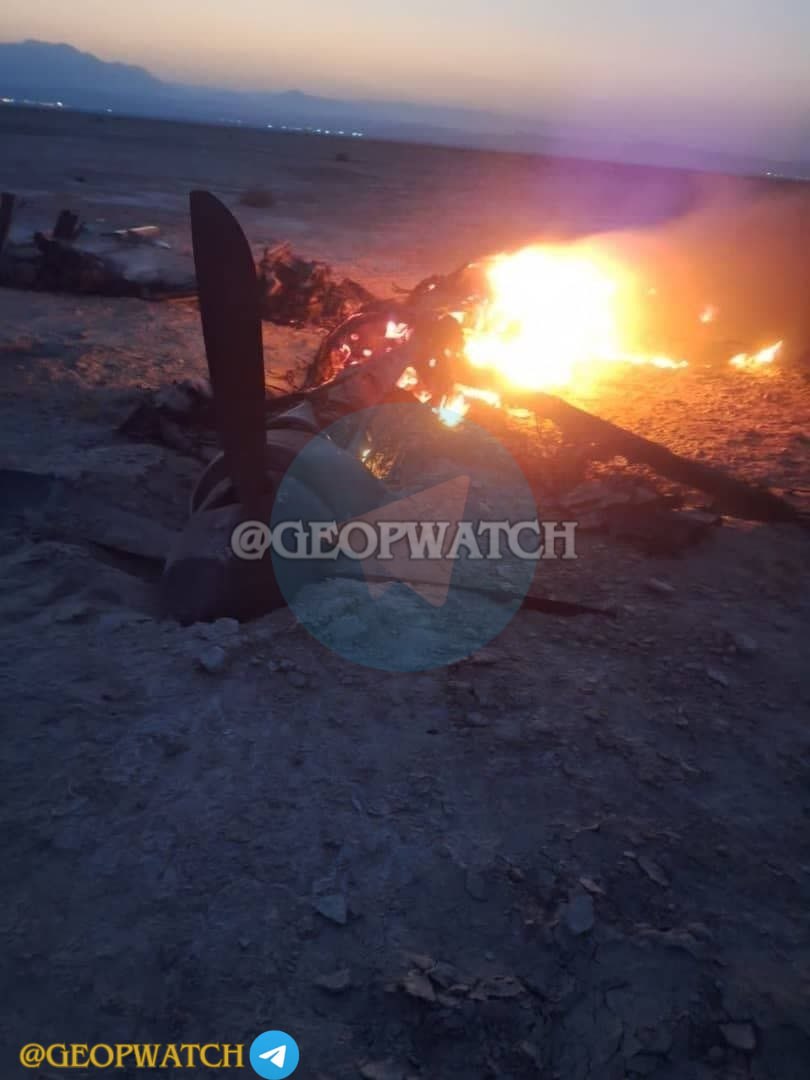
Iran’s response has been to down several U.S. unmanned aerial vehicles (UAVs). At 11:20 UTC, a U.S. MQ‑9 Reaper was shot down over Bushehr, with GeoPWatch publishing images of the wreckage. A separate incident at 08:31 UTC saw Iranian air‑defences down a U.S. drone over the Bushehr countryside during a heavy attack, as reported by rnintel. Additionally, at 09:00 UTC, Iran released photos of a downed MQ‑9 over Khormuj District, Bushehr Province, confirming multiple successful interceptions within a short timeframe.
"Images of the downed USAF 'MQ-9' UCAV shot down over Iran's 'Bushehr' last night." – GeoPWatch, 11:20 UTC
IRGC Offensive Operations Beyond Iran
While the primary focus is on kinetic events within Iran, the Islamic Revolutionary Guard Corps (IRGC) extended its reach on 8 July by launching a combined missile and drone strike against U.S. facilities in Bahrain’s Mina Salman Port and Kuwait’s Ali Al‑Salem Air Base. The operation, claimed by the IRGC via CIG_telegram, hit 85 sites and downed an MQ‑9 drone, illustrating Tehran’s capacity to project kinetic force regionally.
"Naval and Aerospace forces of the IRGC ... struck 85 key sites of US military facilities in Mina Salman Port and the 5th Fleet Base of Bahrain and Ali Al‑Salem Air Base in Kuwait. An MQ‑9 drone was also shot down." – CIG_telegram, 08:26 UTC
Collateral Explosions and Civilian Impact
Beyond direct strikes, a series of explosions were reported in Iranian cities. Bushehr experienced multiple blasts at 06:17 UTC, reported by intelslava, while a single Basij member was killed by U.S. missiles in Khuzestan Province at 09:19 UTC, according to Mehr News Agency. These incidents, though smaller in scale, contribute to a broader pattern of kinetic disruption affecting both military and civilian populations.
Strategic Implications
The concentration of U.S. kinetic actions in southern Iran, particularly around strategic ports and IRGC installations, signals an intent to degrade Iran’s maritime and missile‑command infrastructure. Iran’s successful downing of multiple MQ‑9 platforms demonstrates a growing proficiency in air‑defence, potentially raising the cost of future U.S. aerial operations. Simultaneously, the IRGC’s ability to strike U.S. assets in Bahrain and Kuwait indicates a reciprocal escalation that could broaden the conflict’s geographic scope.