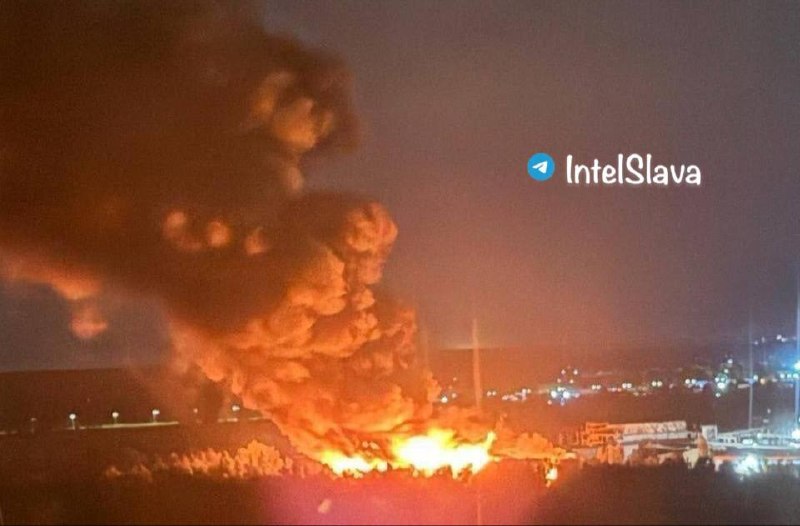
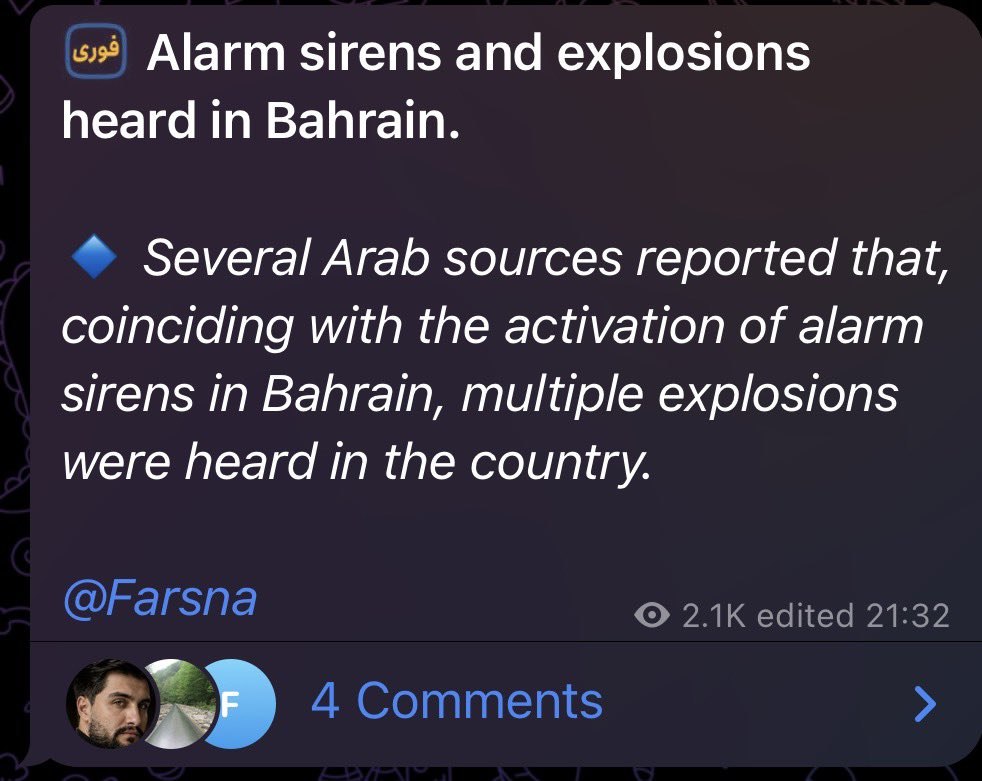
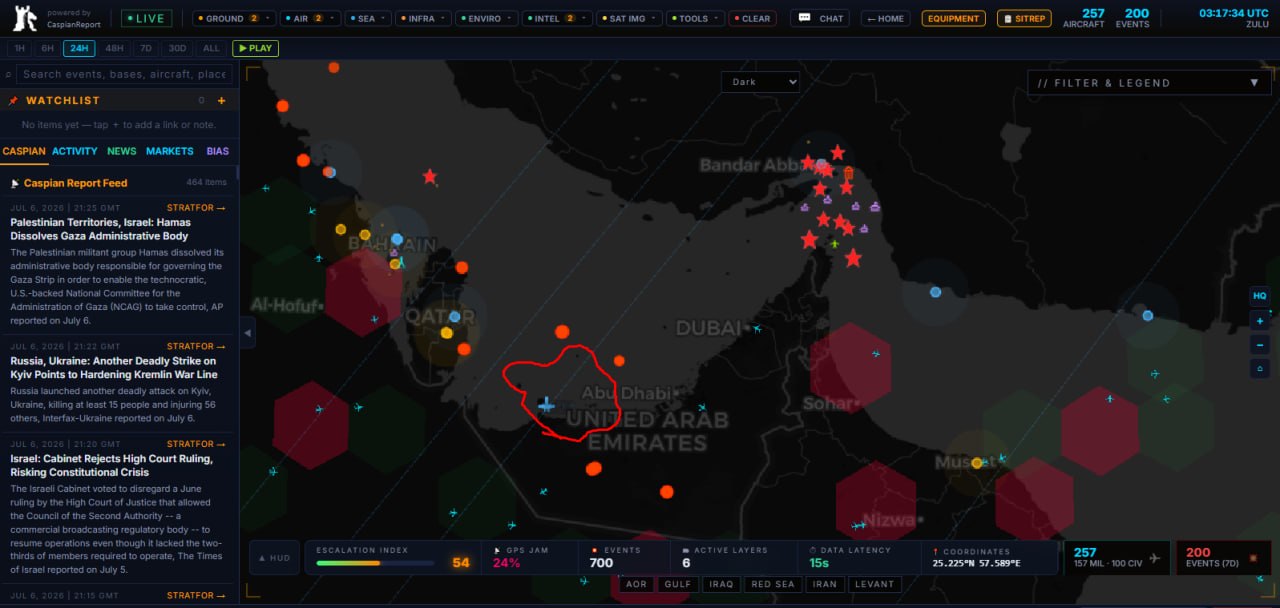
In the early hours of 8 July 2026, the United States launched a series of airstrikes against targets in Tehran, Iran, marking the most significant kinetic event of the day and prompting a rapid escalation of hostilities throughout the region. The strikes, reported by the monitor_the_situation channel (source), were not accompanied by an official casualty count, and initial local reports indicated no civilian fatalities. The operation coincided with a sharp rise in crude oil prices, underscoring the broader economic implications of the confrontation.
US Airstrike on Tehran
The Tehran strike was described by monitor_the_situation as a coordinated attack that involved multiple aircraft, though specific weapon systems were not disclosed. No ground forces were reported to have engaged, and the Iranian government has not yet confirmed the exact nature of the targets. The lack of reported casualties suggests that the strikes may have focused on strategic infrastructure rather than populated areas. Key details include:
- Location: Tehran, Iran
- Time: 01:02 UTC
- Actors: United States (unspecified military branch)
- Weapons: Unspecified aerial munitions
- Casualties: None reported
"US launches airstrikes on Iran, crude prices surge," monitor_the_situation, 8 July 2026.
The strike set the tone for a day of heightened kinetic activity, with Iranian and U.S. forces exchanging fire across multiple fronts.
Coordinated Strikes on Iranian Coastal Installations
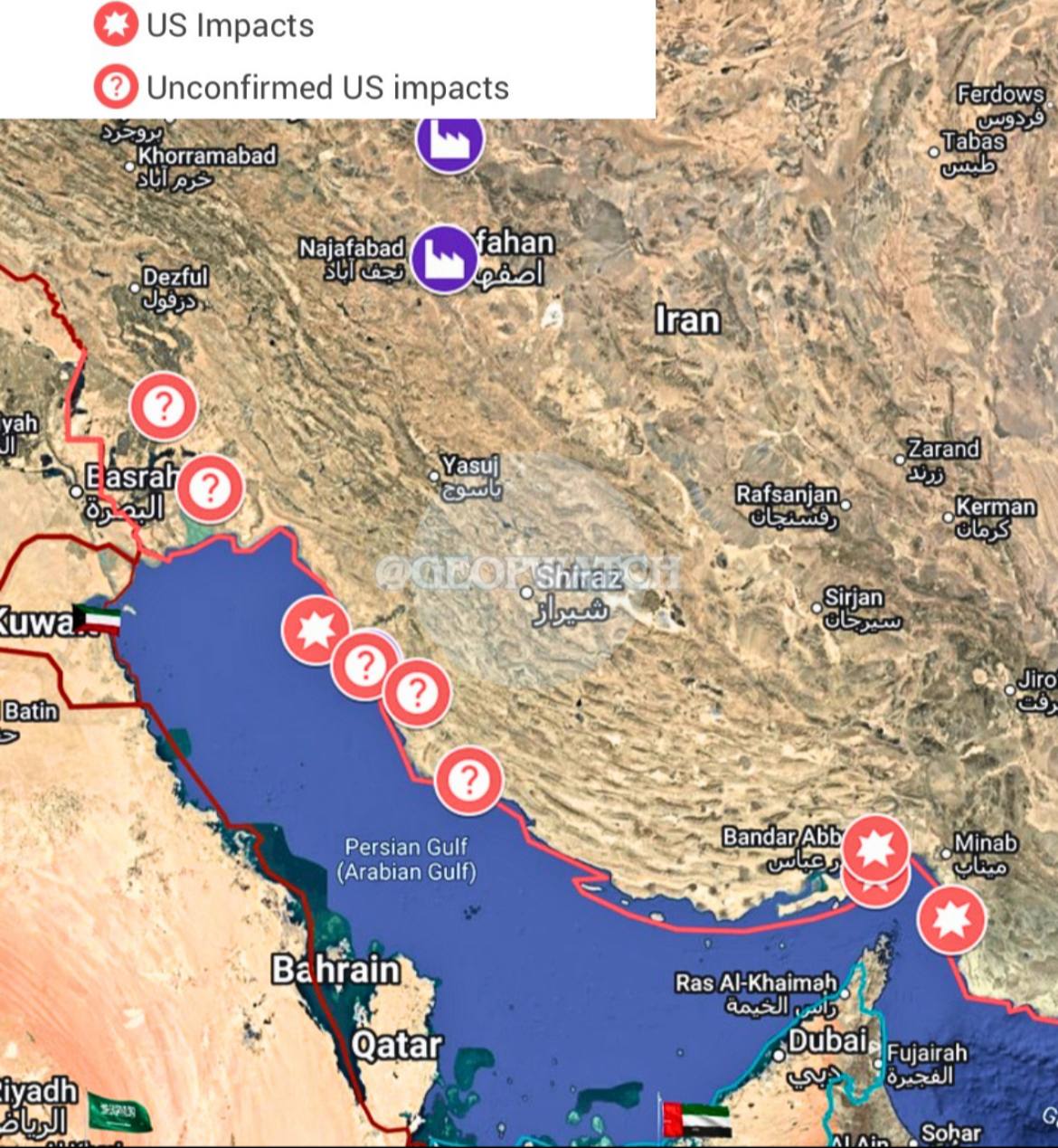
Within two hours of the Tehran attack, U.S. forces conducted additional airstrikes on Iran’s strategic maritime assets. According to rnintel (source), the U.S. Air Force struck Kharg Island, a key oil export hub in the Persian Gulf, at 02:04 UTC. The same day, GeoPWatch documented confirmed impacts on Bandar Abbas, Qeshm, Sirik, and Kharg Island, with unconfirmed reports of strikes on Ahvaz, Bandar-e Mahshahr, Bushehr, Khormoj, and Dayyer (source).
These operations were part of a broader campaign that included:
- Airstrikes on Kharg Island (02:04 UTC) – rnintel
- Airstrikes on Sirik, Qeshm, and Bandar Abbas (00:35 UTC) – AlJazeera (source)
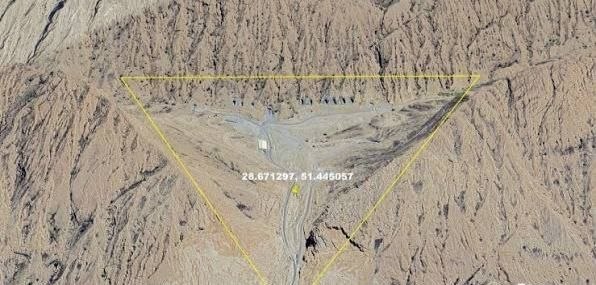
- Six airstrikes on a missile site in Khormuj, Bushehr Province (00:35 UTC) – BellumActaNews (source)
No civilian casualties were reported from these strikes, though local accounts described loud explosions and temporary disruptions to port operations.
Iranian Retaliatory Rocket and Missile Launches
In response to the U.S. air campaign, the Islamic Revolutionary Guard Corps (IRGC) and other Iranian forces launched a series of rockets, ballistic missiles, and precision strikes across the Persian Gulf and inland locations.
Key Iranian actions included:
- Confirmation of a U.S. strike on Bandar-e-Mashahr, a coastal city north of the Strait of Hormuz (05:06 UTC) – intelslava (source)
- Four ballistic missiles fired from Fars Province (03:04 UTC) – intelslava (source)
- Ballistic missile launch targeting the U.S. Fifth Fleet headquarters in Manama, Bahrain (01:56 UTC) – monitor_the_situation (source)
- Multiple missile launches reported from Ahvaz (00:48 UTC), Bushehr (00:39 UTC), and the Bidganeh missile site (00:59 UTC) – BellumActaNews and intelslava
While Iranian statements emphasized retaliation for “unprovoked” U.S. strikes, independent verification of damage or casualties in the targeted locations remains limited.
U.S. Precision Strikes in the Strait of Hormuz
U.S. Central Command (CENTCOM) announced a separate wave of over 80 precision strikes against Iranian air defenses, command networks, radar sites, and IRGC small boats in the Strait of Hormuz on 7 July, with the operation continuing into the early hours of 8 July. Both rnintel and GeoPWatch reported the same set of strikes, highlighting the use of precision munitions and missiles (rnintel source; GeoPWatch source).
These strikes aimed to neutralize Iranian capabilities that had recently threatened commercial shipping in the strait. No direct reports of vessel damage were released, and the Iranian side claimed to have shot down several U.S. drones during the same period.
Drone Interceptions Over Iranian Territory
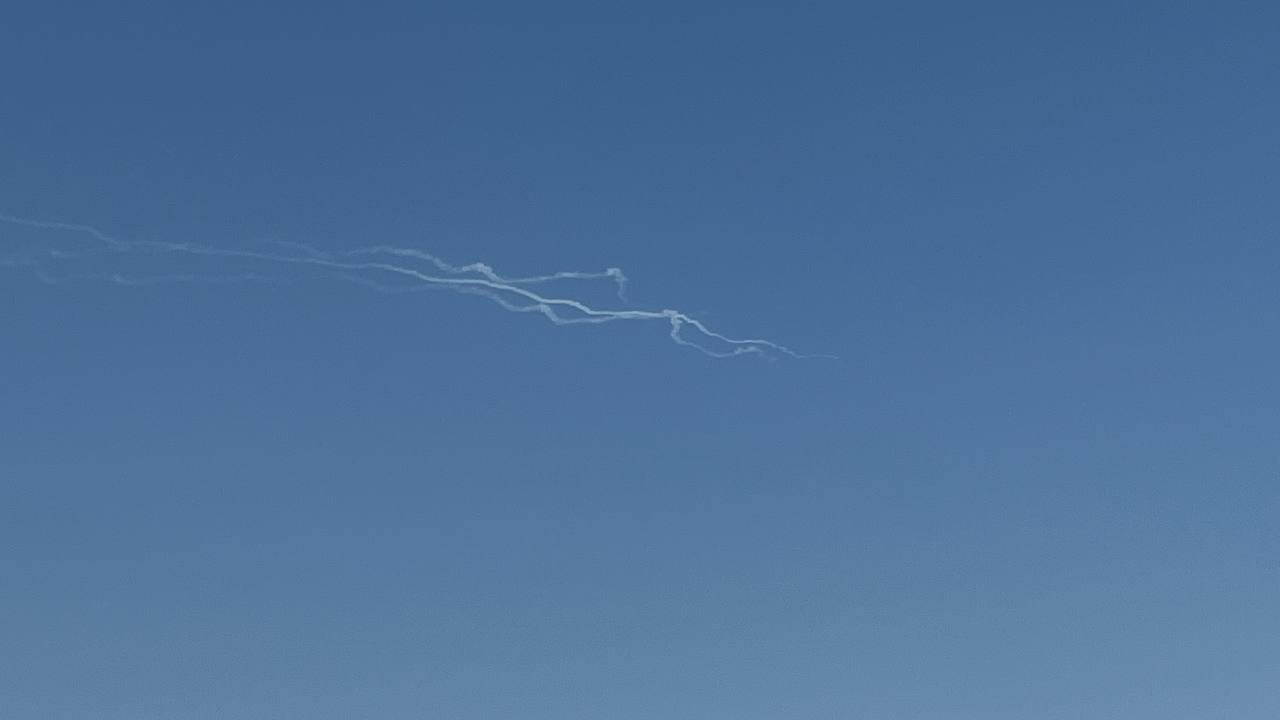
Iranian air defenses reported multiple successful interceptions of U.S. MQ‑9 Reaper drones across the country. The IRGC claimed shoot‑downs over Khormuj (03:11 UTC) – monitor_the_situation, Bushehr (03:06 UTC) – rnintel, and Isfahan (03:06 UTC) – GeoPWatch. Photographic evidence was shared on the respective channels, though independent verification is pending.
These interceptions illustrate the contested airspace over southern Iran and underscore the risk of further escalation should either side increase the intensity of unmanned aerial operations.
Regional Spillover: Explosions in Kuwait and Bahrain
Beyond Iranian territory, the conflict manifested in neighboring states. At 03:10 UTC, a massive explosion was reported near Ali Al Salem Air Base in Kuwait, a joint U.S.–Kuwaiti facility. rnintel suggested the blast could have resulted from Iranian missiles or drones (source). A separate report from GeoPWatch confirmed an explosion near the same base at 03:09 UTC, though details remained sparse.
In Bahrain, Iran’s Army (Artesh) announced a new wave of precision UAV strikes targeting Sheik Isa Airbase at 05:13 UTC (source). While no damage was confirmed, the announcement signals a widening of the kinetic theater to include the Gulf’s allied air installations.
Analytical Assessment
The sequence of events on 8 July 2026 reflects a rapid escalation cycle triggered by the initial U.S. airstrike on Tehran. The United States pursued a multi‑pronged kinetic approach, targeting both strategic inland sites and maritime infrastructure to degrade Iran’s capacity to project power in the Gulf. Iran’s response combined conventional rocket and missile launches with asymmetric tactics, such as drone attacks on regional U.S. bases and the claimed downing of American UAVs.
Key analytical observations:
- Escalation Velocity: The interval between the Tehran strike and subsequent Iranian retaliatory launches was under two hours, indicating pre‑positioned assets and a high readiness posture on both sides.
- Geographic Breadth: Hostilities spanned from the Iranian capital to coastal ports, the Strait of Hormuz, and allied bases in Kuwait and Bahrain, suggesting a deliberate strategy to pressure multiple nodes of U.S. and partner infrastructure.
- Weaponization of Airspace: The repeated use of precision munitions, ballistic missiles, and UAVs underscores a shift toward high‑speed, low‑visibility engagements that complicate attribution and raise the risk of inadvertent escalation.
While casualty reports remain limited, the kinetic intensity and the involvement of critical energy infrastructure raise concerns about broader economic disruptions and the potential for miscalculation. Continued monitoring of air defense interceptions, maritime traffic, and diplomatic communications will be essential to gauge whether the conflict stabilizes or expands further.