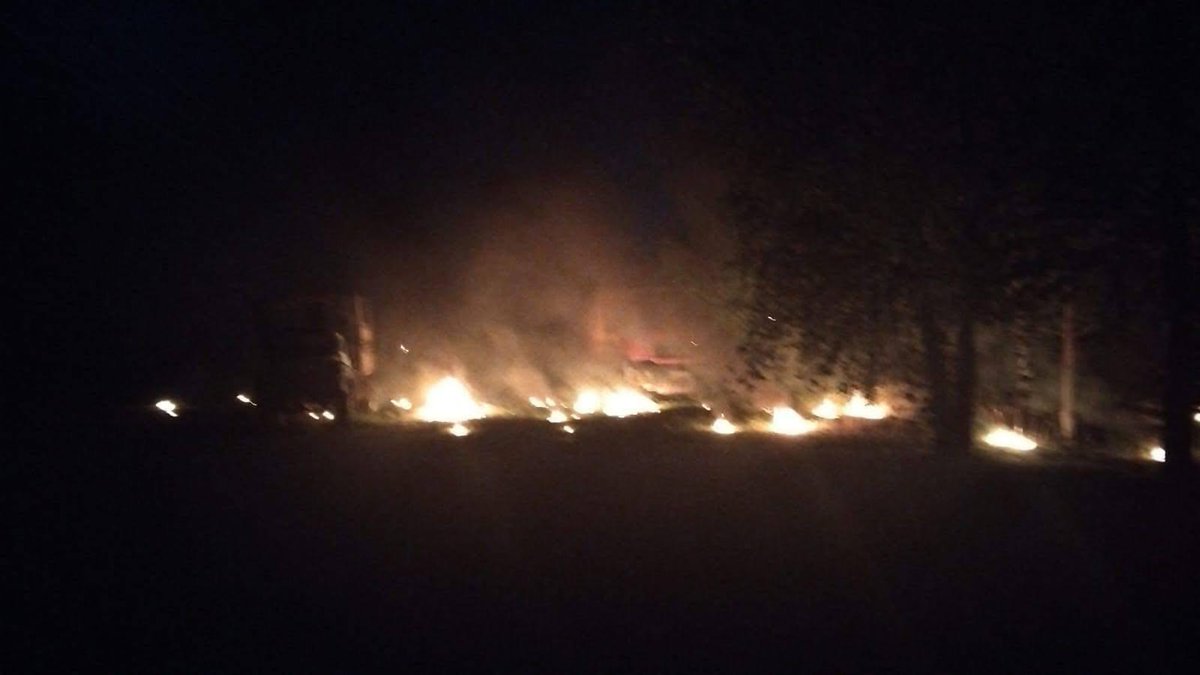
Ukrainian forces achieved a notable tactical victory on the eastern front when the 37th Marine Brigade and the 79th Air Assault Brigade forced Russian troops to withdraw from the village of Novokhatske in Donetsk Oblast. The operation, reported by monitor_the_situation at 17:58 UTC, demonstrated coordinated infantry and air‑assault maneuvers despite dense minefields and stiff resistance.
"Ukrainian 37th Marine Brigade and 79th Air Assault Brigade pushed Russian troops out of Novokhatske, despite resistance and dense mining," the source noted.
The recapture of Novokhatske marks the most significant ground movement reported on 2026‑07‑08, underscoring a broader pattern of localized Ukrainian advances amid a fluid front line.
Ground Operations Across Donetsk and Kharkiv
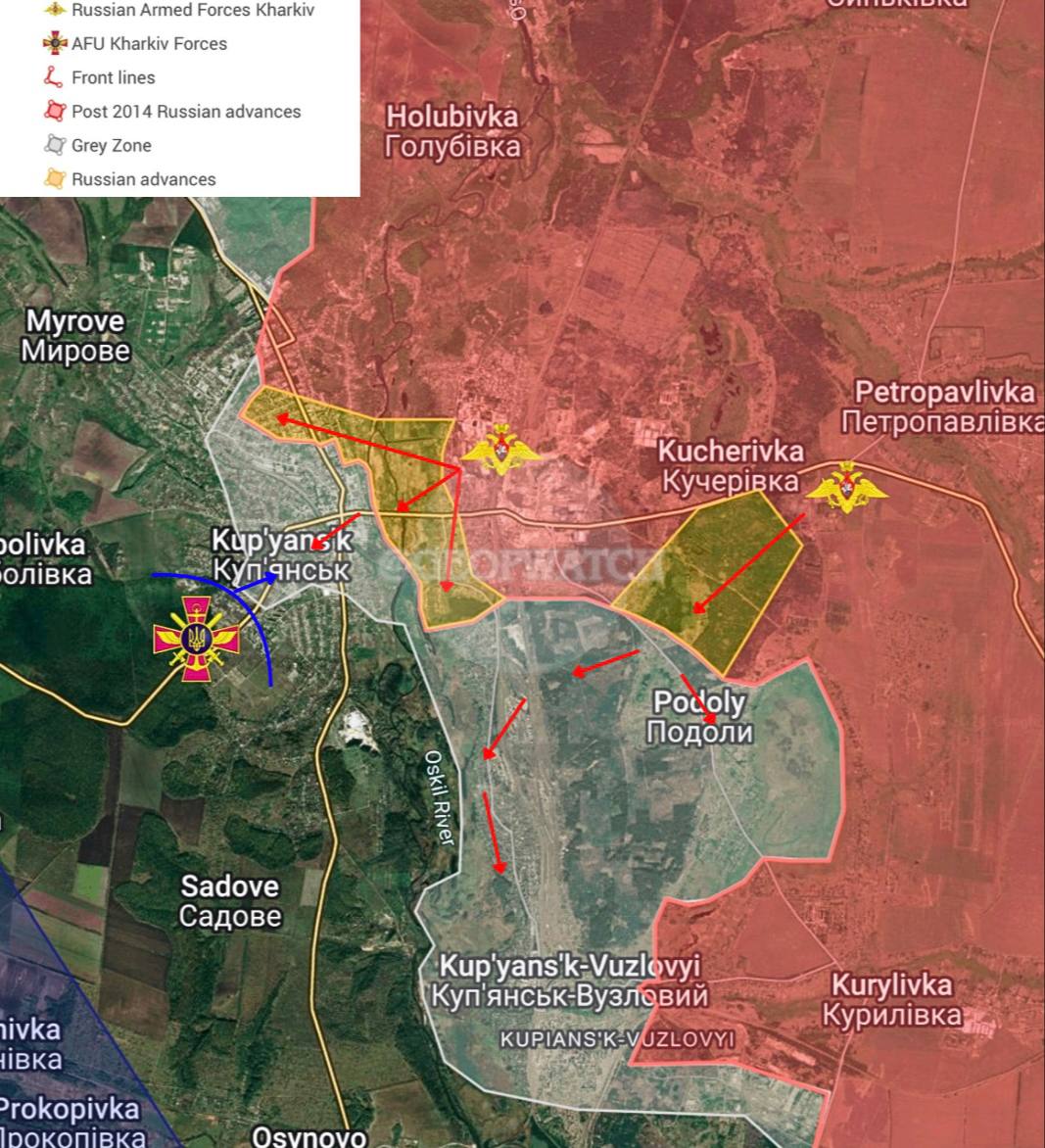
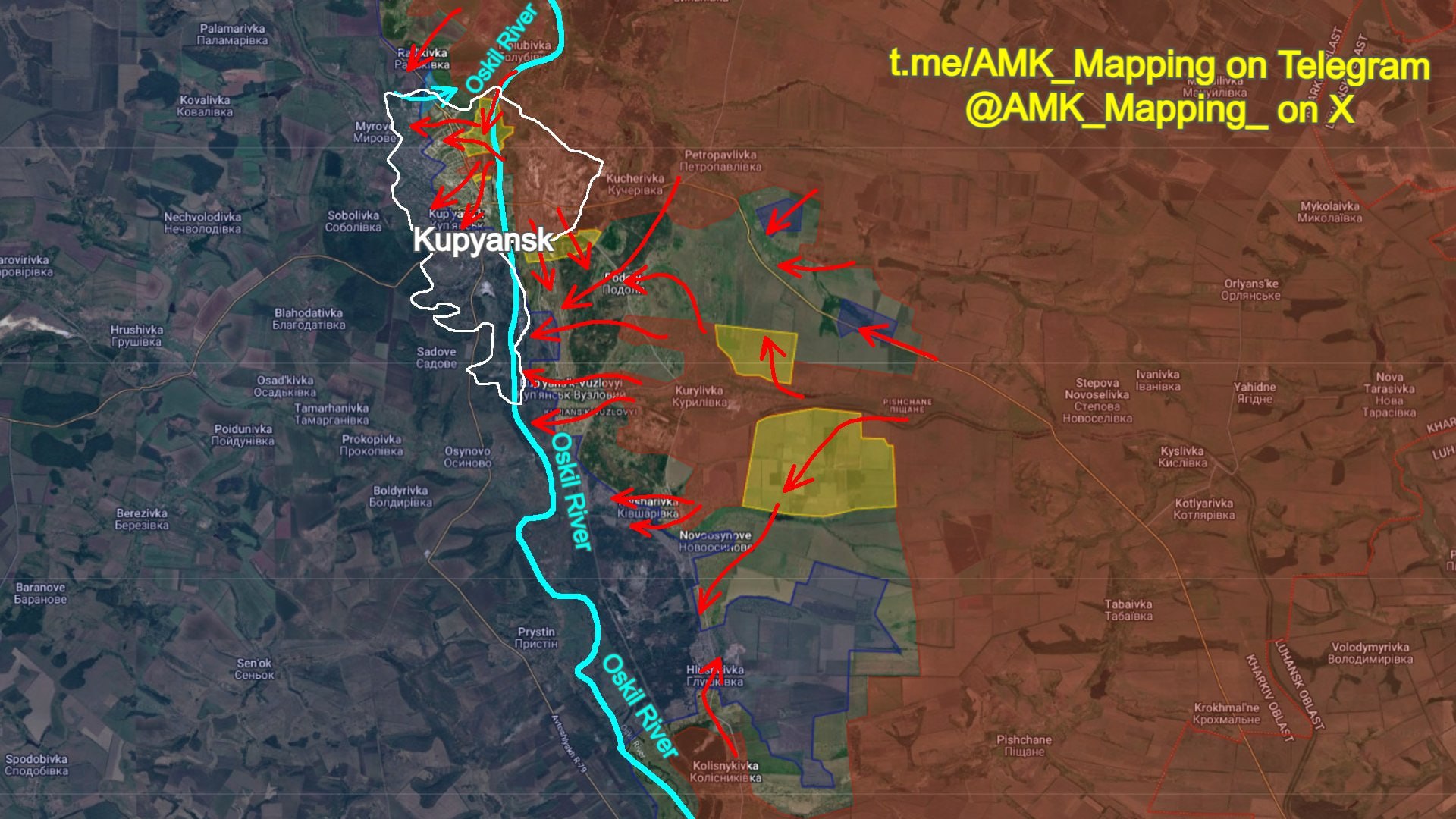
Following the Novokhatske success, Russian forces continued offensive actions in other sectors. At 12:46 UTC, GeoPWatch documented a renewed Russian push in Kupyansk, Kharkiv Oblast. After eight months of a stagnant “grey zone,” Russian units seized central areas of the town, captured villages east of the Oskil River, and closed a pocket south of Kucherivka. Clearing operations persisted in Podoly and Kupyansk‑Vuzlovyi, indicating a concerted effort to re‑establish a contiguous front.
Earlier, at 07:49 UTC, CIG_telegram reported that Russian forces had re‑entered the western part of Kupiansk, threatening to retake the entire city. The update highlighted a steady deterioration of Ukrainian defensive positions in the Kupyansk direction over recent weeks.
These ground movements illustrate a dual dynamic: Ukrainian forces are capable of localized counter‑offensives, while Russian units exploit gaps to regain territory in strategically important towns.
Aerial Interceptions and Air Superiority Contest
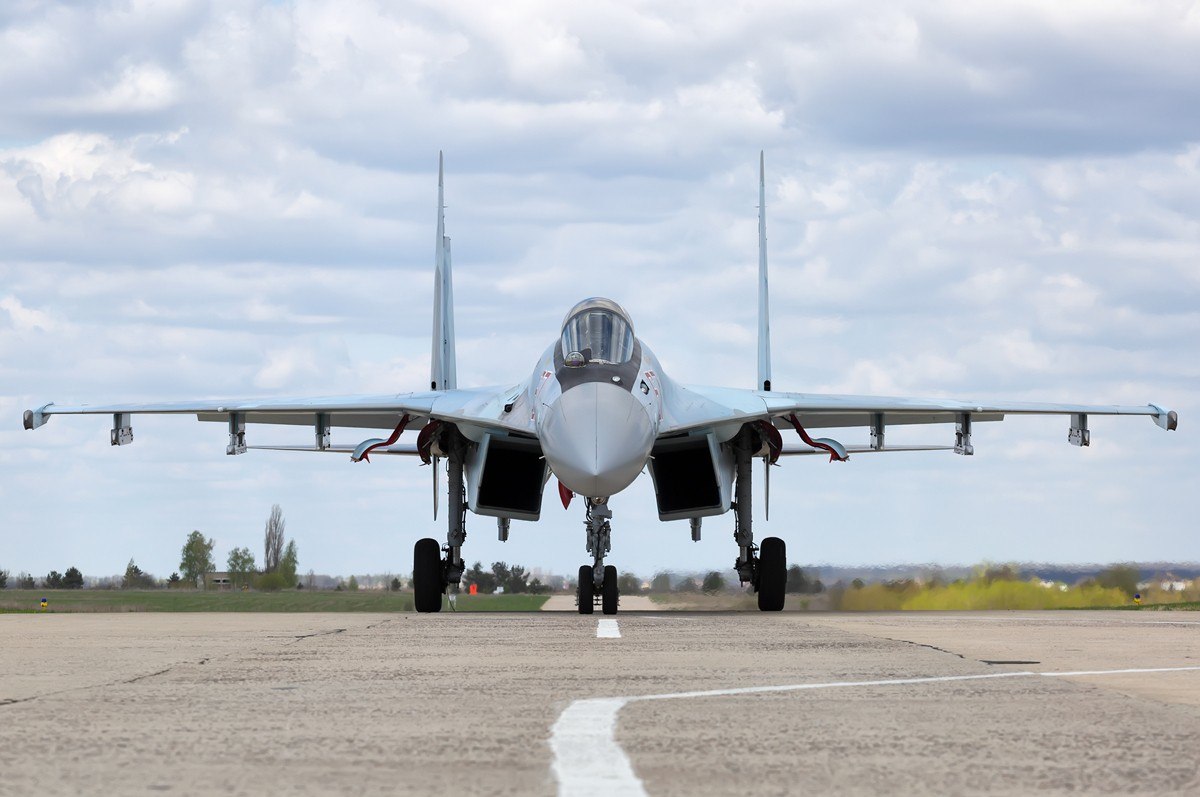
The eastern front also saw two confirmed shoot‑downs of Russian Su‑35 fighters by Ukrainian air defenses. At 12:48 UTC, the Ukrainian Air Force reported downing a Su‑35S over the eastern front, with the pilot ejecting safely and later recovered. Russian sources corroborated the loss, confirming the aircraft’s destruction.
Later, at 11:16 UTC, monitor_the_situation posted video evidence of another Su‑35 being shot down over Donetsk Oblast. In both cases, Ukrainian forces employed surface‑to‑air missile systems to neutralize high‑performance Russian jets, reinforcing Ukraine’s growing capability to contest Russian air superiority.
UAV and Drone Activity Escalates
Unmanned aerial systems continued to shape the kinetic landscape. At 17:22 UTC, intelslava released footage of Russian Geran‑4 Sikher kamikaze drones striking locomotives in Lozova (Kharkiv Oblast) and Kazakovsk (Zaporizhzhia Oblast). The attacks targeted critical rail infrastructure, aiming to disrupt logistics and supply lines.
In the Kramatorsk area, an FPV drone operator identified as “Knyaz Vandal Novgorodsky (KVN)” engaged Ukrainian infantry dismounting from a damaged truck at 15:07 UTC, according to the same source. The incident underscores the increasing use of low‑cost, high‑precision FPV platforms against ground troops.
Additional UAV incidents included a Molniya FPV drone hitting a petrol station in Semenivka, Chernihiv Oblast, at 07:23 UTC, igniting a fire but causing no casualties. Earlier in the day, at 07:16 UTC, monitor_the_situation reported Ukrainian drones striking nine Russian oil tankers in the Sea of Azov and damaging six electrical substations in Crimea, extending the kinetic contest to maritime and energy targets.
Civilian Impact and Casualties
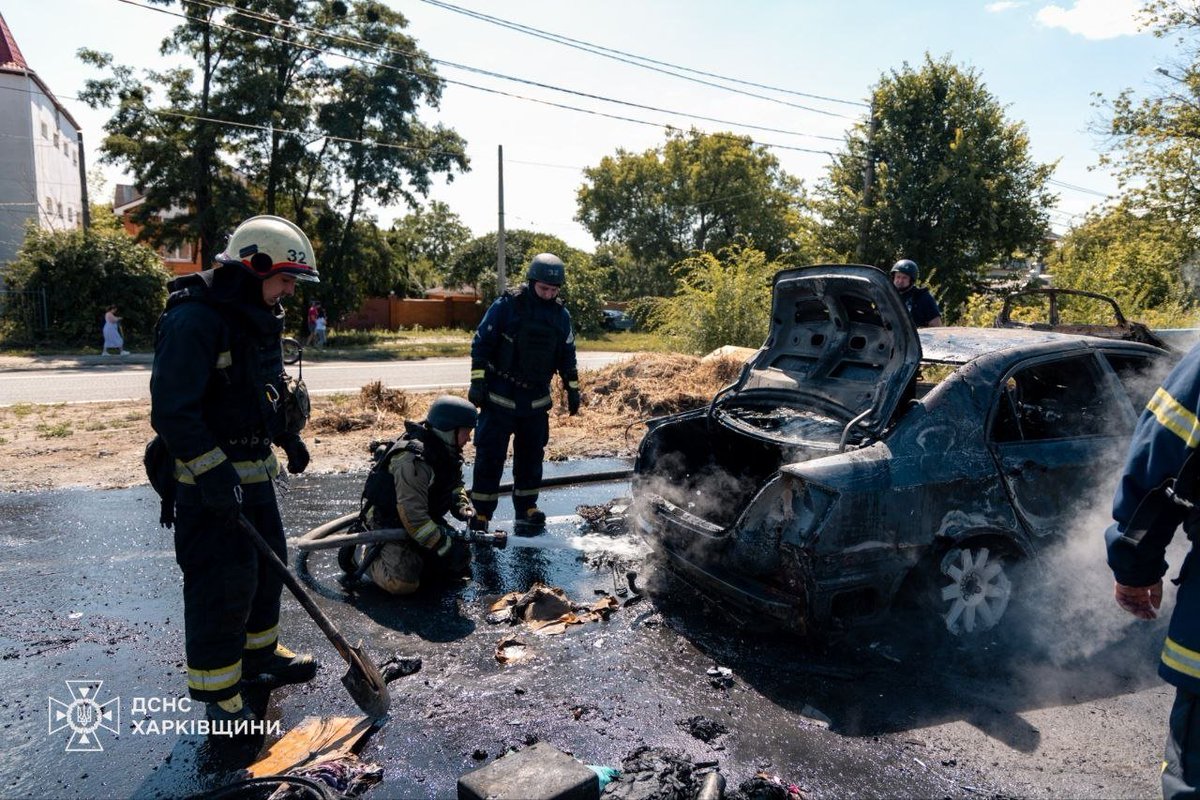
Ukrainian authorities recorded at least 11 civilian deaths and 164 injuries across Ukraine and Russia within the past 24 hours, as detailed by monitor_the_situation at 12:35 UTC. The casualties included a UAV strike on Mykolaivka in Sumy Oblast, highlighting the persistent risk to non‑combatants from both sides’ aerial attacks.
While the majority of reported incidents involved military assets, the civilian toll reinforces the broader humanitarian dimension of the kinetic conflict.
Strategic Implications
The events of 2026‑07‑08 illustrate a multi‑layered kinetic environment in Ukraine. Ukrainian forces demonstrate the ability to conduct coordinated ground assaults, as seen in Novokhatske, while simultaneously improving air‑defense capabilities that have resulted in multiple high‑value Russian aircraft losses. Conversely, Russian forces maintain offensive momentum in key towns such as Kupyansk and Kupiansk, leveraging conventional infantry advances and exploiting Ukrainian defensive fatigue.
UAV proliferation on both sides adds a volatile element, enabling rapid strikes on logistics, energy infrastructure, and civilian targets. The use of kamikaze drones against rail lines and FPV drones against infantry reflects a tactical shift toward low‑cost, high‑impact weapons that can bypass traditional air defenses.
Overall, the kinetic engagements of 8 July suggest a contested front where localized Ukrainian gains are offset by Russian territorial advances, and where aerial and unmanned systems play an increasingly decisive role in shaping battlefield outcomes.