On July 8, 2026, a U.S. airstrike resulted in the deaths of two Iranian servicemen, marking the most lethal kinetic event reported for the day and raising the risk of broader escalation between Washington and Tehran.
U.S. Strike on Iranian Air Force and Navy Personnel
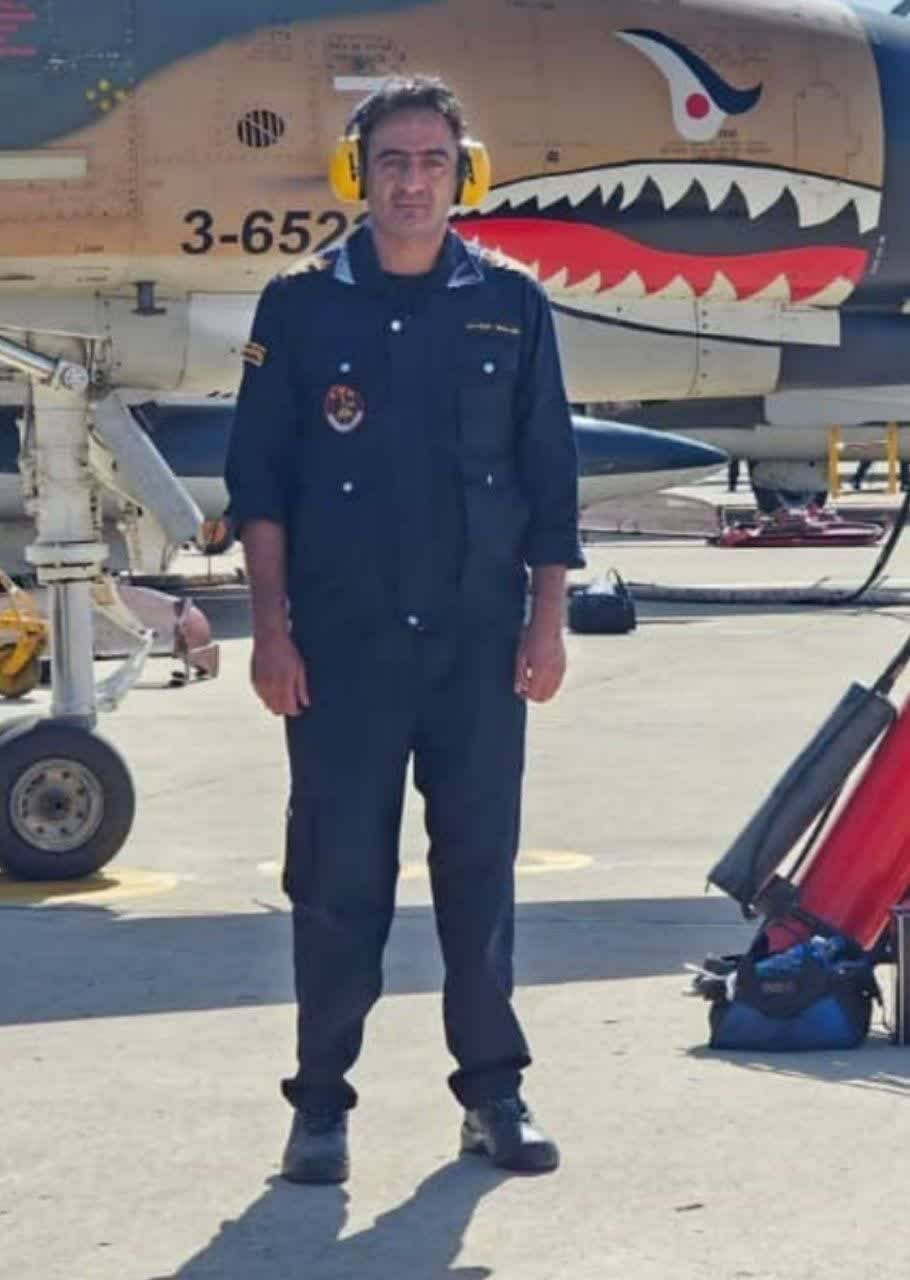
According to the Telegram channel intelslava, the strike killed Ali Moeini, a member of the Islamic Republic of Iran Air Force, and Shahab Omidi, a First Lieutenant in the Iranian Navy’s Special Operations Forces. The operation was carried out by U.S. forces in the early morning hours, though the precise location remains undisclosed. No weapons were listed in the source report, and the incident was classified as a critical event.
"Two Iranian servicemen were killed in U.S. strikes this morning," intelslava reported (https://t.me/intelslava/90000).
The loss of personnel from two distinct branches underscores the breadth of the U.S. targeting approach and suggests a focus on degrading Iran’s combined air and maritime capabilities.
Iran’s Confirmation of Additional Casualties
Later the same day, the Telegram channel rnintel relayed an Iranian statement that eight of its military members had been killed in U.S. strikes conducted the previous night and early morning. The Iranian announcement did not specify the units involved or the weapons used, but it reinforced Tehran’s narrative of sustained U.S. aggression.
"Iran has confirmed that eight members of its military were liquidated in U.S. strikes," rnintel noted (https://t.me/rnintel/63705).
Combined, the two reports indicate at least ten Iranian service members killed in U.S. kinetic actions on July 8, a figure that exceeds the daily average for the conflict and signals a potential shift toward higher‑intensity engagements.
Iranian Missile Retaliation Against U.S. Installations
In response, the Islamic Revolutionary Guard Corps (IRGC) Aerospace Force released video footage of ballistic missile launches aimed at U.S. bases in Kuwait and Bahrain. The missiles identified included the short‑range Kheibar Shekan, the medium‑range Fattah‑1, and the versatile Zolfaghar/Dezful system. The release, posted by intelslava, demonstrated Iran’s capacity to strike U.S. forward operating locations in the Gulf.
"The IRGC Aerospace Force has released footage showing the launch of a mix of short‑ and medium‑range ballistic missiles," intelslava reported (https://t.me/intelslava/89996).
While no casualties were reported from the missile launches, the visual evidence serves as a strategic signal intended to deter further U.S. action and to showcase Iran’s missile repertoire.
Broader Regional Kinetic Activity
Concurrent with the U.S.–Iran exchange, several other kinetic events unfolded across the broader region, reflecting a heightened state of conflict readiness.
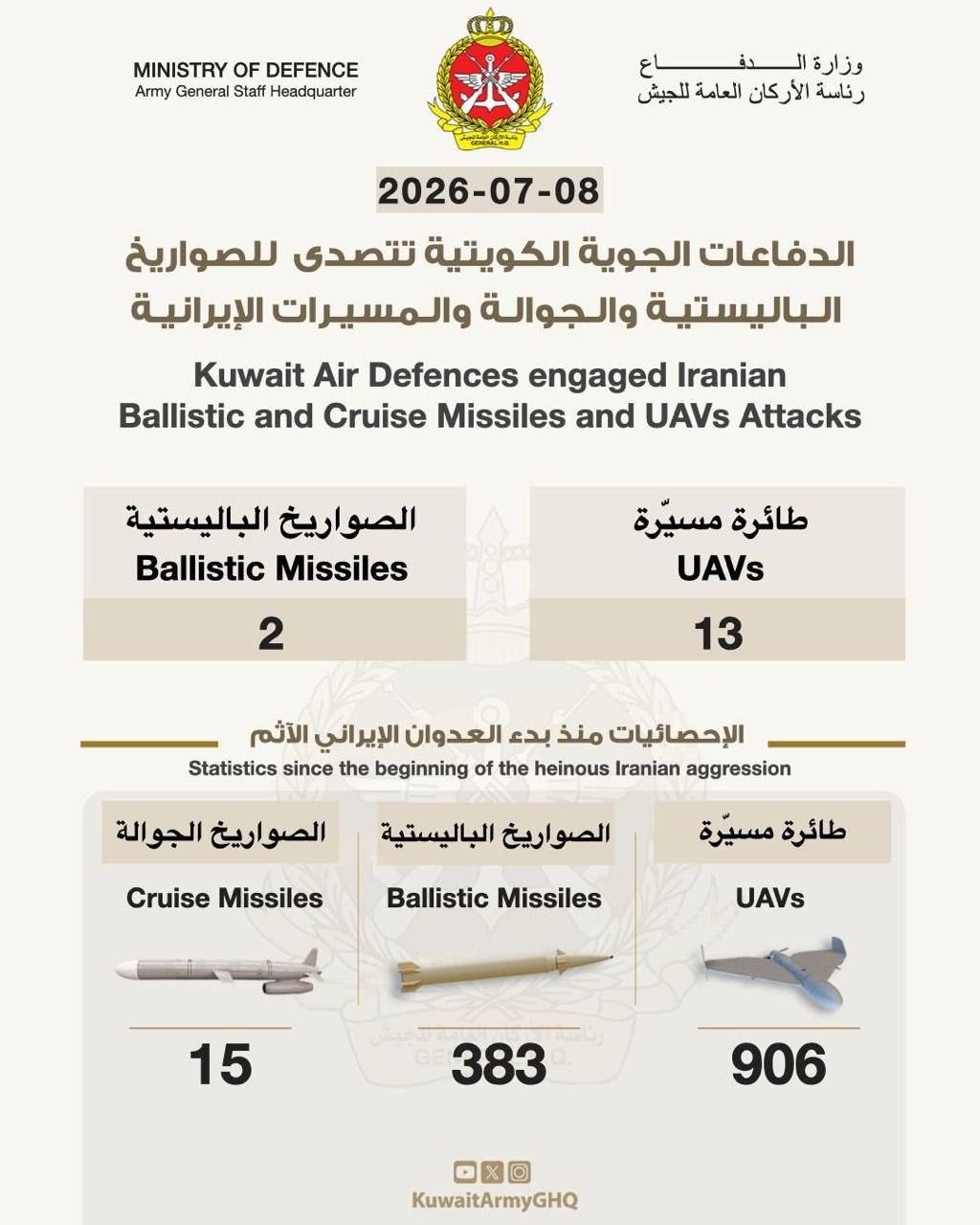
In Kuwait, authorities intercepted two ballistic missiles and thirteen drones that entered national airspace early on July 8, according to intelslava. The interception underscores the vulnerability of Gulf states to spillover from Iran‑U.S. hostilities.
"Kuwait announces that it intercepted two ballistic missiles and 13 drones," intelslava (https://t.me/intelslava/89991).
Explosions were heard in Bahrain later that morning, likely resulting from interceptions of Iranian projectiles, as reported by rnintel. The incidents suggest that Iranian missile and drone activity extended beyond the primary U.S. targets.
"Explosions heard in Bahrain, likely interceptions of Iranian projectiles," rnintel (https://t.me/rnintel/63677).
In the maritime domain, President Donald Trump claimed that U.S. forces destroyed 28 small Iranian boats the previous night and hinted at further operations. The statement, relayed by rnintel, reflects an aggressive posture toward Iranian naval assets in the Persian Gulf.
"We knocked out 28 boats last night, little ones, that's all they have is little ones," Trump said, rnintel (https://t.me/rnintel/63699).
Separately, a video posted by BellumActaNews featured Trump asserting that Iran requested a cease‑fire for Supreme Leader Ayatollah Khamenei’s funeral, only to launch missiles against three ships after the request was denied. The claim, though unverified, illustrates the political framing of kinetic actions as retaliatory.
"They asked for a time out… and I said, give it to him. And they start shooting missiles," Trump, BellumActaNews (https://t.me/BellumActaNews/175027).
Drone Warfare Extends Beyond the Gulf
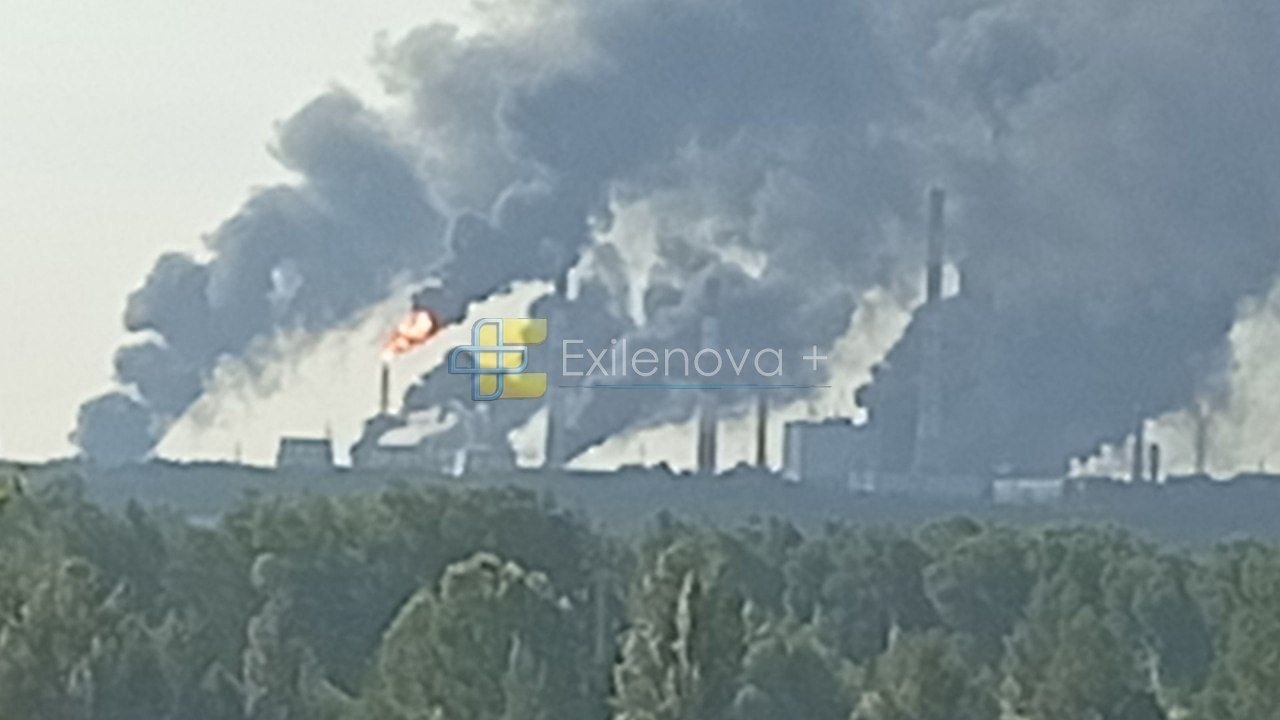
Drone attacks were reported in multiple theaters. In Russia’s Tatarstan region, a massive drone strike ignited fires at several industrial facilities in Nizhnekamsk, including Nizhnekamskneftekhim, Tatneft’s refinery, TAIF‑NK, and JSC TANECO. The incident, documented by intelslava, was attributed to Ukrainian forces, highlighting the conflict’s diffusion into Eastern Europe.
"The opponent publishes footage of a fire in the industrial zone of Nizhnekamsk… as a result of a massive drone attack," intelslava (https://t.me/intelslava/89994).
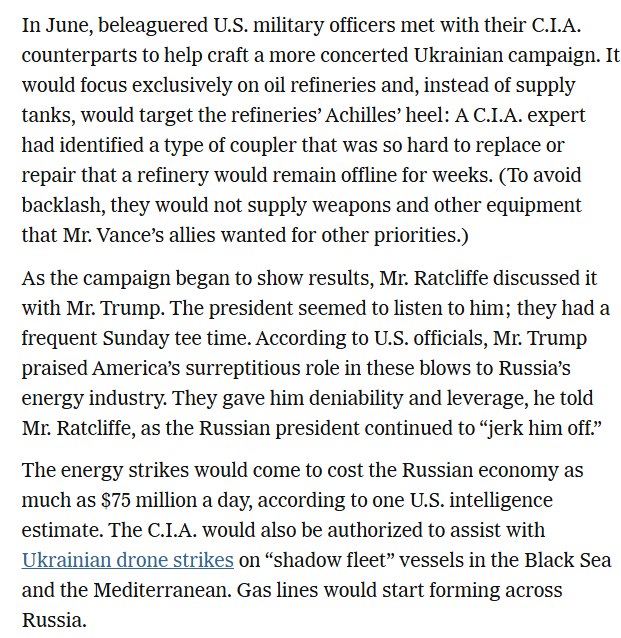
In the same timeframe, the CIA and U.S. military were reported to have covertly assisted Ukraine in conducting drone strikes against Russian oil facilities, according to monitor_the_situation. The assistance involved intelligence sharing and targeting support, indicating a deepening of U.S. involvement in the Ukraine‑Russia war.
"CIA, US Military provided intelligence and targeting assistance for Ukrainian drone strikes on Russian oil infrastructure," monitor_the_situation (https://t.me/monitor_the_situation/24126).
In West Africa, the Front for the Liberation of Azawad (FLA) released video of FPV drone attacks on a Russo‑Malian garrison in Anéfis, followed by a joint FLA‑JNIM ambush that destroyed a relief convoy. The footage, posted by CIG_telegram, demonstrates the expanding use of commercial‑grade drones in insurgent operations.
"The FLA released footage of FPV drone strikes on the Russo‑Malian garrison… convoy slaughtered by allied FLA and JNIM," CIG_telegram (https://t.me/CIG_telegram/79059).
Political Reactions and Diplomatic Context
International reactions to the July 8 kinetic events were swift. French President Emmanuel Macron, speaking after Iranian missile launches, affirmed that cease‑fire negotiations would continue despite the breach of the U.S.–Iran memorandum of understanding (MoU). The statement, reported by JPost, underscores the diplomatic tension between maintaining dialogue and responding to kinetic violations.
"Iranian strikes breached the US‑Iran MoU, prompting Macron to say ceasefire talks will continue," JPost (https://www.jpost.com/middle-east/iran-news/article-901878).
President Trump, in a separate address, declared the interim agreement ending the war with Iran null and void following the missile launches, signaling a hardening U.S. stance.
Israeli Prime Minister Benjamin Netanyahu warned that Iran definitively possesses chemical weapons and has lost its nuclear weapons production capability after recent U.S. and Israeli strikes, as reported by JPost. The warning adds a chemical‑weapons dimension to the kinetic conflict.
"Iran 'definitely' holds chemical weapons even as nuclear capacity destroyed," JPost (https://www.jpost.com/middle-east/iran-news/article-901824).
Human‑Rights and Assassination Reports
Two separate assassination‑related reports were published by JPost. The first profiled Ermia Lachiani, described by his mother as compassionate, who was killed by the Iranian regime. The second detailed the death of 18‑year‑old Taha Naderi, shot by Iran’s IRGC and denied a public funeral, six months after the January massacre. While not kinetic in the conventional sense, these cases illustrate the broader pattern of state‑directed lethal force.
"In general, Ermia cared more about the suffering of others…" mother told JPost (https://www.jpost.com/middle-east/article-901862).
"Family says Taha Naderi was shot by IRGC, died after surgeries, denied public funeral," JPost (https://www.jpost.com/middle-east/iran-news/article-901846).
Analytical Assessment
The concentration of kinetic events on July 8, 2026, reflects a multi‑theater escalation driven by reciprocal strikes, proxy engagements, and the use of advanced missile and drone systems. The U.S. airstrike that killed two Iranian servicemen represents a direct escalation that has already prompted Iranian missile launches and a cascade of retaliatory statements.
Iran’s ability to field short‑ and medium‑range ballistic missiles capable of reaching U.S. bases in Kuwait and Bahrain demonstrates a credible deterrent, though no damage was reported. Conversely, U.S. claims of destroying 28 Iranian boats and conducting covert drone support for Ukraine indicate a willingness to apply pressure across maritime and aerial domains.
Regional actors such as Kuwait and Bahrain have been drawn into the kinetic exchange, as evidenced by missile interceptions and audible explosions. The spread of drone attacks to Russian industrial sites and West African battlefields further illustrates the diffusion of conflict technologies beyond the immediate U.S.–Iran theater.
Diplomatic channels remain active, with France urging continuation of cease‑fire talks despite MoU violations, while the United States publicly declares the interim agreement void. The juxtaposition of diplomatic overtures and kinetic actions raises the risk of miscalculation.
Overall, the events of July 8 suggest a heightened probability of further escalation unless de‑escalation mechanisms are urgently reinforced.