On July 7, 2026, a coordinated wave of missile and drone attacks across Ukraine and neighboring Russian territories resulted in the deadliest 24‑hour civilian toll since the conflict began, killing 33 civilians and injuring 195. Eighteen of those deaths occurred in the Kyiv region after a missile‑drone strike on the capital’s outskirts, underscoring the heightened risk to densely populated areas.
"Strikes Kill 33 Civilians in Ukraine and Russia Over 24 Hours" – @CITeam_en, monitor_the_situation
Civilian Toll in Kyiv Region
The Kyiv‑region attack involved a missile followed by a low‑altitude drone that struck a residential block and a nearby schoolyard. Local emergency services reported 18 fatalities and dozens of injuries, many of them children. The incident marks the most lethal single strike on the capital’s suburbs since the war’s inception and prompted an immediate evacuation of nearby neighborhoods.
Russian Losses in Donetsk Oblast
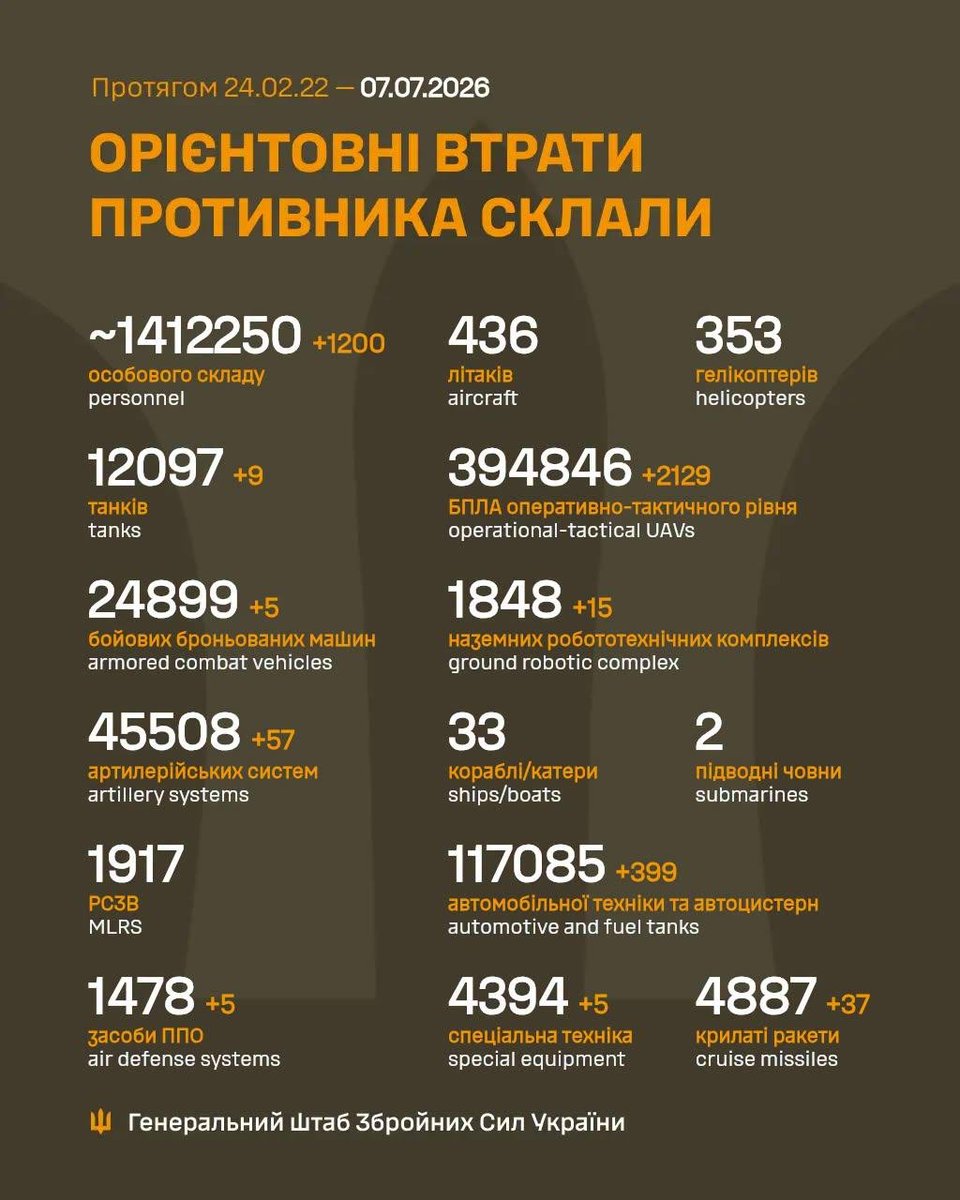
According to the Ukrainian General Staff, Russian forces suffered 1,200 casualties on July 7 alone in Donetsk Oblast. The report also listed the destruction of nine tanks, five armored combat vehicles, and 57 artillery systems. These losses were attributed to a combination of artillery fire, precision‑guided missiles, and coordinated drone assaults targeting supply convoys and forward operating bases.
Ukrainian Deep‑Strike Drone Operations
Ukrainian unmanned systems forces executed their deepest drone strike to date, targeting Russia’s largest oil refinery located more than 2,500 km from the Ukrainian border. The strike, confirmed by CIG_telegram, temporarily halted processing at the facility and forced Russia to reroute fuel shipments, illustrating Kyiv’s expanding operational reach.
Maritime Drone Campaign: Kerch Strait, Azov Sea, and Sea of Azov
In a series of coordinated maritime attacks, Ukrainian drones engaged eight sanctioned Russian oil tankers, a cargo ship, and a ferry north of the Kerch Strait, marking the war’s largest naval strike. Simultaneously, Ukraine’s Unmanned Systems Forces struck 12 oil tankers in the Azov Sea, and mid‑range strike drones hit ten Russian vessels in the Sea of Azov, including eight oil tankers, one dry cargo ship, and one ferry. These operations disrupted Russian logistical lines and demonstrated a growing proficiency in long‑range UAV deployment.
Infrastructure Targets Within Russian Territory
Ukrainian forces continued a systematic campaign against Russian logistical infrastructure:
- Two bridges in the Valuysky district of Belgorod Oblast were destroyed with guided bombs, severing a key supply corridor.
- Missile strikes hit defense industry sites in Bryansk, an oil depot at an airfield in Belgorod, and railway bridges in Crimea.
- In Kaluga Oblast’s Dzerzhinsky District, six Ukrainian drones were intercepted, but a fire broke out at the Pervy Zavod mini‑oil refinery.
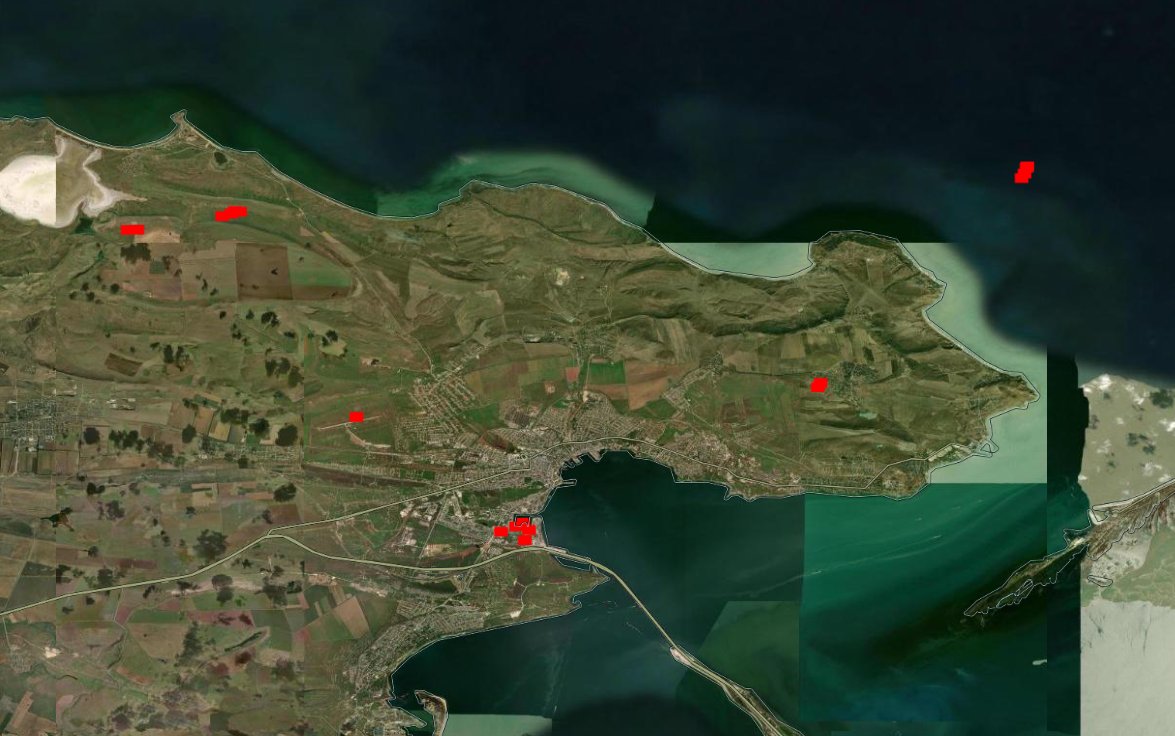
- NASA FIRMS detected fire signatures near Saky air base, a 330 kV substation, and an S‑400 missile site in occupied Crimea, suggesting successful Ukrainian drone attacks.
These strikes collectively aimed to degrade Russia’s fuel supply chain, reduce the mobility of armored units, and impair air‑defense capabilities.
Operational Context and Strategic Implications
The escalation of Ukrainian kinetic actions—ranging from high‑intensity missile barrages to deep‑penetration UAV strikes—reflects a strategic shift toward targeting Russia’s economic and logistical arteries while maintaining pressure on front‑line combat zones. The simultaneous increase in civilian casualties within Ukraine highlights the conflict’s expanding humanitarian dimension, prompting renewed calls for protective measures in densely populated areas.
While Ukrainian officials have emphasized the precision of their strikes, the collateral damage in Kyiv and surrounding regions underscores the challenges of conducting high‑tempo operations in proximity to civilian infrastructure. Russian military reports confirm significant equipment losses but have not disclosed comparable civilian impact on their side.
International monitoring channels, including monitor_the_situation, CIG_telegram, and OSINTdefender, continue to provide real‑time verification of these events, reinforcing the credibility of the reported figures.