On July 7, 2026, a series of coordinated explosions struck Damascus, resulting in the death of the Syrian Deputy Minister of Tourism and injuring at least 18 individuals, including four police officers. The attacks unfolded as French President Emmanuel Macron was conducting a high‑profile visit to the Syrian capital, raising the strategic significance of the incidents.
Chronology of the July 7 Blasts
According to the Russian‑language intelligence channel rnintel, the first confirmed fatal blast occurred at 09:53:21 local time near the Ministry of Tourism headquarters. The explosion killed the Deputy Minister of Tourism and wounded 17 others, among them four police officers tasked with securing the area (rnintel source).
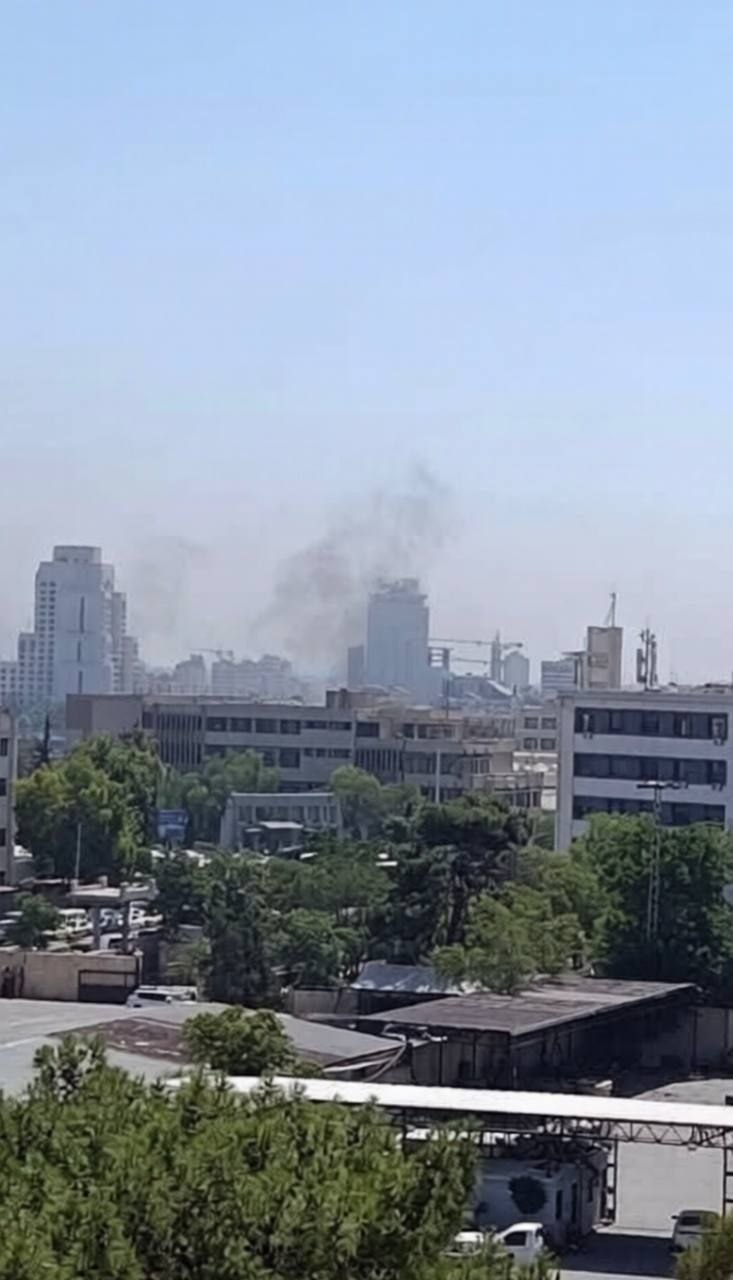
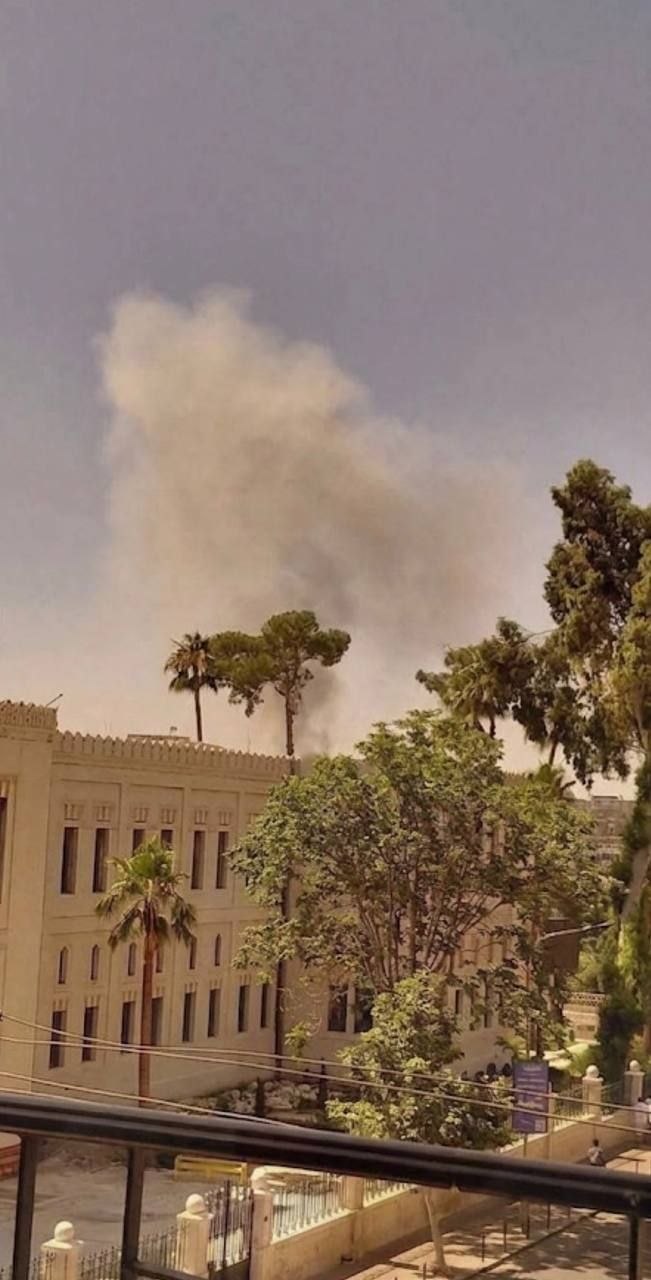
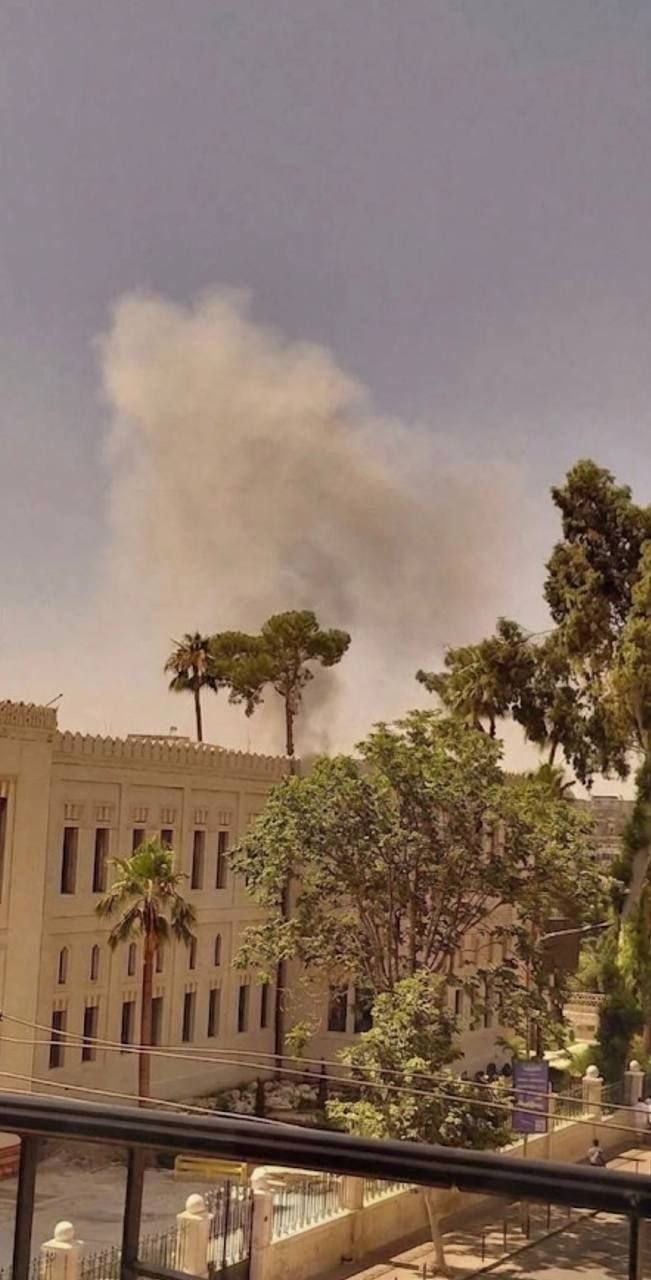
Earlier, at 08:54:24, the Telegram channel monitor_the_situation reported a separate explosion that wounded at least 18 people, also including four police officers (monitor_the_situation source). Video footage accompanying the report showed smoke and emergency responders converging on a busy street in central Damascus.
At 10:15:44, the international news outlet Al Jazeera confirmed that the capital was rocked by blasts while President Macron was present in the city, describing the incidents as “a direct challenge to the diplomatic overture” (Al Jazeera video).
Two additional explosions were documented near the Ministry of Tourism headquarters and the French presidential residence at 09:48:03 by the Telegram channel CIG_telegram, which released five items of photo and video evidence (CIG_telegram source). The same pattern was echoed by GeoPWatch at 07:45:46, confirming the twin blasts in the same vicinity (GeoPWatch source).
At 08:34:31, rnintel reported that explosive devices detonated near a hotel where President Macron was scheduled to stay, citing a security source quoted by Levant24. The source described the devices as “explosive devices” without specifying the type (rnintel source).
"Explosive devices blew up near a hotel in Damascus where Macron was due to stay," – security source, Levant24.
Finally, at 07:43:52, the same channel indicated that authorities began closing roads after a suspected car bomb triggered the early‑morning explosions (rnintel source).
Casualties and Material Damage
The most lethal incident, the 09:53:21 blast, resulted in one fatality – the Deputy Minister of Tourism – and 17 injuries. The injured include four police officers, underscoring the targeting of security personnel. The subsequent explosions collectively wounded at least 36 civilians and law‑enforcement officers, according to the aggregated reports from the various channels.
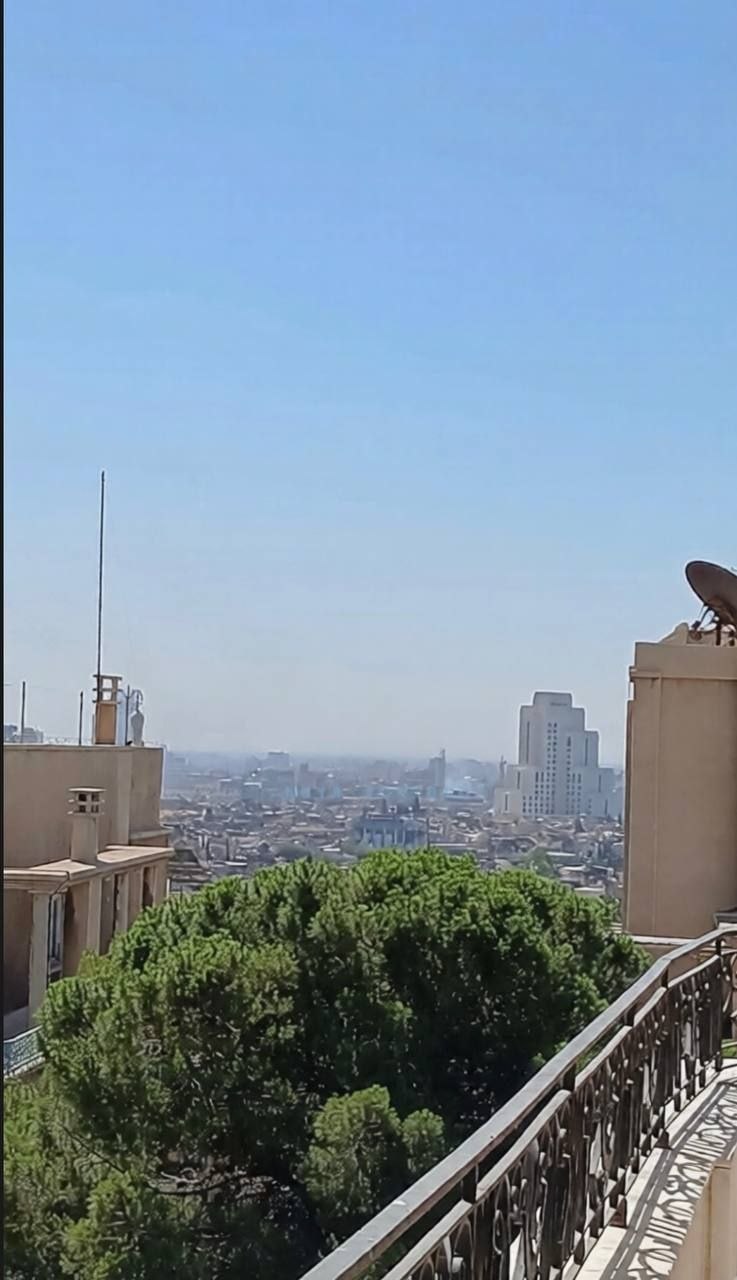
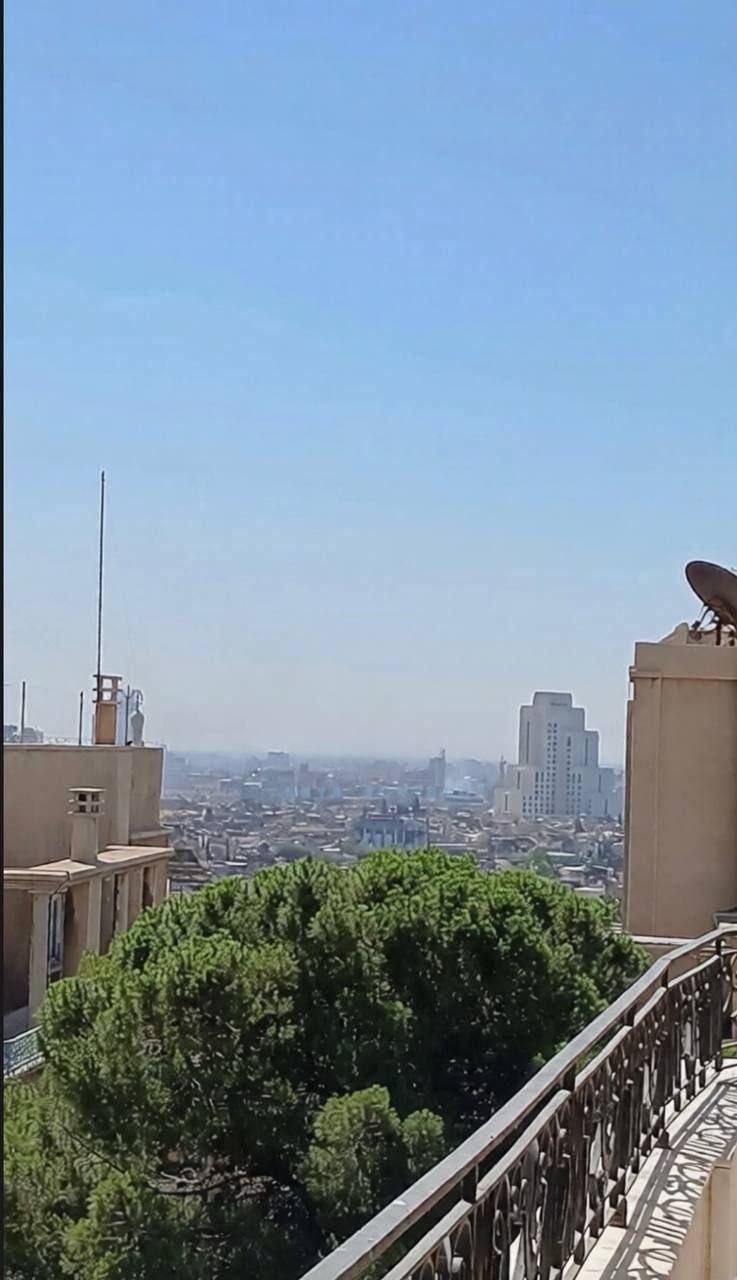
Physical damage was concentrated around the Ministry of Tourism complex, the French presidential residence, and a nearby luxury hotel. Photographic evidence released by CIG_telegram and GeoPWatch shows shattered windows, collapsed façades, and extensive smoke plumes. No military hardware was reported as a target, suggesting the attacks were aimed at symbolic civilian and diplomatic sites.
Weapons and Modus Operandi
While the majority of reports list “none” under weapons, the 07:43:52 account explicitly identifies a “car bomb” as the likely delivery mechanism. The 08:34:31 incident references “explosive devices” near the hotel, indicating the use of improvised explosive devices (IEDs). The lack of sophisticated weaponry points to a reliance on readily available explosives, possibly assembled by local militant cells.
The timing of the blasts – clustered within a two‑hour window during President Macron’s visit – suggests a coordinated campaign designed to maximize media exposure and political impact.
Organizational Attribution
No group claimed responsibility in the immediate aftermath. The Syrian Ministry of Tourism, listed as the organization associated with the primary target, is a civilian governmental body, not a military entity. The proximity to the French presidential residence implicates a motive to disrupt the diplomatic engagement between Syria and France.
Given the pattern of attacks on high‑profile civilian infrastructure and the absence of a clear claim, analysts consider the possibility of a splinter faction of an existing opposition network, or a newly formed cell seeking to leverage the international spotlight.
International and Diplomatic Implications
President Macron’s visit, the first by a French head of state to Damascus in over a decade, was framed as a step toward normalizing relations and discussing reconstruction. The explosions directly challenged that narrative, potentially complicating future diplomatic overtures.
France’s Ministry of Europe and Foreign Affairs has not yet issued a formal statement, but the incident is likely to prompt a reassessment of security protocols for foreign delegations in Syria. The attacks also raise concerns for other regional actors monitoring the evolving security landscape.
Conclusion
The July 7 explosions in Damascus represent a significant escalation in kinetic activity within the Syrian capital, combining lethal force against a senior government official with a broader campaign to undermine a high‑level diplomatic visit. The coordinated nature, choice of targets, and timing indicate a strategic intent to maximize political disruption. Ongoing investigations by Syrian security services, in conjunction with international partners, will be essential to identify the perpetrators and prevent further destabilization.