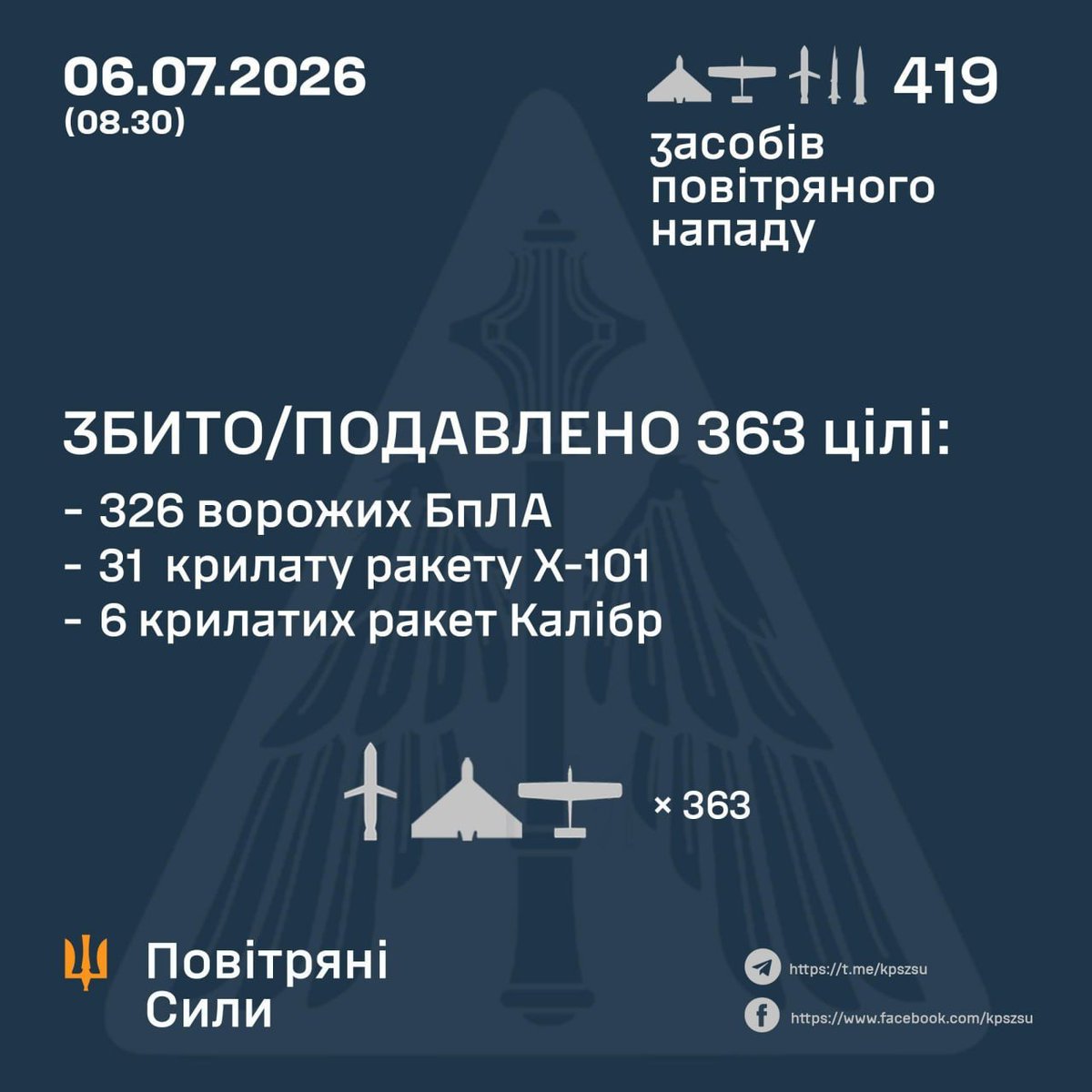
On 6 July 2026 a series of high‑intensity kinetic operations unfolded across several conflict zones, highlighting the breadth of modern warfare. The most consequential development was a large‑scale Russian missile and drone offensive against Ukraine, which involved approximately thirty‑nine cruise missiles and a swarm of unmanned aerial systems striking multiple oblasts.
Russian Missile and Drone Barrage on Ukraine
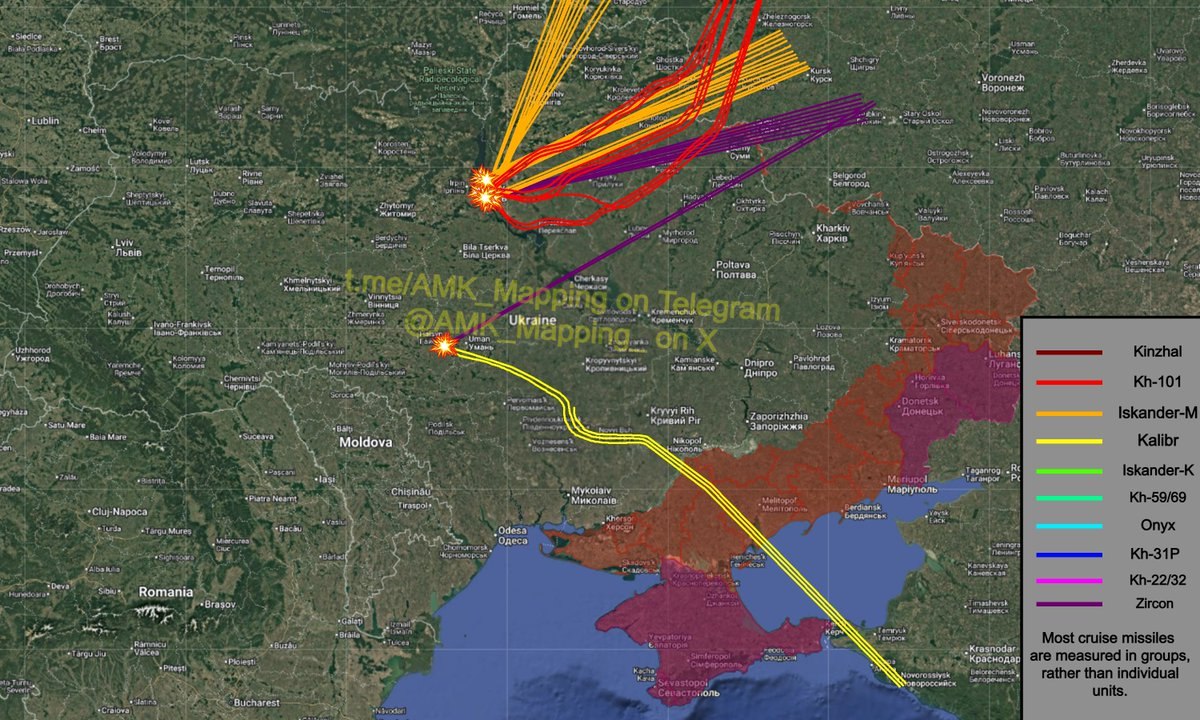
According to the Telegram channel monitor_the_situation, Russian forces launched a coordinated strike at 07:50:56 UTC employing Kh‑101, Kalibr and Zircon missiles alongside a variety of combat drones. The attack targeted strategic infrastructure and military installations across several Ukrainian regions. While Ukrainian air defenses intercepted a substantial portion of the onslaught, the remaining ordnance caused material damage and disrupted civilian services.
"Russia Launches Large-Scale Missile and Drone Attack on Ukraine" – monitor_the_situation
The weapon mix included long‑range cruise missiles (Kh‑101, Kalibr), hypersonic Zircon missiles and multiple drone types. Ukrainian officials reported that at least 29 missiles and 18 drones successfully impacted 34 separate sites, despite a high interception rate. No casualty figures were released in the immediate aftermath, but the breadth of the strike underscores Russia’s capacity to project power across a wide geographic area.
Secondary Explosions and Anti‑Air Defenses in Ukraine
Intelligence analysis from the intelslava channel, posted at 07:02:10 UTC, noted a pattern of secondary detonations following the Russian strike. The analysis suggested that a SAM launcher or an anti‑aircraft missile storage facility—potentially a Patriot depot—was hit, triggering additional explosions. This observation points to a deliberate targeting of Ukraine’s air‑defence assets, further degrading the nation’s ability to counter aerial threats.
"Numerous secondary detonations reported following the strike — likely caused by a hit on a SAM launcher or anti‑aircraft missile storage facility, possibly specifically targeting Patriot depots." – intelslava
In a separate report at 06:55:19 UTC, the same channel relayed Ukrainian military statements that the Russian offensive included ballistic missiles and Zircon hypersonic weapons that were not intercepted, marking the strike as “one of the worst” for Ukraine’s air‑defence system.
"Not a single ballistic missile or 'Zircon' was shot down." – intelslava
Israeli Airstrike in Lebanon
At 16:10:09 UTC, the Israeli Air Force conducted an airstrike in southern Lebanon that resulted in the death of a civilian teacher, as reported by Al Jazeera. The strike, carried out by aircraft, reflects the ongoing hostilities along the Israel‑Lebanon border despite intermittent cease‑fire declarations.
"Al Jazeera’s Heidi Pett brings you the latest from Lebanon, where Israeli strikes continue despite a ‘ceasefire’" – AlJazeera
The incident underscores the persistent risk to civilian populations in contested border zones and illustrates how air power continues to be a decisive tool for state actors in the region.
Kinetic Activity in Mali’s Anéfis Region
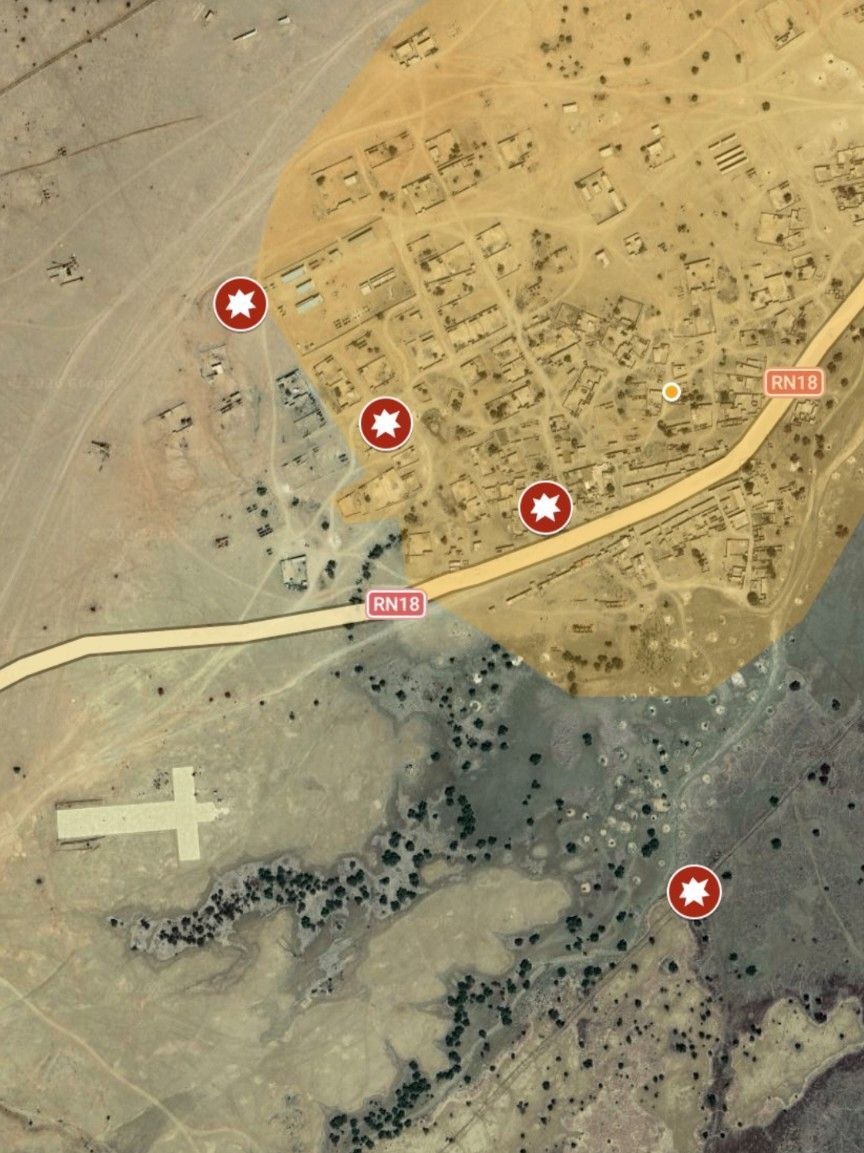
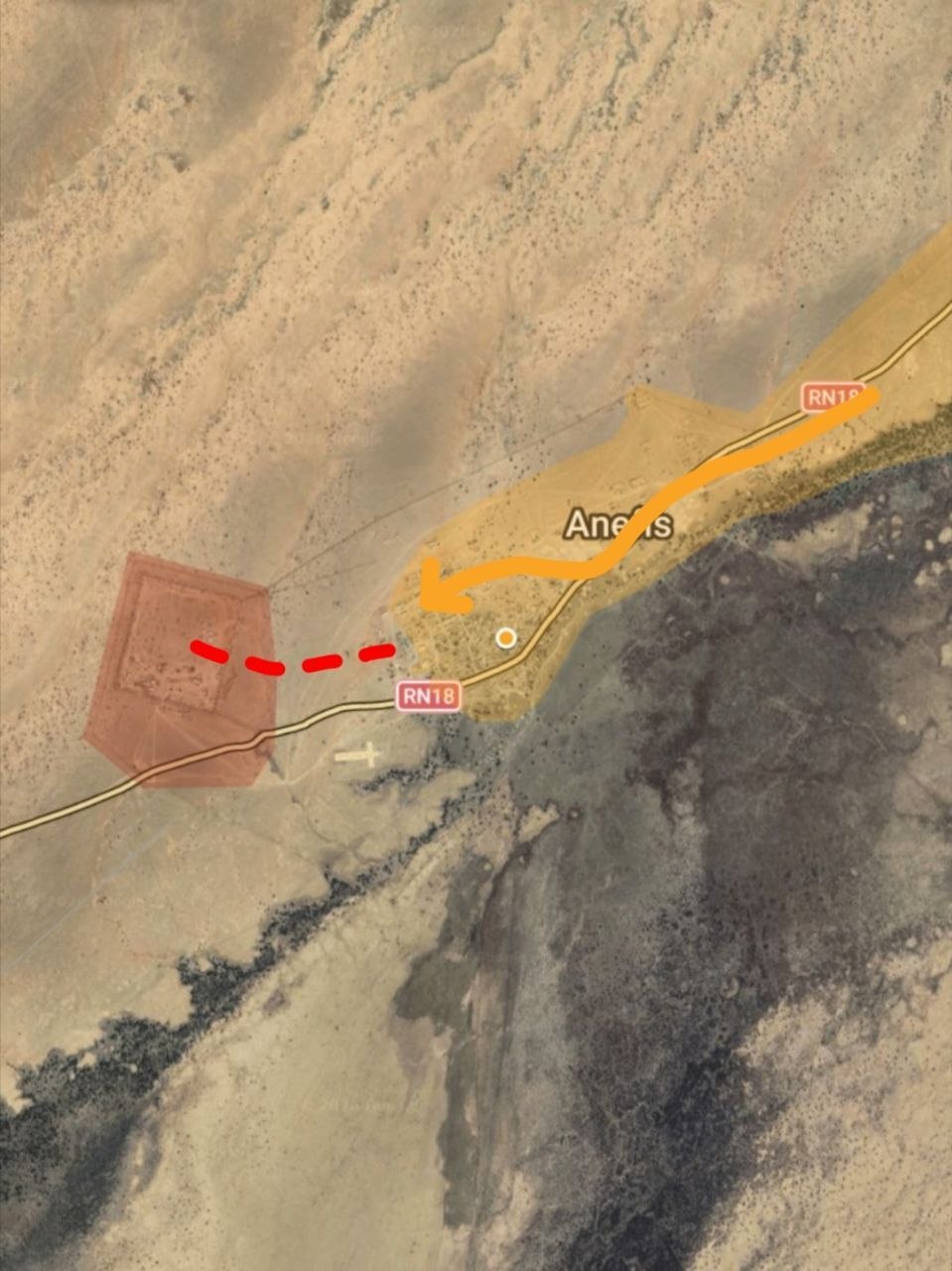
Multiple medium‑severity events were recorded in Mali’s Anéfis area, where the junta’s forces are engaged in a protracted battle against the France‑aligned Africa Corps (FLA) and the local militia FAMa. At 12:27:54 UTC, the junta intensified air and drone strikes to retake the town, while at 12:32:59 UTC a convoy dispatched from Gao to reinforce junta positions was ambushed, forcing a retreat. During the evacuation attempt, two helicopters sustained severe damage and a third was shot down.
"A convoy from Gao to reinforce the junta’s forces in Anéfis was ambushed, forced to turn back, and evacuation helicopters were repeatedly shot at, with two damaged and one shot down." – rnintel
Further reports from the FLA at 10:23:12 UTC indicated ongoing combat against remaining FAMa/Africa Corps elements, with the first documented appearance of Russian‑operated Shahed drones in the area, suggesting a widening of external involvement.
"Russian‑operated Shahed drones have been spotted there for the first time." – rnintel
These developments illustrate a complex interplay of local insurgent dynamics and foreign military technology, raising the risk of escalation.
UAV Operations Across the Russia‑Ukraine Front
Both sides employed unmanned aerial systems in targeted strikes. At 10:09:29 UTC, Ukrainian drones attacked the Russian 26th missile brigade training ground in Luga, Leningrad Oblast, demonstrating Ukraine’s capability to project force deep into Russian territory.
"Ukrainian drones struck the Russian 26th missile brigade training ground in Luga, Leningrad Oblast." – monitor_the_situation
Conversely, Russian Geran‑2 and Geran‑4 Seeker drones hit Ukrainian energy infrastructure—including gas stations, rail lines, a gas distribution centre and a warehouse—at 09:45:30 UTC, disrupting civilian logistics.
"Russia Strikes Ukrainian Energy Infrastructure With Geran Drones" – monitor_the_situation
Ukrainian drone activity also resulted in collateral damage within Russian ports. According to the Jerusalem Post, debris from downed Ukrainian drones damaged the ports of Ust‑Luga and Vysotsk, with regional authorities reporting 56 drones shot down in the broader region.
"Ukrainian drones were shot down, with debris damaging the Russian ports of Ust‑Luga and Vysotsk." – JPost
Illegal Israeli Colonist Incursion into Syria
At 12:29:52 UTC, the Israeli army arrested at least 70 Israeli colonists who had illegally crossed into Syrian territory in an attempt to establish a new settlement, as reported by the CIG_telegram channel.
"At least 70 Israeli colonists were arrested by the Israeli army following their illegal entry inside Syria in an attempt to establish a colony." – CIG_telegram
This incident reflects ongoing tensions along the Israel‑Syria frontier and the potential for cross‑border confrontations.
Analytical Overview
The events of 6 July 2026 demonstrate a pattern of high‑intensity kinetic engagements across disparate theaters. In Ukraine, the integration of cruise missiles, hypersonic weapons and drones indicates a multi‑layered approach aimed at overwhelming air‑defence systems and striking both military and civilian targets. The secondary detonations reported by intelslava suggest a strategic focus on degrading Ukraine’s air‑defence infrastructure, which could have longer‑term implications for the country’s defensive posture.
In the Levant, Israel’s continued use of airpower in Lebanon, despite diplomatic overtures, underscores the fragility of cease‑fire arrangements and the propensity for rapid escalation following isolated incidents.
In West Africa, the Mali conflict illustrates how external actors—potentially Russia via Shahed drones—are influencing local power balances, while the ambush of a junta convoy and the loss of helicopters highlight the high operational risk for ground movements in contested zones.
UAV deployments on both sides of the Russia‑Ukraine war reveal an expanding battlefield beyond traditional frontlines, with deep‑strike capabilities that threaten critical infrastructure and logistical nodes.
Collectively, these kinetic events reflect a broader trend toward the use of precision‑guided munitions, hypersonic missiles and unmanned systems to achieve strategic objectives while minimizing the exposure of personnel.