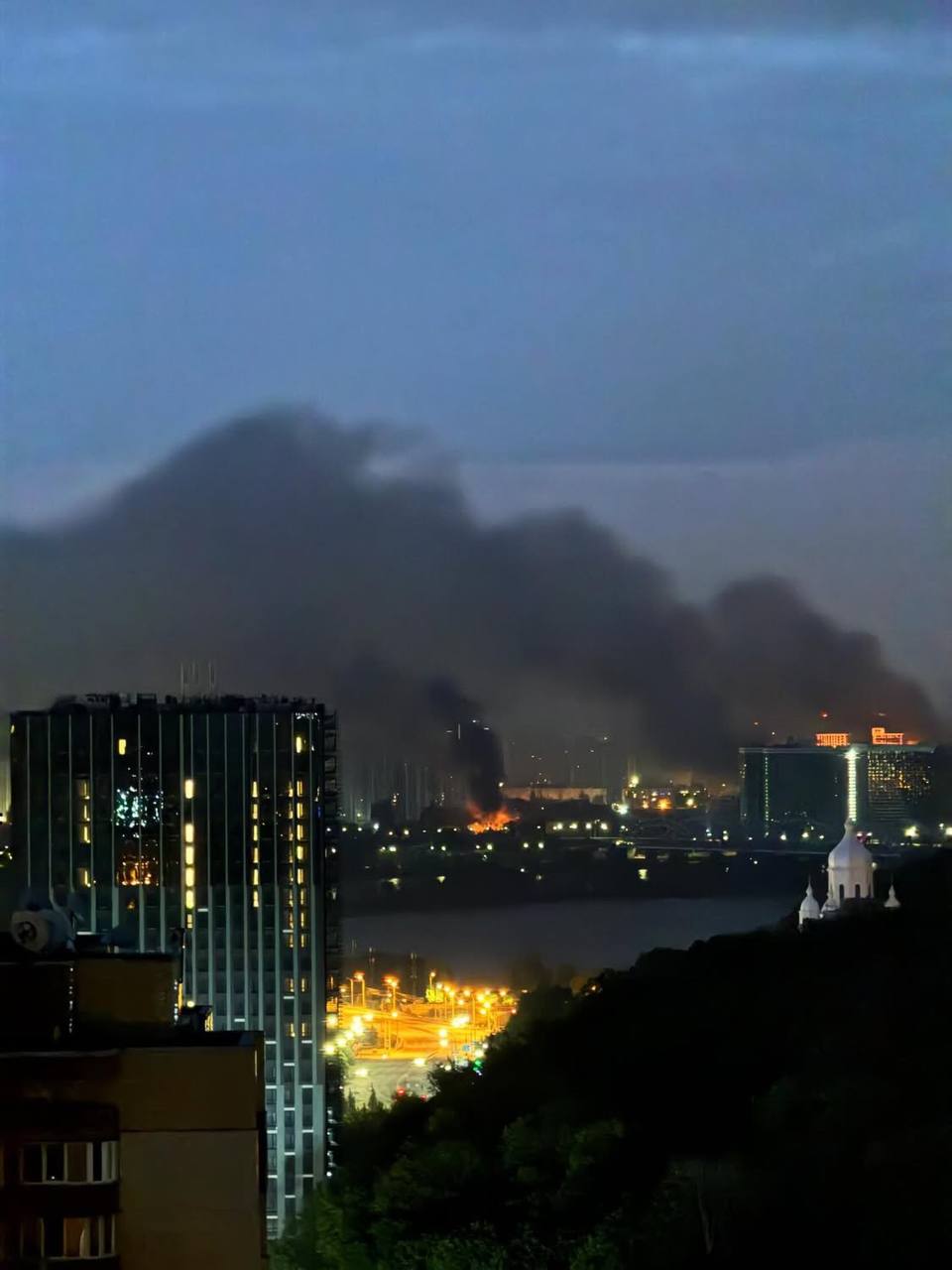
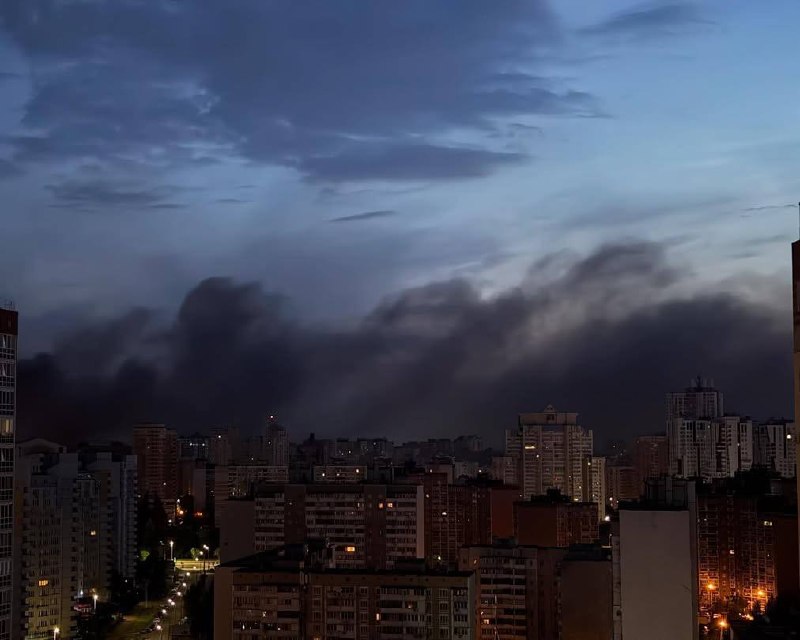
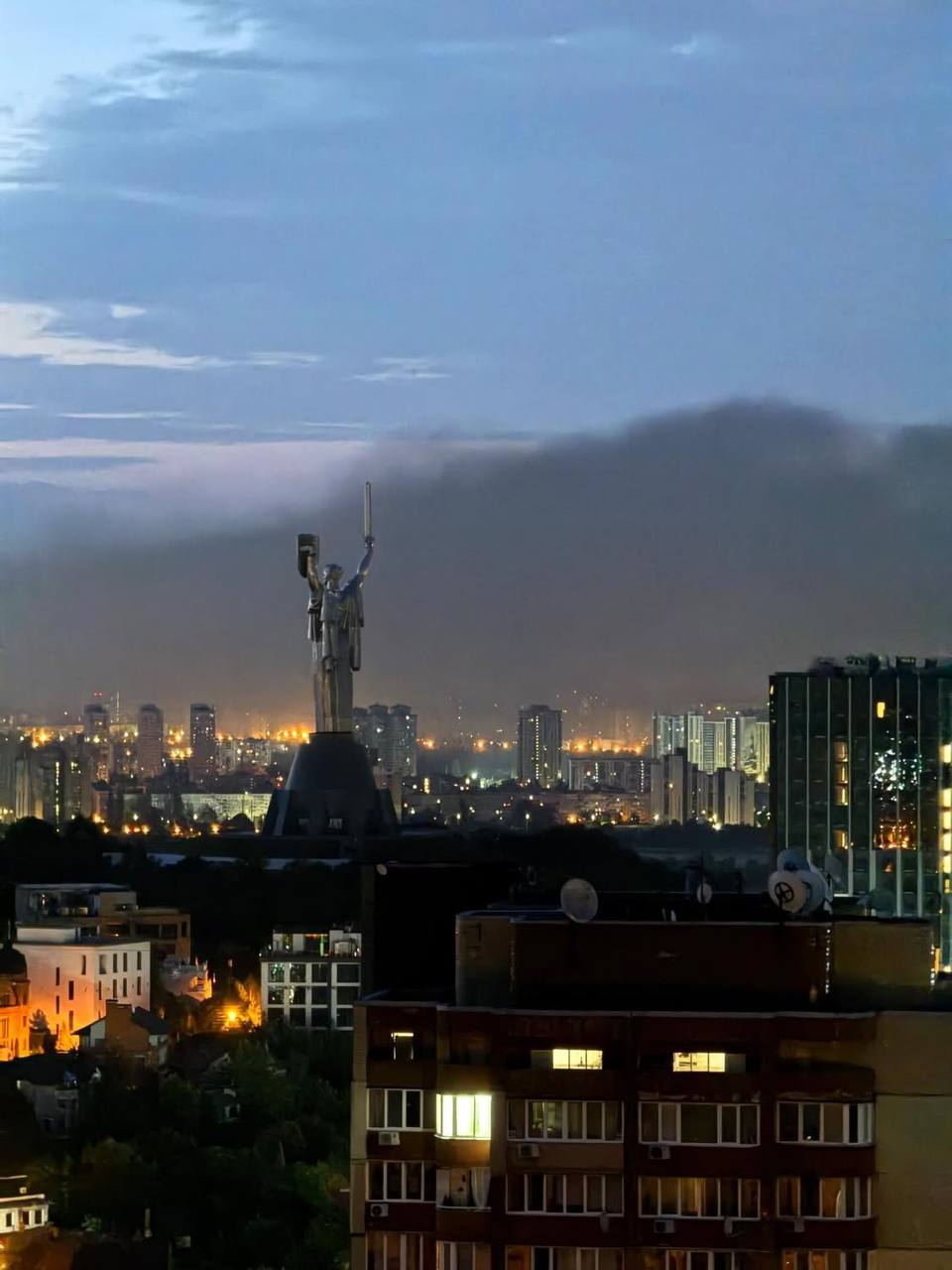
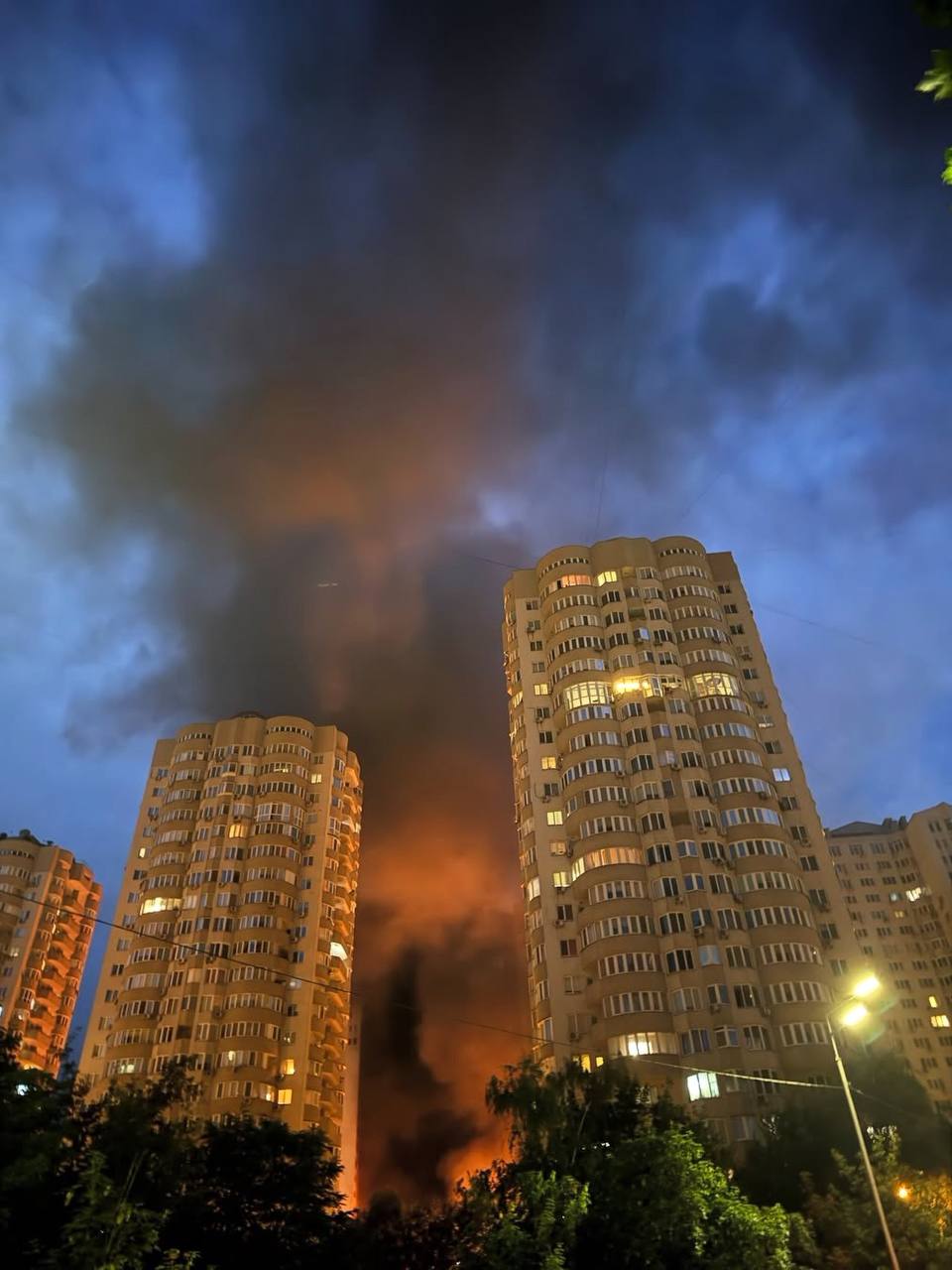
In the early hours of 6 July 2026, Russian forces executed a synchronized campaign of ballistic, cruise, hypersonic missiles and unmanned aerial systems (UAS) targeting critical Ukrainian infrastructure and densely populated areas. The operation, which unfolded across multiple time zones, reflects a deliberate escalation aimed at degrading Ukraine's defence‑industrial capacity while imposing civilian hardship.
Key strike on a missile‑production facility
At 02:57 UTC, Russian Iskander‑M short‑range ballistic missiles and Zircon hypersonic cruise missiles slammed the Zhulyany Machine‑Building Plant "Vizar" in Vyshneve, Kyiv Oblast. The plant manufactures components for the R‑360 Neptune anti‑ship cruise missile and for the 5V55 and 48N6 missiles that equip the S‑300 air‑defence system. No casualties were reported, but the loss of a production hub for these systems represents a strategic blow to Ukraine’s indigenous missile capability.
"Russian Iskander‑M ballistic missiles and Zircon hypersonic cruise missiles struck Ukraine's Zhulyany Machine‑Building Plant 'Vizar' in Vyshneve, Kyiv Oblast,"(Source: intelslava).
Intensified attacks on Kyiv
Simultaneously, the capital endured a cascade of strikes. At 01:13 UTC, a mixed salvo of missiles and drones hit Kyiv, producing a series of visual reports that showed explosions across the city (CIG_telegram). Shortly thereafter, at 00:54 UTC, a missile destroyed a building belonging to the Roshen Corporation, a major Ukrainian confectionery manufacturer, underscoring the targeting of economic assets (intelslava).
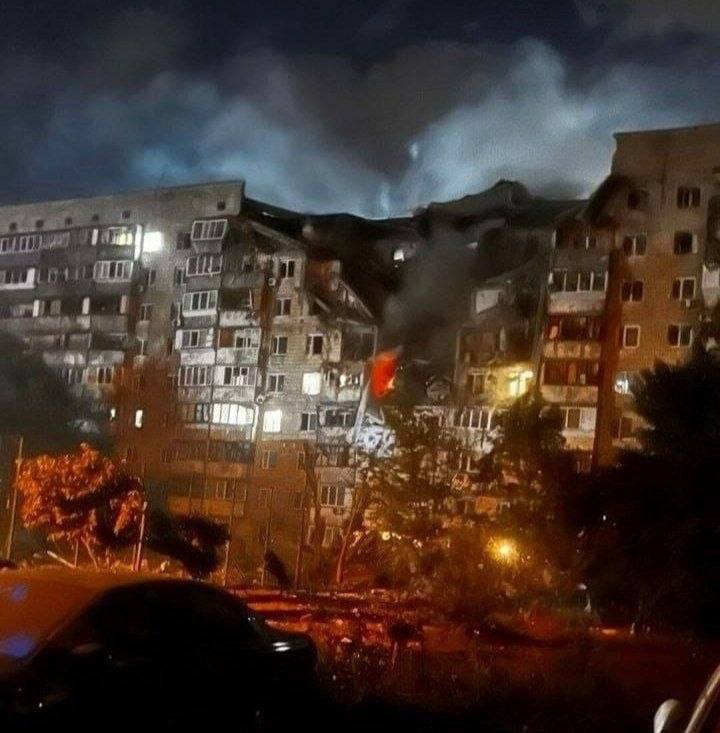
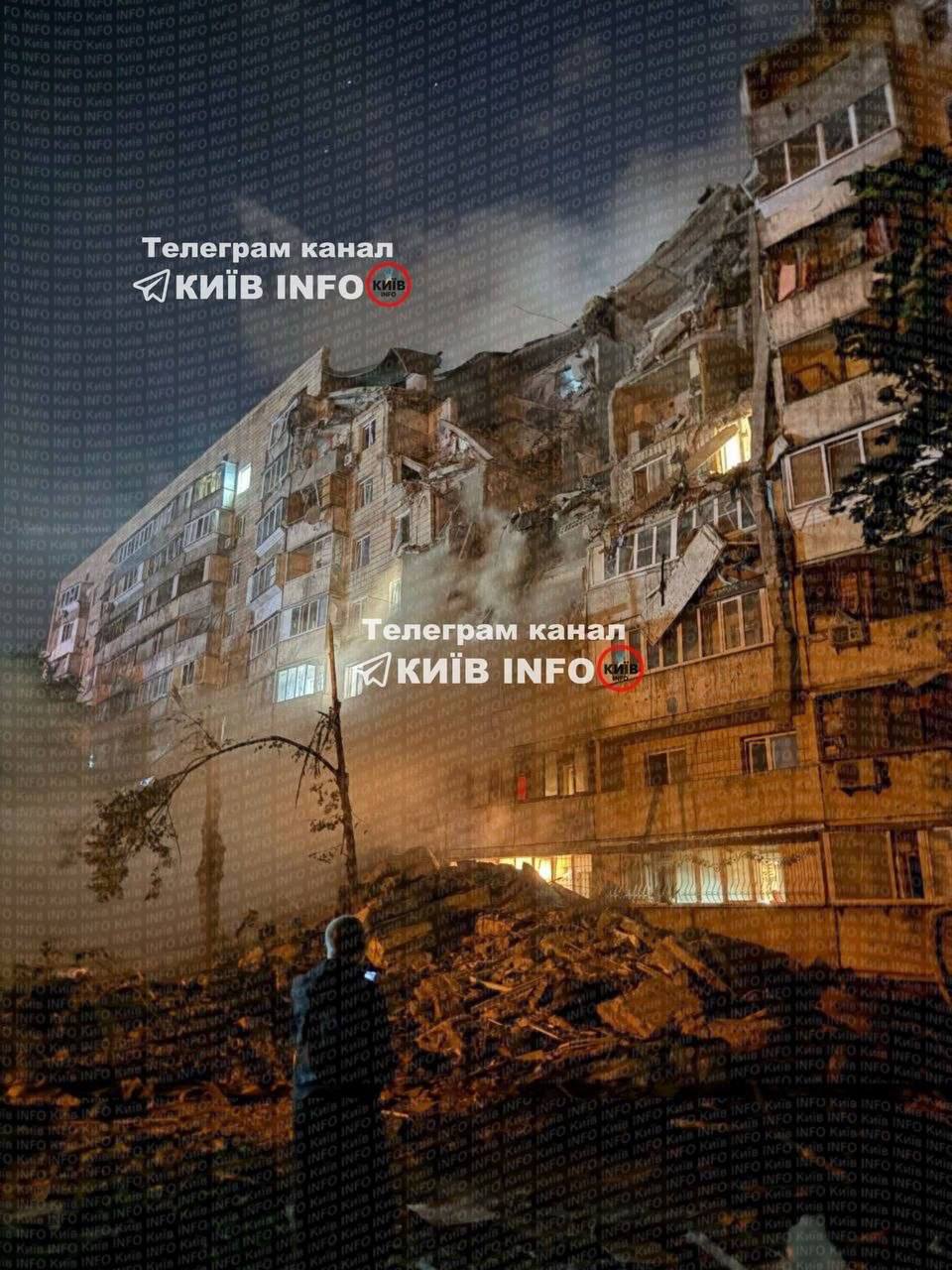
At 00:45 UTC, a multi‑storey residential block in the historic Podilskyi district sustained a direct hit, with local authorities fearing casualties, although official numbers were not yet available (BellumActaNews). The following minute, Russian forces launched Kh‑101 cruise missiles and Geran‑2 loitering munitions over Kyiv, a combination that blends high‑speed, long‑range strike capability with persistent, target‑tracking drones (rnintel).
By 00:31 UTC, Kyiv’s mayor, Vitali Klitschko, confirmed that six civilians had been injured in the broader assault, highlighting the human toll of the barrage (monitor_the_situation). The same hour saw Russian Iskander missiles re‑engaged, accompanied by up to twenty inbound Kh‑101 cruise missiles and a swarm of attack drones, indicating a sustained high‑intensity phase (intelslava).
Additional cruise missile activity was reported over Boryspil Airport at 00:08 UTC, suggesting an intent to disrupt both civilian travel and logistical supply lines (intelslava). Earlier, at 00:00 UTC, intelligence channels warned that approximately ten cruise missiles were already in Ukrainian airspace en route to Kyiv, confirming the pre‑planned nature of the strike package (intelslava).
Regional strikes beyond the capital
Outside the capital, Russian drones targeted the port city of Bilhorod‑Dnistrovskyi in Odesa Oblast at 00:06 UTC, striking undisclosed sites. While casualty figures were not released, the attack aligns with a broader pattern of using UAVs to pressure southern logistics hubs (intelslava).
Ukrainian counter‑strike in occupied Crimea
In a reciprocal action, Ukrainian drones struck a fuel and oil terminal in the Russian‑occupied city of Kerch, Crimea, at 05:54 UTC, igniting a large fire and temporarily disrupting fuel supplies to the peninsula (monitor_the_situation). The incident demonstrates Kyiv’s capacity to project retaliatory strikes into contested territories, adding a layer of complexity to the evolving conflict dynamics.
Analytical assessment
The coordinated use of Iskander‑M ballistic missiles, Zircon hypersonic weapons, Kh‑101 cruise missiles, and a spectrum of loitering munitions reflects a multi‑domain approach designed to overwhelm Ukrainian air‑defence systems. By striking a key missile‑production facility, Russia aims to erode Ukraine’s ability to replenish its own strike assets, while the simultaneous bombardment of Kyiv seeks to degrade command‑and‑control, civilian morale, and economic resilience. The inclusion of drone attacks in both the capital and peripheral regions illustrates an integrated strategy that blends kinetic and non‑kinetic effects.
Ukrainian resilience, as evidenced by limited casualty figures relative to the scale of the attack and the capacity to conduct retaliatory UAV operations in Crimea, suggests that despite the intensity of the Russian barrage, defensive measures and rapid response protocols remain partially effective. However, the cumulative impact on critical infrastructure—particularly the loss of the Zhulyany plant—may have longer‑term implications for Ukraine’s indigenous missile programmes.