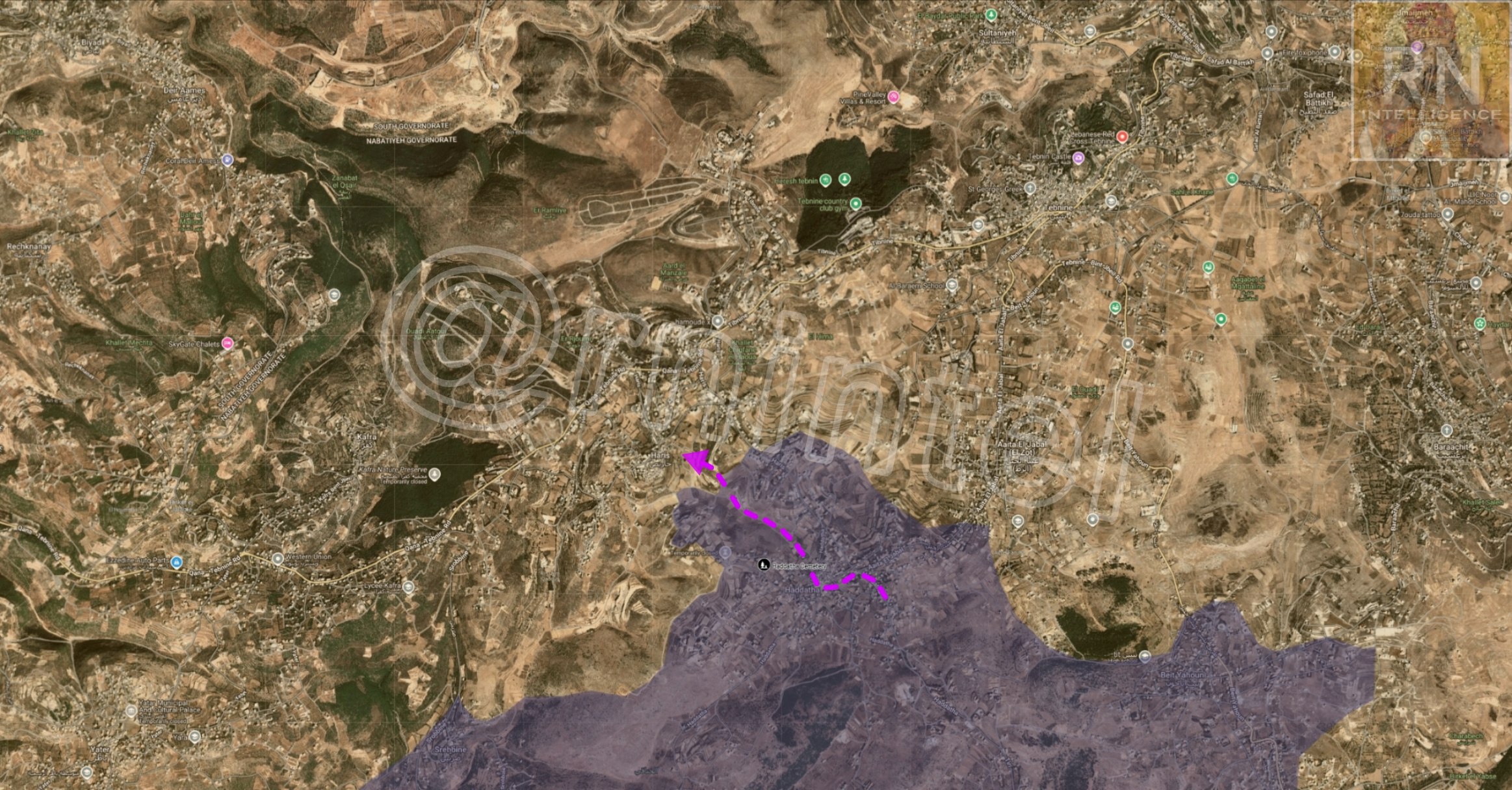
On July 6, 2026, a series of coordinated Israeli kinetic actions unfolded across southern Lebanon, encompassing high‑intensity airstrikes, drone attacks, and the first reported ground incursion since the 2020 Lebanon‑Israel framework agreement. The most consequential event was an airstrike on residential structures in Bint Jbeil, which escalated cease‑fire violations and produced civilian casualties.
High‑Severity Airstrike in Bint Jbeil
At 13:42 local time, Israeli aircraft bombed multiple homes in the Bint Jbeil district of southern Lebanon. The strike, documented by the monitoring channel monitor_the_situation, targeted civilian dwellings and was accompanied by video evidence (source). While exact casualty figures were not released in the immediate report, the incident is classified as a high‑severity violation of the cease‑fire, underscoring a shift toward direct attacks on populated areas.
"Israeli airstrikes bombed residential homes in Bint Jbeil district of southern Lebanon, raising ceasefire violations." – monitor_the_situation
The use of conventional air‑delivered munitions against non‑military structures marks a departure from prior engagements that primarily focused on Hezbollah‑linked targets. International observers have noted that such actions risk broader civilian harm and may trigger retaliatory measures.
Drone Strikes Resulting in Fatalities
Earlier in the day, at 10:57, an Israeli unmanned aerial vehicle (UAV) conducted a strike in the city of Nabatieh, killing four individuals, as reported by the National News Agency (NNA) and relayed by monitor_the_situation (source). The precise identity of the victims was not disclosed, but the incident illustrates the lethal capacity of UAV operations in densely populated urban settings.
At 09:41, another UAV targeted a civilian car in the al‑Fawqa district of Nabatieh, an action described by rnintel as a possible assassination attempt (source). No casualties were reported in that strike, yet the event signals a pattern of precision targeting that may extend beyond conventional military assets.
Additional drone activity was recorded at 10:21, when an Israeli UAV struck an unspecified location in southern Lebanon, directly contravening the US‑mediated cease‑fire (source). While casualty data for this incident remain unavailable, the cumulative effect of multiple UAV engagements underscores an escalation in aerial pressure on Lebanese territory.
Targeted Strike on Suspected Hezbollah Vehicle Near Al Aqida
At 15:02, the Israeli Air Force (IAF) engaged a vehicle approaching the Al Aqida security zone, a region designated for monitoring cross‑border movements. According to monitor_the_situation, the target was identified as a suspected Hezbollah operative, and the strike eliminated the perceived threat (source). No civilian casualties were reported, and the operation demonstrates Israel’s continued focus on degrading Hezbollah’s logistical capabilities.
First Documented IDF Ground Incursion Since 2020
At 13:37, an Israeli ground unit advanced north of Haddatha Cemetery toward the town of Haris in the Tebnine District, marking the first reported ground violation of the Lebanon‑Israel framework agreement (rnintel, source). Photographic evidence showed Israeli troops moving on foot, a tactical shift from the predominantly aerial enforcement observed in prior months. While the incursion did not result in immediate combat, its strategic significance lies in the potential for expanded ground operations.
The movement aligns with broader Israeli objectives to pressure Hezbollah and disrupt cross‑border smuggling routes. Analysts note that ground presence may facilitate intelligence gathering and enable more precise targeting of militant infrastructure.
IDF Seizure of Hezbollah Armaments
In a separate operation reported by the Jerusalem Post at 10:51, the IDF announced the destruction of Hezbollah infrastructure in a southern Lebanese village and the recovery of over 150 weapons (source). The cache included small arms, explosives, and communication equipment, indicating a substantial logistical node within Hezbollah’s supply chain.
While the exact village name was not disclosed, the operation reflects a sustained Israeli effort to degrade the militant group’s operational capacity ahead of any potential escalation.
Overall Assessment of July 6 Kinetic Activity
The coordinated nature of the July 6 events—spanning high‑altitude airstrikes, UAV engagements, and a ground incursion—demonstrates a multi‑dimensional Israeli approach to pressure Hezbollah and enforce the cease‑fire terms. Civilian casualties, particularly in Bint Jbeil and Nabatieh, raise concerns under international humanitarian law, emphasizing the need for transparent casualty reporting and adherence to proportionality principles.
Continued monitoring of these kinetic patterns is essential for assessing the risk of broader conflict escalation and for informing diplomatic efforts aimed at reinforcing the cease‑fire framework.