The Israel Defense Forces (IDF) conducted a series of kinetic operations in Lebanon on July 5, 2026, marking a notable escalation in cross‑border hostilities. The most consequential event occurred in the Al Akida area of the Israel‑Lebanon border region, where IDF forces eliminated a Hezbollah terrorist cell operating on motorcycles. The operation was followed by an Israeli Air Force (IAF) strike in southern Lebanon and continuous artillery shelling targeting villages such as B'rashit (Abu Ali). All three incidents were reported by the Telegram channel idkunim_il, which provided video, photographic, and textual evidence.
Ground Strike on Hezbollah Cell in Al Akida
At 17:24 local time, IDF elite commando units identified a Hezbollah cell maneuvering on motorcycles near the security zone that separates Israeli forces from Lebanese territory. According to an IDF spokesperson, the cell’s movements “posed a direct threat to our forces.” The IDF responded with a “precise strike” that neutralized the operatives. No casualties among Israeli personnel were reported, and the Hezbollah cell suffered “elimination,” though exact casualty figures were not disclosed. The operation was captured on video and disseminated via the idkunim_il channel (source: https://t.me/idkunim_il/61156).
"After identification, the IDF carried out a precise strike against the Hezbollah terrorist cell in the Al Akida area," IDF spokesperson said.
Key details: location – Al Akida border area; weapons – ground‑based precision strike (no specific weapon type disclosed); organizations – Israel Defense Forces and Hezbollah; casualties – no Israeli losses, Hezbollah operatives neutralized; source – idkunim_il.
Israeli Air Force Strike in Southern Lebanon
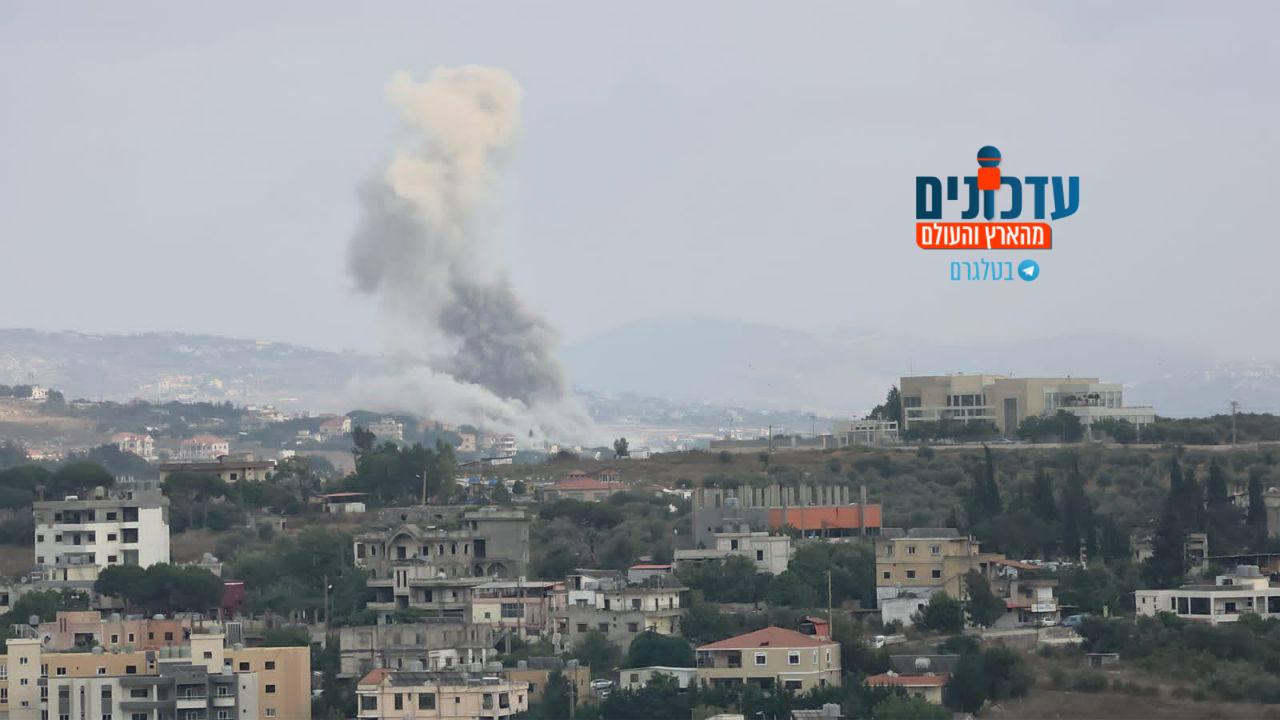
Earlier in the day, at 14:41, the Israeli Air Force launched an aerial attack on an undisclosed target in southern Lebanon. The strike was executed by aircraft, though the specific platform (e.g., F‑16, F‑35) was not identified in the source material. Photographic evidence accompanying the report showed smoke and debris at the impact site. The idkunim_il channel posted the image with a brief caption: “The Air Force attacks in southern Lebanon.” No casualty figures were released, and the target’s nature—whether military infrastructure, weapons storage, or a command node—remains unconfirmed.
Source URL: https://t.me/idkunim_il/61148.
Continuous Artillery Shelling Across Southern Villages
From the early morning hours, the IDF engaged in sustained artillery fire across multiple villages in southern Lebanon, with particular emphasis on the B'rashit (Abu Ali) area. The shelling began around 10:09 and continued throughout the day, according to Lebanese media reports relayed by idkunim_il. The weapon system employed was standard artillery, though caliber and model were not specified. The reports did not include casualty numbers, suggesting either a lack of confirmed injuries or that the information was not yet available at the time of reporting.
Source URL: https://t.me/idkunim_il/61139.
Operational Context and Assessment
The coordinated nature of the three events—ground, air, and artillery—indicates a multi‑domain approach by the IDF aimed at degrading Hezbollah’s operational capabilities along the border. The elimination of a mobile cell in Al Akida removes an immediate tactical threat to Israeli forces stationed in the security zone. Simultaneously, the aerial strike and artillery barrage serve to pressure Hezbollah’s logistical networks and deter further incursions.
While the IDF has not publicly disclosed strategic objectives for the July 5 operations, the pattern aligns with previous Israeli responses to perceived Hezbollah provocations. The use of precise ground strikes, combined with broader air and artillery campaigns, reflects an intent to achieve both immediate tactical gains and longer‑term strategic pressure without escalating to a full‑scale ground invasion.
From a conflict‑monitoring perspective, the events underscore the volatility of the Israel‑Lebanon border and the potential for rapid escalation. The absence of reported civilian casualties in the available sources does not preclude the possibility of unreported injuries, given the densely populated nature of many southern Lebanese villages. Ongoing monitoring of local media, humanitarian reports, and official statements will be essential to assess the humanitarian impact and any subsequent shifts in the rules of engagement.