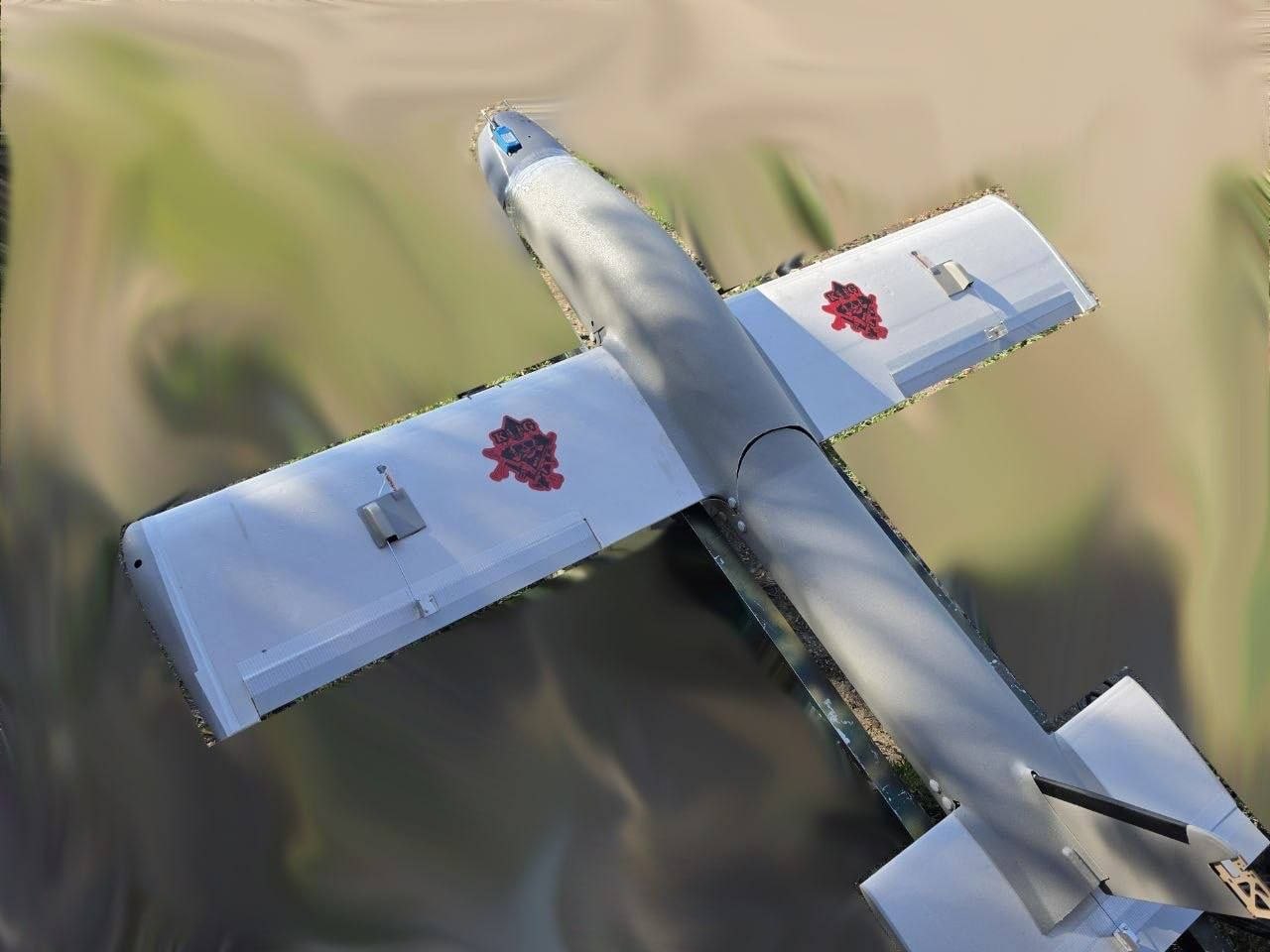
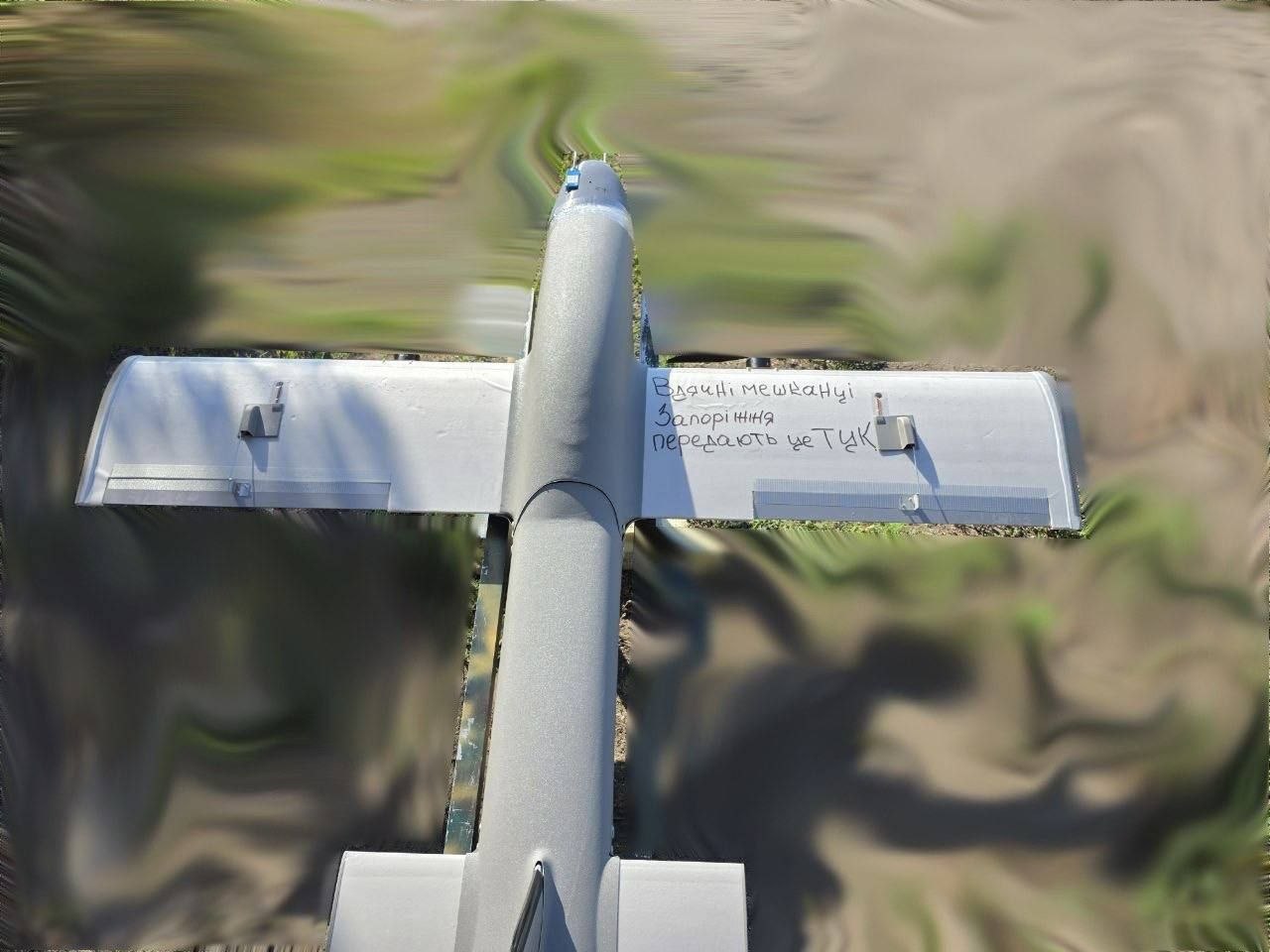
On 4 July 2026, Russian forces intensified their aerial campaign against Ukraine by deploying Geran‑4 jet‑powered drones over Kyiv. The high‑speed unmanned aircraft, capable of reaching 310 mph, penetrated the city’s air‑defence envelope, causing civilian casualties and material damage. The attack, reported by OSINTdefender (source), marks the most severe kinetic event of the day and underscores a shift toward faster, harder‑to‑intercept UAVs in the Russian arsenal.
Geran‑4 Strikes on Kyiv
The Geran‑4 sorties began at 14:07 UTC, targeting densely populated districts in the capital. According to the OSINTdefender feed, the drones were launched from undisclosed locations in Russian‑occupied territory and approached Kyiv from the north, exploiting gaps in the layered air‑defence network. Ukrainian authorities confirmed multiple civilian injuries and damage to residential structures, though exact casualty figures remain unverified pending official reports.
"Russia is using fast Geran‑4 jet‑powered drones to strike Kyiv, causing civilian casualties and damage," OSINTdefender noted.
The Geran‑4’s speed and low‑observable profile challenge existing surface‑to‑air missile systems, prompting Ukrainian commanders to re‑evaluate interception tactics and prioritize radar upgrades along the capital’s perimeter.
Emerging Drone Technologies on Both Sides
In parallel with the Geran‑4 attacks, the Ukrainian Defence Ministry disclosed the deployment of AI‑controlled Molniya drones on the frontlines (source). These autonomous platforms can identify and engage targets without operator input, a capability that complicates traditional electronic‑warfare countermeasures. The ministry warned that Molniya drones are not detected by standard drone‑detector systems, suggesting a potential blind spot in Ukraine’s current air‑defence posture.
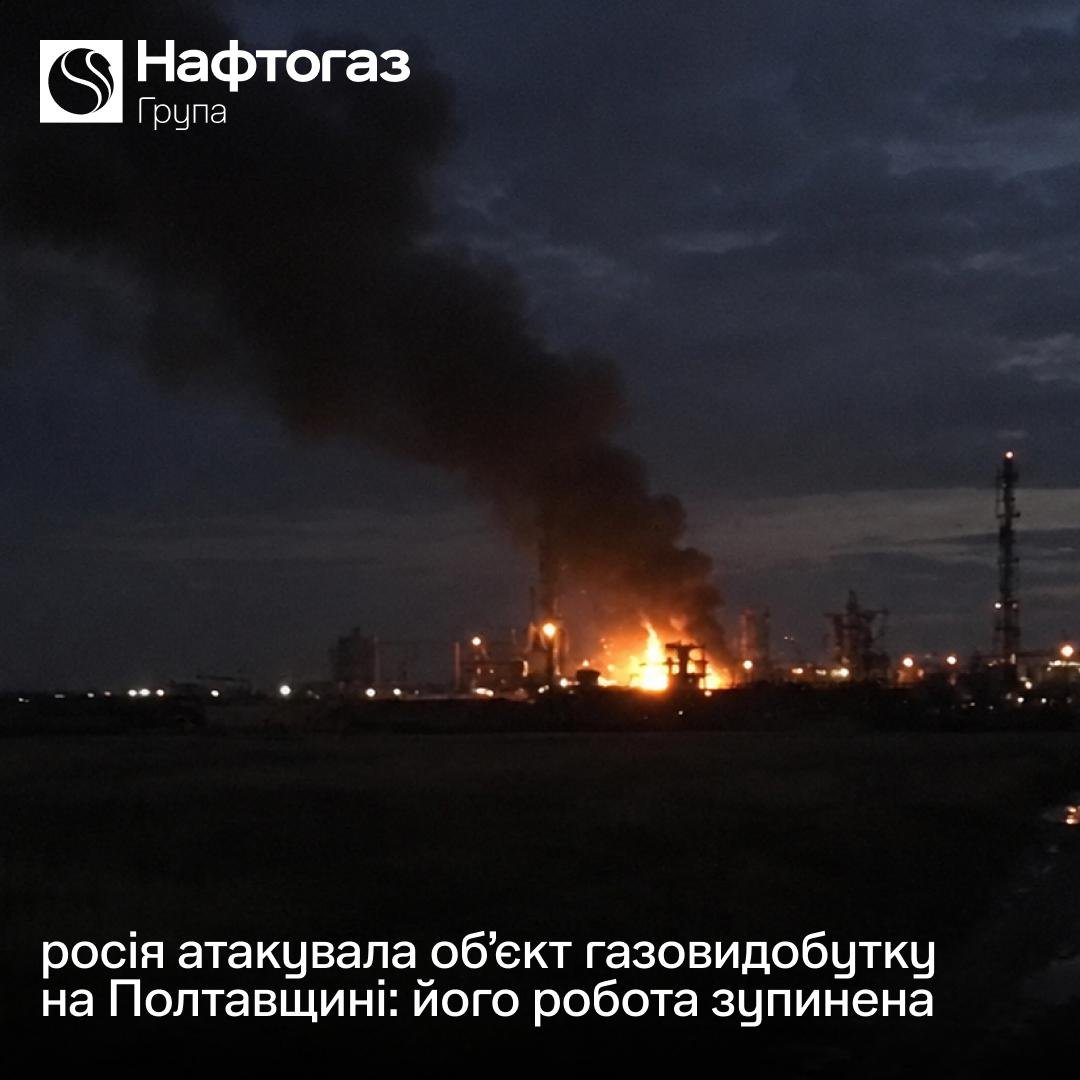
Russia continued to employ its earlier‑generation Geran‑2 drones, striking a gas extraction facility in Poltava Oblast and an industrial site in Zaporizhzhia. Both attacks, reported by Monitor the Situation (Poltava, Zaporizhzhia), ignited fires but resulted in no reported casualties. The incidents illustrate a broader Russian strategy of using inexpensive UAVs to disrupt critical infrastructure while conserving more advanced assets for high‑value targets.
Ukrainian Counter‑UAV Operations
Ukraine demonstrated a growing proficiency in counter‑UAV tactics. At 15:03 UTC, a Hornet kamikaze drone was neutralised on the Donetsk‑Mariupol route by fire from a MOG machine gun, as documented by intelslava (source). The engagement highlights the effectiveness of small‑calibre rapid‑fire weapons against low‑altitude, slow‑moving UAVs.
Conversely, Ukrainian forces employed their own drone capabilities offensively. A HUR drone strike on 12:06 UTC destroyed a Russian MiG‑29 at Belbek airbase in occupied Crimea (source). The operation, attributed to Ukrainian military intelligence, demonstrates the expanding role of combat drones in targeting high‑value air assets beyond the frontlines.
Further north, the 81st Slobozhanska Brigade’s drone battalion penetrated 60 km into Donetsk Oblast, striking a Russian checkpoint and armored vehicles near Sloviansk (source). The attack disrupted logistics and supported the defence of the Sloviansk axis, underscoring the strategic impact of medium‑range UAVs in shaping ground engagements.
Air‑Strike Campaigns and Ground Movements
Ukrainian air power also played a decisive role on 4 July. Fighter jets, coordinated with FPV drones, destroyed a concealed Russian Buk‑M3 air‑defence system and hit two command posts in Donetsk Oblast (source). The elimination of the Buk‑M3 reduces the threat to Ukrainian aircraft operating in the sector and may facilitate further aerial operations.
On the ground, Russian forces announced the capture of Kostiantynivka in Donetsk Oblast at 10:16 UTC (source). The city’s fall after a nine‑month battle represents a notable territorial gain for Moscow, potentially opening a corridor toward the Donetsk defensive line. No independent verification of the claim was available at the time of writing.
Cultural and Civilian Infrastructure Under Fire
Beyond military targets, Russian strikes continued to affect civilian and cultural sites. At 15:12 UTC, a historic school built in 1904 in Zaporizhzhia sustained damage from a Russian strike (source). The building, an architectural monument, suffered structural harm, raising concerns about the preservation of cultural heritage amid ongoing hostilities.
Collectively, the events of 4 July illustrate a multi‑dimensional kinetic environment in Ukraine, where high‑speed UAVs, AI‑driven platforms, conventional air strikes, and ground maneuvers intersect.