On July 4, 2026, the Middle East and Eastern Europe witnessed a convergence of high‑intensity military actions that underscore a broader pattern of escalation. In Tehran, Iran, preparations for a massive funeral for Supreme Leader Ali Khamenei unfolded alongside a deadly Israeli drone strike in Gaza that killed a child and injured another. The events, reported by AlJazeera, illustrate how ceremonial gatherings and combat operations can intersect, amplifying regional volatility.
"Millions are expected in Tehran for the funeral of Ali Khamenei, while a drone strike in Gaza killed a child and injured another," AlJazeera reported.
Iran: Funeral Preparations Amid Gaza Drone Strike
The funeral of Iran’s Supreme Leader is set to draw millions to Tehran, according to live coverage by AlJazeera. Security forces have deployed extensive crowd‑control measures, and the Iranian government has warned of potential external provocations during the mourning period. Simultaneously, Israeli civil defence officials confirmed that a drone strike in the Gaza Strip resulted in the death of a child and injuries to another civilian. The strike employed a small‑scale unmanned aerial vehicle (UAV) equipped with precision‑guided munitions, a tactic frequently used by Israel in its ongoing campaign against Hamas.
Both incidents occurred within hours of each other, linking two separate theaters of conflict through a shared timeline. While the Tehran funeral is a domestic political event, the Gaza drone strike reflects Israel’s continued reliance on UAVs to target what it describes as militant infrastructure. The juxtaposition highlights the interconnected nature of regional security dynamics, where a high‑profile political ceremony can coincide with lethal kinetic action across a contested border.
Russia: Ukrainian Drone Attack on St. Petersburg Oil Terminal
At 03:40:55 UTC, Ukrainian‑operated attack drones struck an oil terminal in St. Petersburg, Russia, igniting a blaze that produced visible explosions and thick smoke over the port area. The incident, documented by the Telegram channel monitor_the_situation, included video footage of multiple UAVs breaching Russian air defenses before delivering payloads that set storage tanks ablaze. No immediate casualty figures were released, but the fire disrupted oil handling operations and prompted an emergency response from local fire services.
The attack underscores Ukraine’s expanding use of unmanned systems to target Russian logistical hubs far from the front lines. By striking a critical energy infrastructure node in the northwestern part of the country, Kyiv aims to impose economic costs and force the Russian military to allocate additional air‑defence resources away from the battlefield in the east.
Russia: Ukrainian Cruise Missile Strike on Votkinsk Plant
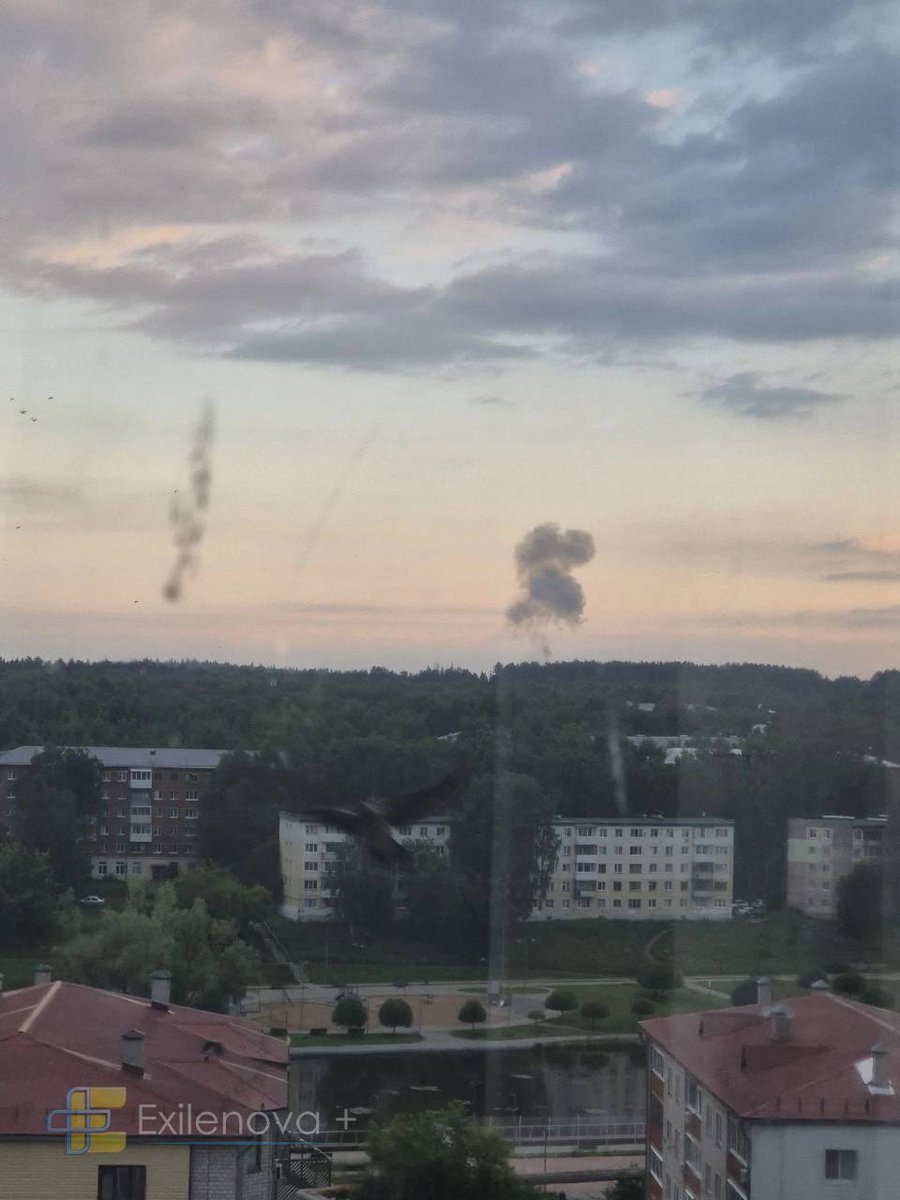
Earlier, at 01:53:24 UTC, Ukraine launched a salvo of FP‑5 Flamingo cruise missiles against the Votkinsk Machine Building Plant in Udmurtia, Russia. The plant, a key producer of ballistic missiles, sustained significant damage according to the monitor_the_situation channel, which posted a photo of the impact site. The FP‑5 Flamingo, a long‑range, low‑observable cruise missile, traveled more than 800 miles from Ukrainian launch sites to reach the target, demonstrating Kyiv’s growing strike depth.
While casualty numbers were not disclosed, the attack represents a strategic escalation, targeting Russia’s strategic weapons manufacturing capability. Analysts note that the strike may compel Russian defense authorities to reinforce security at other critical industrial sites, potentially stretching already strained air‑defence networks.
Israel/Palestine: IDF Transfers Vehicles to Gaza
In a separate development, the Israel Defense Forces (IDF) have been bolstering the Israeli Security Forces (ISF) by transferring dozens of vehicles, including bullet‑proof models, to the Gaza Strip for hand‑over to United States forces. The Jerusalem Post reported that the transfers occurred over the past 24 hours and are part of a broader preparation for a possible renewed Israeli operation in Gaza.
The vehicles are intended to enhance mobility and protection for both Israeli and U.S. personnel operating in the enclave. The move signals a deepening coordination between Israel and the United States, reflecting a shared interest in maintaining a robust security posture amid ongoing hostilities with Hamas.
Collectively, these events illustrate a pattern of multi‑theater escalation, where state and non‑state actors employ a range of kinetic tools—from UAVs and cruise missiles to conventional ground assets—to achieve strategic objectives. The convergence of high‑profile political events, such as Iran’s funeral, with intensified military actions underscores the fragile security environment across the region.