The Ukrainian General Staff announced on July 3 that Russian forces suffered heavy combat losses on July 2, including 1,140 personnel, five armored combat vehicles (ACVs), 57 artillery systems and seven multiple‑launch rocket systems (MLRS). The statement underscores the continued intensity of kinetic engagements along the front lines and marks one of the most severe reported Russian attrition rates since the conflict began.
"1140 personnel, 5 ACVs, 57 artillery systems, and 7 MLRS lost on July 2," the General Staff reported via the monitor_the_situation channel.
These figures, sourced from the Ukrainian General Staff and posted on the monitor_the_situation Telegram channel (https://t.me/monitor_the_situation/23560), suggest that Russian offensive operations are encountering stiff resistance and are incurring material and personnel costs that could affect operational tempo in the coming weeks.
Russian Airstrike Targets Kherson with KAB Glide‑Bombs
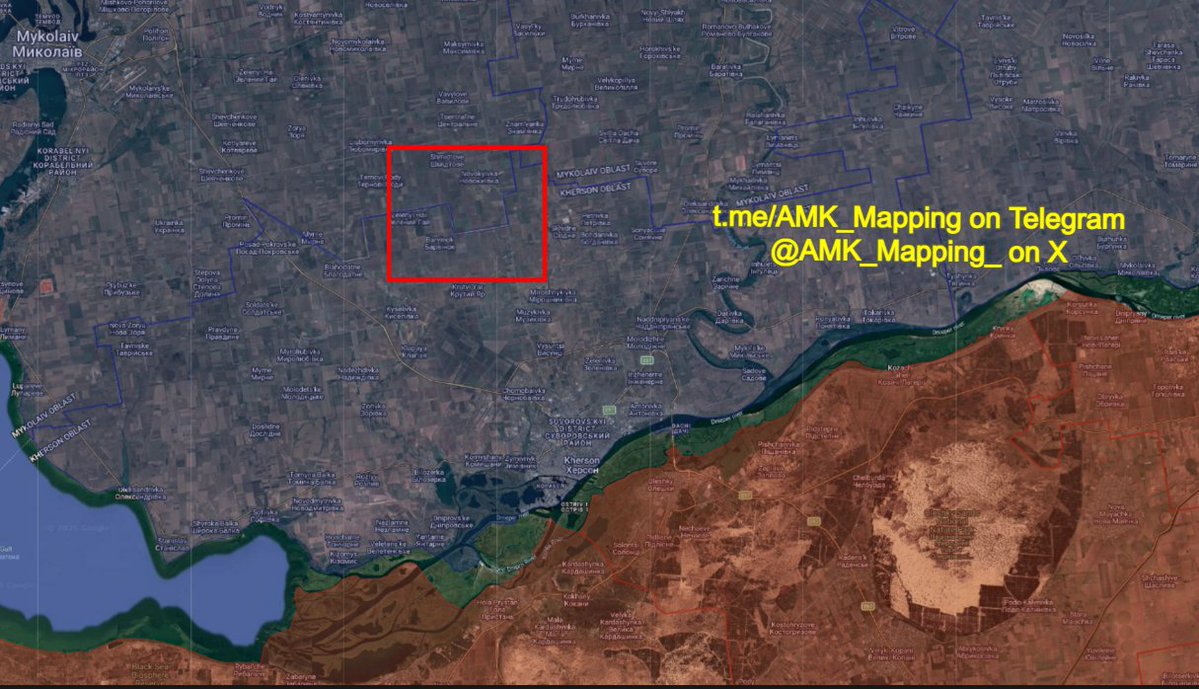
At 13:21 UTC, Russian Su‑34 fighter‑bombers launched two to three KAB glide‑bombs toward Kherson city, according to monitor_the_situation (https://t.me/monitor_the_situation/23597). The glide‑bombs, designed for precision strikes, were reported to have hit residential districts, though casualty figures have not yet been confirmed. The use of KAB glide‑bombs indicates a shift toward stand‑off munitions that reduce aircraft exposure to Ukrainian air defenses.
Ukrainian Drone Strike on Tokmak Market Kills Civilians
In the southern city of Tokmak, Zaporizhzhia Oblast, a Ukrainian‑operated drone struck a bustling market at 12:38 UTC, killing five civilians and wounding eighteen (monitor_the_situation, https://t.me/monitor_the_situation/23593). The attack highlights the growing prevalence of low‑altitude UAV operations in populated areas and raises concerns about civilian protection under international humanitarian law.
Russian Ground Advances and Village Recaptures
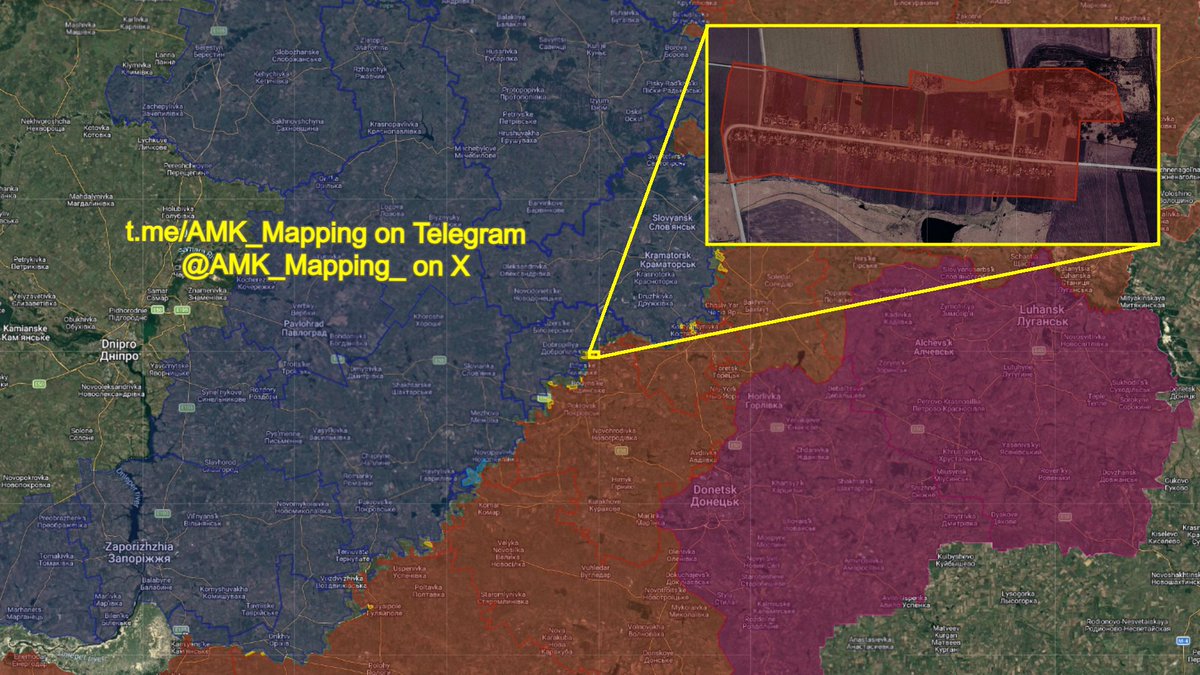
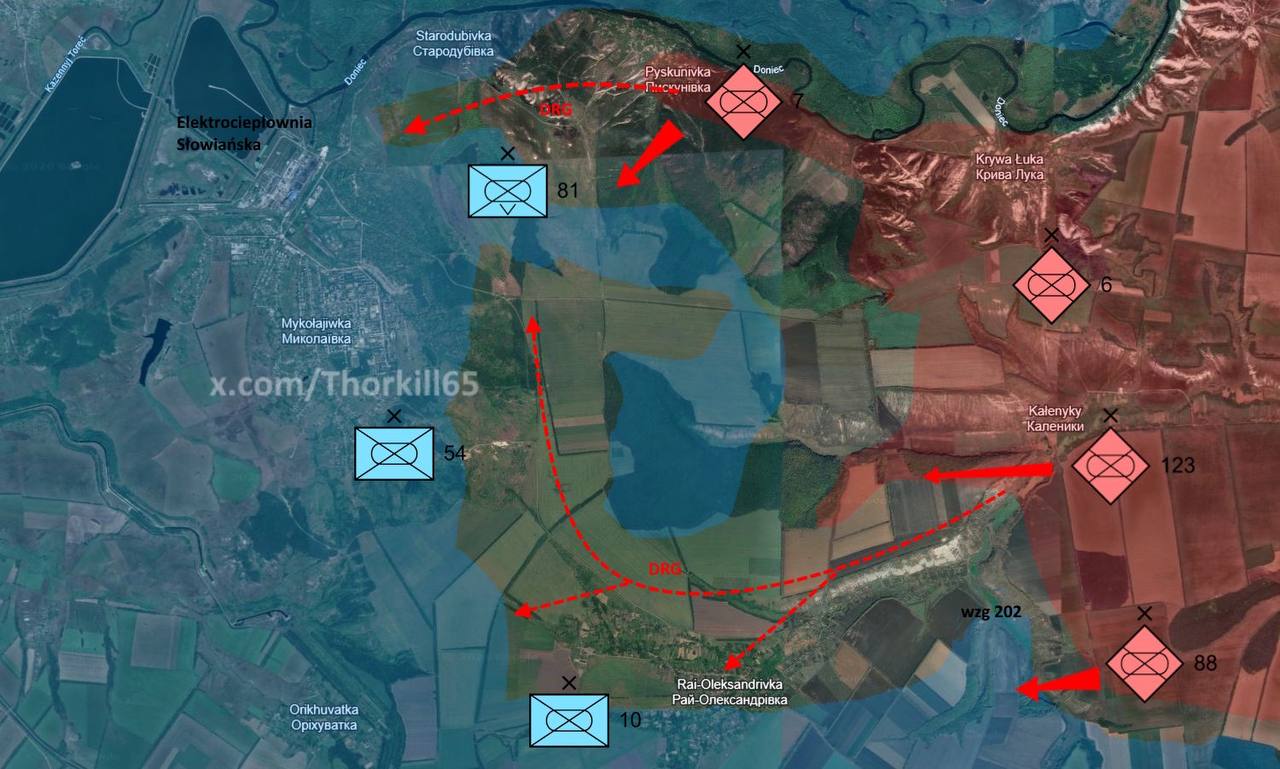
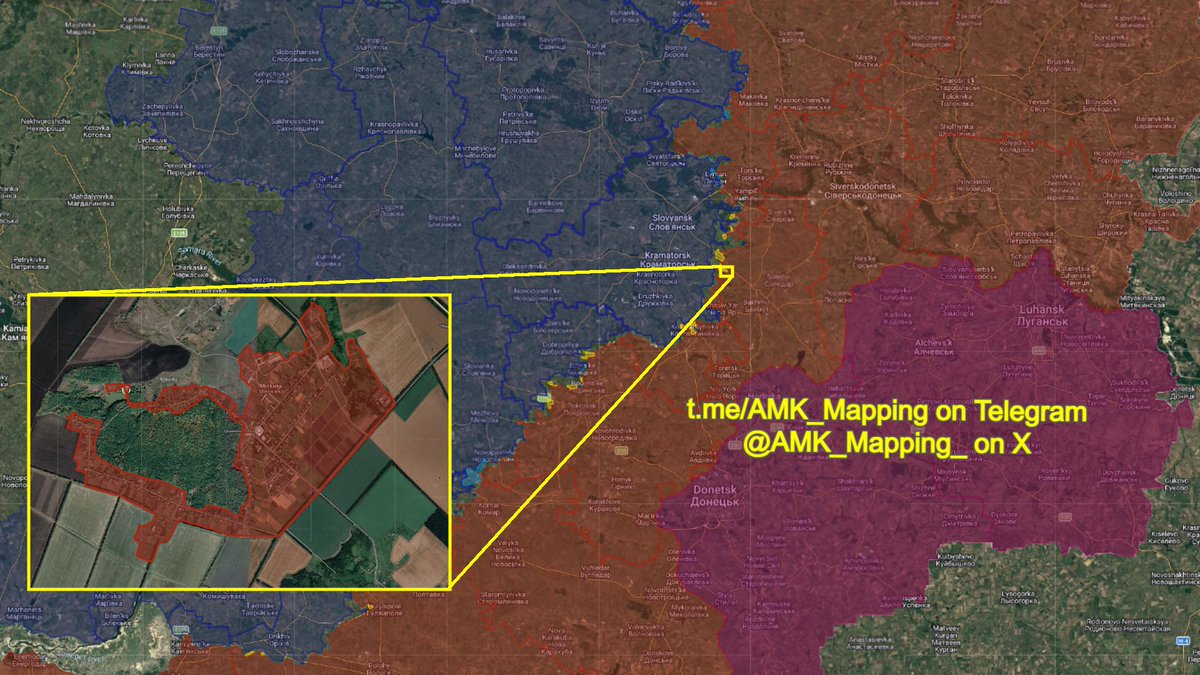
Russian forces continued a series of ground offensives on July 3. They recaptured the village of Nove Shakhove in Donetsk Oblast after a six‑month battle (monitor_the_situation, https://t.me/monitor_the_situation/23598) and seized Minkivka after three months of fighting (monitor_the_situation, https://t.me/monitor_the_situation/23594). Simultaneously, the Russian 7th and 123rd Motorized Rifle Brigades launched a new offensive around Nikolaevka, securing footholds in nearby villages and advancing toward Slavyansk (CIG_telegram, https://t.me/CIG_telegram/78683). These movements suggest a concerted effort to consolidate control over strategic points in northern Donetsk, potentially to secure supply routes and pressure Ukrainian defensive lines.
Ukrainian Drone Campaign Targets Crimea and Energy Infrastructure
Ukrainian Unmanned Systems Forces conducted a large‑scale drone operation overnight, striking 48 targets across the Zaporizhzhia region and the occupied Crimean Peninsula (monitor_the_situation, https://t.me/monitor_the_situation/23575). The strikes included a Tor‑M2 air‑defence system, nine power substations, and the Klyuchi gas compressor station. A separate sortie earlier in the day hit the Crimea‑West 330 kV substation, six 110 kV substations, two 35 kV substations, an additional Tor‑M2 launcher, and another gas compressor station (monitor_the_situation, https://t.me/monitor_the_situation/23574). These attacks aim to degrade Russian energy logistics and air‑defence capabilities, while also demonstrating Ukraine’s ability to project power into occupied territories.
Ukrainian Drone Destroys Truck in Mariupol
At 14:30 UTC, a Ukrainian drone destroyed a logistics truck in the port city of Mariupol (monitor_the_situation, https://t.me/monitor_the_situation/23602). While no casualties were reported, the loss of transport capacity hampers Russian supply chains supporting frontline units in the southern theater.
Humanitarian Facility Hit in Kyiv
Russian forces struck a Ukrainian Red Cross warehouse in Kyiv at 06:53 UTC, destroying over 320,000 units of humanitarian aid, including generators and medical supplies valued at more than UAH 79 million (monitor_the_situation, https://t.me/monitor_the_situation/23563). The loss of such a large stockpile exacerbates the humanitarian situation in the capital and underscores the broader impact of kinetic actions on civilian relief operations.
Missile and Drone Strikes on Kyiv
Intelslava posted video footage of a combined missile and drone attack on Kyiv at 12:13 UTC, showing explosions over key urban areas (intelslava, https://t.me/intelslava/89704). While casualty numbers remain unverified, the coordinated use of missiles and drones reflects a pattern of hybrid attacks designed to overwhelm air‑defence systems and create psychological pressure on the civilian population.
Analysis
The events of July 3 illustrate a multi‑dimensional escalation in Ukraine. Russian forces are incurring significant personnel and equipment losses, as reported by the Ukrainian General Staff, while simultaneously attempting to regain territorial footholds in Donetsk. Ukraine, in turn, is leveraging UAVs to strike deep into Russian‑held territory, targeting energy infrastructure, air‑defence assets, and logistical nodes. The destruction of a Red Cross warehouse in Kyiv adds a humanitarian dimension to the kinetic conflict, highlighting the vulnerability of civilian aid supplies to high‑intensity warfare.
Overall, the pattern suggests a continued intensification of both conventional and asymmetric tactics, with each side seeking to impose material costs on the other while managing the political and humanitarian fallout.