On 3 July 2026, Russian forces employed a novel combination of tear‑gas‑armed first‑person‑view (FPV) drones to extract Ukrainian soldiers from contested positions, subsequently targeting those who emerged with combat drones. The operation, reported by the Telegram channel intelslava, marks a significant escalation in the use of unmanned systems for both crowd‑control and lethal engagement, underscoring the intensifying hostilities along the Russia‑Ukraine front.
"Russian forces used tear‑gas‑armed FPV drones to extract Ukrainian soldiers and then killed those who emerged with combat drones," intelslava, 05:06 UTC, https://t.me/intelslava/89702
Operational details of the drone extraction
The FPV drones were equipped with tear‑gas canisters, a non‑lethal payload traditionally used for riot control. According to the source, the drones were deployed to force Ukrainian combatants out of fortified positions, creating a window for Russian combat drones to engage the exposed personnel. No casualty figures were released, and the incident occurred at an undisclosed location, reflecting the covert nature of the tactic.
While the use of tear‑gas‑armed drones is not unprecedented in internal security contexts, its application in an active war zone represents a hybrid approach that blurs the line between non‑lethal suppression and lethal force. The tactic may aim to reduce Russian infantry exposure while exploiting the psychological impact of chemical agents on enemy morale.
Cross‑border missile strikes intensify
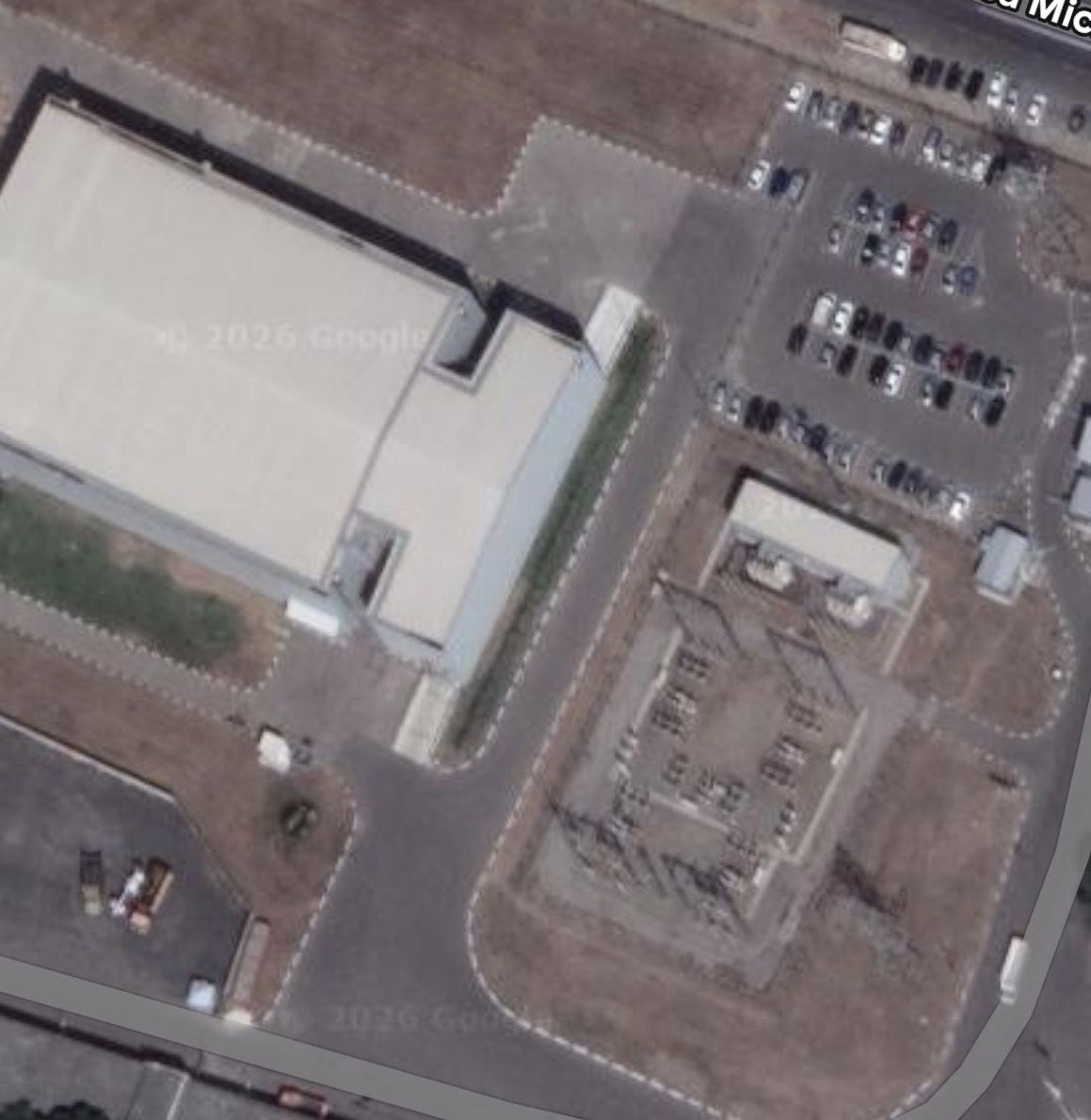
Simultaneously, Ukrainian forces continued long‑range strikes against Russian infrastructure. At 04:33 UTC, a HIMARS (High Mobility Artillery Rocket System) missile struck a rocket‑engine facility near Energomash in Moscow Oblast, as reported by the channel monitor_the_situation. The target, identified as a critical component of Russia’s aerospace production chain, suffered damage that could affect engine output for both civilian and military programs. No official casualty report accompanied the strike, but the incident demonstrates Ukraine’s capacity to project firepower deep into Russian territory.
"HIMARS Strike Hits Rocket Engine Facility Near Energomash in Russia," monitor_the_situation, 04:33 UTC, https://t.me/monitor_the_situation/23558
Earlier, at 04:21 UTC, Ukrainian forces hit an energy‑equipment plant in Belgorod, Belgorod Oblast. The plant, which supplies power generation components to the region, was struck without reported casualties. The attack aligns with a broader Ukrainian strategy of targeting Russian energy assets to disrupt logistics and civilian services.
"Ukraine Strikes Russian Energy Plant in Belgorod," monitor_the_situation, 04:21 UTC, https://t.me/monitor_the_situation/23557
Escalation of drone attacks on civilian infrastructure
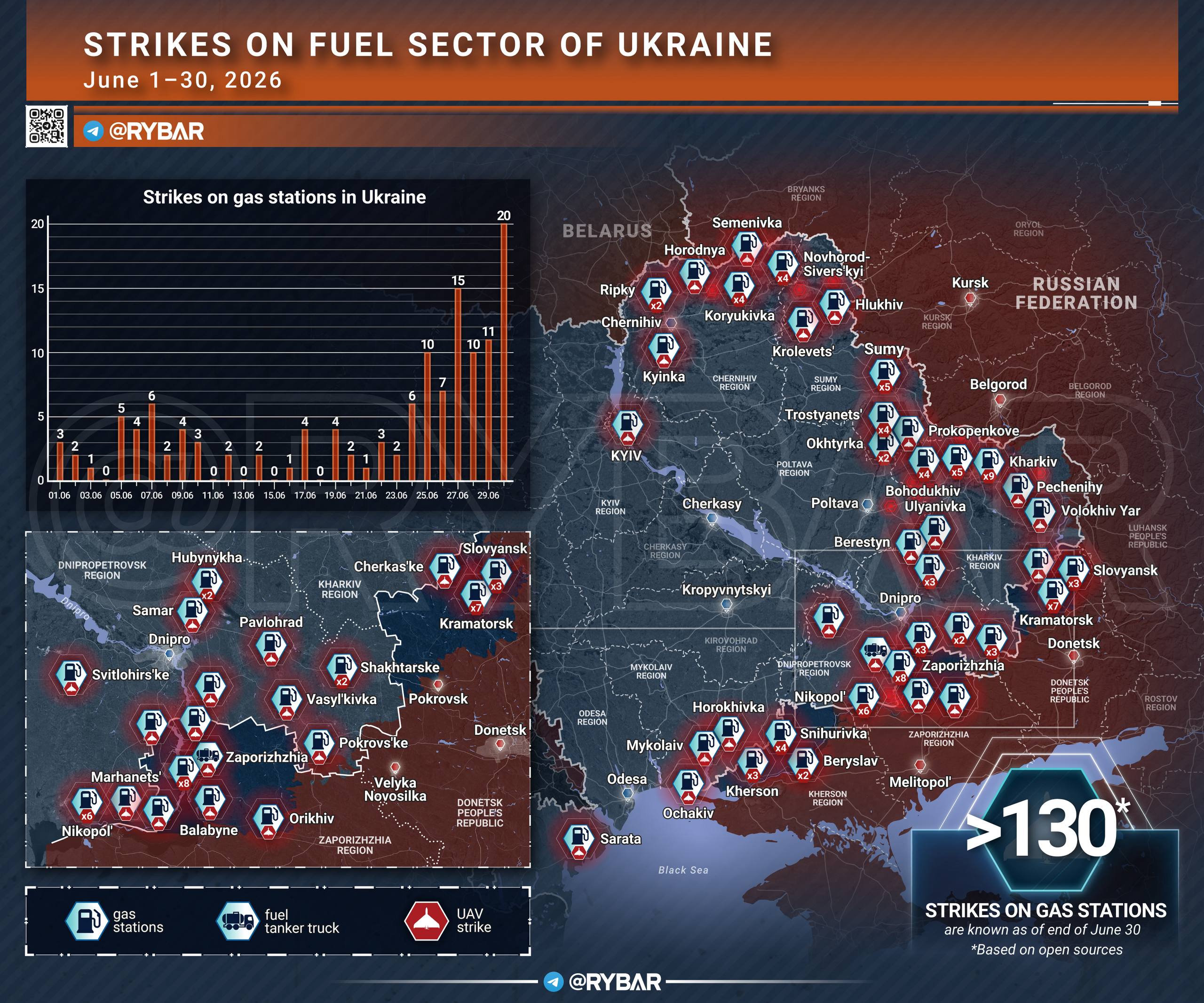
In the same timeframe, Russian‑aligned drone operators deployed Geran‑family UAVs against Ukrainian civilian infrastructure. According to BellumActaNews, dozens of gas stations across Kharkiv, Dnipropetrovsk and Sumy regions were set ablaze by Geran and Geran‑4 Seeker drones. The campaign, described as a response to Ukraine’s reliance on imported fuel, has intensified over the past week, with multiple strikes recorded in the eight days preceding 3 July.
"Drone strikes using Geran family UAVs have destroyed dozens of Ukrainian gas stations across Kharkiv, Dnipropetrovsk and Sumy regions," BellumActaNews, 04:05 UTC, https://t.me/BellumActaNews/174750
These attacks have disrupted fuel distribution, raised safety concerns for civilians, and added a new dimension to the conflict’s economic warfare.
Ground combat remains fierce in eastern Ukraine
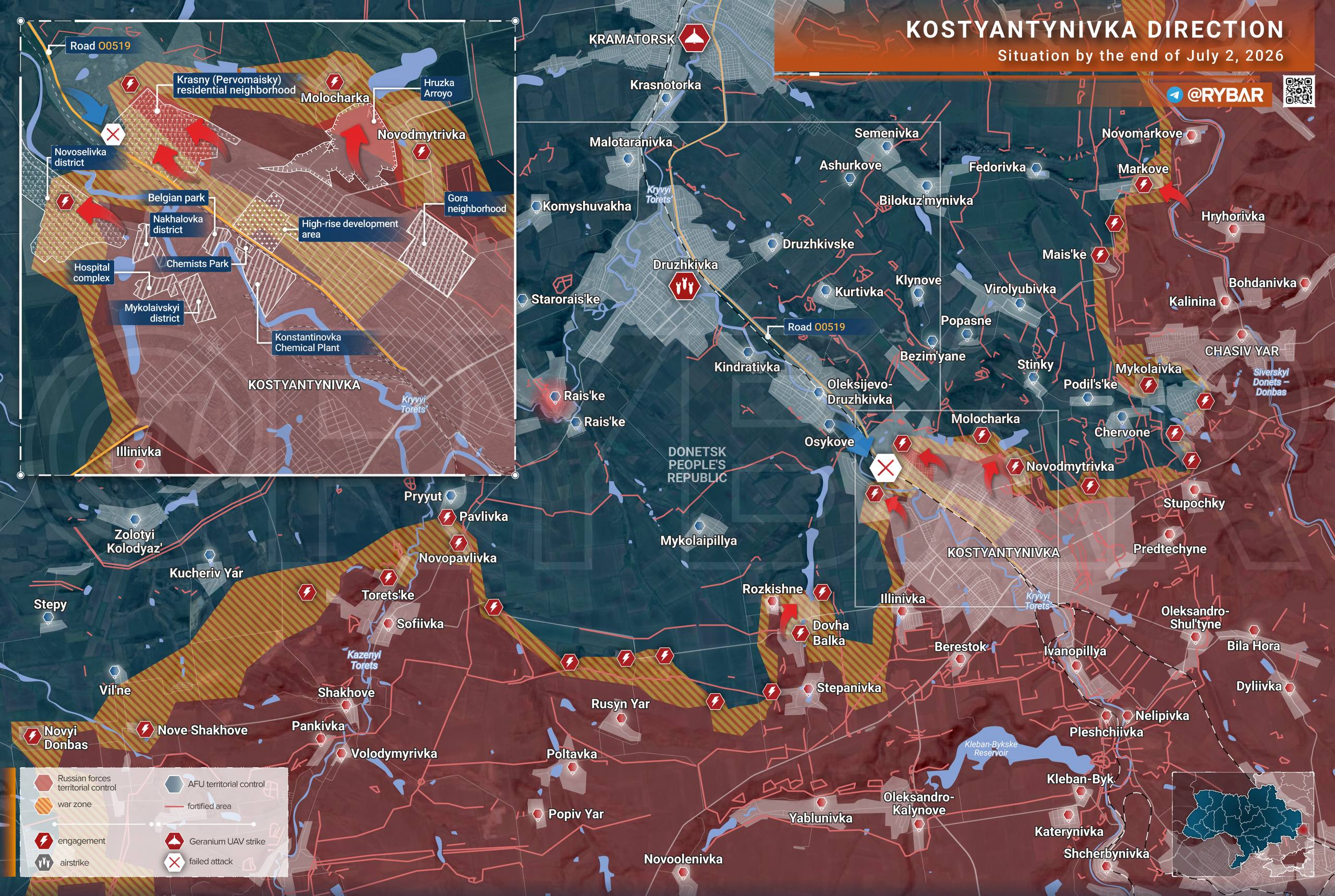
On the ground, Russian forces continued heavy urban fighting in Kostyantynivka, Donetsk Oblast. The “South” grouping of the Russian Armed Forces, supported by DNR units, reported the occupation of remaining quarters in the city, advancing reconnaissance detachments toward Aleksiyevo‑Druzhkivka. Photographic evidence posted by BellumActaNews shows armored vehicles, personnel carriers, and infantry units engaged in close‑quarter combat.
"Units of the 'South' grouping occupy the remaining quarters of Kostyantynivka in heavy fighting," BellumActaNews, 04:05 UTC, https://t.me/BellumActaNews/174751
The sustained offensive indicates Russian intent to secure a foothold in the Donetsk region, despite logistical challenges and Ukrainian resistance.
Strategic implications
The convergence of novel drone tactics, deep‑strike missile capabilities, and persistent ground assaults illustrates a multi‑domain escalation. Russia’s deployment of tear‑gas‑armed FPV drones suggests an experimental approach to reduce infantry casualties while maintaining pressure on Ukrainian forces. Conversely, Ukraine’s ability to strike high‑value targets within Moscow Oblast demonstrates a growing proficiency in long‑range precision fire, potentially reshaping the strategic calculus for both sides.
Both parties appear to be leveraging asymmetric tools—Ukrainian HIMARS and Russian Geran drones—to impose costs on the opponent’s military and civilian infrastructure. The pattern of attacks on energy facilities and fuel distribution networks points to an emerging focus on economic disruption as a means of weakening warfighting capacity.
While casualty figures remain limited in the open‑source record for these specific incidents, the cumulative effect of these operations is likely to increase civilian hardship, strain supply chains, and elevate the risk of broader escalation. Monitoring agencies should track the frequency of tear‑gas‑armed drone deployments and the response of Ukrainian forces, as well as any retaliatory measures taken by Russia against Ukrainian drone bases or HIMARS launch sites.