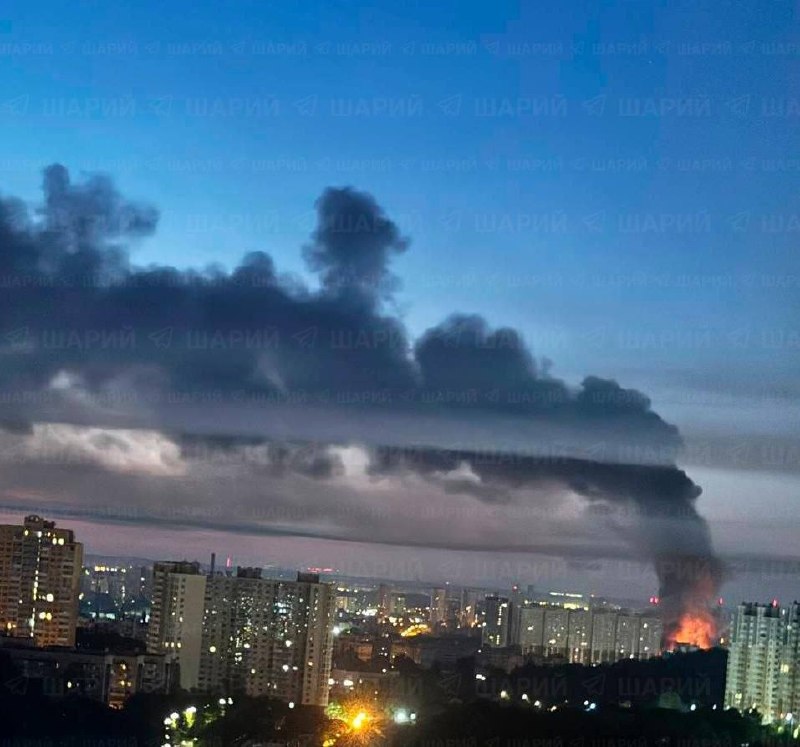
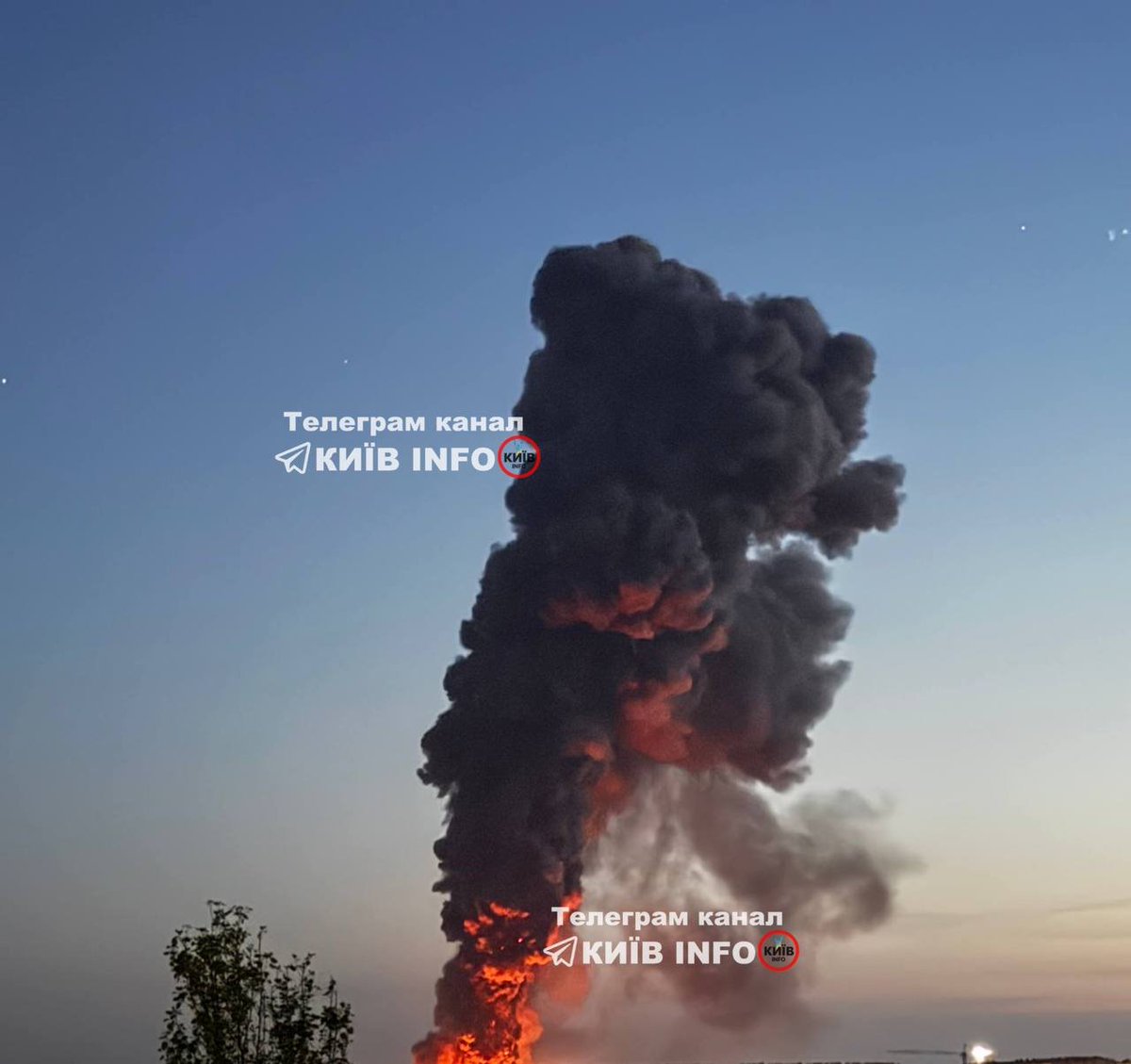
In the early hours of 2 July 2026, Russia launched an unprecedented combined missile and drone offensive against Ukraine, concentrating on the capital Kyiv and surrounding regions. The assault, which incorporated Iskander-M ballistic missiles, Zircon hypersonic missiles, Kh-101, Kh-59/69, Kalibr cruise missiles and Geran UAVs, overwhelmed Ukrainian air defenses and caused extensive damage, marking the most intense strike wave recorded in weeks.
Kyiv under fire: Iskander-M and Zircon strikes
At 04:20:30 UTC, surveillance footage captured by intelslava showed multiple impacts from Iskander-M and Zircon missiles striking central Kyiv. The high‑speed Zircon hypersonic missiles, designed to evade traditional missile defenses, landed within minutes of the Iskander-M ballistic missiles, creating simultaneous blast zones and igniting several fires across the city centre. Ukrainian authorities reported that the strikes damaged critical infrastructure, including power substations and a municipal water treatment facility, though no immediate civilian casualty figures were released for this specific impact.
"The coordinated use of both ballistic and hypersonic weapons demonstrates a clear escalation in Russia's strike doctrine," a senior Ukrainian military analyst told intelslava.
These attacks followed a broader wave that began around 00:16 UTC, when Russian forces launched a massive missile barrage targeting Kyiv and its suburbs. Over 20 cruise missiles—comprising Kh-101, Kh-59/69, and Kalibr types—were launched from multiple vectors, including the Black Sea, where additional Kalibr missiles were suspected at 00:17:59 UTC (intelslava).
Airport raids and peripheral strikes
At 04:10:51 UTC, Russian aerial raids struck Dnipro Airport and Poltava Airport, as reported by intelslava. While the attacks caused temporary runway closures and minor structural damage, there were no confirmed fatalities. The timing of the airport strikes, occurring shortly before the Kyiv missile wave, suggests a coordinated effort to disrupt both civilian mobility and logistical supply lines.
Further peripheral attacks were documented throughout the night. At 02:23:49 UTC, a strike on a warehouse in Bucha, Kyiv Oblast, killed two civilians and injured twenty, according to local authorities (monitor_the_situation). Impacts near Brovary and Boryspil were reported at 00:21:25 UTC, with an unidentified cruise missile flying over eastern Kyiv toward the city centre (intelslava). Multiple Kh‑101 missiles impacted eastern Kyiv at 00:17:40 UTC, while Kh‑59/69 missiles were active over Sumy Oblast and heading toward Hlukhiv at 00:17:11 UTC (intelslava). Ukrainian air defenses intercepted one Kh‑101 missile east of Kyiv at 00:16:42 UTC, highlighting both the intensity of the offensive and the strain on defensive systems.
Civilian casualties beyond Ukraine
While the Ukrainian theater dominated the day’s violence, civilian losses were also reported in Lebanon and Israel, underscoring the broader regional spill‑over of the conflict.
The Lebanese Ministry of Health, cited by rnintel, confirmed that since 2 March 2024, Israeli Defense Forces (IDF) attacks have killed 4,297 people and injured 12,196 in Lebanon. The ministry’s statement, released on 02 July 2026, did not attribute the latest casualties to a specific incident on that day but reaffirmed the ongoing humanitarian toll of the cross‑border hostilities.
"The cumulative impact of over four thousand deaths and more than twelve thousand injuries reflects a protracted crisis that demands urgent international attention," the ministry’s spokesperson said (rnintel).
In Israel, a separate incident unfolded on HaHagana Street in Haifa at 01:52:16 UTC. Police reported a shooting that left one person dead and two critically injured, who were transferred to Rambam Hospital (idkunim_il). The investigation remains ongoing, with local authorities collecting evidence and urging calm in the Carmel region.
Analysis of Russian strike strategy
The coordinated use of diverse weapon systems—ballistic, hypersonic, cruise missiles and UAVs—indicates a multi‑layered approach aimed at saturating Ukrainian air defenses. By launching missiles from both land‑based launchers and the Black Sea, Russia created overlapping threat corridors that limited the effectiveness of Patriot, SAMP/T and indigenous Ukrainian systems.
Ukrainian officials confirmed that several missiles were intercepted, but the sheer volume of projectiles resulted in multiple penetrations, especially in densely populated areas of Kyiv. The inclusion of Geran drones, which are low‑observable and capable of loitering, further complicated detection and response efforts.
Strategically, the timing of the strikes coincides with heightened diplomatic activity in the region, including renewed negotiations over cease‑fire terms in Lebanon and increased Israeli security alerts following the Haifa shooting. The escalation may be intended to pressure Ukraine’s allies by demonstrating Russia’s capacity to conduct high‑intensity operations while simultaneously testing the resolve of neighboring states.
Implications for regional security
The surge in Russian missile activity raises several immediate concerns:
- Air defense depletion: Continuous high‑tempo attacks risk exhausting Ukraine’s interceptor stocks, potentially creating windows for future ground offensives.
- Civilian vulnerability: The Bucha warehouse strike and the broader Kyiv barrage illustrate the persistent risk to non‑combatants, especially in urban environments.
- Cross‑border escalation: The Lebanese casualty figures and the Haifa shooting highlight how the Ukraine conflict can exacerbate existing tensions in the Middle East, potentially drawing additional actors into the hostilities.
International observers, including NATO’s Allied Command Operations, have called for increased air‑defense support to Ukraine and for renewed diplomatic engagement to address the humanitarian crisis in Lebanon. Meanwhile, Israel’s internal security apparatus is likely to intensify patrols and intelligence operations in response to the Haifa incident.
Conclusion
The 2 July 2026 wave of Russian missile and drone strikes represents a significant escalation in the Ukraine theater, testing the limits of Ukrainian air defenses and inflicting material damage across multiple strategic targets. Simultaneously, civilian casualties reported in Lebanon and Israel underscore the broader regional ramifications of the conflict. Continued monitoring of missile launch patterns, air‑defense performance, and civilian impact will be essential for assessing the trajectory of hostilities and informing policy responses.