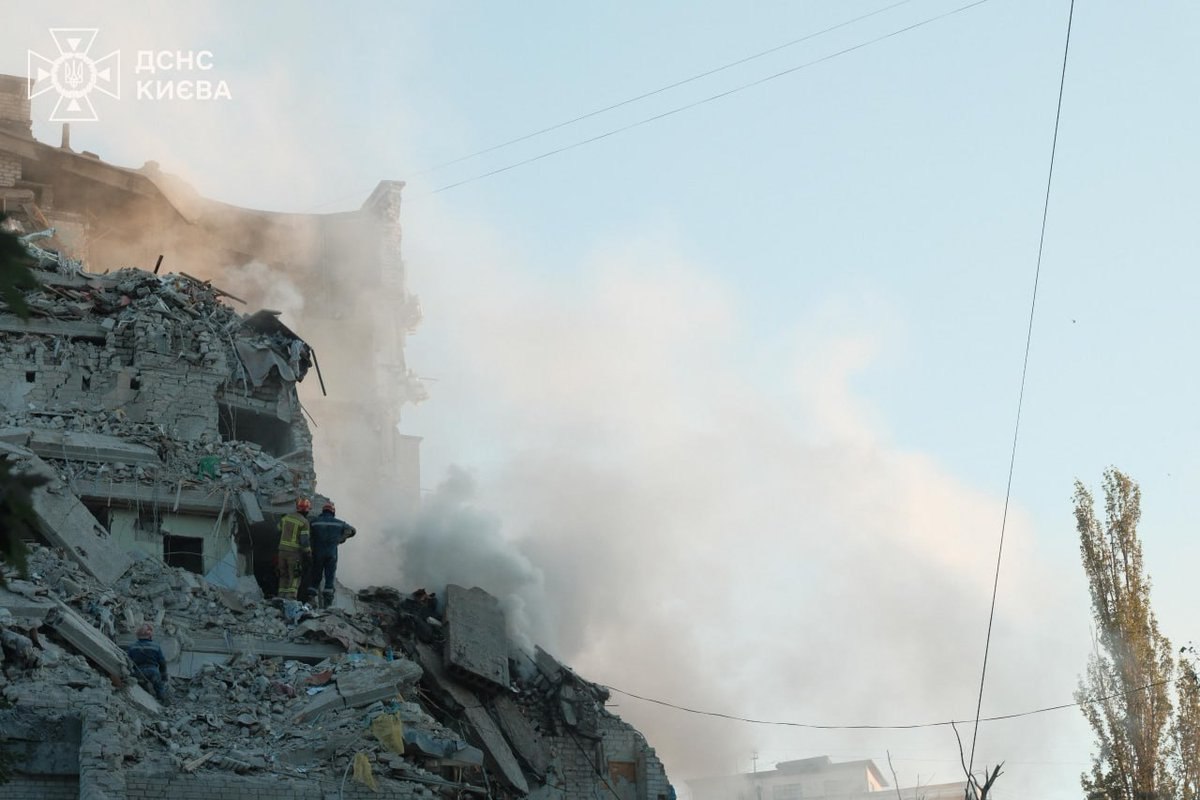
On the night of 1‑2 July 2026, Russian forces launched a coordinated missile and drone barrage against Ukraine's capital, Kyiv, resulting in 18 civilian deaths and 86 injuries. The attack, reported by the Telegram channel monitor_the_situation, targeted residential districts, including the Darnytskyi District, where a collapsed building trapped dozens of residents.
Kyiv under fire: casualty figures and immediate response
According to the source, Russian missiles struck multiple points in the city, while unmanned aerial systems (UAS) conducted low‑altitude runs that compounded the damage. Rescue crews worked through the early morning hours to extract survivors from the rubble.
"Russian missiles and drones killed 18, injured 86 in overnight attack on Kyiv; rescue ongoing at collapsed building in Darnitskyi District,"the channel noted.
Mayor Vitali Klitschko confirmed the toll and ordered emergency medical units to prioritize the most severely injured. The incident marks the deadliest single‑day strike on Kyiv since the conflict began in 2022.
Parallel strikes in Kyiv: earlier report of 13 fatalities
Earlier on the same morning, a separate report from monitor_the_situation documented a similar attack that had killed 13 people and wounded 86. The discrepancy in casualty numbers reflects the fluid nature of information during active engagements, but both accounts underscore the intensity of the Russian aerial campaign.
Ukrainian counter‑strikes: targeting Russian strategic assets
In retaliation, Ukrainian forces conducted several high‑profile kinetic operations beyond their borders. At 16:29:56 UTC, a Ukrainian cruise missile struck the Voronezh Semiconductor Devices Plant (VZPP‑S) in Voronezh Oblast, Russia, killing five workers and damaging critical semiconductor production lines. The strike was confirmed by high‑resolution satellite imagery shared on monitor_the_situation.
Later, Ukrainian unmanned systems attacked 13 energy facilities across occupied territories, including substations in Crimea, Donetsk, Luhansk, and Zaporizhzhia. The operation, described as a coordinated drone offensive, temporarily disrupted power supplies to Russian‑controlled areas and demonstrated Kyiv’s expanding UAV capabilities.
Infrastructure attacks within Ukraine
Russian drones continued to target civilian infrastructure. At 14:13:35 UTC, a Russian UAV hit a sports complex with a swimming pool in Zaporizhzhia, injuring several swimmers. Video evidence circulated on the monitor_the_situation channel, showing the moment of impact.
In Kirovohrad Oblast, a Russian Geran‑2 drone struck a locomotive near the village of Slavne, halting rail traffic and highlighting the vulnerability of Ukraine’s logistics network.
Strategic communications hub hit in Moscow
Ukrainian forces also targeted the Rubin communications hub in Moscow, a key GRU satellite and military communications facility. Footage released by monitor_the_situation showed visible damage to the complex, indicating a successful strike on a high‑value Russian command‑and‑control node.
Ground engagements and territorial shifts
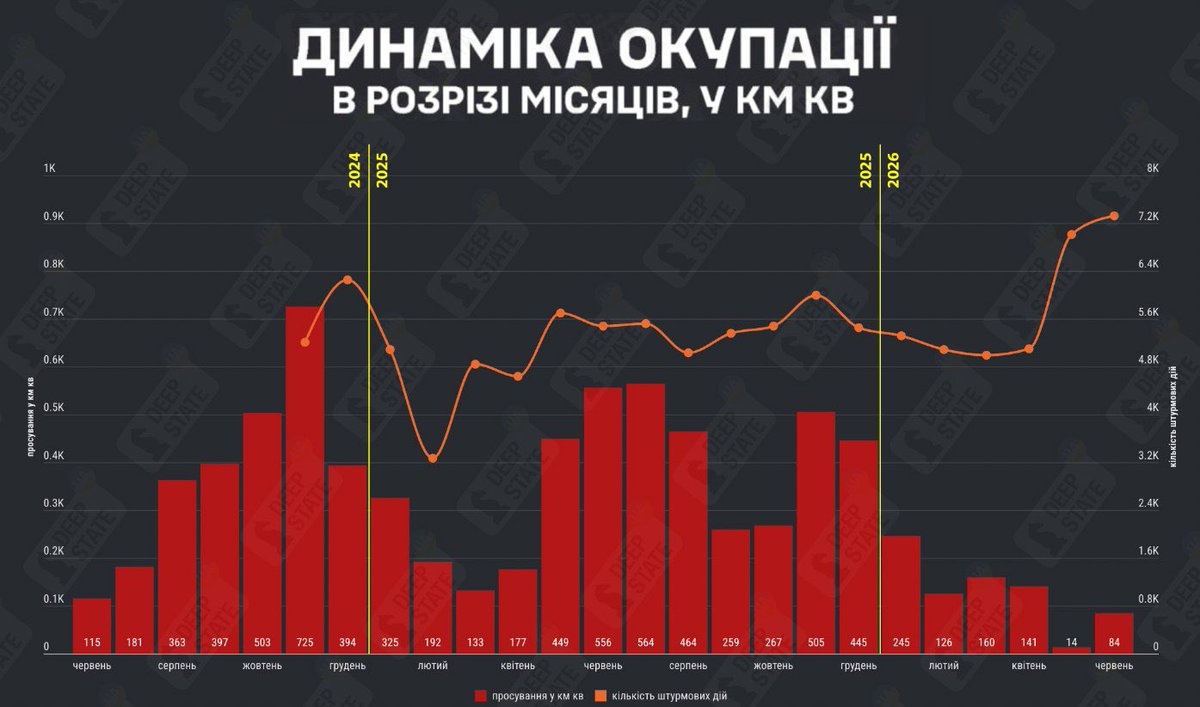
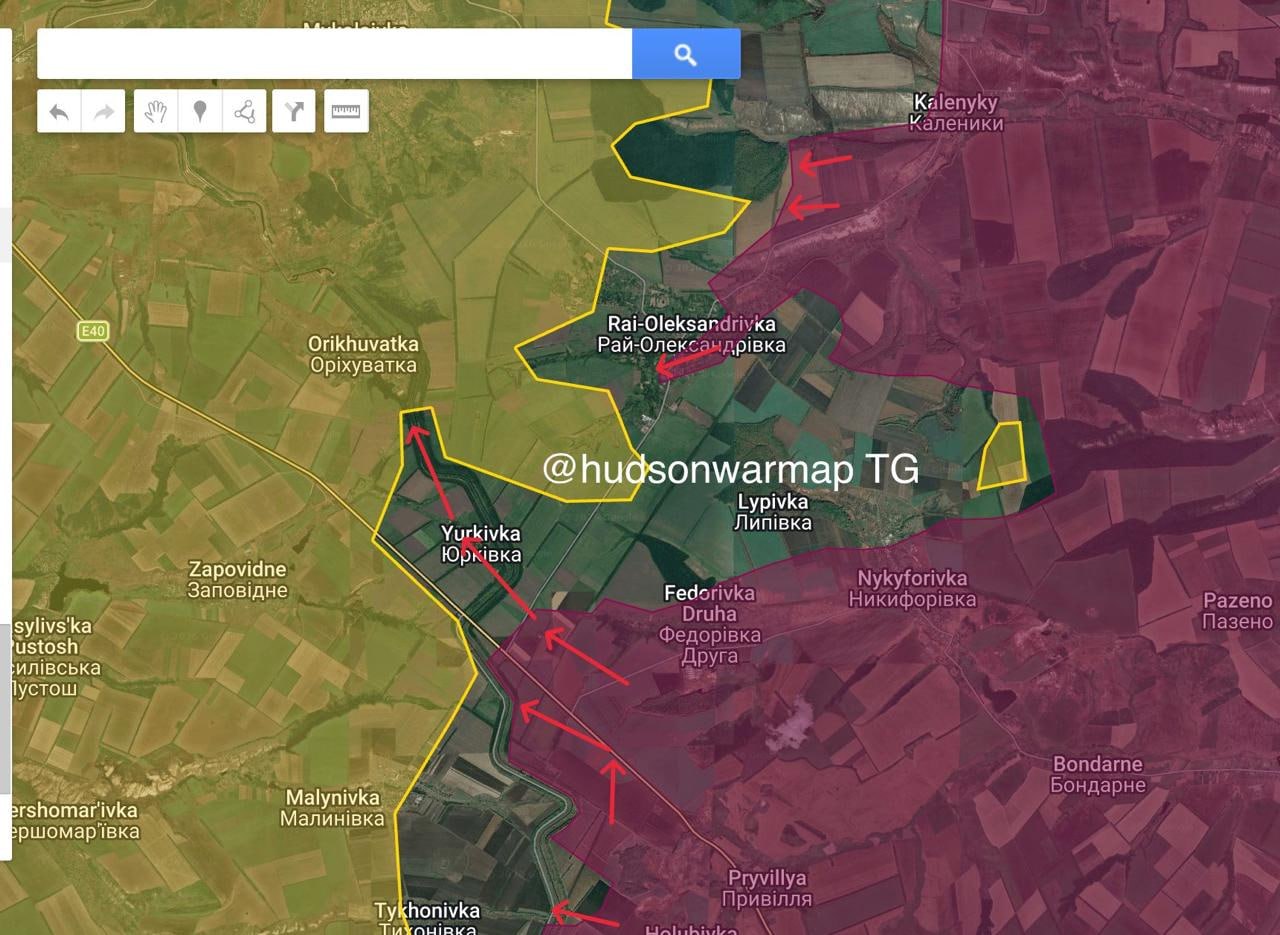
On the ground, Ukrainian special forces held off Russian troops for eight hours in Donetsk Oblast, treating and evacuating five wounded soldiers under sustained machine‑gun fire, artillery shelling, and drone observation. Simultaneously, Russian forces reported consolidating control in villages near Kramatorsk, advancing to within nine kilometres of the city, while also occupying an additional 84 km² in Donetsk during June, according to DeepState analysis.
In Kharkiv Oblast, the Russian 380th Motorised Rifle Regiment suffered heavy losses, leading to instances of soldiers refusing orders to advance. Intense fighting persisted in the Krasnopol district and Vovchansk, described by local sources as a “complete mess” compared with other front sectors.
Broader operational context
The Ukrainian General Staff reported that Russian forces lost 1,140 personnel and 57 artillery systems in the preceding 24 hours, reflecting the high attrition rate on the Russian side amid ongoing kinetic exchanges.
These events collectively illustrate a day of escalated kinetic activity across the Ukrainian theater, with significant civilian casualties in Kyiv, expanding Ukrainian strike capabilities deep into Russian territory, and continued attritional fighting along the front lines.
Implications
The scale of the Kyiv attack underscores the persistent threat posed by Russian long‑range missiles and drones to densely populated areas. Ukrainian counter‑strikes demonstrate a growing ability to project power beyond its borders, targeting strategic industrial and communications infrastructure. Ground engagements remain fluid, with both sides experiencing notable losses and territorial adjustments.