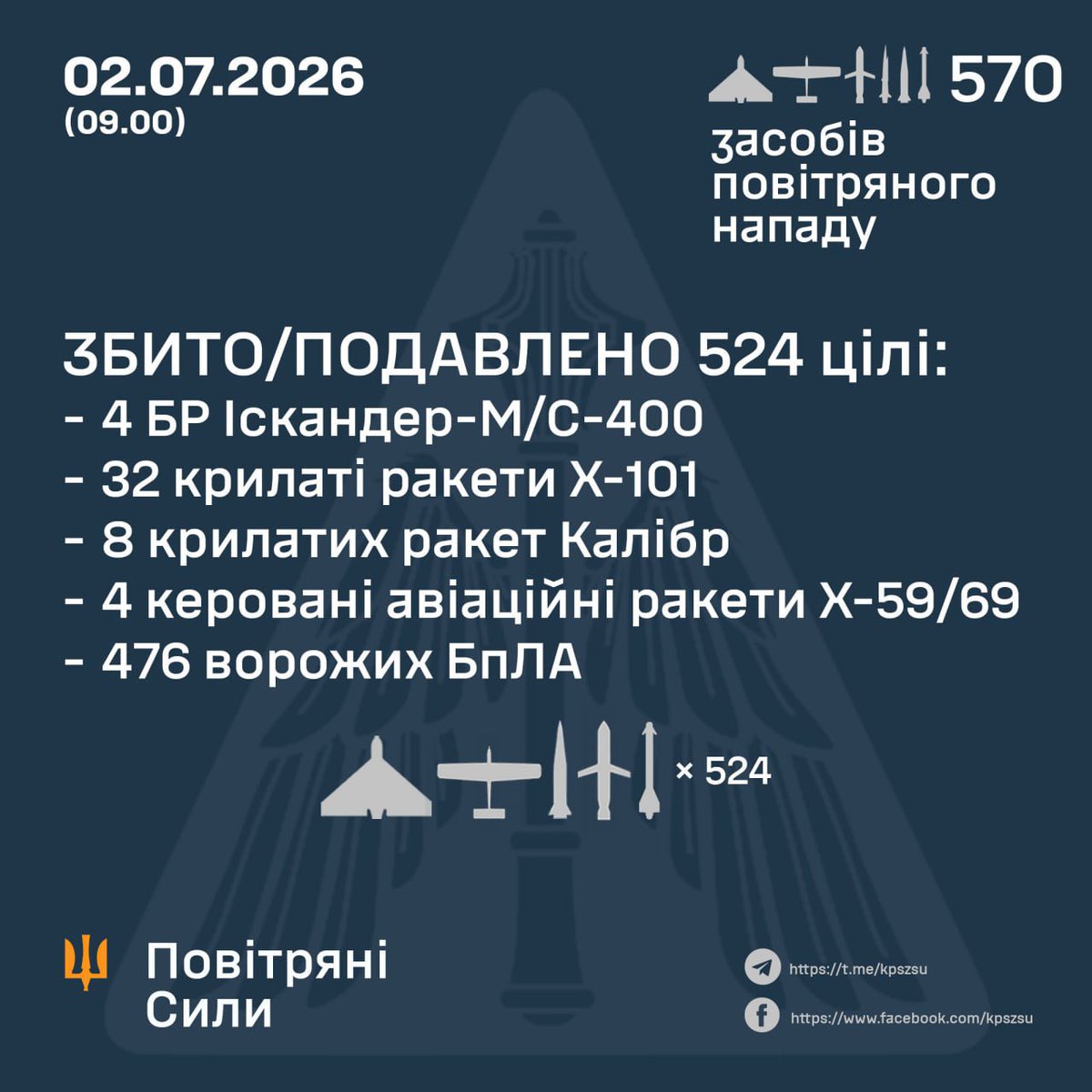
Overnight, the Russian military launched an unprecedented kinetic operation against Ukraine, deploying 496 drones and 74 missiles of multiple types. The scale of the attack, confirmed by the Ukrainian Air Force and reported by the monitoring channel monitor_the_situation, marks the most intensive aerial strike in the conflict to date. Simultaneously, separate kinetic incidents unfolded across the broader region, including a rocket alert on Israel’s northern frontier, a deadly explosion in Syria, allegations of Ukrainian involvement in the Nord Stream sabotage, and U.S. interceptions of Iranian attack drones over Bahrain. These events collectively underscore a heightened tempo of kinetic activity across multiple theatres.
Massive Russian Drone and Missile Offensive Over Ukraine
At approximately 02:00 UTC on 2 July 2026, Russian forces initiated a coordinated barrage comprising 496 unmanned aerial vehicles (UAVs) and 74 missiles. The missile mix included hypersonic Tsirkon missiles, intermediate‑range Iskander‑M, long‑range cruise missiles Kh‑101 and Kalibr, as well as precision‑guided Kh‑59 and Kh‑69 weapons. Ukrainian Air Force statements, relayed through the Telegram channel monitor_the_situation, confirmed the launch but did not provide immediate casualty figures, noting that air‑defence systems engaged a substantial portion of the incoming threats.
"Russian forces unleashed a massive wave of drones and missiles overnight, targeting critical infrastructure and front‑line positions. Our air‑defence units are actively intercepting the majority of these threats," – Ukrainian Air Force spokesperson, cited by monitor_the_situation.
The operation reflects a strategic shift toward saturation attacks designed to overwhelm Ukrainian air‑defence networks. The inclusion of hypersonic Tsirkon missiles, capable of speeds exceeding Mach 5, signals an escalation in the kinetic capabilities employed by Moscow.
Rocket Alert Along Israel’s Northern Border
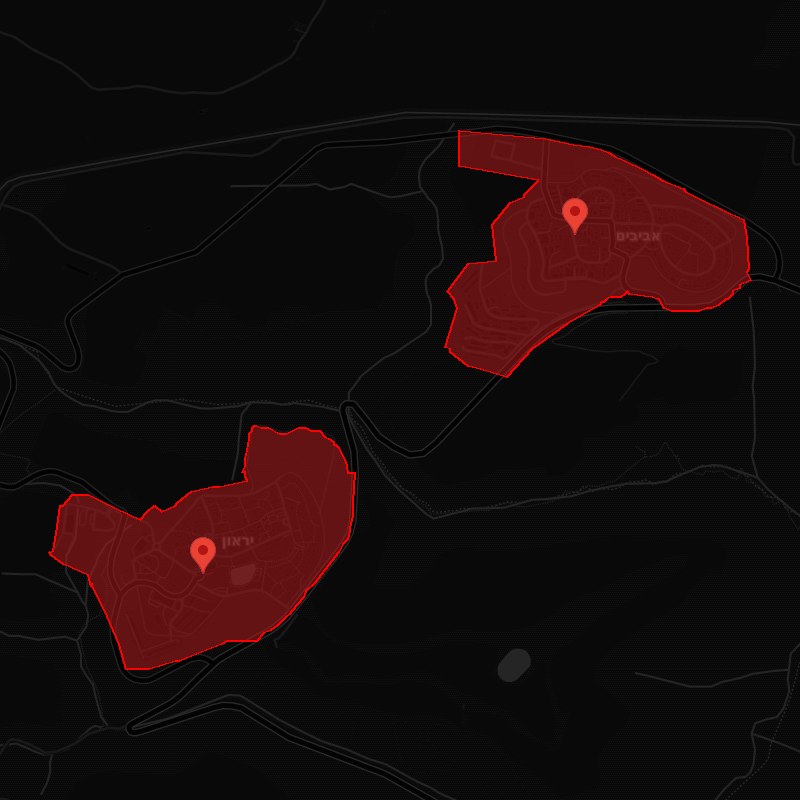
At 19:46 local time, the civilian alert platform RocketAlert.live issued a rocket/missile warning for the Yir’on–Avivim sector in northern Israel. The alert, posted on the Telegram channel RocketAlert, did not specify the launch origin or weapon type, and no casualties were reported at the time of writing. The incident illustrates the persistent volatility along Israel’s northern frontier, where cross‑border hostilities frequently trigger civilian warning systems.
Explosion in Syria Claims Multiple Casualties
According to the monitoring outlet GeoPWatch, an explosion in an undisclosed Syrian location resulted in four fatalities and eleven injuries, one of which was classified as serious. The Telegram post GeoPWatch provided no details on the explosive device or the responsible party, limiting analysis to the human toll. The incident adds to a pattern of unexplained blasts that have plagued Syria’s fragmented security environment.
German Prosecutors Accuse Ukrainian Soldier of Nord Stream Sabotage
German federal prosecutors announced that a former Ukrainian soldier allegedly orchestrated a sabotage operation against the Nord Stream gas pipelines in the Baltic Sea. The allegation, reported by Al Jazeera and sourced from the agency’s article Al Jazeera, claims the individual led a team of divers who placed explosives on the pipelines. While the claim remains under judicial investigation, it introduces a new dimension to the conflict’s kinetic spillover into European infrastructure.
U.S. Forces Intercept Iranian Attack Drones Over Bahrain
U.S. Central Command (CENTCOM) announced that its forces have shot down 14 Iranian one‑way attack drones targeting Bahrain over the past several weeks. The statement, delivered by CENTCOM commander Admiral Brad Cooper and disseminated via the monitor_the_situation channel (link), underscores ongoing aerial confrontations in the Gulf region. No civilian casualties were reported, and the interceptions were attributed to U.S. air‑defence assets operating from regional bases.
"Our forces continue to protect Bahrain’s airspace from hostile UAV incursions, neutralizing fourteen Iranian drones to date," – Admiral Brad Cooper, CENTCOM commander.
Increased Use of Jet‑Powered and Kamikaze Drones by Russia
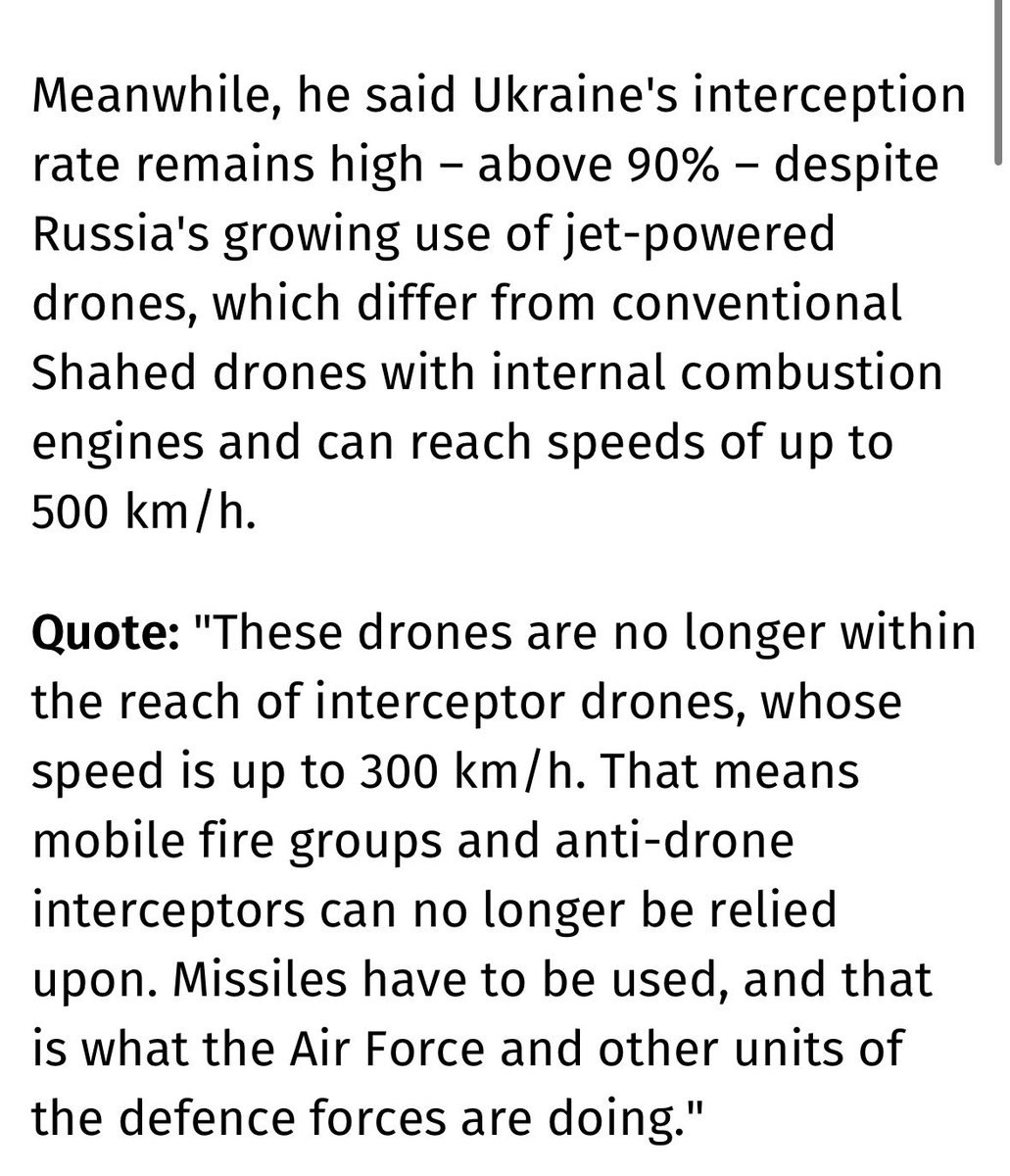
Ukrainian Air Force Colonel Yurii Ihnat, speaking to the same monitoring channel, highlighted a trend of Russia deploying jet‑powered and kamikaze UAVs in near‑continuous attacks on Ukrainian territory. The report, posted on 2 July 2026 at 10:43 UTC (monitor_the_situation), notes that despite Ukraine’s high interception rate, the sheer volume and variety of unmanned systems strain defensive capacities. Jet‑powered drones, capable of higher speeds and greater payloads, complement the previously dominant loitering‑munition (kamikaze) drones, expanding Russia’s kinetic toolbox.
Collectively, these events illustrate a multi‑theater escalation of kinetic operations, ranging from large‑scale aerial bombardments to localized explosions and drone interceptions. The convergence of advanced missile technology, proliferating UAV platforms, and cross‑border alerts signals a complex security environment that demands continuous monitoring.