The Ukrainian 79th Air Assault Brigade announced that its units engaged Russian forces along the Oleksandrivka axis early on 1 July, killing or disabling approximately 500 Russian soldiers, an amount comparable to an entire battalion. The claim was posted on the Telegram channel Monitor The Situation at 05:59:41 UTC and is supported by on‑the‑ground reports from brigade commanders.
Ground Assault in Oleksandrivka
According to the brigade’s statement, the operation involved coordinated infantry assaults supported by artillery and anti‑armor assets. No specific weapon systems were listed, but the scale of the reported casualties suggests the use of precision‑guided munitions and close‑quarter combat. The engagement took place in the village of Oleksandrivka, located in the Kharkiv region, a focal point of Ukraine’s broader counter‑offensive aimed at reclaiming occupied territories.
"Ukrainian 79th Air Assault Brigade Inflicts Heavy Losses on Russian Troops," Monitor The Situation, https://t.me/monitor_the_situation/23336
Drone Strikes on Energy Targets in Occupied Crimea
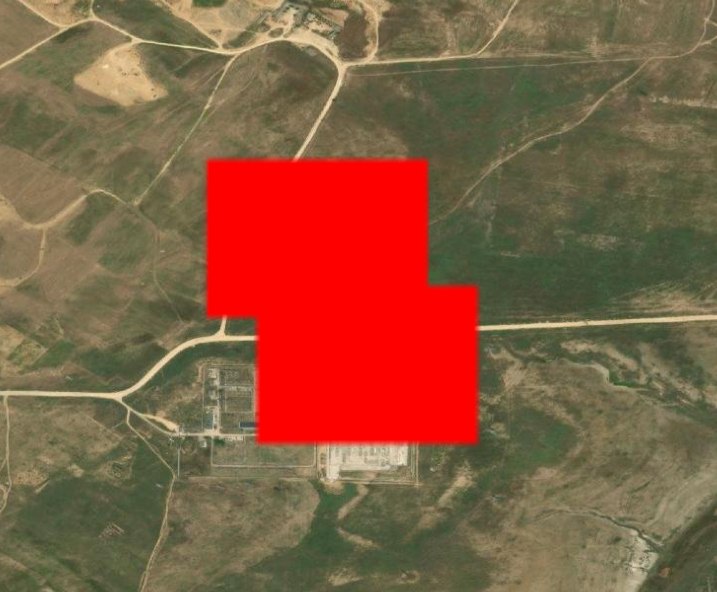
Simultaneously, satellite imagery confirmed that at least three FP‑2 drones struck the Tavriyska thermal power plant in occupied Simferopol, damaging the main building. The attack was reported by Monitor The Situation at 05:59:40 UTC and corroborated by @NOELreports on X. No casualties were reported, but the damage to a critical energy facility underscores Ukraine’s strategy of targeting infrastructure that supports Russian military logistics.
"Tavriyska Thermal Power Plant in Simferopol Damaged by Drone Attacks," Monitor The Situation, https://t.me/monitor_the_situation/23334
Deep Strikes on Russian Maritime and Urban Targets
Ukraine also conducted deep‑strike operations beyond its borders. Unmanned aerial systems attacked the seaport of Novorossiysk on the Black Sea, causing explosions and prompting a rapid response from Russian air defenses. Residents near the port reported multiple detonations and a heightened alert status. The same series of strikes included targets in Melitopol and the Moscow region, indicating a coordinated effort to disrupt Russian supply lines and command‑and‑control nodes.
"Ukrainian drones attacked the Novorossiysk seaport in Russia, causing explosions and prompting Russian air defenses," Monitor The Situation, https://t.me/monitor_the_situation/23333
Infrastructure Damage in Krasnodar Krai
Satellite analysis released by Monitor The Situation showed that the Poltavskaya pumping station in Krasnodar Krai sustained damage on 25 June. Two oil tanks were destroyed and a third was damaged, reducing the station’s output capacity. While the incident predates 1 July, its inclusion in today’s briefing highlights the sustained pressure Ukraine is applying to Russian energy logistics.
"Poltavskaya Pumping Station in Krasnodar Krai Damaged by Attacks," Monitor The Situation, https://t.me/monitor_the_situation/23332
Electrical Substation Attack in Crimea‑West
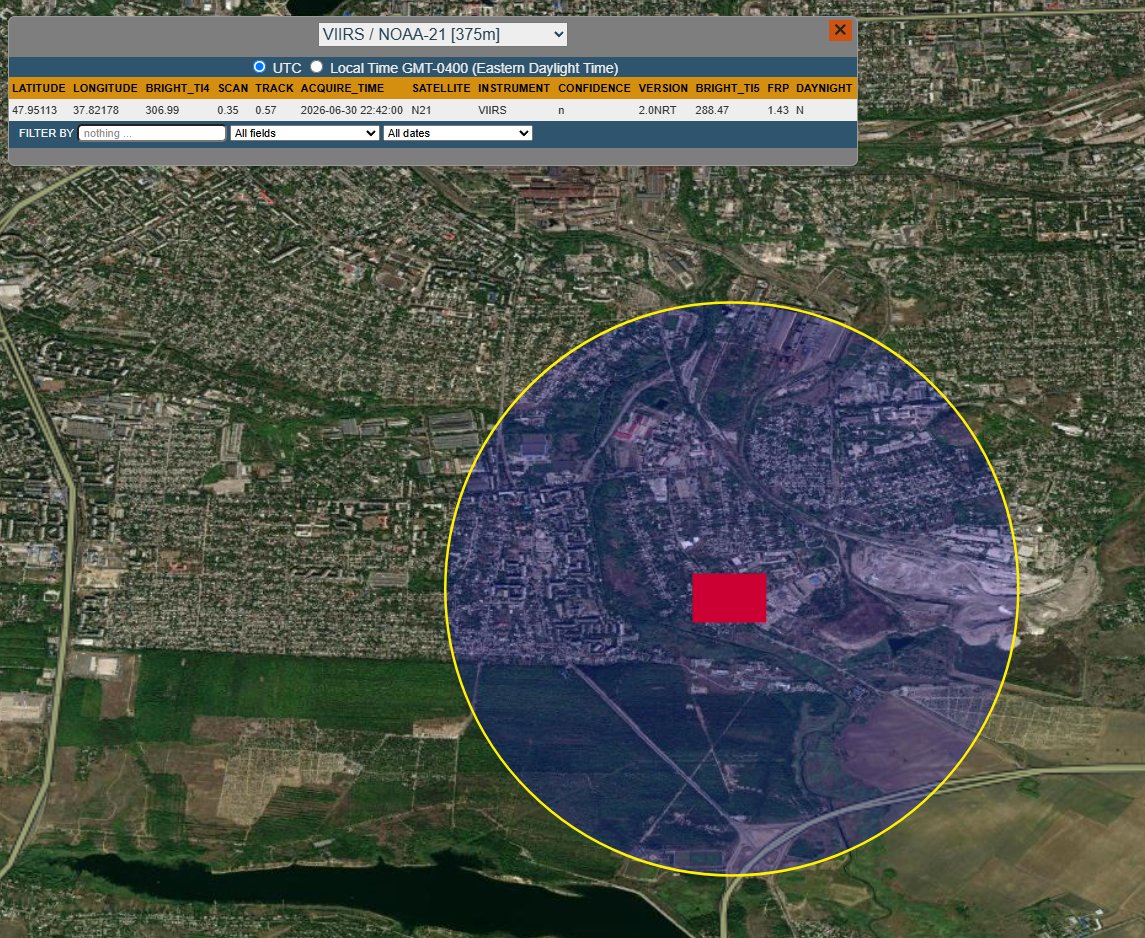
Ukrainian FP‑2 drones also targeted the 330 kV Crimea‑West electrical substation, igniting a large fire detected by NASA’s FIRMS satellite fire monitoring system. The strike, reported at 05:08:08 UTC, temporarily disrupted power distribution in the western part of the peninsula, further illustrating Ukraine’s focus on degrading Russian‑controlled energy networks.
"Ukraine Strikes Crimea‑West Substation With Drones," Monitor The Situation, https://t.me/monitor_the_situation/23329
Ammunition Dump Explosion in Donetsk
In Donetsk City, mid‑range attack drones struck a Russian ammunition depot, triggering secondary explosions. The incident, documented with photographic evidence, demonstrates the expanding reach of Ukrainian UAV capabilities into contested urban areas.
"Ukrainian mid‑range attack drones struck a Russian ammunition dump in Donetsk City, causing secondary explosions," Monitor The Situation, https://t.me/monitor_the_situation/23320
Operational Assessment
The series of actions reported on 1 July reflects a multi‑dimensional Ukrainian offensive that combines conventional ground assaults with precision UAV strikes on strategic infrastructure. The reported loss of 500 Russian personnel near Oleksandrivka represents a significant attrition event, potentially affecting the combat effectiveness of the affected Russian unit. Concurrent attacks on power generation, transmission, and fuel logistics aim to erode the sustainment capacity of Russian forces operating in occupied territories and within the Russian Federation itself.
Ukrainian use of FP‑2 drones against high‑value energy assets aligns with a broader pattern observed since early 2024, where low‑cost, expendable UAVs have been employed to achieve disproportionate effects on critical infrastructure. The deep‑strike capability demonstrated in Novorossiysk and the Moscow region suggests an expanding operational envelope for Ukrainian UAVs, possibly supported by longer‑range launch platforms or external intelligence assistance.
While casualty figures for the drone attacks remain unconfirmed, the physical damage to facilities such as the Tavriyska plant and the Crimea‑West substation indicates a measurable impact on regional power availability. The destruction of oil storage at Poltavskaya further constrains Russian fuel supplies in the southern theater.
Overall, the coordinated nature of these events points to a deliberate Ukrainian strategy of simultaneous pressure on front‑line combat forces and rear‑area logistics, seeking to accelerate the pace of territorial reclamation while degrading the enemy’s ability to sustain prolonged operations.