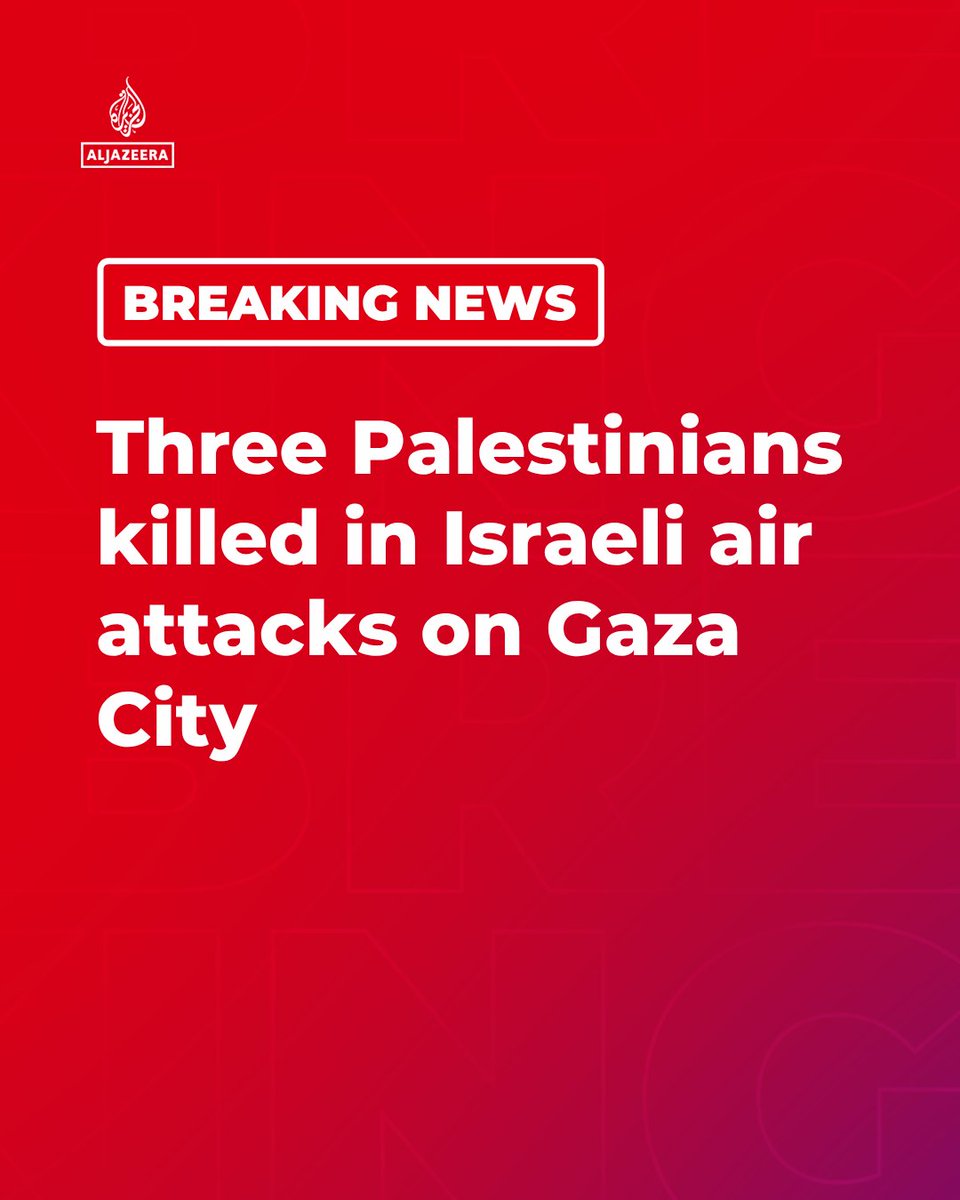
On 1 July 2026, an Israeli airstrike in the heart of Gaza City resulted in three civilian deaths and more than ten injuries, marking the most lethal kinetic event recorded in Palestine for the day. The strike, reported by Al‑Shifa Hospital staff and relayed through the monitoring channel monitor_the_situation, underscores the heightened intensity of aerial operations following weeks of sustained hostilities.
Critical Airstrike in Gaza City
At 14:47 local time, an Israeli aircraft released munitions on a densely populated district of Gaza City. Three Palestinians were killed and at least eleven were wounded, according to on‑the‑ground medical personnel at Al‑Shifa Hospital. The hospital’s spokesperson confirmed that the casualties included two adult males and one adolescent, all of whom succumbed to blast‑related injuries. No specific weapon type was disclosed in the source report, but the impact pattern aligns with precision‑guided munitions commonly employed in urban air campaigns.
"An Israeli airstrike on Gaza City killed three Palestinians and injured more than 10, according to Al‑Shifa Hospital staff." – monitor_the_situation, 14:47 UTC, 1 July 2026
The incident was documented by a single photograph circulated on the same Telegram channel, showing smoke and debris at the strike site. International humanitarian organizations have called for an independent investigation, citing the proximity of civilian structures to the point of impact.
Vehicle Damage on Omar Al Mukhtar Street
Earlier, at 13:50, an Israeli strike targeted a civilian jeep parked on Omar Al Mukhtar Street, also within Gaza City. The airstrike damaged the vehicle but did not produce immediate casualties, according to the same monitoring source. While the report listed no organizations directly involved beyond the Israeli military, the incident illustrates a pattern of precision strikes on movable assets, potentially aimed at disrupting logistical movements.
"An Israeli airstrike targeted a jeep on Omar Al Mukhtar street in Gaza City, causing vehicle damage. No casualties initially reported." – monitor_the_situation, 13:50 UTC, 1 July 2026
Local witnesses described a loud explosion followed by a plume of dust, after which the jeep was left immobilized. The absence of fatalities suggests either a warning strike or a misidentification of the target.
Drone Infiltrations into Gaza Strip
In a separate development, the Jerusalem Post reported that at least 28 unmanned aerial systems have entered the Gaza Strip over recent months. While the exact dates of each infiltration are not specified, the cumulative figure raises concerns about the potential for Hamas to repurpose these platforms for offensive operations. The Israeli Defense Forces (IDF) have reportedly intercepted 89 drone smuggling attempts since January, as announced by Army Radio.
"At least 28 drones reportedly entered Gaza in recent months, raising concerns they reached Hamas, despite the IDF thwarting 89 drone smuggling attempts since January." – JPost, 10:31 UTC, 1 July 2026
The drones, identified generically as "drone" in the source, could be commercially available quadcopters or more sophisticated systems. Their presence underscores a growing asymmetrical dimension to the conflict, where low‑cost aerial platforms may augment traditional rocket and mortar capabilities.
Access Blockade in West Bank Town
At 09:31, Israeli forces imposed a complete blockade on an unnamed West Bank town, restricting all civilian and humanitarian movement. The action, reported by monitor_the_situation, is part of a broader series of incursions aimed at curbing perceived militant activity in the occupied territories. Video footage accompanying the report shows Israeli armored vehicles establishing checkpoints and sealing off main thoroughfares.
"Israeli forces block all access to a West Bank town as military incursions continue, escalating tensions in the occupied territory." – monitor_the_situation, 09:31 UTC, 1 July 2026
The blockade has immediate humanitarian implications, limiting access to medical care, food supplies, and external communication. No casualties were reported in connection with the blockade itself, but the restriction amplifies the risk of secondary injuries and deteriorating living conditions.
IDF Strike on Hamas Operatives and Rocket Launchers
In the early morning hours, at 06:41, the IDF announced a targeted strike that eliminated four Hamas militants and destroyed multiple rocket launchers within the Gaza Strip. The operation, detailed by the Jerusalem Post, was presented as a pre‑emptive measure against imminent attacks on Israeli forces.
"According to the IDF statement, the four terrorists had been advancing attacks against IDF troops operating in the strip." – JPost, 06:41 UTC, 1 July 2026
The weapons neutralized were identified as rocket launchers, a core component of Hamas’ artillery capability. The IDF did not disclose the specific type of munitions used in the strike, but the successful elimination of both personnel and hardware indicates a coordinated air‑ground operation.
Analytical Overview
The sequence of events on 1 July 2026 reflects a multi‑layered kinetic strategy by Israeli forces, combining high‑impact airstrikes in densely populated urban areas with precision attacks on movable assets, interdiction of aerial smuggling routes, and ground‑level access restrictions in the West Bank. The critical airstrike in Gaza City, resulting in civilian fatalities, represents the most severe escalation of the day and raises immediate concerns under international humanitarian law regarding proportionality and distinction.
Simultaneously, the reported infiltration of dozens of drones into Gaza suggests a potential shift toward hybrid warfare, where non‑state actors could leverage commercially available technology to augment conventional capabilities. The IDF’s reported success in intercepting a large number of attempted drone smuggling operations indicates an evolving counter‑drone posture, yet the residual presence of at least 28 drones points to gaps in detection and interdiction.
Ground movements, exemplified by the West Bank blockade, demonstrate an expansion of kinetic pressure beyond the Gaza Strip, aiming to disrupt logistical networks and limit civilian movement in contested areas. While no direct casualties were recorded from the blockade, the indirect humanitarian impact is significant and may exacerbate civilian hardship.
Collectively, these events illustrate a day of intensified kinetic activity across multiple fronts, with a clear emphasis on disrupting Hamas’ operational capacity while imposing broader restrictions on civilian mobility. The balance between military objectives and civilian protection remains a focal point for international observers and humanitarian agencies.