On July 1, 2026, the Russian Defence Ministry announced a series of offensive operations across the eastern front, claiming the seizure of several Ukrainian settlements, the destruction of significant AFU (Armed Forces of Ukraine) assets, and strikes on infrastructure in at least 148 locations. The briefing, posted on the Telegram channel intelslava, detailed engagements in Krasny Liman (Donetsk Oblast), Ukrainskoye (Kharkiv Oblast), and Kopani (Zaporizhzhia Oblast), among others, and highlighted the use of a broad weapons mix including T‑72 tanks, US‑made HMMWVs, Israeli RADA counter‑fire radars, Paladin self‑propelled artillery, UAVs, guided bombs, long‑range operational‑tactical missiles, and unmanned surface vehicles.
Russian Operational Gains
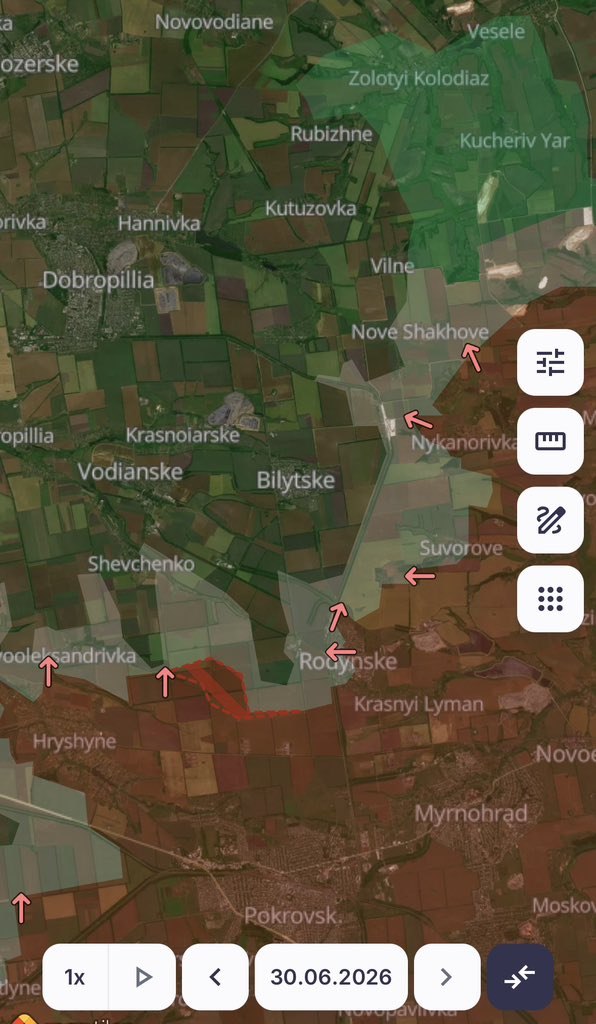
The Russian narrative emphasized the capture of three strongholds in Krasny Liman by the 67th Motorised Rifle Division, reporting the loss of over 200 Ukrainian troops, one T‑72 tank, one HMMWV, and a RADA radar. In the Kharkiv region, Sever Group forces seized the village of Ukrainskoye after coordinated artillery and drone strikes, while the 55th Guards Marine Division’s Vostok Group reported the capture of Kopani, citing the destruction of two Ukrainian platoons, seven motor vehicles, four ATVs, fourteen UAV command posts, and twenty‑two “Baba Yaga” heavy hexacopters.
"Our forces have neutralised enemy strongpoints and seized critical terrain, degrading the AFU’s combat capability across the sector," the Russian Defence Ministry statement read.
These claims, while unverified by independent observers, align with satellite imagery and open‑source mapping updates that show Russian units advancing near Pokrovsk, Kostyantynivka, and Slovyansk in Donetsk Oblast, as reported by the monitoring outlet monitor_the_situation.
Ukrainian Kinetic Counter‑Actions
In response, Ukrainian forces intensified drone and missile operations targeting Russian logistics and infrastructure. Notable actions include:
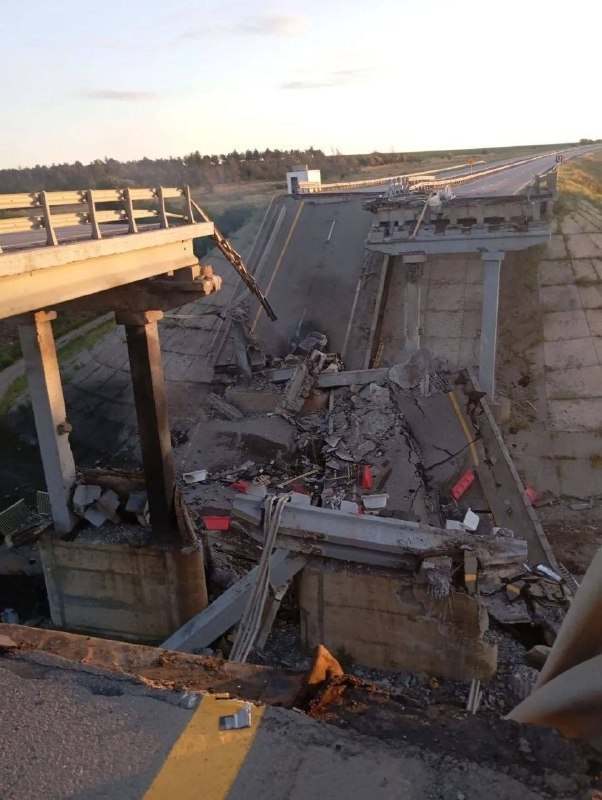
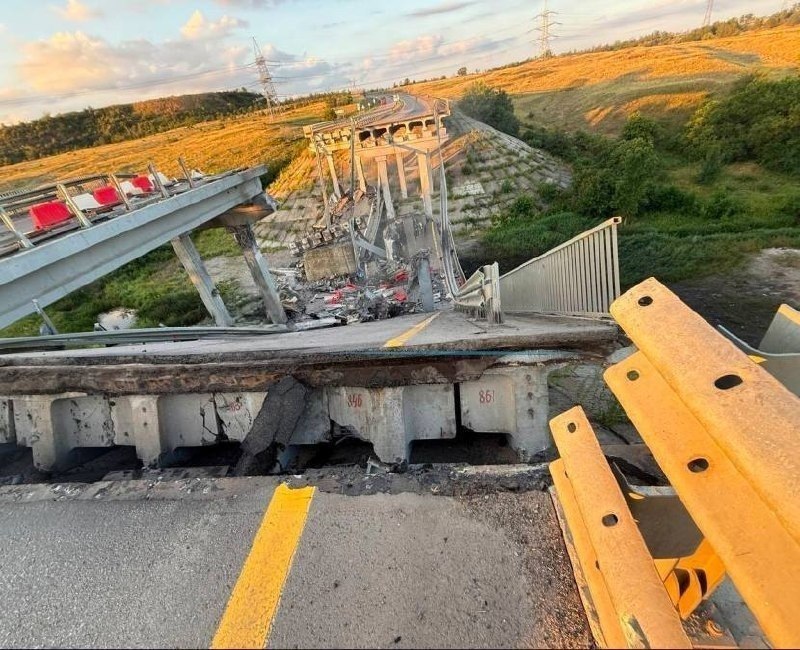
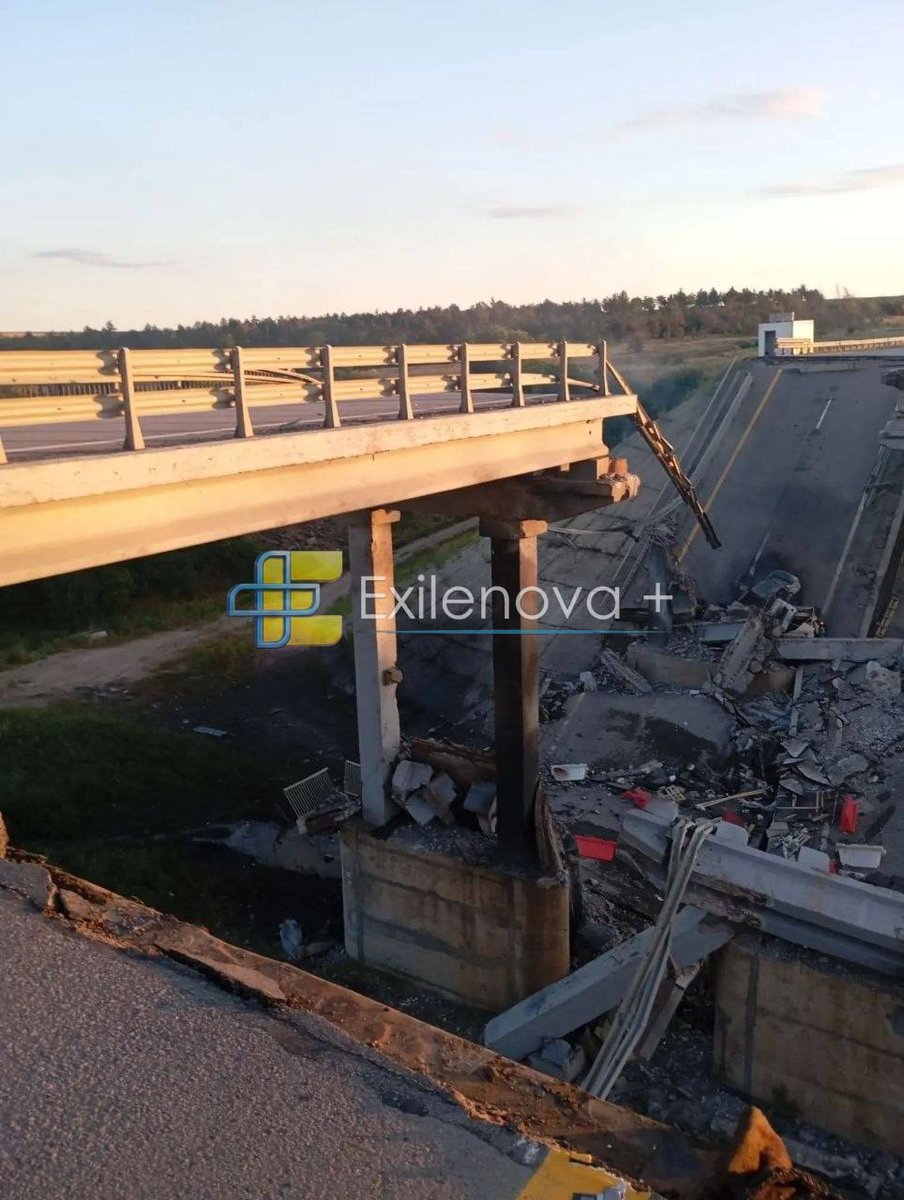
- Bridge Destruction: FP‑1/2 drones demolished the T0523 road bridge over the Kalchyk River in Kremenivka (Donetsk Oblast), disrupting supply routes for Russian forces (monitor_the_situation).
- Strategic Highway Attacks: FP‑2 drones destroyed a key road bridge in Hranitne, collapsing the H20 highway link between Mariupol and Donetsk, while a separate strike hit another bridge near Hranitne on the Mariupol‑Donetsk highway (monitor_the_situation).
- Logistics Convoy Hits: Ukrainian Hornet Tactical Group strike drones eliminated multiple Russian logistics vehicles in occupied Zaporizhzhia Oblast, further straining supply lines (monitor_the_situation).
- Urban Targeting: A drone strike burned over 20 trucks at a parking site in Donetsk’s Leninsky district, echoing a similar attack the previous night in the Kirovsky district (monitor_the_situation).
These operations employed a range of UAV platforms, including FP‑1/2, FP‑2, and strike drones operated by the Hornet Tactical Group, demonstrating Ukraine’s growing proficiency in precision aerial warfare.
Long‑Range Missile Campaigns
Ukraine also launched long‑range missile strikes deep into Russian territory. According to monitor_the_situation, Ukrainian missiles hit the Ufa oil refinery in Bashkortostan and a defense‑industry site in Penza, targeting critical energy and weapons‑production facilities. Additionally, satellite imagery released by intelslava confirmed that FP‑5 “Flamingo” cruise missiles struck the Titan‑Barrikady enterprise in Volgograd on June 27, causing severe damage to at least two workshops.
Naval and Aerial Incidents in the Wider Region
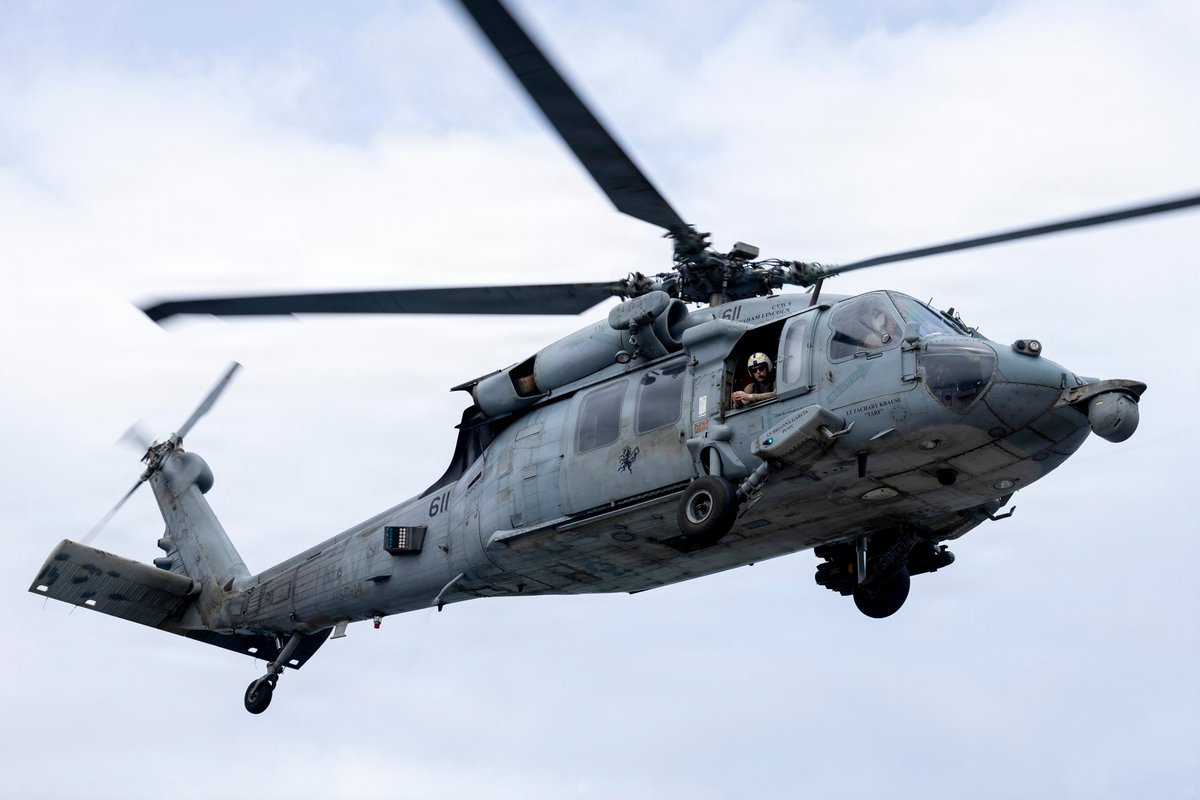
While the primary focus remains on the Ukrainian front, related kinetic events unfolded elsewhere, underscoring the broader regional volatility. Five Ukrainian unmanned surface vessels were destroyed in the Black Sea by Russian anti‑tank guided missiles, Lancet loitering munitions, and small arms (intelslava). In the Arabian Sea, a US Navy helicopter crashed, resulting in three rescued crew members and one missing (monitor_the_situation), and US naval forces continued escorting tankers through the Strait of Hormuz amid heightened Iran tensions.
Assessment of the Day’s Kinetic Landscape
The July 1 events illustrate a dual‑track escalation: Russian forces are consolidating territorial gains through combined arms assaults, while Ukrainian forces are leveraging UAVs and long‑range missiles to erode Russian logistical capacity and strike high‑value targets beyond the front line. The reported use of sophisticated weaponry—such as Israeli RADA radars, US‑made HMMWVs, and Paladin artillery—by Russian units indicates continued external support, whereas Ukraine’s deployment of FP‑5 cruise missiles and FP‑1/2 drones reflects a diversification of its strike portfolio, likely supplied by Western partners.
Casualty figures for the day remain limited to the Russian claim of over 200 Ukrainian troops killed in Krasny Liman; independent verification is pending. No civilian casualty reports were directly linked to the Ukrainian bridge attacks, but the destruction of transport infrastructure will likely exacerbate humanitarian challenges in occupied territories.
Overall, the kinetic tempo on July 1 suggests a sharpening of the conflict’s intensity, with both sides employing increasingly precise and long‑range capabilities to shape the battlefield.