On 30 June 2026, the Israeli Air Force, in coordination with Shin Bet, conducted a precision airstrike in Rafah, Gaza Strip, that killed Muhammad Fathi Abd al‑Hay Abu Fakhri, the commander of Hamas’s Yabna Battalion. The operation, confirmed by the monitoring channel monitor_the_situation, represents a significant kinetic event, removing a senior operative responsible for coordinating attacks against Israeli targets. No civilian casualties were reported in the strike, and the Israeli authorities did not disclose the type of munitions used, indicating a likely use of a guided missile or loitering munition to achieve a targeted effect.
Operational Context and Immediate Impact
The elimination of Abu Fakhri follows a pattern of high‑value targeting that Israel has intensified since the escalation of hostilities earlier in the year. Hamas’s Yabna Battalion has been implicated in cross‑border rocket fire and tunnel construction in the southern Gaza corridor. By neutralizing its commander, Israeli forces aim to disrupt command‑and‑control structures and degrade Hamas’s operational tempo in the Rafah sector, a densely populated area that has seen repeated clashes. The strike underscores Israel’s reliance on air power and intelligence assets to conduct kinetic actions while minimizing ground exposure.
Related Kinetic Developments
Later the same day, a separate incident highlighted the ongoing risk to civilians in Gaza. An Israeli double‑tap strike on a civilian vehicle was reported by Al Jazeera (source). The target vehicle, traveling on an unnamed road within the Gaza Strip, was hit twice within a short interval, a tactic commonly employed to ensure the destruction of perceived threats. The driver survived with non‑life‑threatening injuries; no fatalities were recorded. The incident illustrates the broader pattern of kinetic pressure applied by Israeli forces across the enclave, raising concerns about proportionality and civilian protection under international humanitarian law.
Hostage Narrative and Public Messaging
In a parallel development, former Gaza hostage Rom Braslavski publicly thanked the Israel Defense Forces for killing the Palestinian Islamic Jihad (PIJ) terrorist who had held him captive. Braslavski posted an Instagram statement, declaring “I won” and describing the abuse he endured under the PIJ operative (JPost). While the post does not specify the exact location or identity of the PIJ member, it reflects the personal dimension of kinetic actions that target individual militants. The narrative serves both as a morale booster for Israeli audiences and as a psychological deterrent aimed at PIJ affiliates.
International Stabilization Forces (ISF) Ground Movements
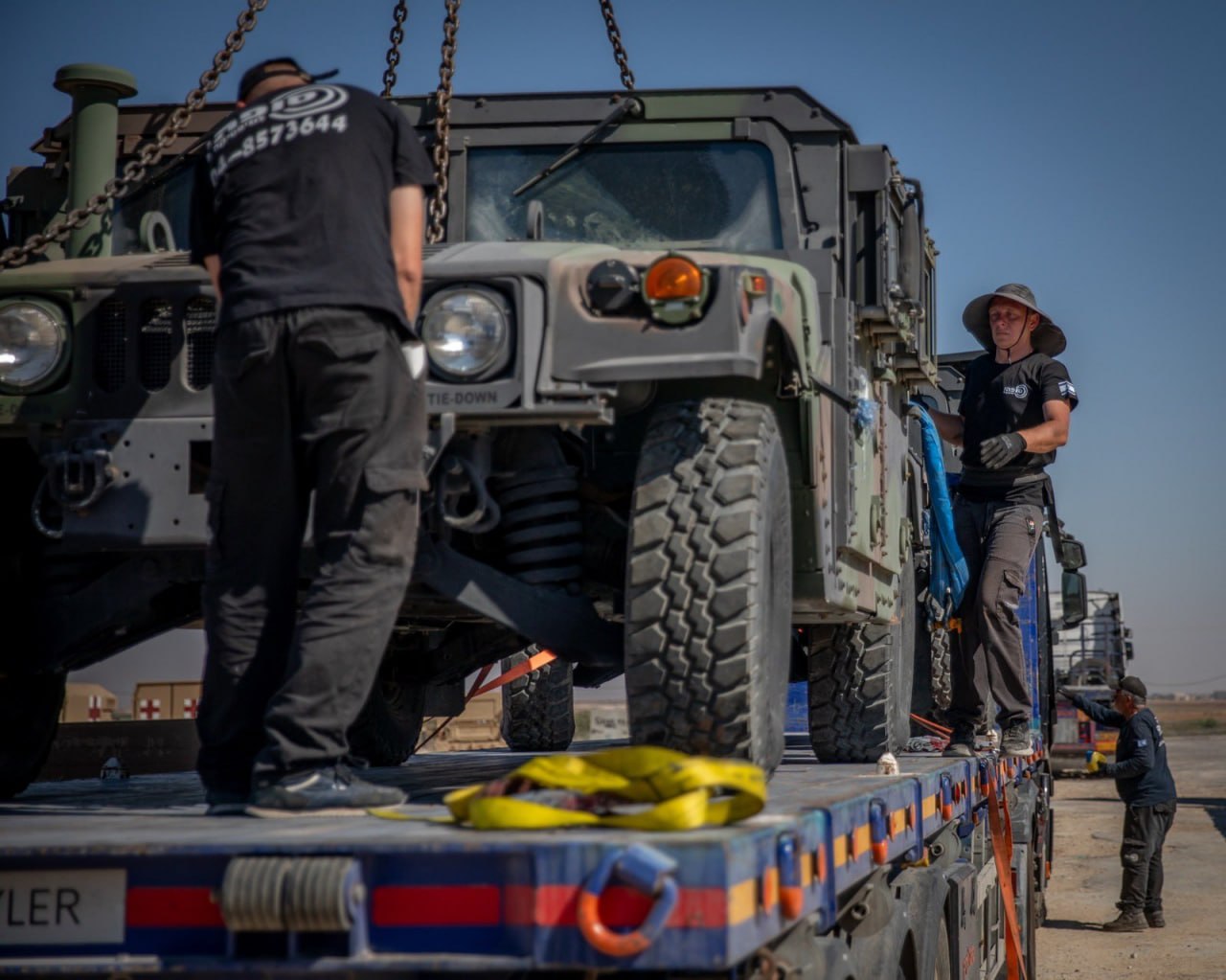
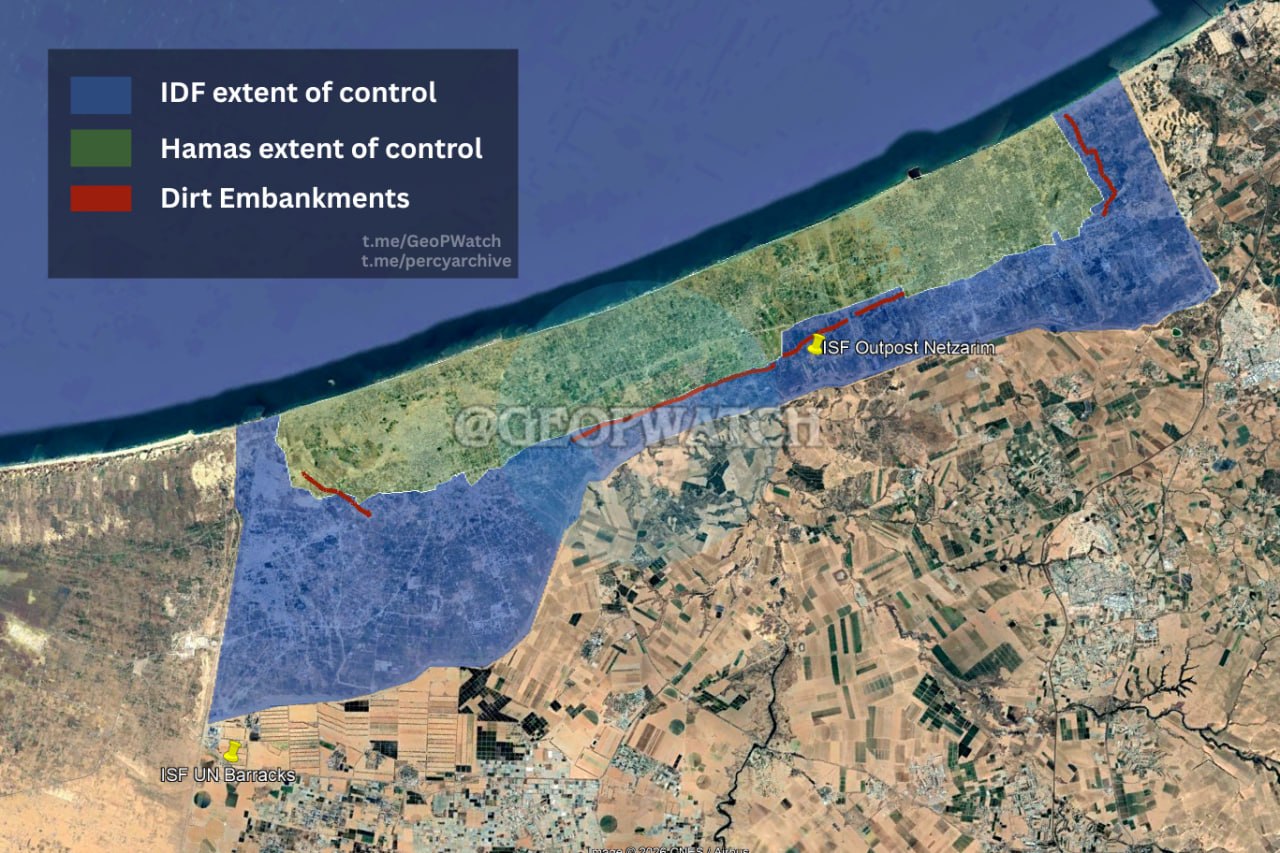
Amid the kinetic operations, the United States‑led International Stabilization Forces (ISF) expanded their logistical footprint in Gaza. The Board of Peace announced the arrival of the first High‑Mobility Multipurpose Wheeled Vehicles (HMMWVs) at a supply and logistics site near the Kerem Shalom crossing (GeoPWatch). The deployment, captured in three photographs, signals a logistical buildup intended to support humanitarian aid distribution and security operations under a UN mandate. Earlier that morning, GeoPWatch identified two ISF sites: an outpost under construction in the Netzarim Corridor (coordinates 31°26'43.87"N 34°25'43.79"E) and a barracks‑logistics hub near Kerem Shalom (coordinates 31°12'28.50"N 34°17'8.02"E). These sites, staffed by multinational personnel from the United States, Israel, and other allied nations, aim to create a stabilized corridor for aid flow while providing a buffer against further escalations.
"I won": Former hostage Rom Braslavski thanks IDF for killing PIJ terrorist who held him in Gaza.
Analytical Assessment
The events of 30 June illustrate a multi‑layered kinetic environment in Palestine, where targeted assassinations, civilian‑impact strikes, and the introduction of foreign stabilization assets intersect. The elimination of a Hamas battalion commander demonstrates Israel’s continued emphasis on decapitation strikes to erode militant leadership. Simultaneously, the double‑tap vehicle attack underscores the persistent threat to non‑combatants, a factor that may influence international diplomatic pressure. The ISF’s logistical expansion reflects a strategic shift toward a quasi‑occupational presence aimed at controlling supply routes and mitigating humanitarian crises, albeit without direct combat engagement.
Collectively, these developments suggest a trajectory in which Israel leverages precision air power to achieve tactical objectives while the international community seeks to embed stabilization mechanisms within the conflict zone. The balance between kinetic pressure and humanitarian stabilization will likely shape the operational calculus for all parties in the coming weeks.