June 30, 2026 witnessed a coordinated escalation of armed actions across three separate theatres, underscoring the widening scope of the conflict involving Ukraine, Russia, and Iran. The day began with a lethal Russian glide‑bomb strike in Kharkiv, Ukraine, and unfolded with Ukrainian drone attacks on a Crimean power plant, a Ukrainian rocket strike on a Russian space communications centre, and a deadly shooting targeting Iran’s Islamic Revolutionary Guard Corps (IRGC) in Kermanshah Province. Each incident was reported by open‑source monitors and illustrates a pattern of intensified hostilities on multiple fronts.
Russian Glide‑Bomb Airstrike in Kharkiv
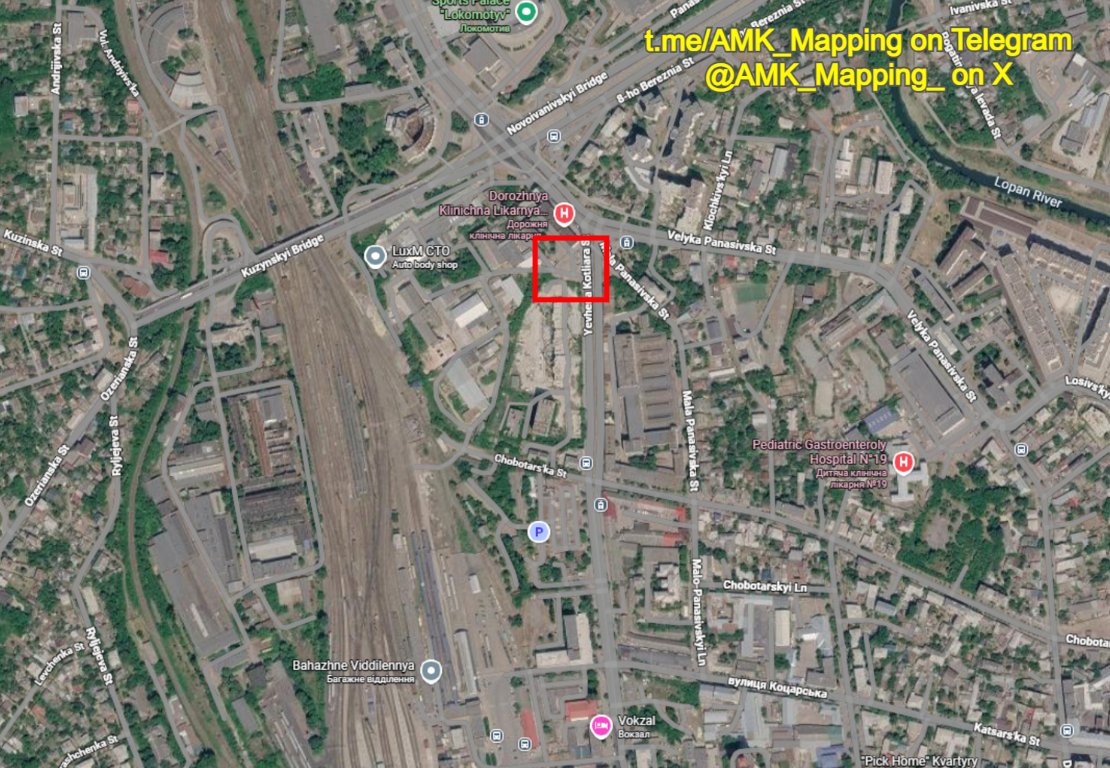
At 00:46 local time, a Russian KAB glide bomb detonated near a road adjacent to an industrial zone in Kharkiv city, missing its intended factory target. The explosion killed one civilian and injured at least twelve others. The strike was captured in a photograph posted by the Telegram channel monitor_the_situation. No armed organization claimed responsibility, and the weapon used— a precision glide bomb— highlights Russia’s continued reliance on stand‑off munitions to strike urban areas while attempting to limit direct troop exposure.
"A Russian glide‑bomb struck near a road in Kharkiv City, missing its intended industrial target and killing one civilian, injuring at least 12 others," monitor_the_situation reported.
Ukrainian Drone Assault on Tavriyska Power Plant, Crimea
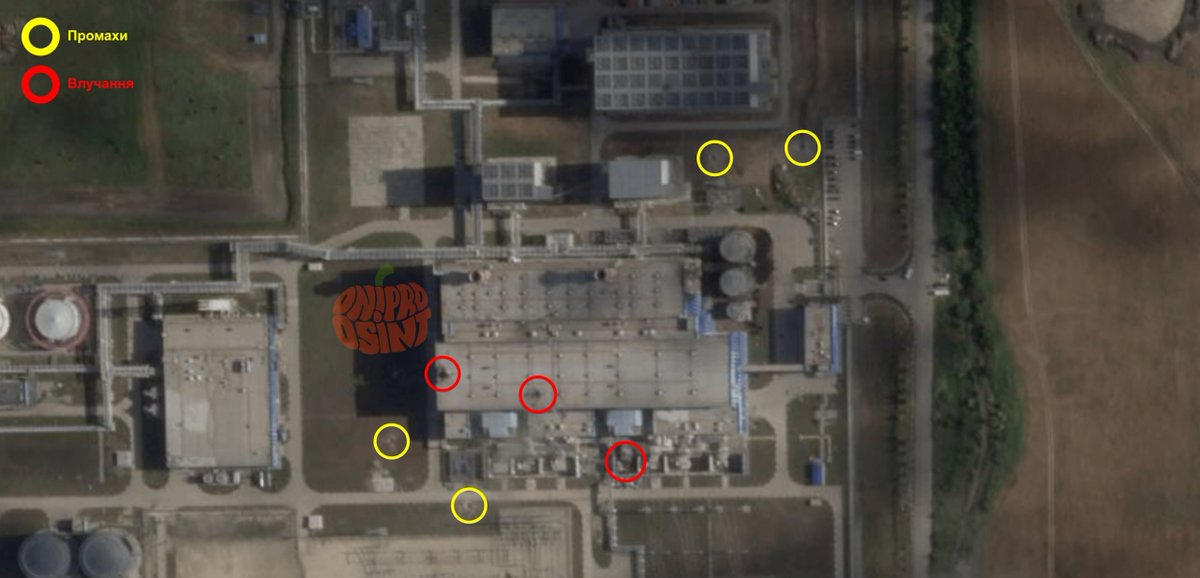
Just over four hours later, at 05:10, Ukrainian forces deployed FP‑2 combat drones against the Tavriyska thermal power plant in Simferopol, Crimea. Satellite imagery released by @NOELreports showed at least three drone impacts on the plant’s main building, damaging critical gas turbine units. While no casualties were reported, the attack threatens regional electricity supply and demonstrates Ukraine’s expanding UAV capabilities to target infrastructure within occupied territories.
"Drones Strike Tavriyska Power Plant in Crimea," NOELreports noted, citing three FP‑2 drone hits that compromised gas turbine units.
Ukrainian Rocket Strike on Moscow Space Communications Center
At 05:09, a Ukrainian rocket strike hit the Moscow Space Communications Center in Dubna, Moscow Oblast, Russia. The impact generated visible explosions and a plume of smoke, as documented in video footage shared by monitor_the_situation. Although the specific weapon system was not disclosed, the targeting of a high‑value communications asset signals Ukraine’s intent to disrupt Russian satellite and space‑based capabilities. No immediate casualty figures were released, but the incident raises concerns about the vulnerability of Russia’s strategic communications infrastructure.
"Ukrainian forces strike Dubna, hitting the Moscow Space Communications Center, causing explosions and smoke," the source reported.
IRGC Members Killed in Kermanshah Province, Iran
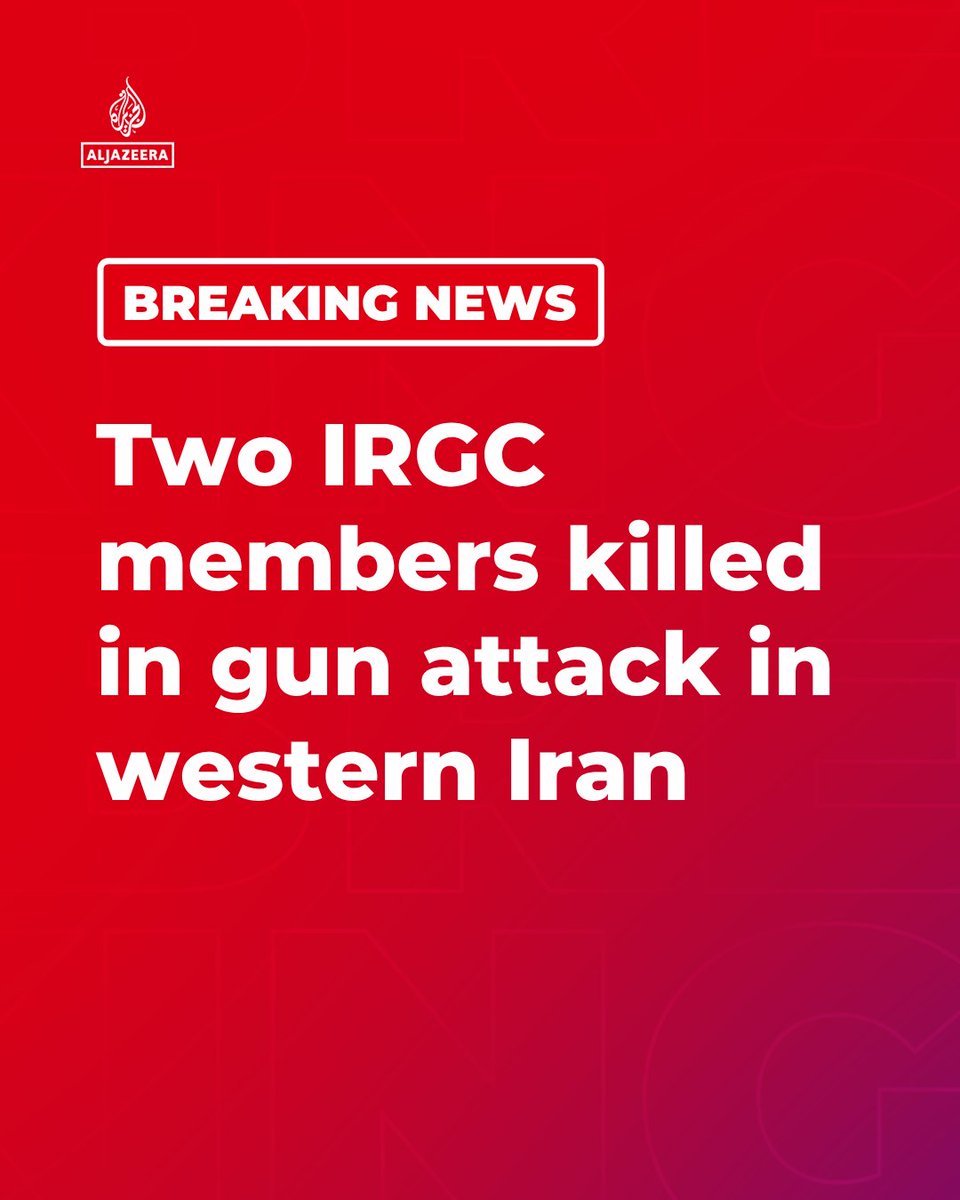
In the early morning hours, at 05:20, a terrorist‑style shooting in Kermanshah Province resulted in the deaths of two IRGC personnel and wounded two others. The incident, reported by the same monitor_the_situation channel and echoed by @AJENews, involved small‑arms fire and appears to be part of a broader pattern of insurgent activity targeting Iranian security forces in the western border region. No group claimed responsibility, and the weapons used were standard firearms.
"Two IRGC members killed and two wounded in a shooting described as terrorist in Kermanshah province," monitor_the_situation noted.
Analysis of the Day’s Multi‑Front Escalation
The four events, while geographically dispersed, share common strategic threads. First, the use of precision‑guided munitions— glide bombs, drones, and rockets— reflects a shift toward remote, high‑impact strikes that minimize direct troop exposure. Second, the targeting of civilian infrastructure (Kharkiv road, Crimean power plant) and strategic assets (Dubna communications centre) indicates an intent to erode both morale and operational capacity across the adversary’s home front. Third, the IRGC casualties in Iran suggest that internal security challenges are intersecting with the broader regional conflict dynamics, potentially opening a new front of asymmetric violence.
All incidents were documented by open‑source channels, underscoring the importance of digital monitoring in real‑time conflict assessment. The convergence of these attacks on a single calendar day marks a notable intensification that may presage further coordinated operations, especially as each belligerent leverages emerging technologies to project power beyond traditional battle lines.