On June 29, 2026, Ukrainian forces launched a coordinated cruise‑missile attack against the Voronezh Semiconductor Devices Plant in Voronezh, Russia, striking a production workshop and an administrative building. The strike, reported by monitor_the_situation at 08:14, demonstrates Kyiv’s expanding long‑range strike capability and its focus on high‑value industrial targets deep inside Russian territory.
Cross‑border strike on Voronezh semiconductor plant
The Ukrainian cruise missiles impacted the plant twice in the production workshop and four times in the administrative sector, causing significant structural damage. No immediate casualty figures were released, but the plant’s operational capacity is expected to be disrupted for weeks. The attack aligns with Ukraine’s stated strategy of targeting Russian defense‑related supply chains, as the Voronezh facility produces components for military electronics.
"The precision of the strike indicates a maturing Ukrainian long‑range capability," a defense analyst cited by monitor_the_situation noted.
Ballistic missile response in Dnipro
Earlier that morning, at 07:28, Russian forces fired an Iskander‑M ballistic missile from Rostov Oblast toward Dnipro, Ukraine. The missile, part of Russia’s standard tactical ballistic arsenal, struck a residential district, causing damage to civilian infrastructure. While official Russian sources did not disclose casualty numbers, local emergency services reported several injuries and property loss. The event was logged by monitor_the_situation (2026‑06‑29T07:28:29) and underscores the continued use of high‑precision, high‑impact weapons on Ukrainian urban centers.
Drone and rocket attacks on occupied Ukraine
Ukrainian forces continued to employ unmanned systems and rockets across occupied territories:
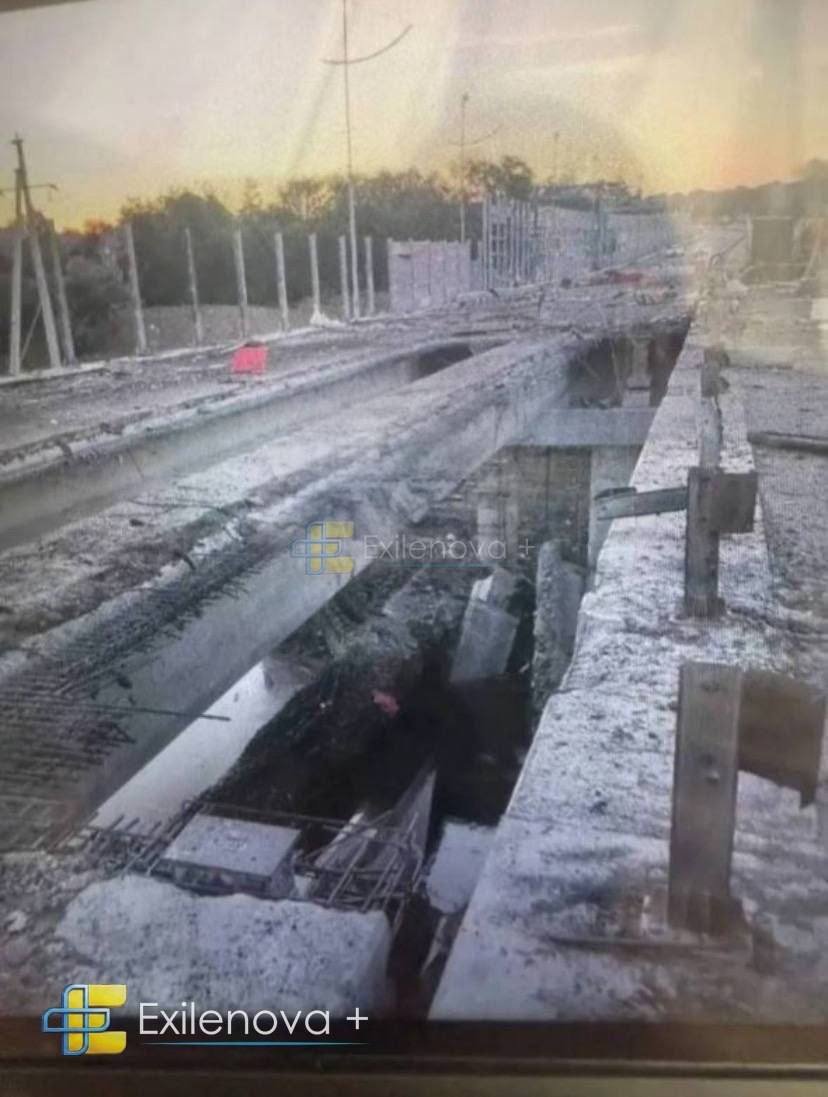
- Vasylivka bridge (Zaporizhzhia Oblast): At 17:22, a Ukrainian FPV drone attacked a Russian recovery crew repairing the bridge, temporarily halting repairs. The incident was documented by monitor_the_situation (2026‑06‑29T17:22:30).
- Serebryansky Forest (Donetsk Oblast): At 11:34, drones from the 63rd Mechanized Brigade engaged a Russian unit moving toward Lyman, inflicting personnel casualties and stalling the advance (monitor_the_situation, 2026‑06‑29T11:34:22).
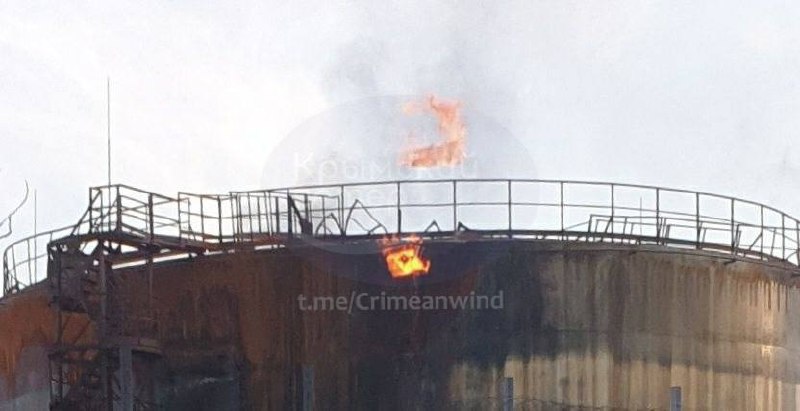
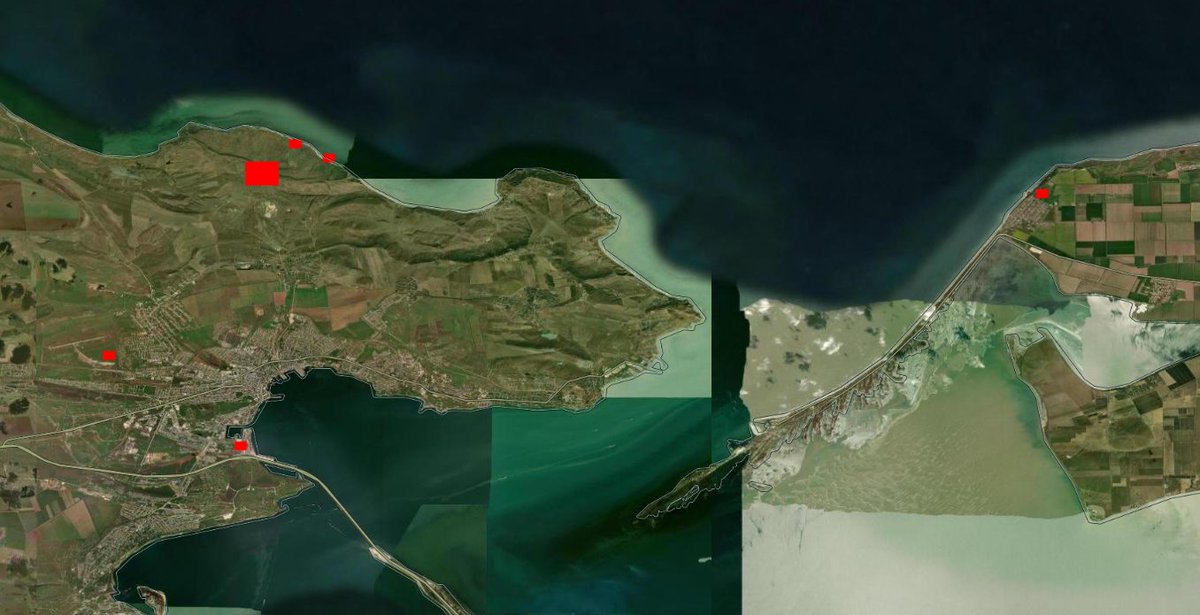
- Kerch, Crimea: A fuel storage tank at the TES terminal was set ablaze overnight, likely by a Ukrainian drone, according to monitor_the_situation (2026‑06‑29T09:25:53). The fire was contained but highlighted Kyiv’s focus on Russian energy infrastructure.
- Novaazovsk bridge (Donetsk Oblast): Ukrainian forces damaged a road bridge in the occupied town, disrupting Russian logistics (monitor_the_situation, 2026‑06‑29T14:34:38).
Territorial changes: recaptures and captures
The front line saw several notable shifts:
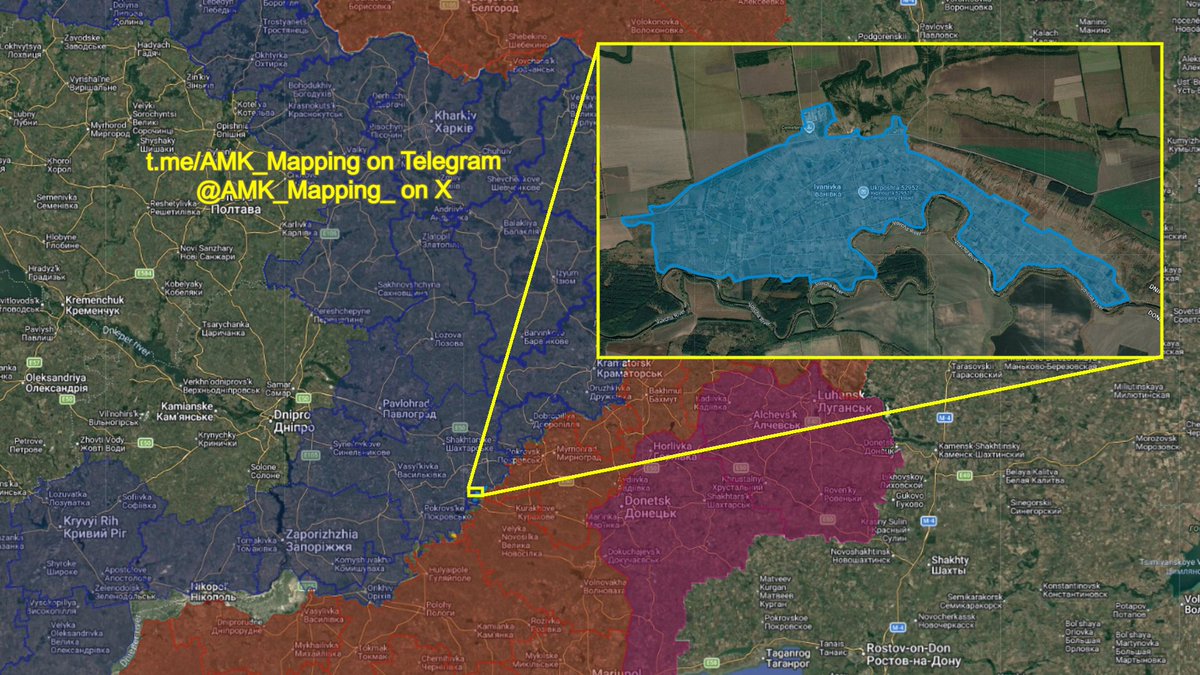
- Ivanivka (Dnipropetrovsk Oblast): Ukrainian troops recaptured the village after a six‑month battle, restoring control over a strategic crossroads (monitor_the_situation, 2026‑06‑07:13:39).
- Bohodarivka (Donetsk Oblast): Russian forces captured the village, marking a modest gain for Moscow in the contested Donetsk region (monitor_the_situation, 2026‑06‑29T09:28:42).
Civilian impact from weekend strikes
The Conflict Intelligence Team (CIT) reported that weekend strikes on civilian infrastructure across Ukraine and Russia resulted in 18 civilian deaths and 202 injuries, with Kyiv among the affected locations (monitor_the_situation, 2026‑06‑29T12:19:52). While the report does not attribute specific weapons to each casualty, the figures illustrate the ongoing humanitarian toll of kinetic operations on both sides.
Overall assessment
June 29, 2026, reflects a multi‑dimensional kinetic phase in the Ukraine‑Russia conflict. Ukraine’s ability to strike deep into Russian territory with cruise missiles, combined with persistent drone operations against occupied infrastructure, indicates a broadened offensive envelope. Conversely, Russia’s deployment of Iskander‑M missiles against Ukrainian urban centers demonstrates continued reliance on high‑impact, long‑range weapons. Territorial dynamics remain fluid, with both sides achieving localized gains. The civilian casualty count from recent strikes underscores the persistent humanitarian risk inherent in these kinetic engagements.