On June 29, 2026, a coordinated Russian missile and drone barrage struck Ukrainian territory, killing at least eight civilians and prompting President Volodymyr Zelenskyy to denounce the attacks as "horrific" while urging allies to reinforce Ukraine's air‑defence network. The incident, reported by Al Jazeera, represents the most lethal kinetic event recorded on this date and underscores the escalating intensity of aerial warfare in the region.
"These attacks are horrific and unacceptable. We call on our partners to accelerate the delivery of modern air‑defence systems to protect our people," President Zelenskyy said in a televised address. (Al Jazeera, https://www.aljazeera.com/news/2026/6/29/russian-missile-and-drone-attacks-kill-at-least-eight-in-ukraine?traffic_source=rss)
Details of the Russian Assault
The strike involved a combination of cruise missiles and loitering drones launched from Russian‑controlled airspace. Impact sites were reported in the eastern oblasts of Donetsk and Luhansk, where residential structures were hit, resulting in eight confirmed fatalities and several injuries. Ukrainian air‑defence units engaged multiple inbound objects, but the mixed‑type salvo overwhelmed existing systems, highlighting gaps in coverage that Zelenskyy identified as a priority for Western assistance.
Ukrainian Counter‑Operations: Drone and Missile Strikes Beyond the Frontline
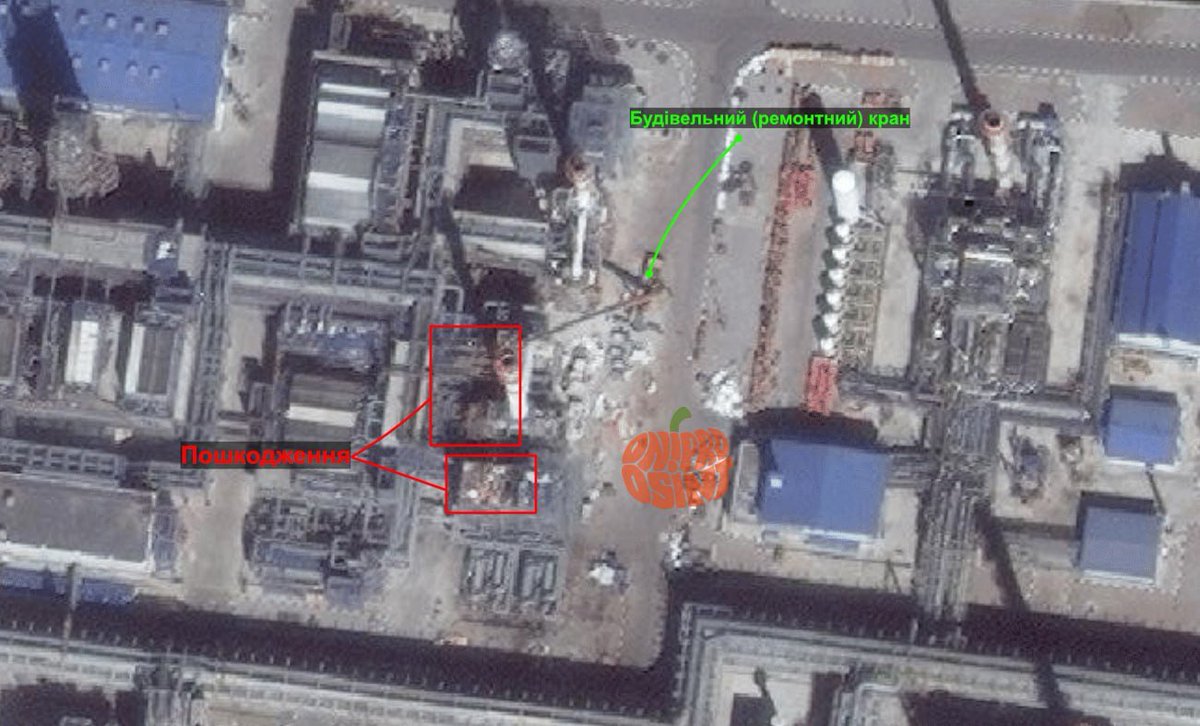
In a separate development, Ukrainian forces demonstrated extended operational reach by targeting strategic assets deep within Russian territory. Satellite imagery released by the monitoring outlet Monitor the Situation confirmed a Ukrainian FP‑1 drone strike on the Tyumen oil refinery on June 21, damaging a diesel purification unit. The refinery, located over 2,000 km from the Ukrainian border, suffered material loss and temporary production downtime, marking a significant escalation in the use of long‑range unmanned platforms.
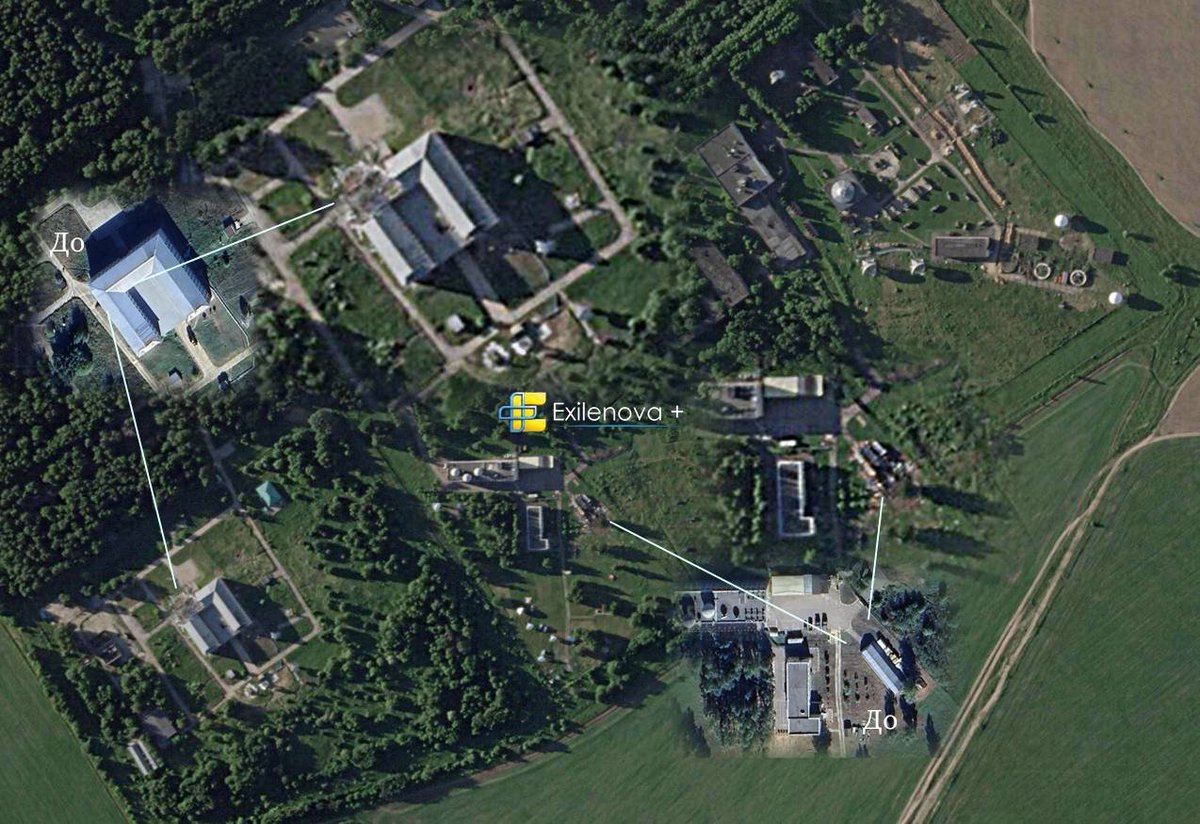
Later, on June 26, a Ukrainian missile strike hit a communications hub in Minyayevo, Moscow Oblast. The attack, documented with photographic evidence, damaged technical buildings and disrupted local telecommunications. Both incidents illustrate Ukraine's capacity to project kinetic force well beyond its frontlines, leveraging precision‑guided munitions and drone technology to target infrastructure critical to the Russian war effort.
First Successful Interception of a Russian Sokol‑I Drone
At 17:02 UTC, Ukrainian air‑defence units achieved a milestone by shooting down a Russian Sokol‑I air‑defence drone, the first confirmed kill of this model. The engagement, reported by Monitor the Situation, involved ground‑based radar detection followed by a surface‑to‑air missile launch that neutralized the unmanned system. Video footage of the interception was circulated on the platform’s Telegram channel, underscoring the evolving cat‑and‑mouse dynamics of drone warfare in the conflict.
Pakistan’s Cross‑Border Airstrikes Against Jamaat‑ul‑Ahrar
In South Asia, the Pakistan Ministry of Information and Broadcasting released footage showing the Pakistan Air Force conducting airstrikes against Jamaat‑ul‑Ahrar (JuA) positions inside Afghanistan. The operation, detailed by the Telegram channel Intelslava, aimed at dismantling the militant group’s training camps and supply routes. While casualty figures were not disclosed, the strikes signal Islamabad’s willingness to employ kinetic force beyond its borders to counter insurgent threats.
Drone Intrusion at a Major U.S. Airport
Across the Atlantic, a civilian aviation incident highlighted the growing vulnerability of critical infrastructure to unmanned aerial systems. At 09:44 UTC, a JetBlue flight approaching New York’s John F. Kennedy International Airport collided with an unidentified drone during its landing sequence. The aircraft landed safely, and no injuries were reported. The Federal Aviation Administration (FAA) launched an investigation, with the incident reported by the Telegram channel idkunim_il. The event raises concerns about airspace security over densely populated urban centers and may prompt regulatory revisions concerning drone operations near airports.
Implications for Regional Security Dynamics
The June 29 incidents collectively illustrate a pattern of kinetic engagements that transcend traditional frontlines, leveraging both conventional missiles and increasingly sophisticated unmanned platforms. Russian missile and drone attacks on Ukrainian civilian areas demonstrate a willingness to employ mixed‑type salvos that strain defensive capacities. Conversely, Ukraine’s long‑range drone and missile strikes into Russian heartland, along with the successful downing of a Russian Sokol‑I drone, reflect a strategic shift toward deep‑strike capabilities and anti‑drone countermeasures.
Pakistan’s cross‑border airstrikes against JuA indicate a regional trend of states employing air power to address non‑state threats beyond their sovereign territory. Meanwhile, the JetBlue‑drone collision underscores the global challenge of integrating civilian drone activity with existing air‑traffic control systems, a concern that transcends conflict zones.
These events, reported by a range of open‑source channels—including Al Jazeera, Monitor the Situation, Intelslava, and idkunim_il—provide a snapshot of how kinetic actions are increasingly mediated by unmanned technologies and how state and non‑state actors are adapting their operational doctrines accordingly.