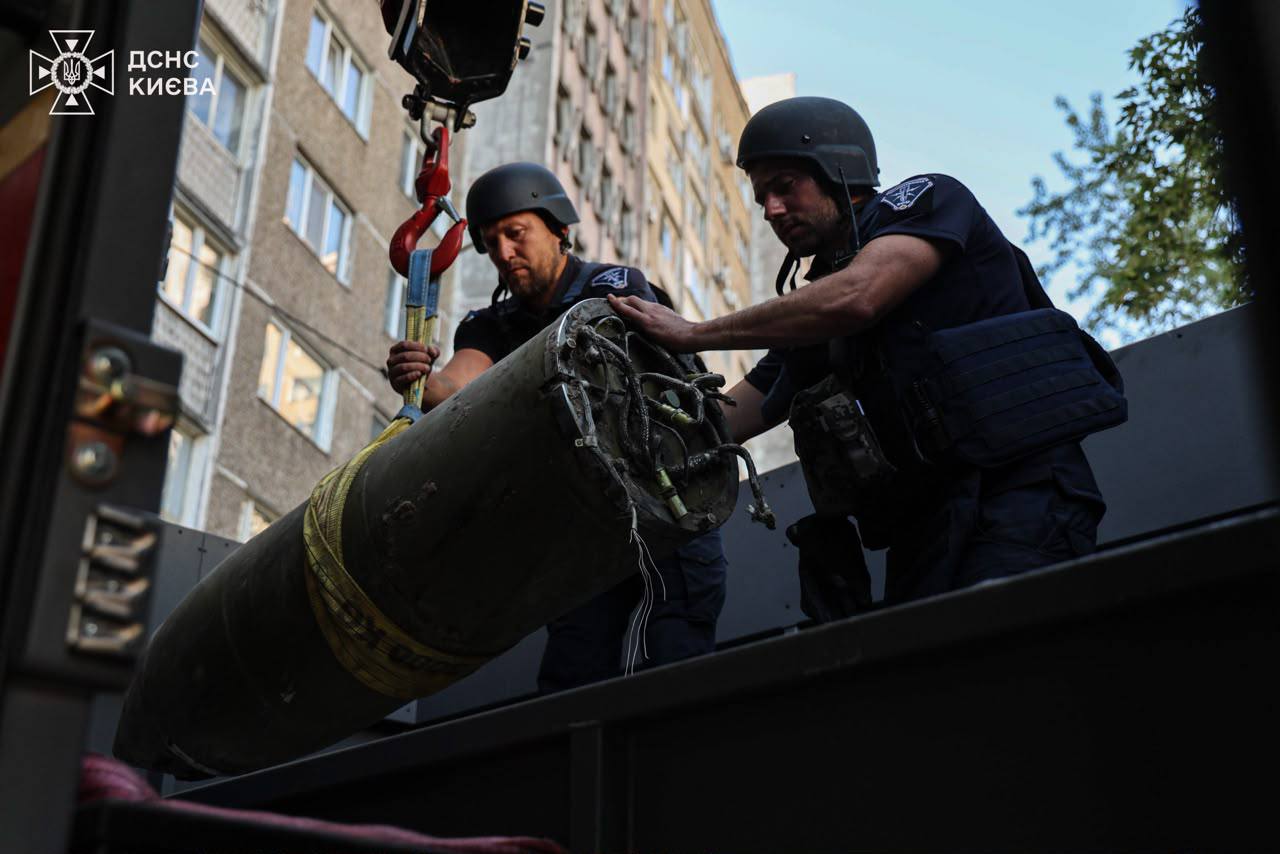
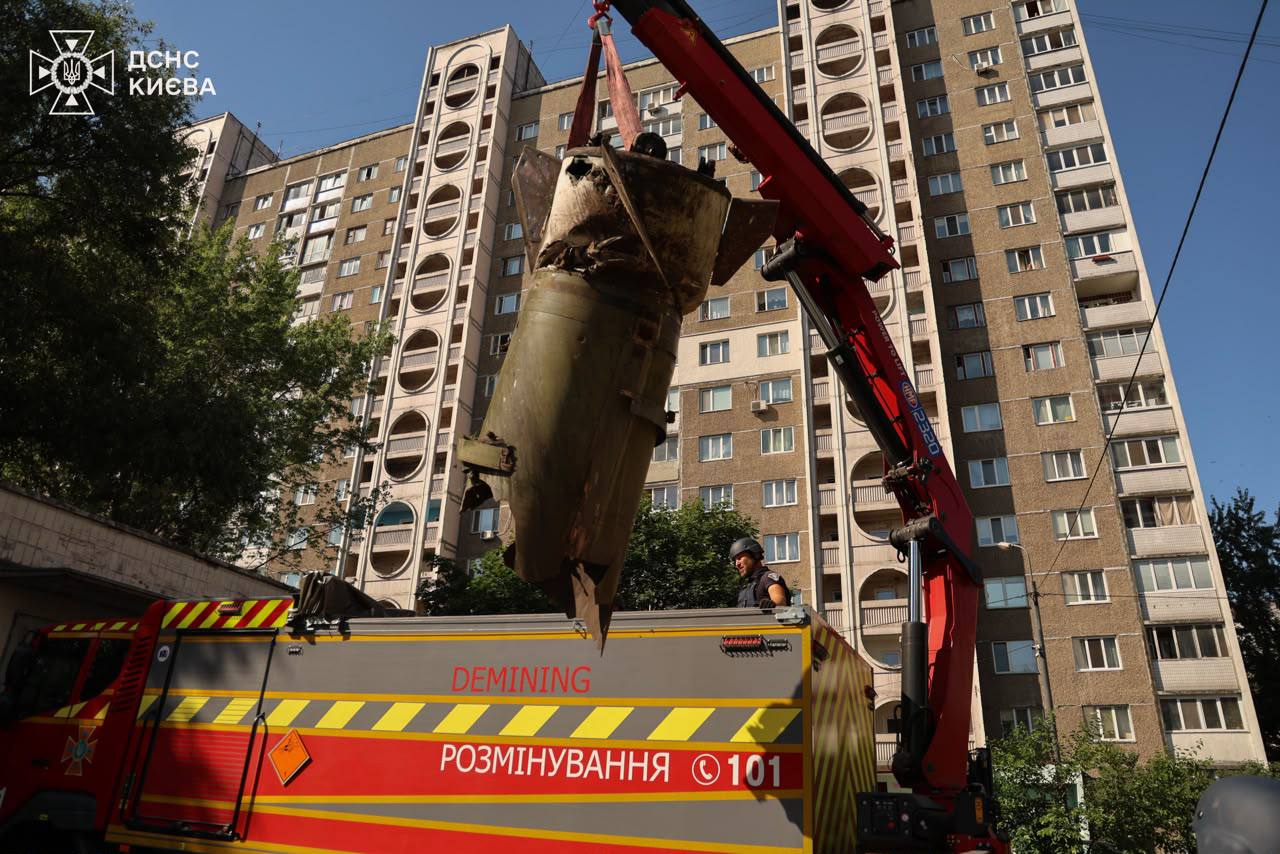
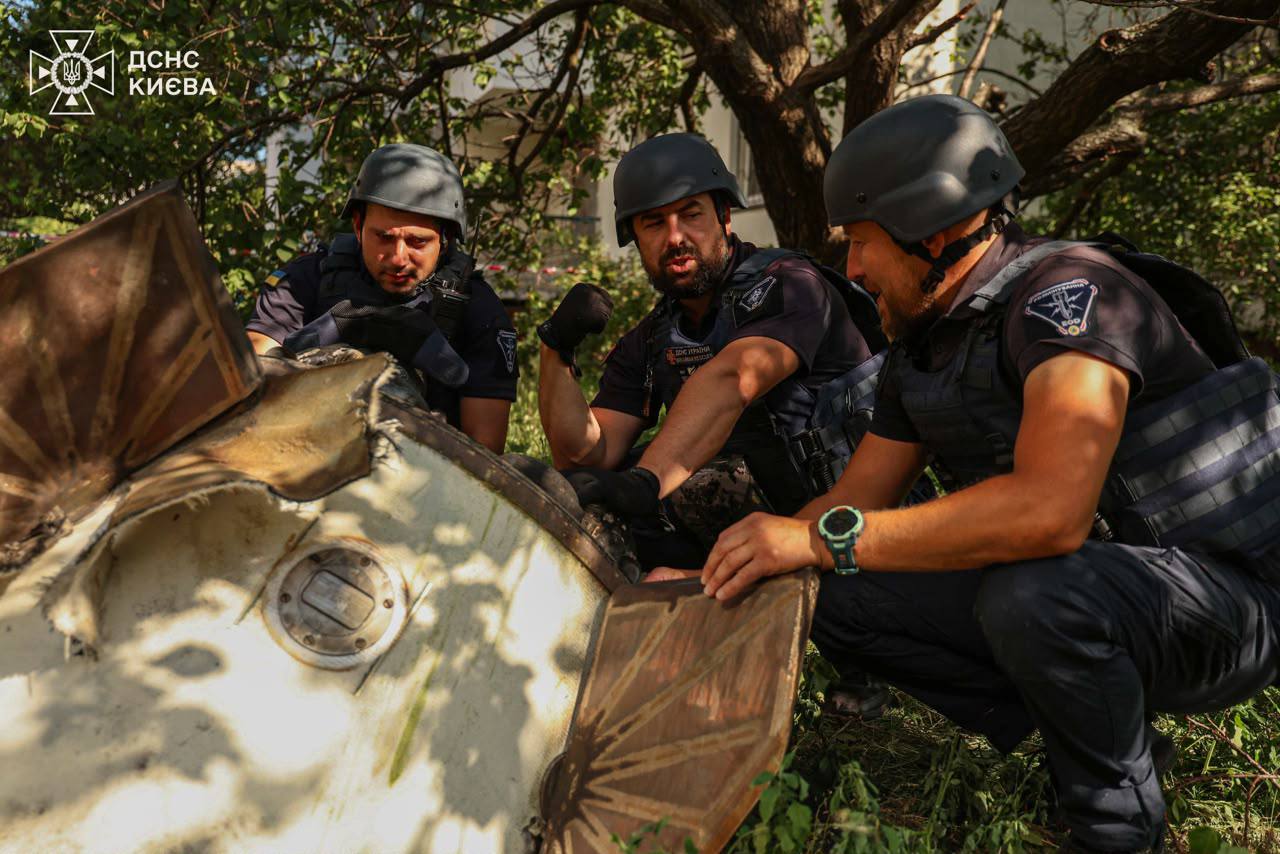
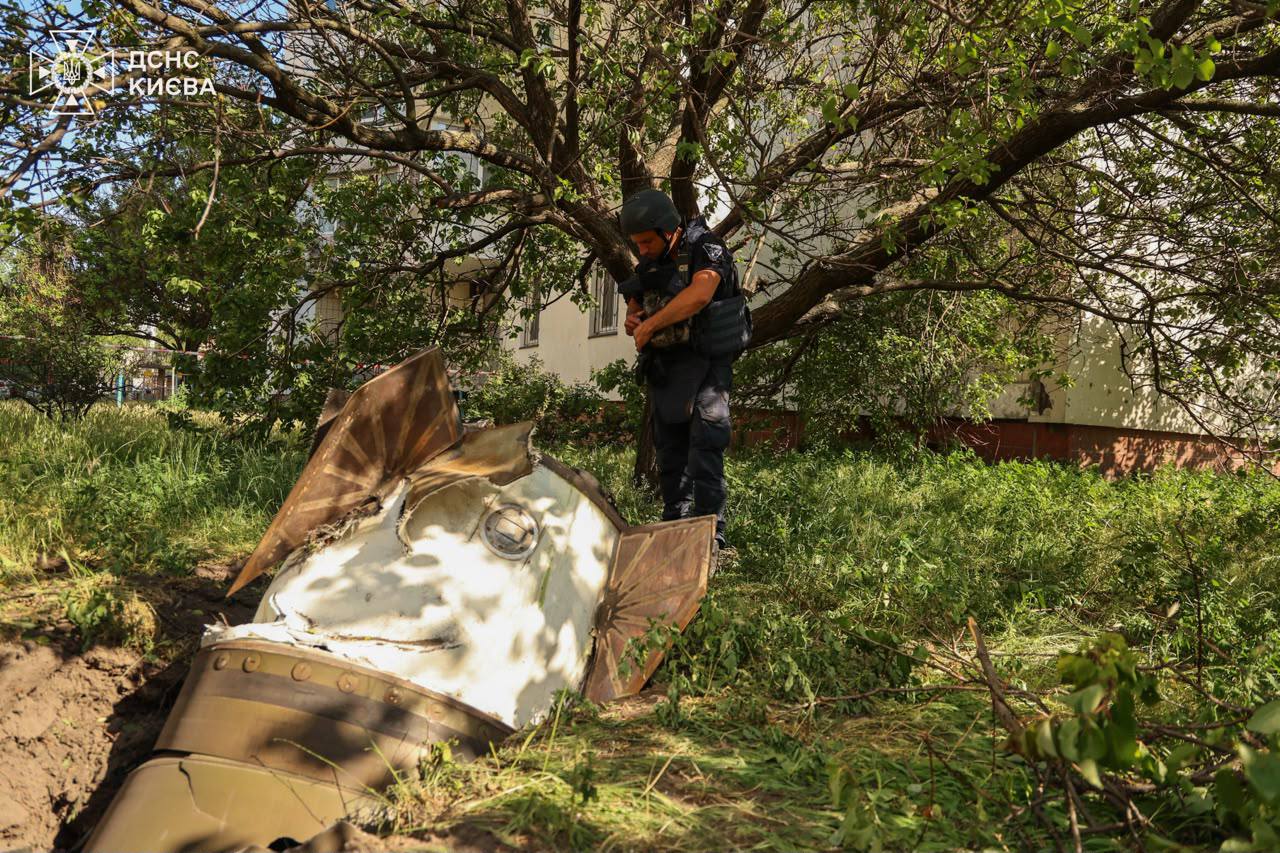
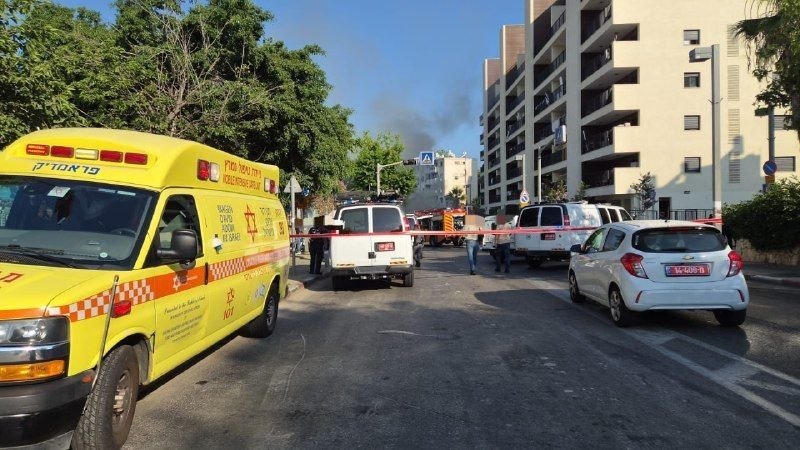
On June 28, Ukrainian air defenses recovered the wreckage of an Iskander-M 9M723 ballistic missile after it failed to reach its target in Kyiv. The interception, reported by the open‑source channel intelslava, underscores the heightened missile threat to the Ukrainian capital and the effectiveness of its layered air‑defence network.
Wreckage of a failed or intercepted 9M723 ballistic missile from the Iskander‑M system, recovered following overnight strikes on targets in Kyiv.
The missile, part of Russia’s short‑range ballistic arsenal, was launched in the early hours of the day and was tracked by multiple radar sites before being neutralised. No casualties were reported, but the incident highlights the continued reliance of Russian forces on precision strike capabilities against urban centres.
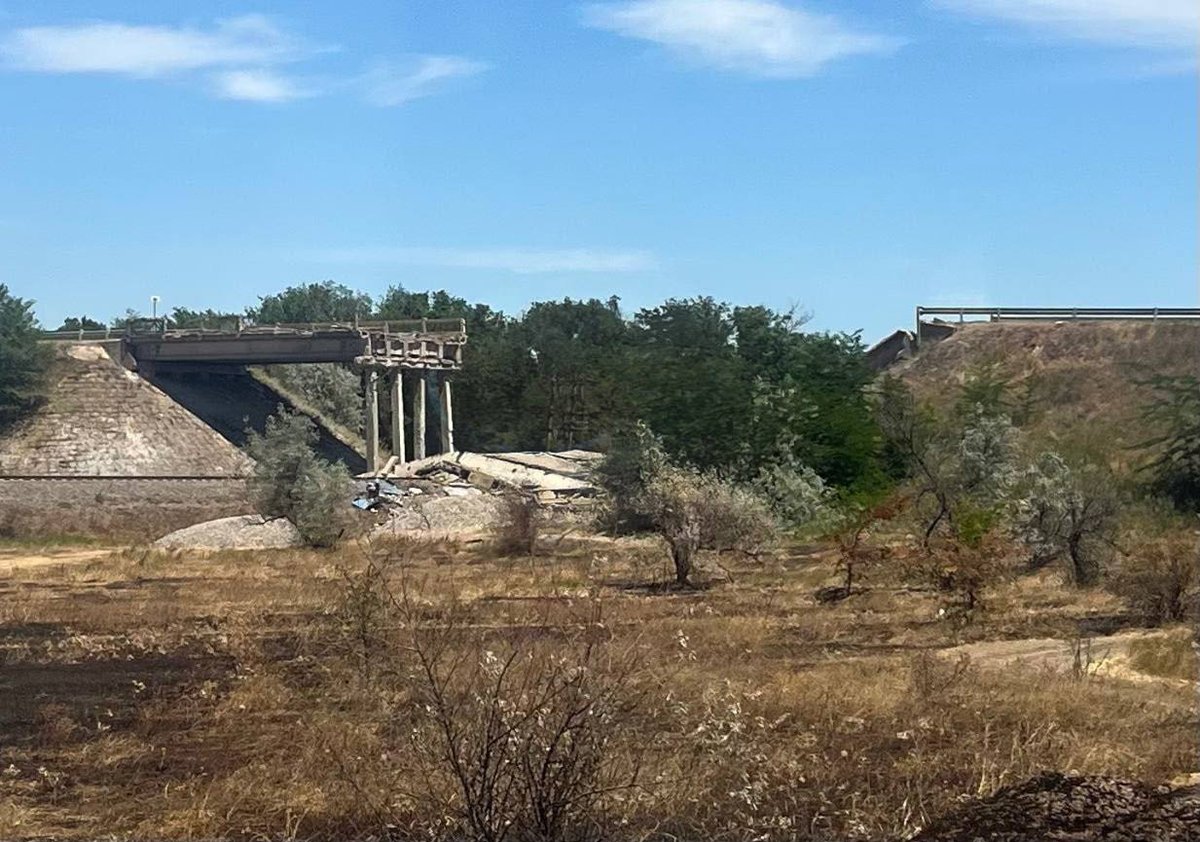
Ukrainian drone operation collapses strategic bridge in Crimea
At 16:01 UTC, Ukrainian combat drones targeted a key road bridge over railway tracks in Rozdolne, Crimea. The bridge, described by monitor_the_situation as “strategic,” was destroyed, disrupting Russian rail logistics that connect the peninsula to mainland Russia. No civilian casualties were reported, but the loss of the crossing is expected to impede the movement of military supplies and personnel across the region.
Ukrainian HIMARS strike hits Russian brigade headquarters in Kursk
Earlier, at 13:28 UTC, Ukrainian forces employed HIMARS rockets to strike the command post of Russia’s 136th Motorized Rifle Brigade in Krasne, Kursk Oblast. The attack, documented by monitor_the_situation, damaged the brigade’s communications infrastructure and caused temporary disruption of command and control functions. Russian sources have not released casualty figures, but the precision nature of the strike demonstrates Ukraine’s expanding long‑range fire‑support capability.
Russian ground movements in Luhansk and Kharkiv regions
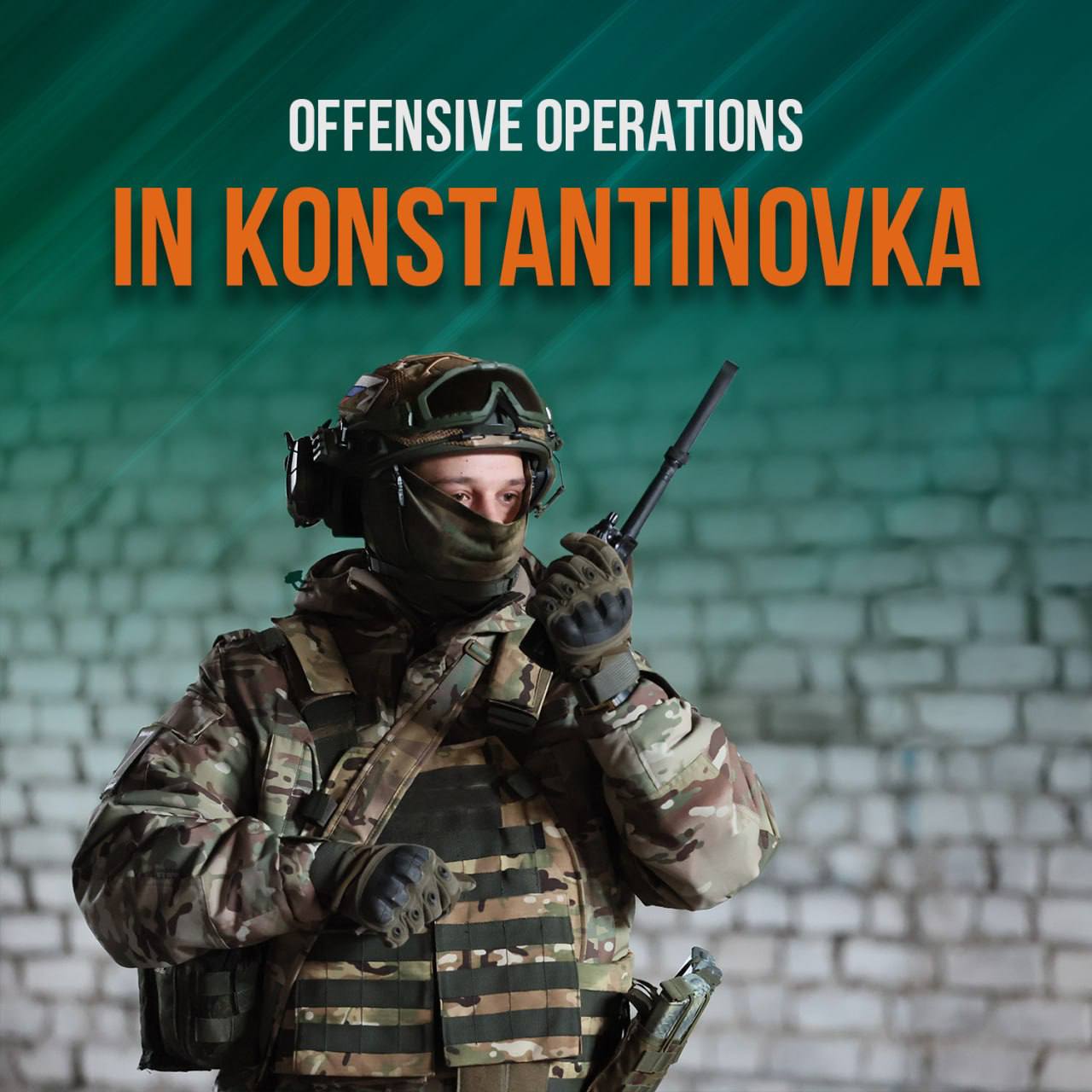
Concurrent with Ukrainian kinetic actions, Russian ground forces reported advances in two eastern sectors. At 13:10 UTC, intelslava relayed that the Russian 25th Army and the 67th Motorised Rifle Division captured five strongholds and 59 buildings in the city of Krasny Liman, Luhansk Oblast, claiming enemy losses of up to 30 troops, four vehicles, five robotic systems, and nine UAV command posts. Later, at 12:55 UTC, the Russian Defence Ministry announced that Yuzhnaya Group assault units in Konstantinovka, Kharkiv Oblast, liberated 26 buildings and reported enemy losses of up to 100 troops, a US‑made MaxxPro armoured vehicle, 20 pickup trucks, two ATVs, 31 ground robotic systems, and 21 UAV command posts.
Operational implications
The juxtaposition of Ukrainian offensive actions and Russian territorial gains illustrates a dynamic front line. The successful interception of an Iskander‑M missile confirms that Kyiv’s air‑defence shield remains robust against high‑speed threats, reducing immediate civilian risk. Meanwhile, the drone‑induced bridge collapse in Crimea directly targets Russian logistical arteries, potentially increasing supply chain latency for forces operating on the peninsula.
Ukrainian HIMARS strikes on Russian brigade headquarters signal a strategic shift toward deep‑strike operations that can degrade command structures far beyond the immediate front line. This capability, combined with persistent drone activity, forces Russian commanders to allocate additional resources to rear‑area security and air‑defence, potentially diluting combat power at the front.
Russian ground advances, while numerically significant, are reported without independent verification of casualty figures. The claimed destruction of Ukrainian assets, including robotic systems and UAV command posts, suggests a focus on neutralising Ukraine’s emerging unmanned capabilities. However, the lack of corroborating evidence means the true impact on Ukrainian operational tempo remains uncertain.
Conclusion
June 28, 2026, reflects a multifaceted kinetic environment in Ukraine. Ukrainian forces continue to leverage precision strike assets—both missile and drone—to target Russian command, control, and logistics nodes, while Russian forces pursue incremental territorial gains in the east. The ongoing missile threat to Kyiv and the effectiveness of Ukrainian air‑defence systems will remain central to the conflict’s trajectory, as both sides adapt to evolving capabilities and battlefield conditions.