The most consequential kinetic event recorded on 28 June 2026 involved Iran’s Islamic Revolutionary Guard Corps (IRGC) Aerospace Force releasing video evidence of medium‑range ballistic missiles launched toward United States military bases in Kuwait and Bahrain. The footage, posted by the intelligence channel intelslava, shows the deployment of Kheibar Shekan, Ghadr, and Emad missiles—systems with ranges between 1,500 km and 2,000 km capable of delivering conventional warheads. The launch sequence was captured at 14:03 UTC and subsequently shared via a Telegram post (https://t.me/intelslava/89491). No casualty figures were reported at the time of release, and the United States has not confirmed any impact on its installations.
Operational Details and Strategic Implications
The Kheibar Shekan missile, a derivative of the Shahab‑3 family, is designed for precision strikes against hardened targets. The Ghadr (also known as Emad) represents Iran’s most advanced solid‑fuel missile, featuring improved accuracy and a reduced launch signature. By directing these weapons at U.S. bases in the Gulf, Tehran signals a willingness to expand its deterrence posture beyond regional proxies. The launch underscores a pattern of Iranian strategic messaging that leverages kinetic displays to influence diplomatic negotiations, particularly those concerning sanctions relief and nuclear discussions.
"The IRGC Aerospace Force has released footage showing the launch of medium‑range ballistic missiles, including Kheibar Shekan and Ghadr/Emad missiles, targeting U.S. bases in Kuwait and Bahrain," intelslava reported.
Israeli Night Operation Resulting in Officer Fatality
At approximately 16:20 UTC, the Israel Defense Forces (IDF) announced the successful elimination of a terrorist during a night‑time clash. The engagement also resulted in the death of Lt. Colonel David Hazut, a senior officer whose loss was confirmed by the IDF channel idkunim_il (https://t.me/idkunim_il/60930). While the specific location of the encounter remains undisclosed, the IDF’s statement emphasized that the terrorist was neutralized in the same operation that claimed Hazut’s life. No additional casualties were reported, and the incident highlights the ongoing volatility of low‑intensity conflict zones where Israeli forces confront militant actors.
Ukrainian Drone Campaign Against Russian Oil Refineries
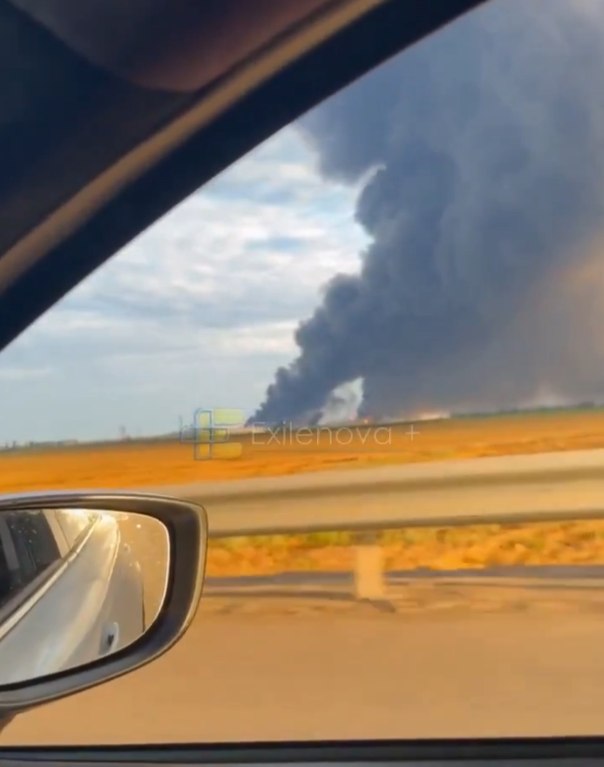
Two separate UAV attacks attributed to Ukrainian forces were documented on 28 June. The first, reported by Al Jazeera at 13:36 UTC, described drone strikes on two Russian oil refineries that resulted in at least two fatalities, according to Russian authorities. The second incident, posted by the monitoring channel monitor_the_situation at 06:00 UTC, detailed a Ukrainian drone strike on the Slavneft‑YANOS refinery in Yaroslavl, a facility with an annual processing capacity of 15 million tonnes of crude oil. Photographic evidence accompanying the latter report (https://t.me/monitor_the_situation/23038) shows smoke and damage to the refinery’s processing units. No further casualty data were released for the Yaroslavl attack, but the combined reports indicate a sustained Ukrainian effort to degrade Russian energy infrastructure.
"Ukrainian drones struck the Slavneft‑YANOS refinery in Yaroslavl, one of Russia's largest oil refineries with a 15 million‑ton annual capacity," monitor_the_situation reported.
Collectively, these events illustrate a multi‑theater escalation of kinetic actions in June 2026. Iran’s missile demonstration, Israel’s lethal engagement, and Ukraine’s UAV campaign each reflect distinct strategic objectives: Tehran’s signaling to the United States, Israel’s counter‑terrorism focus, and Kyiv’s attempt to impair Russian war‑fighting capacity by targeting energy assets. While casualty figures remain limited to the two deaths in the Russian refinery attacks and the Israeli officer, the potential for broader escalation persists, particularly if any of the missile launches result in successful strikes on U.S. installations.