Ukraine experienced its most lethal 24‑hour period since the spring escalation, with at least eleven civilians killed and 109 injured by strikes on civilian infrastructure in both Ukraine and Russia, according to a summary posted by the monitoring channel monitor_the_situation (source). The toll reflects a sharp uptick in kinetic activity across multiple domains – air, drone, and ground – as both sides intensify their offensive and defensive operations.
Air and Drone Strikes Target Strategic Assets
Ukrainian forces employed FP‑5 Flamingo cruise missiles against the Titan‑Barrikady plant in Volgograd, Russia, a key facility for missile production. Video evidence shared by intelslava shows the missile launch and impact (source). A separate report from OSINTdefender confirms the strike, describing the target as a military factory producing launchers for Iskander and Yars systems (source). While the attack lies outside Ukrainian territory, it underscores Kyiv’s expanding long‑range strike capability.
In the contested Donbas region, Russian forces deployed specialized fiber‑optic‑cable FPV drones to ambush Ukrainian troops and unmanned ground vehicles, as detailed by monitor_the_situation (source). The drones were reported to land on Ukrainian unmanned ground vehicles, delivering lethal payloads. This tactic reflects a growing reliance on low‑cost, high‑precision UAVs to disrupt frontline logistics.
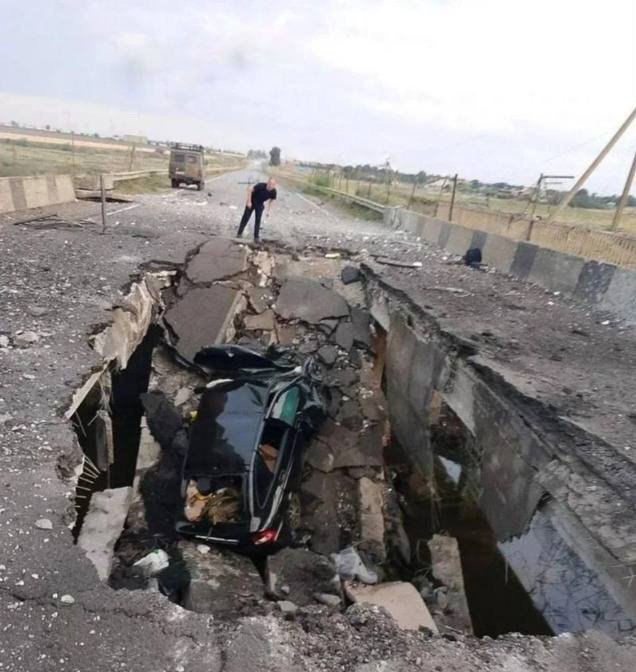
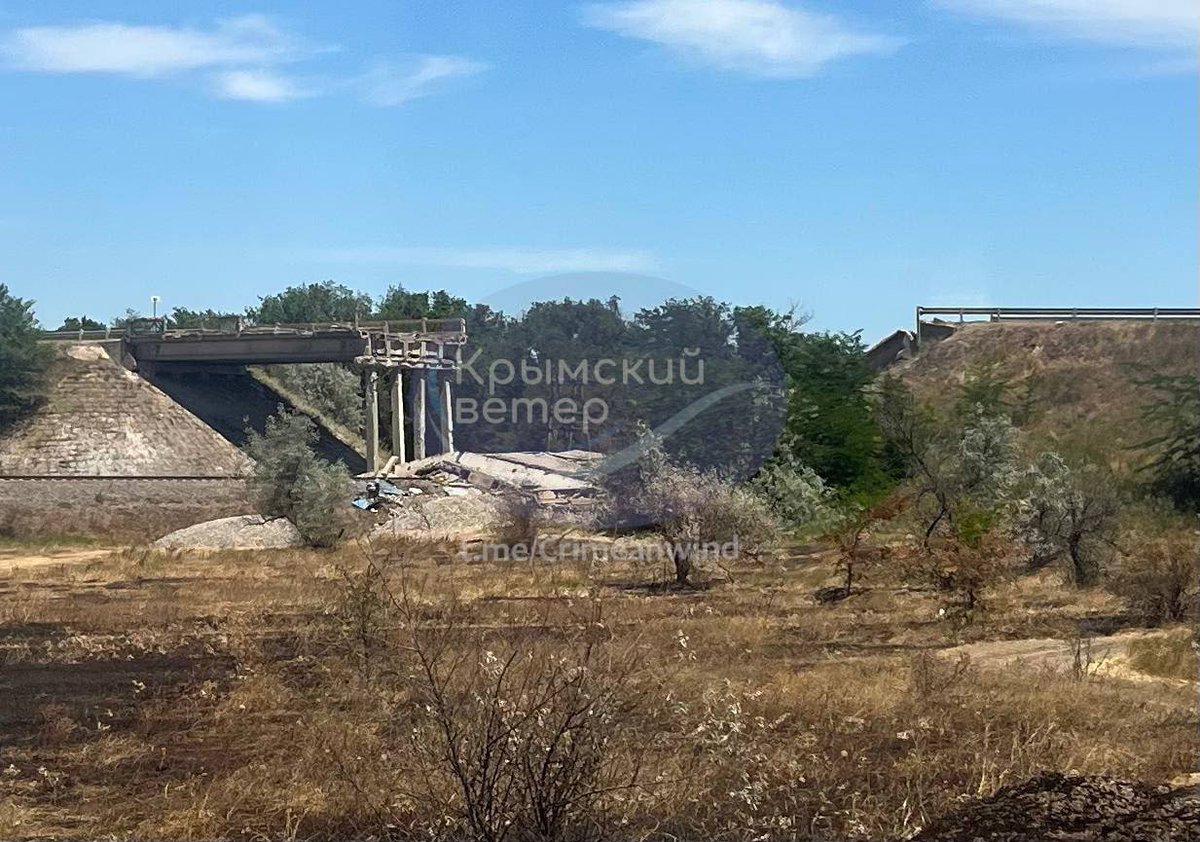
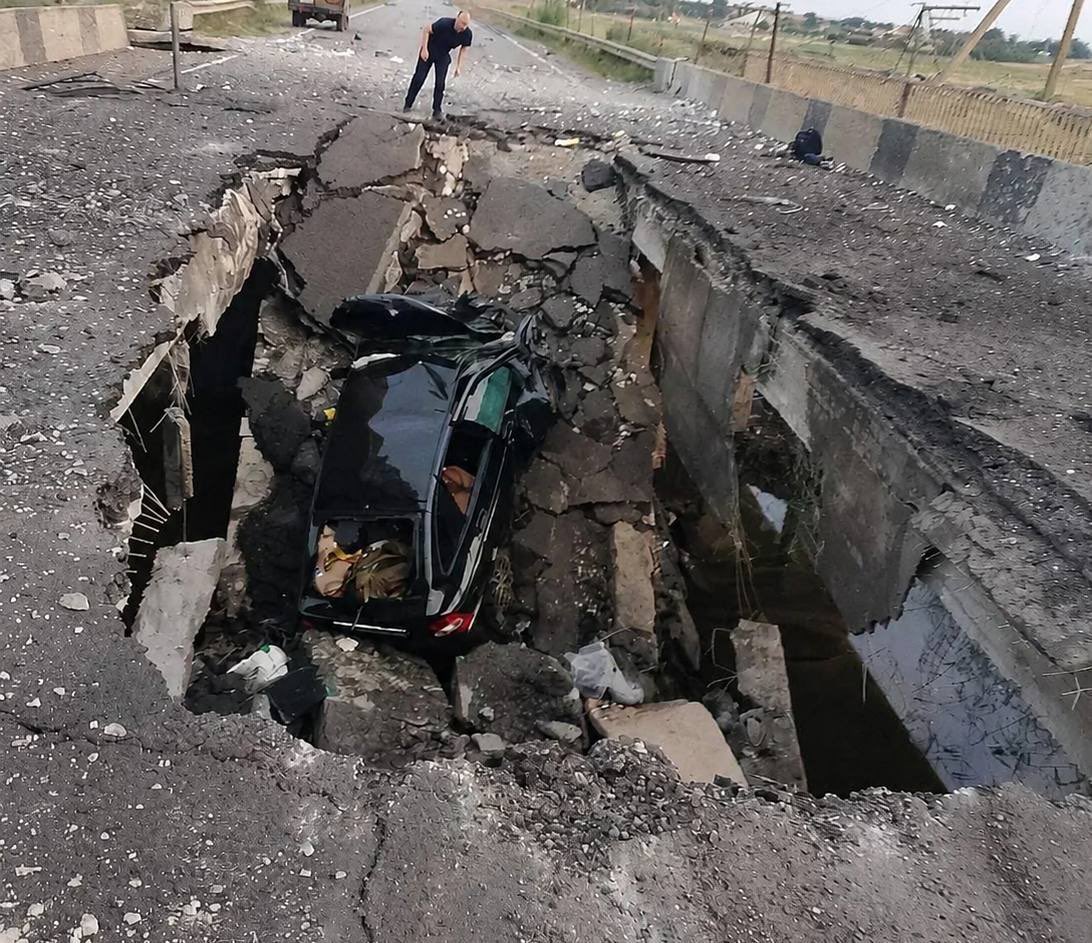
Ukrainian drone operations also inflicted significant damage on Russian supply routes. On the E58 highway in occupied Kherson Oblast, a Ukrainian UAV collapsed a key bridge, forcing traffic onto secondary roads (source). The bridge’s destruction hampers Russian logistical flow from the south, a critical artery for ammunition and fuel.
Further north, Ukrainian drones struck a fuel and lubricants warehouse in Belgorod Oblast, Russia, igniting a fire that threatened nearby depots (source). The attack demonstrates Kyiv’s continued focus on degrading Russian fuel stocks beyond the front line.
Air Superiority Battles: Interceptions and Losses
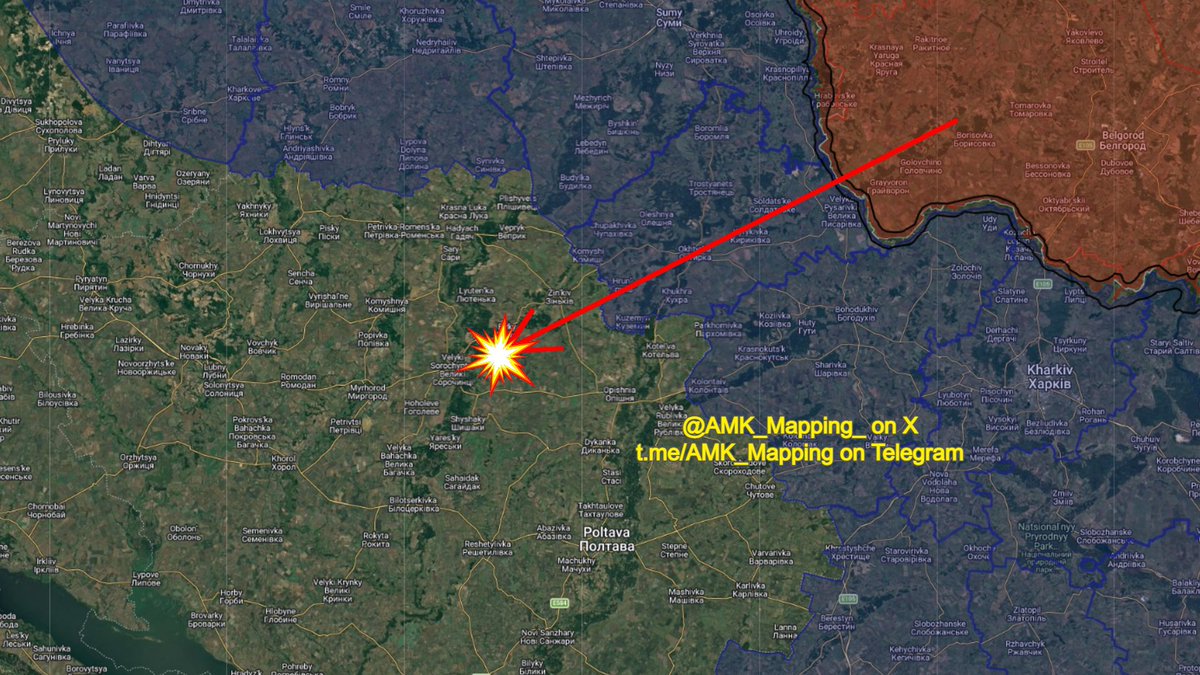
Air combat intensified on 27 June. A Russian Su‑35 fighter downed a Ukrainian MiG‑29 near Velyka Bahachka, Poltava Oblast, using an R‑37 missile (source). The same day, Ukrainian forces reported the loss of two MiG‑29s, one of which ejected safely in Poltava (source). These reciprocal losses highlight the contested nature of the airspace over central Ukraine.
At Voznesensk airfield in Mykolaiv Oblast, Russian Shahed‑238 drones destroyed two Ukrainian MiG‑29 fighters—one during refueling and another in a hardened shelter (source). In a separate strike, Russian forces used drones to eliminate three additional MiG‑29s at the same airfield, bringing the total of aircraft destroyed at Voznesensk to five within a single day (source). The concentration of drone‑borne anti‑aircraft attacks suggests a coordinated effort to erode Ukraine’s remaining air‑defence assets.
Ground Advances and Territorial Shifts
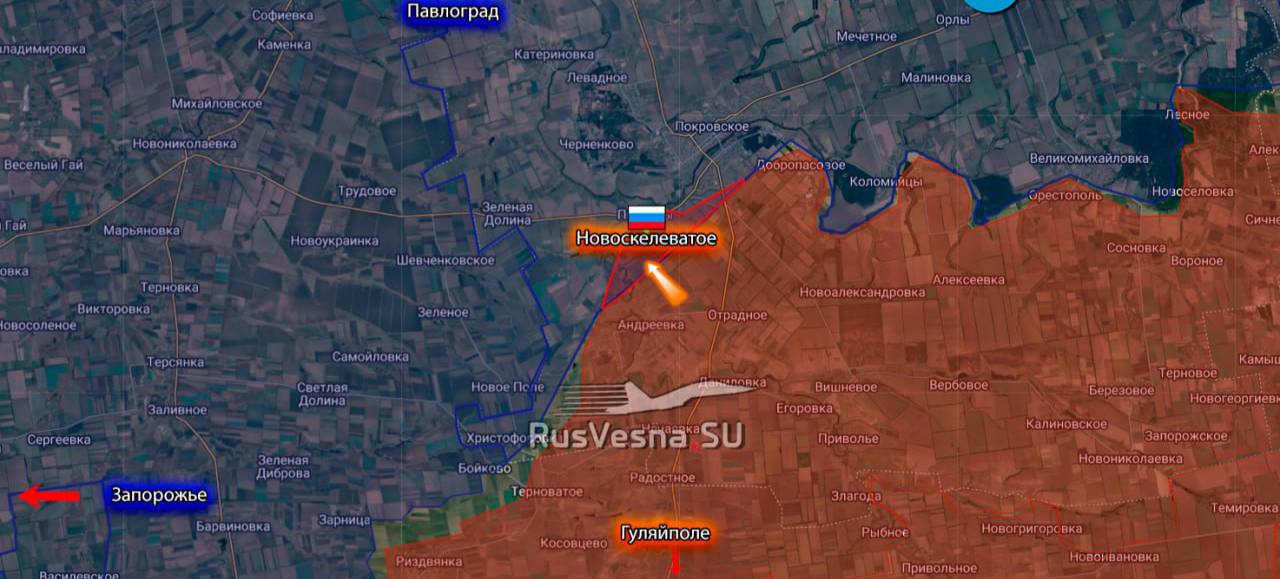
Russian units of the Eastern Military District seized the settlement of Novoskelivate in Dnipropetrovsk Oblast, establishing a bridgehead for further operations (source). The capture was announced by the Russian Defence Ministry and marks the first reported Russian foothold in the oblast since the summer counter‑offensive.
In Sumy Oblast, Russian assault detachments reported intensive offensive actions in Konstantinovka, claiming the liberation of 70 buildings and the neutralisation of approximately 90 Ukrainian troops, two self‑propelled artillery systems, 16 vehicles, 21 ground‑robotic systems, and an electronic‑warfare station (source). While independent verification is pending, the claim indicates a concerted push to secure the northern flank.
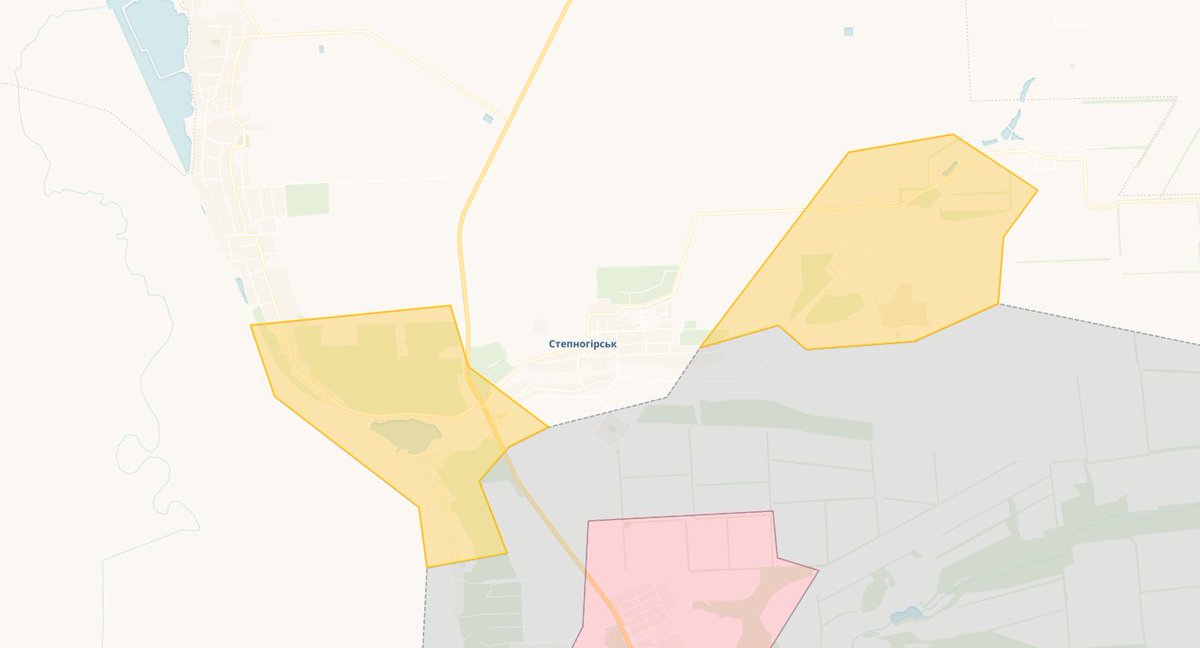
Ukrainian forces continued their own advances. In Zaporizhzhia Oblast, troops moved into Plavni and east of Stepnohirs’k, sustaining pressure on Russian positions (source). Simultaneously, the 63rd Mechanized Brigade employed drones to destroy Russian supply vehicles near Lyman in Donetsk Oblast, disrupting ammunition and fuel deliveries (source).
Civilian Infrastructure and Casualties
The most sobering metric of the day remains the civilian death toll. Strikes on power substations, water treatment facilities, and residential areas across both Ukraine and Russia resulted in eleven civilian fatalities and 109 injuries (source). While the specific locations of each strike were not disclosed, the aggregate figure underscores the widening humanitarian impact of kinetic operations.
In occupied Melitopol, Zaporizhzhia Oblast, multiple explosions produced visible flames and smoke, suggesting further attacks on Russian‑controlled infrastructure (source). The pattern of repeated explosions aligns with Ukrainian sabotage efforts aimed at undermining Russian logistical hubs.
Naval and Regional Context
Although not directly tied to the Ukrainian theater, the broader regional environment remains volatile. An unidentified projectile struck a tanker in the Strait of Hormuz, and Iranian drones attempted attacks on Bahrain, reflecting heightened tensions that could influence resource allocation on the Ukrainian front.
"Three killed as Ukraine and Russia trade attacks overnight," Al Jazeera reported, noting two deaths from Russian attacks and one from Ukrainian strikes (source).
While the Al Jazeera incident lacks precise location data, it exemplifies the ongoing tit‑for‑tat kinetic exchanges that characterize the conflict’s daily rhythm.
Analytical Summary
The convergence of high‑intensity air engagements, extensive drone operations, and ground offensives on 27 June signals a deliberate escalation by both Kyiv and Moscow. Ukraine’s use of long‑range cruise missiles against deep‑strike targets in Russia demonstrates an expanding strategic reach, while Russia’s deployment of FPV drones for anti‑aircraft and anti‑ground roles reflects adaptive tactics to counter Ukrainian air superiority. The reported civilian casualties highlight the growing cost of kinetic warfare on non‑combatants, raising concerns for humanitarian actors operating in the region.
Continued monitoring of aircraft losses, bridge destructions, and territorial shifts will be essential to assess whether this surge represents a temporary spike or the onset of a sustained escalation phase.