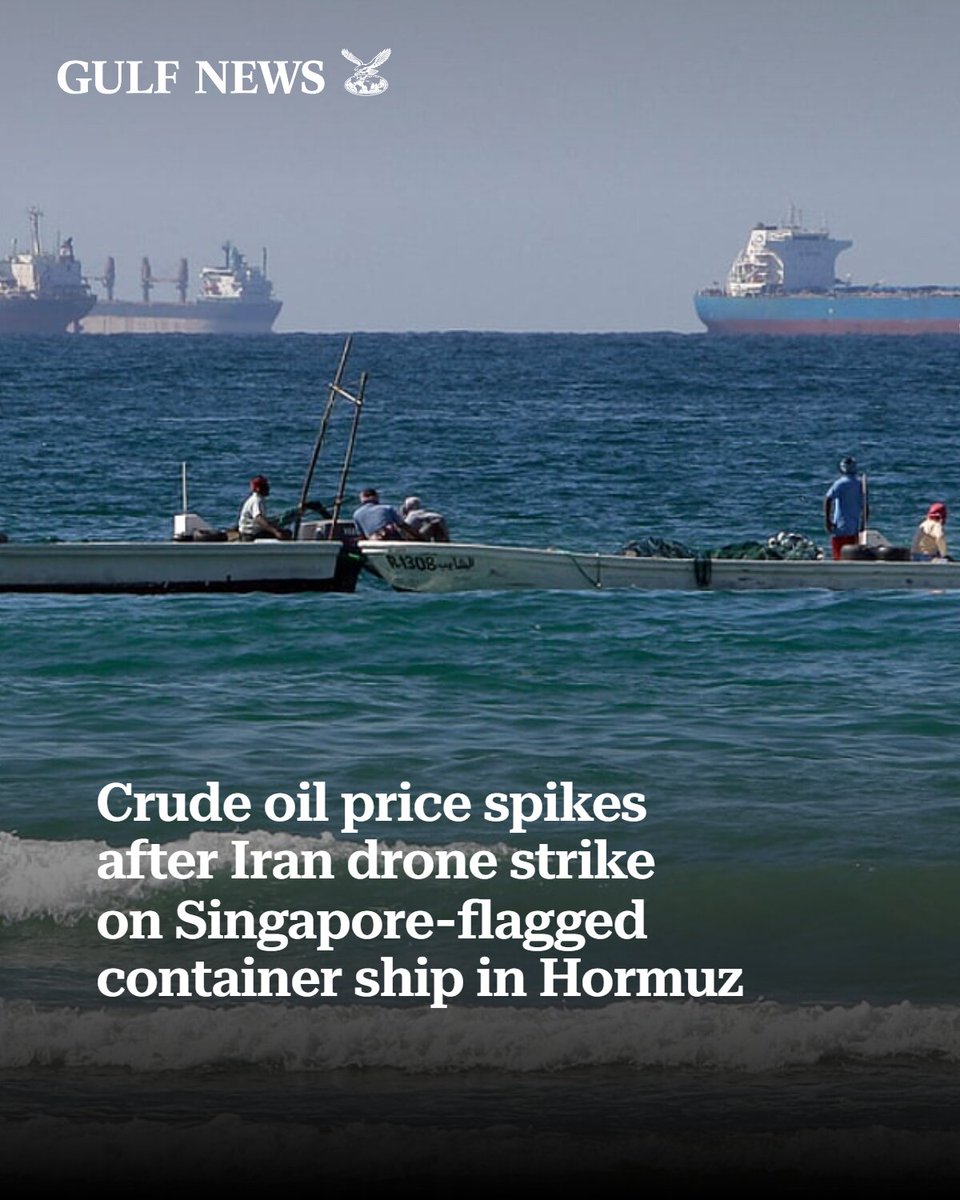
On 26 June 2026 a cargo vessel transiting the Strait of Hormuz was struck by an unidentified projectile, halting a planned evacuation of foreign nationals and prompting an immediate surge in Brent crude prices. The incident, reported by Al Jazeera, marked the first direct attack on commercial shipping in the waterway since the 2022 escalation, underscoring the vulnerability of a chokepoint that handles roughly 20% of global oil shipments.
Brent crude rises after cargo ship comes under attack in key waterway.
The attack occurred at approximately 02:35 UTC and forced the vessel to anchor under escort while authorities assessed damage. No casualties were reported among the crew, but the disruption delayed the evacuation of over 300 expatriates awaiting transport to safety. Market analysts noted a sharp increase in the oil market risk premium, with Brent futures climbing $4 per barrel within hours of the report.
Drone strike amplifies maritime insecurity
Less than twenty minutes earlier, a hostile unmanned aerial vehicle (UAV) penetrated the same maritime corridor, detonating near a merchant tanker. The strike, documented by the monitoring channel monitor_the_situation, was captured in a single photograph and described as a “drone strike in the Strait of Hormuz revives supply fears.” The UAV, identified only by its generic classification, caused minor hull damage but did not result in injuries. The incident injected a fresh risk premium into oil markets, prompting traders to reassess forward contracts and insurers to raise war‑risk premiums for vessels transiting the strait.
Drone Strike in Strait of Hormuz Revives Supply Fears
Both maritime events occurred within a narrow time window, suggesting a coordinated effort to exploit the strategic importance of the strait. The waterway links the Persian Gulf to the Gulf of Oman and serves as the primary conduit for Iranian, Saudi, and Kuwaiti oil exports. Any sustained disruption can reverberate through global supply chains, elevating fuel costs for consumers and increasing inflationary pressures worldwide.
Ground raid in southern Lebanon adds civilian toll
On the same day, at 05:40 UTC, Israeli forces conducted a ground raid in the town of Mefdoun, located in southern Lebanon. According to Lebanon’s National News Agency, the operation resulted in two civilian deaths. The Israeli military did not disclose the specific objectives of the raid, and no weapons were reported as being used beyond standard small‑arms fire. The incident was captured on video and circulated by the same monitoring channel that reported the drone strike.
The Mefdoun raid illustrates the persistent volatility along the Israel‑Lebanon border, where cross‑border operations frequently generate civilian casualties and exacerbate humanitarian concerns. While the immediate tactical impact of the raid remains unclear, the loss of life adds to the cumulative civilian toll of the broader regional conflict.
Implications for civilian safety and global energy markets
The convergence of maritime and land‑based hostilities on 26 June highlights a multi‑front environment in which civilian populations face heightened risk. In the maritime domain, the combination of a direct attack on a cargo ship and a drone strike creates a compound threat that complicates navigation safety protocols and emergency response planning. Shipping companies operating in the Strait of Hormuz now face increased insurance costs, mandatory rerouting considerations, and the potential for further escalations.
On land, the Israeli raid in Mefdoun demonstrates that even limited ground operations can produce lethal outcomes for non‑combatants. The incident underscores the need for robust civilian protection mechanisms, including real‑time monitoring, rapid medical evacuation capabilities, and transparent reporting of casualties.
From an energy security perspective, the Strait of Hormuz remains a chokepoint whose stability is essential for maintaining uninterrupted oil flows. Any interruption, even brief, can trigger price volatility, as evidenced by the immediate Brent price reaction. Market participants are likely to monitor the region closely for signs of further attacks, while policymakers may consider diplomatic channels to de‑escalate tensions and safeguard the waterway.
Outlook
While the events of 26 June did not result in mass casualties, they collectively signal an escalation in the willingness of actors to target commercial assets and civilian populations across multiple fronts. Continued vigilance, coordinated intelligence sharing, and diplomatic engagement will be critical to mitigating both humanitarian harm and disruptions to the global oil supply chain.