On 26 June 2026, Ukraine experienced a surge of kinetic engagements that spanned air‑dropped munitions, glide‑bomb attacks, and a series of drone operations by both Russian and Ukrainian forces. The most consequential strike was a coordinated Russian aerial bombardment that deployed nine FAB‑500 bombs against Ukrainian drone‑control points in the Donetsk sector and the Dnipropetrovsk and Sumy regions, as reported by the Russian Ministry of Defense via BellumActaNews.
"Russian Aerospace Forces dropped nine FAB‑500 aerial bombs on UAF drone control points in the Donetsk sector of the frontline, Dnepropetrovsk and Sumy regions," BellumActaNews, 2026‑06‑26, https://t.me/BellumActaNews/174586
Casualties and damage from the FAB‑500 strikes have not been independently verified, but the use of such high‑explosive ordnance indicates a strategic intent to degrade Ukraine’s unmanned‑air‑system (UAS) network. The Russian Ministry of Defense framed the operation as a pre‑emptive measure to neutralize Ukrainian reconnaissance capabilities.
Glide‑Bomb Assault on Druzhkivka
Earlier in the day, Russian forces launched three UMPK glide bombs—identified as FAB‑1500‑class munitions—on the industrial city of Druzhkivka in Donetsk Oblast. Video evidence posted on the Monitor the Situation channel shows the impact sites and subsequent fires. No official casualty figures have been released, but local authorities confirmed extensive structural damage to residential blocks and a municipal power substation.
"Russia drops three UMPK glide bombs on Druzhkivka, Donetsk Oblast, likely FAB‑1500," Monitor the Situation, 2026‑06‑26, https://t.me/monitor_the_situation/22840
The deployment of glide‑bomb technology reflects Russia’s continued reliance on precision‑guided munitions to target urban centers while minimizing exposure of its aircraft to Ukrainian air defenses.
Ukrainian Drone Campaigns
Ukrainian forces conducted a series of high‑profile drone strikes across occupied territories:
- Crimea: Ukrainian drones struck a railway bridge, fuel storage facilities, and ancillary infrastructure, prompting Russian‑installed authorities to declare a state of emergency. The attacks were documented on the Monitor the Situation channel.
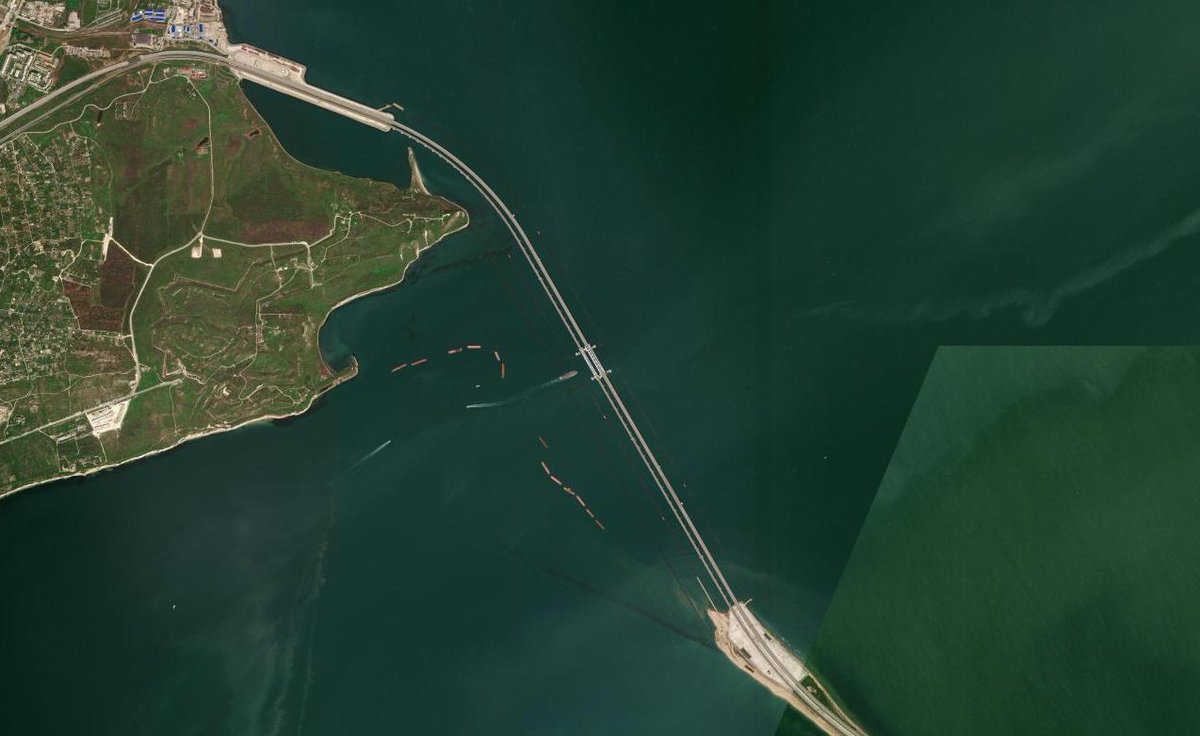
- Kerch Bridge: A separate drone operation targeted the Kerch Bridge, causing air‑defence activation and a traffic jam of approximately 2,800 vehicles. Photographic evidence was shared by Monitor the Situation.
- Volnovakha: The Ukrainian Spartan Brigade employed Black Sky drones to destroy two Russian S‑300 surface‑to‑air missile launchers, valued at roughly $50 million each.
- Odesa Oblast: Russian drone attacks in the region resulted in four civilian deaths and 38 injuries, leading Romania to scramble a helicopter to its Danube border. The incident was reported by Monitor the Situation.
"Ukrainian drones struck Crimea, damaging a railway bridge, fuel facilities and other infrastructure, prompting Russian‑installed authorities to declare a state of emergency," Monitor the Situation, 2026‑06‑26, https://t.me/monitor_the_situation/22826
These operations illustrate Ukraine’s expanding use of commercially available and domestically produced UAVs to strike high‑value targets deep within Russian‑controlled zones.
Operational Context and Force Posture
The simultaneous Russian air‑strike campaign and Ukrainian drone offensives suggest a heightened tempo of kinetic activity on both sides of the front. Russian use of FAB‑500 and FAB‑1500 bombs aligns with a doctrine of overwhelming firepower aimed at degrading Ukraine’s command‑and‑control nodes. Conversely, Ukraine’s reliance on drone swarms and precision strikes demonstrates an adaptive approach that leverages lower‑cost platforms to achieve strategic effects.
While casualty numbers remain limited in publicly available reports, the cumulative impact of these engagements includes:
- Significant infrastructure damage in Donetsk, Crimea, and Odesa regions.
- Potential disruption of Ukrainian drone‑control networks, affecting reconnaissance and strike coordination.
- Escalation of civilian risk, as evidenced by the four fatalities in Odesa Oblast.
Both parties have utilized open‑source channels—such as Monitor the Situation, BellumActaNews, and official ministry statements—to disseminate operational narratives, underscoring the information‑war component that accompanies kinetic actions.
Implications for the Conflict Trajectory
The concentration of high‑explosive air‑drops on 26 June marks a notable intensification of Russian kinetic tactics. If sustained, such bombardments could compel Ukrainian forces to further invest in counter‑UAV technologies and hardened command structures. Meanwhile, Ukraine’s expanding drone portfolio, highlighted by successful strikes on S‑300 systems and critical transport links, may force Russia to allocate additional air‑defence resources to protect rear‑area assets.
Analysts should monitor subsequent days for:
- Official casualty assessments from Ukrainian regional administrations.
- Further disclosures of munition types used by Russian forces, which could indicate shifts in logistical capacity.
- Ukrainian statements on drone procurement and deployment strategies, particularly regarding Black Sky and other commercial platforms.
Overall, the events of 26 June reflect a conflict environment where both state and non‑state actors increasingly blend conventional air power with asymmetric drone warfare, raising the complexity of battlefield dynamics across Ukraine’s contested zones.