On 25 June 2026 a Ukrainian strike in the annexed Crimean peninsula resulted in five fatalities, prompting a diplomatic retaliation by Moscow that included the expulsion of Romania’s consul general. The incident, reported by Al Jazeera, underscores a marked escalation in cross‑border kinetic activity and highlights the growing use of precision weapons on both sides of the conflict.
"Ukrainian attack on Crimea kills five, Russian officials say" – Al Jazeera, 25 June 2026
The attack, whose exact weaponry was not disclosed, targeted a civilian‑dense area in Crimea, causing multiple deaths and intensifying diplomatic friction. Russia’s response—expelling a foreign diplomat—signals a broader strategy of linking kinetic events to political leverage.
Russian FPV Drone Strikes Damage Energy Infrastructure
At 17:52 local time a Russian first‑person‑view (FPV) drone struck a gas distribution station in Kramatorsk, Donetsk Oblast, damaging pipelines and storage tanks. The incident, documented by monitor_the_situation, did not result in immediate casualties but disrupted regional fuel supplies, a critical factor for both civilian and military mobility.
Ukrainian Drone Campaign Expands Across the Front
Multiple Ukrainian drone operations were recorded throughout the day. In Crimea, a series of drone strikes aimed at isolating Russian supply lines were reported by monitor_the_situation at 17:41, indicating a sustained effort to pressure Russian logistics on the peninsula.
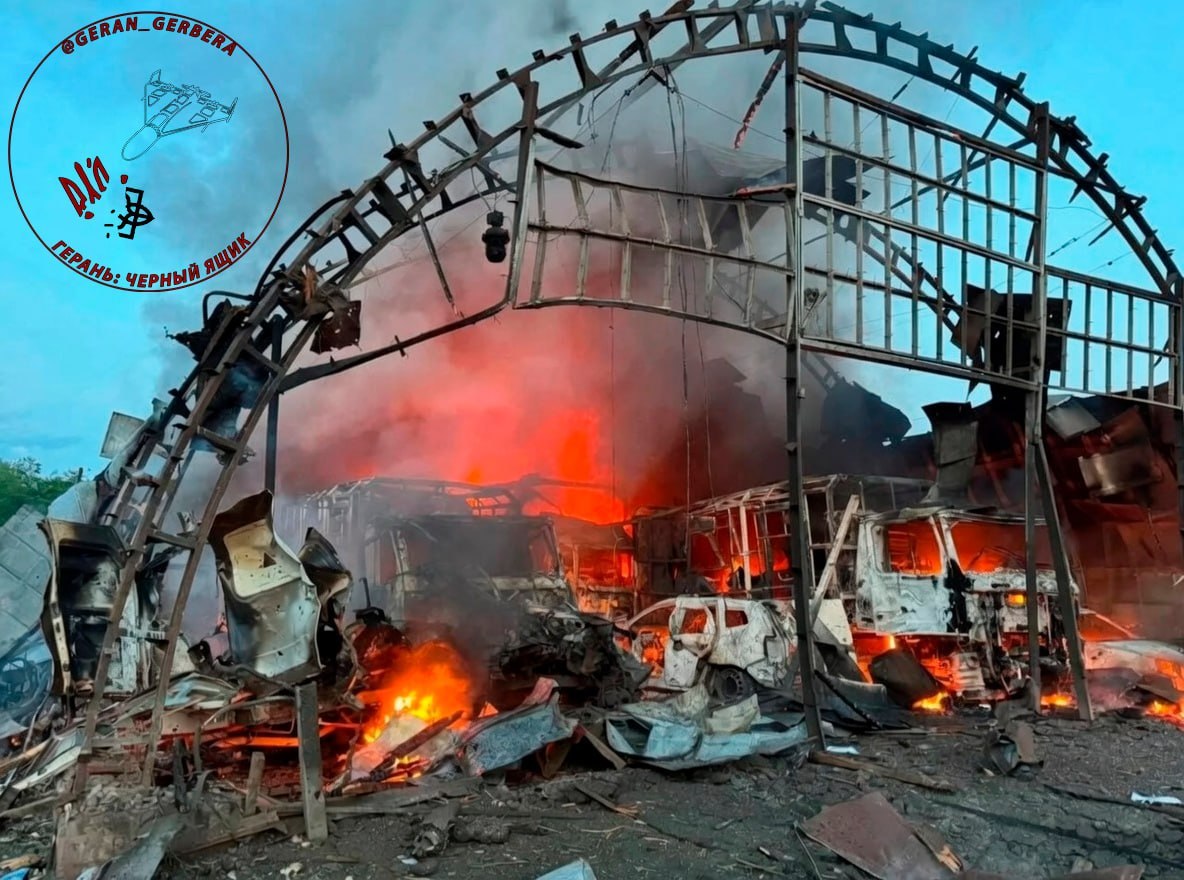
Further north, a Ukrainian strike using the VARTOVI drone battalion destroyed Russian shelters and logistics assets on the Kostiantynivka front in Donetsk Oblast (11:02 UTC). The operation, attributed to the 36th Marine Brigade, targeted ammunition depots and command posts, with no civilian casualties reported.
In the Donbas region, coordinated attacks by the SSO Requiem Group and BALISTA FPV units hit Russian rear‑logistics, damaging transport vehicles and a concealed self‑propelled artillery system (11:00 UTC). These strikes demonstrate Ukraine’s increasing reliance on swarm drone tactics to degrade enemy depth.
Russian Aerial Bombardment of Strategic Crossings
At 12:25 UTC, Russian Su‑34 bombers deployed FAB‑1500 bombs against a Ukrainian crossing over the Seversky Donets River. The high‑explosive payload, reported by intelslava, caused extensive structural damage and temporarily halted the flow of troops and materiel across the river, a vital supply corridor for Ukrainian forces in the east.
Ukrainian Ground Forces Counter Russian Armor
Ukrainian special forces (HUR) destroyed a Russian armored personnel carrier (APC) on the Zaporizhzhia front, as captured in video footage shared by monitor_the_situation (14:41 UTC). The engagement illustrates the effectiveness of small‑unit anti‑armor tactics in contested zones.
In Kharkiv Oblast, the 5th Border Guard Detachment eliminated multiple Russian artillery pieces—including an Msta‑S howitzer, an Msta‑B howitzer, a D‑30 gun—and a UAZ vehicle on the Northern Slobozhanshchyna front (07:47 UTC). The operation, also reported by monitor_the_situation, reduced Russian indirect‑fire capability in the region.
Drone‑Delivered Explosives Target Civilian Infrastructure
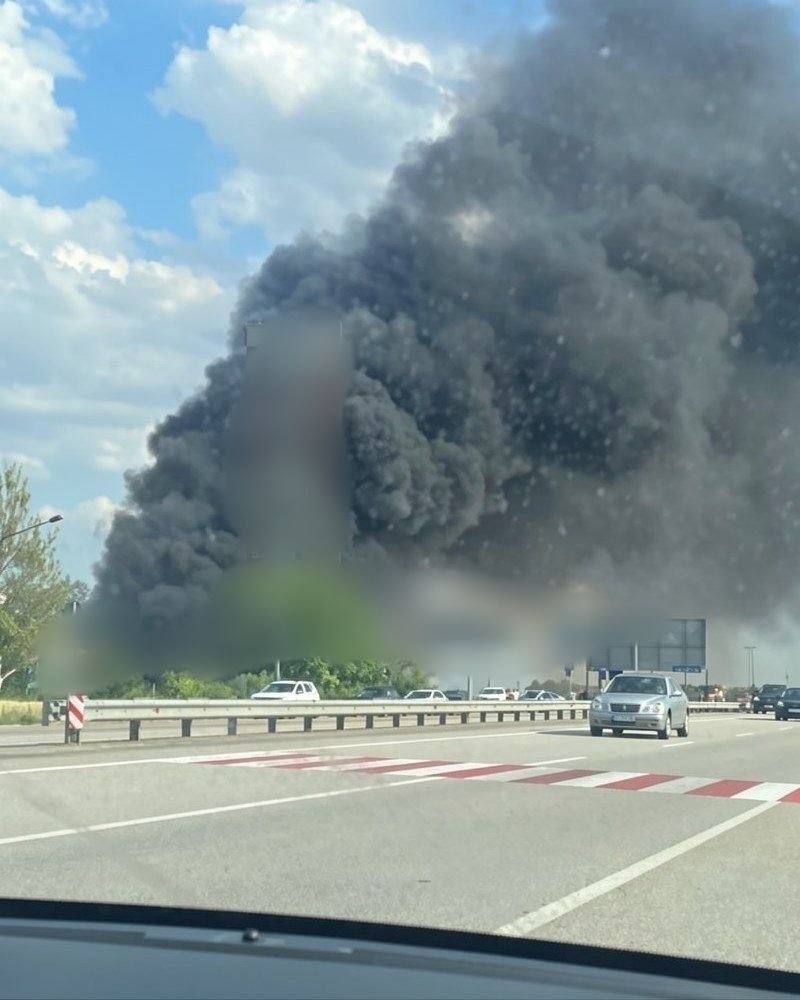
Russian Geran‑3 and Geran‑2 drones struck several civilian sites across Ukraine without causing fatalities but inflicting material loss. A Geran‑3 drone hit a warehouse in Orilske, Dnipropetrovsk Oblast (16:06 UTC), while a Geran‑2 drone damaged a petrol station in Ochakiv, Mykolaiv Oblast (16:03 UTC). A separate Geran‑2 strike ignited a locomotive in Sumy (15:54 UTC). These attacks, catalogued by monitor_the_situation, reflect a pattern of targeting logistics and energy nodes to erode Ukrainian resilience.
Russian Ground Movements and Ukrainian Counter‑Operations
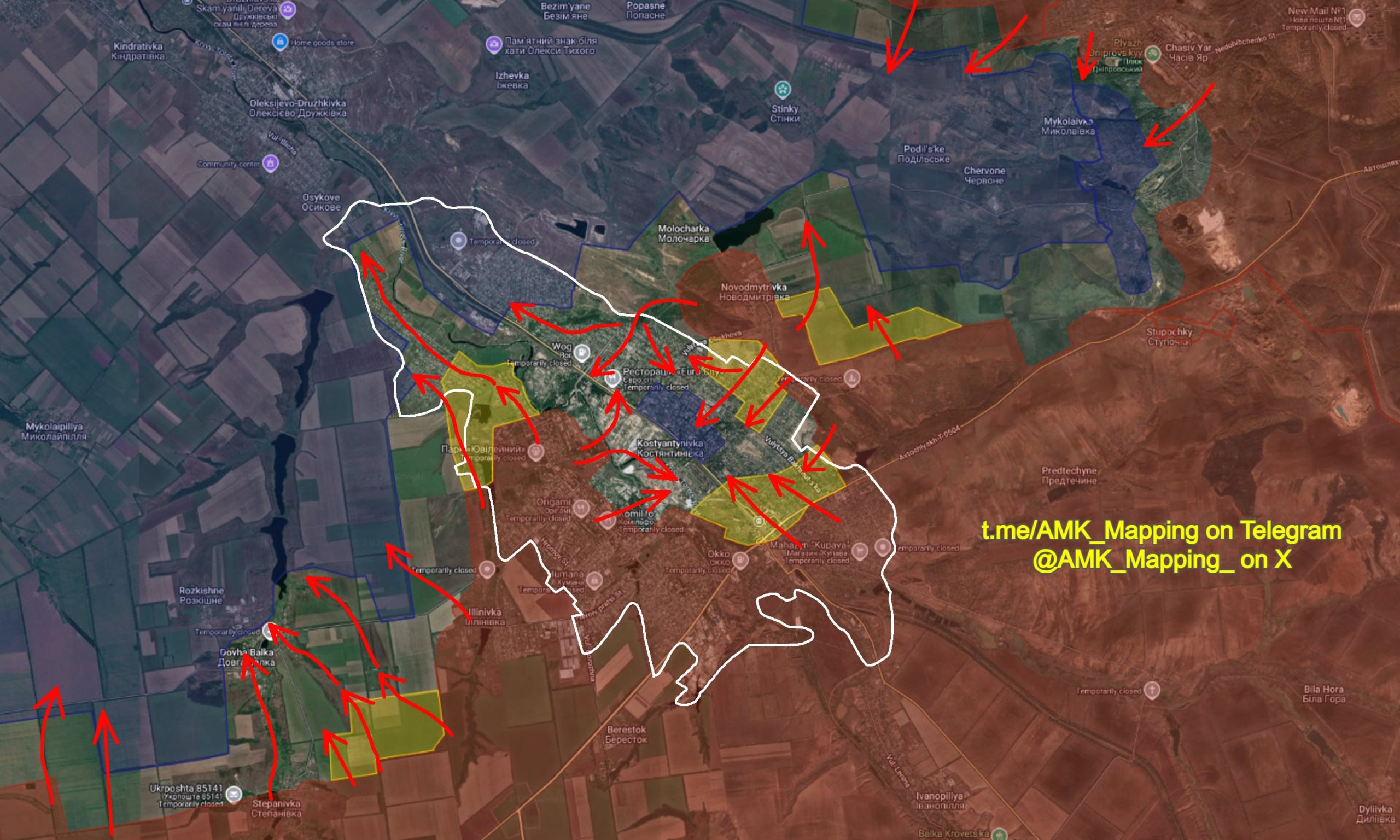
Russian forces redeployed drone teams to forward positions in northern Sumy Oblast (17:37 UTC), prompting a response from Ukraine’s 210th Assault Regiment, which is actively hunting the launch sites. Simultaneously, Russian assaults intensified around Konstantinovka, aiming to clear remaining Ukrainian pockets and advance toward Druzhkovka (12:49 UTC), as reported by CIG_telegram.
These maneuvers indicate a Russian focus on consolidating control in the northeastern sector, while Ukrainian units employ both kinetic and electronic means to contest the advances.
Casualty Overview and Humanitarian Impact
Across the day, civilian casualties were recorded in several incidents. The Crimean strike resulted in five deaths. In Sumy Oblast, strikes on 23‑24 June killed at least 17 civilians and injured 98, according to the Conflict Intelligence Team (CIT) cited by monitor_the_situation (15:41 UTC). While the majority of the day’s events involved military targets, the collateral impact on civilian populations remains a critical concern.
Overall, the kinetic landscape on 25 June demonstrates a heightened tempo of drone warfare, targeted artillery engagements, and strategic aerial bombardments, with both sides seeking to shape the operational environment ahead of the upcoming summer campaign season.