Ukrainian forces delivered a decisive blow to Russian‑occupied Crimea on 24 June, knocking out power in the strategic port city of Sevastopol after striking energy facilities. The outage, confirmed by AlJazeera, underscores Kyiv’s expanding long‑range strike capability and its focus on degrading Russian logistical and civilian infrastructure on the peninsula.
"Ukrainian attacks on Russian‑occupied Crimea trigger power cuts in Sevastopol," AlJazeera reported.
Crimean Energy Targets and Infrastructure
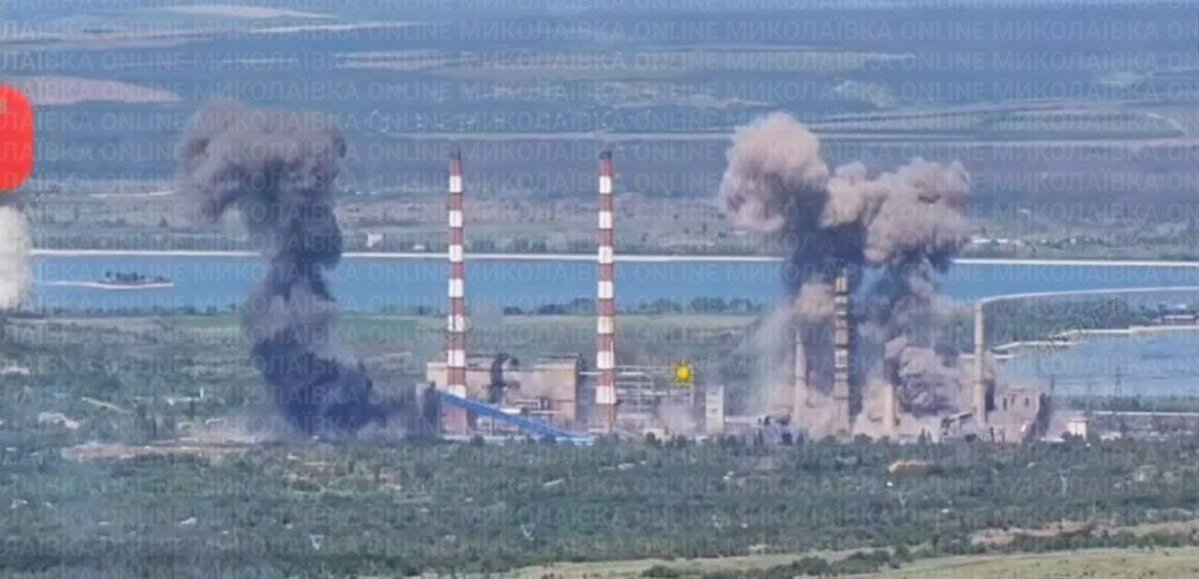
The Sevastopol power cut follows a series of Ukrainian strikes on Crimean energy sites, including a fire at the Kerch Thermal Power Plant earlier in the day. While casualty figures were not released, the loss of electricity in Sevastopol—a major naval hub—impairs command‑and‑control functions for the Russian Black Sea Fleet. The attacks were executed without reported use of conventional weapons, suggesting reliance on precision‑guided munitions launched from Ukrainian‑controlled territory or from the air.Source: AlJazeera (https://www.aljazeera.com/news/2026/6/24/ukraine-attacks-on-russian-occupied-crimea-trigger-power-cuts-in-sevastopol?traffic_source=rss).
Naval Engagements in the Black Sea
Ukraine’s navy reported the destruction of three Russian unmanned surface vehicles (USVs) in international waters of the Black Sea, with video evidence released by monitor_the_situation. In a separate incident near Odesa, the Ukrainian Navy posted footage of a Russian USV being hit by a Bayraktar TB2‑launched MAM‑C laser‑guided munition. The footage shows a single USV struck, though Ukrainian statements claim three were neutralised. These actions demonstrate Kyiv’s growing proficiency in counter‑USV tactics, leveraging Turkish‑made drones and precision munitions to protect critical port infrastructure.Source: monitor_the_situation (https://t.me/monitor_the_situation/22525) and intelslava (https://t.me/intelslava/89338).
Ground Advances and Setbacks in Donetsk and Kharkiv
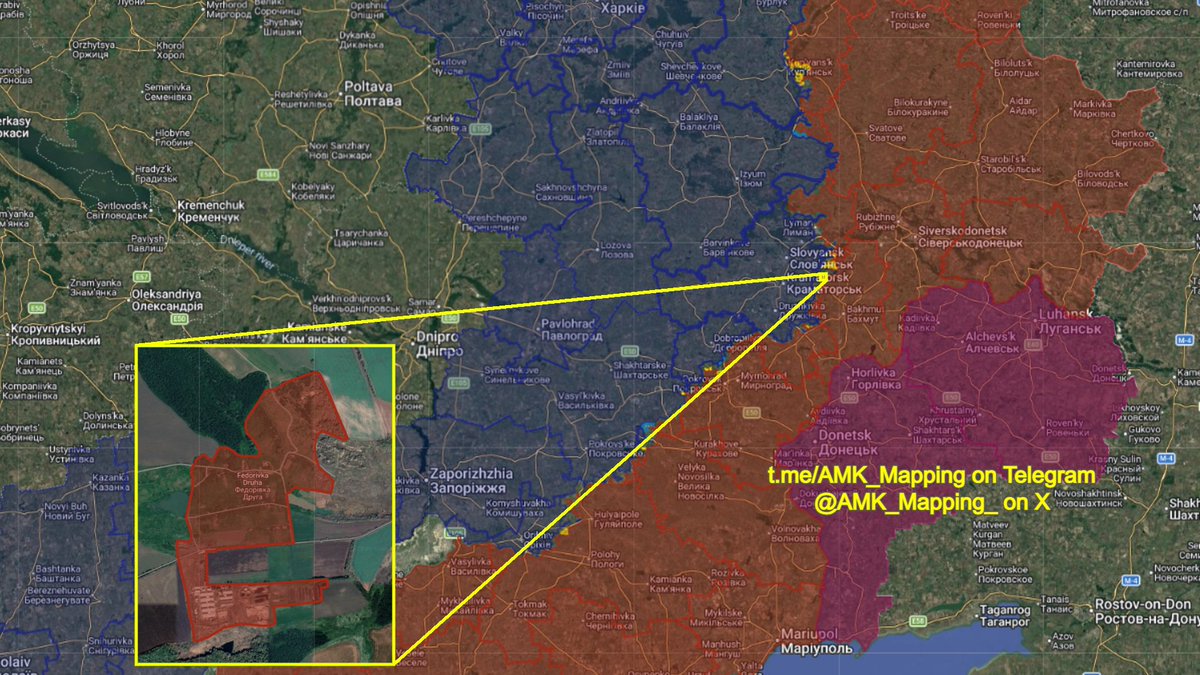
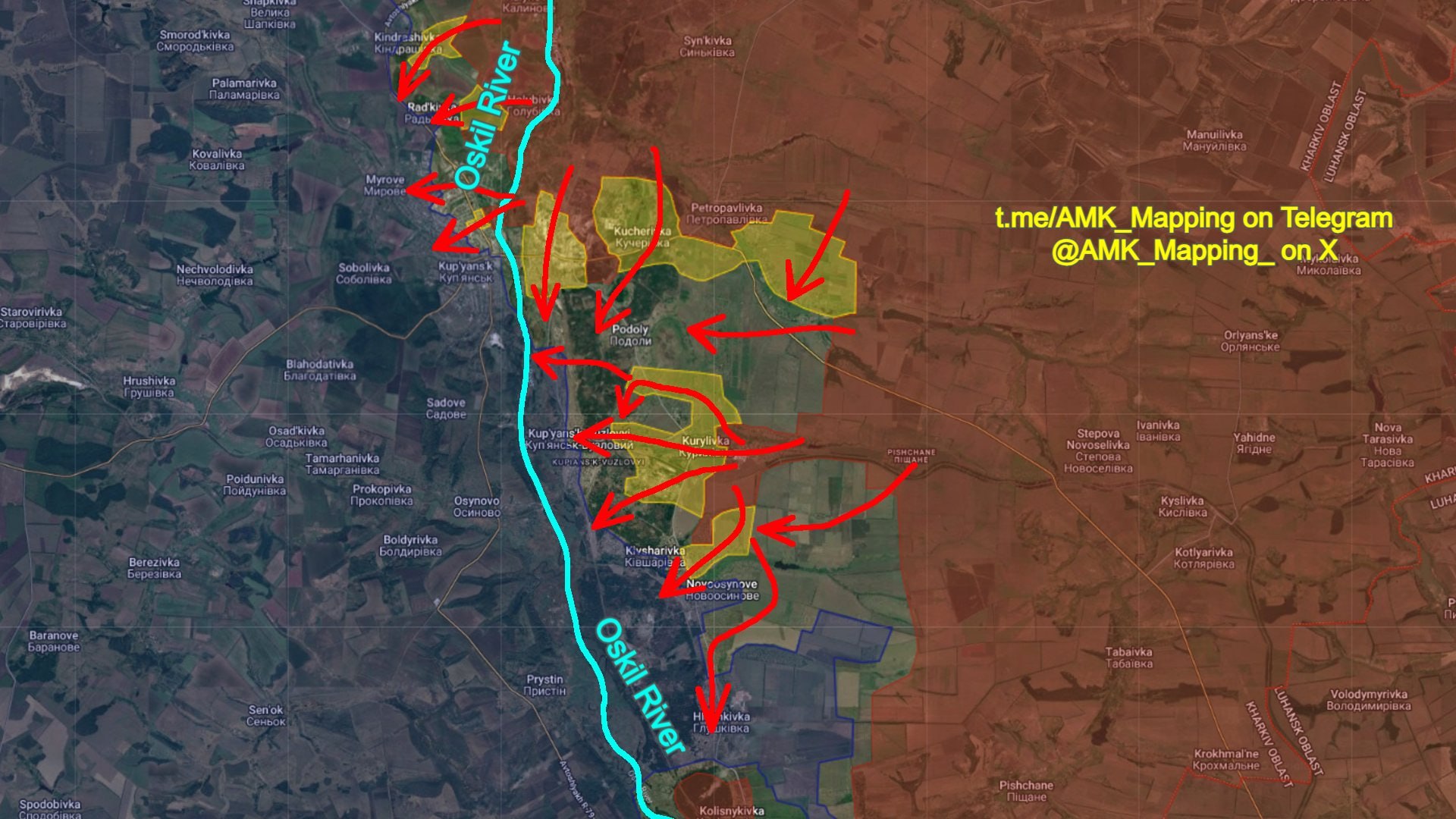
On the eastern front, Russian forces captured the village of Fedorivka Druha in Donetsk Oblast after three months of fighting, marking a modest territorial gain in the Rai‑Oleksandrivka direction (monitor_the_situation). Simultaneously, Russian troops reported advances east of Kupyansk in Kharkiv Oblast, seizing several villages—including Kucherovka, Petropavlovka, and Kurylovka—and recapturing the city hospital. Ukrainian forces are reportedly contesting high‑rise blocks in Kovsharovka, indicating intense urban combat.Source: monitor_the_situation (https://t.me/monitor_the_situation/22546) and CIG_telegram (https://t.me/CIG_telegram/78183).
In contrast, Ukrainian forces announced fire‑control over key supply routes into occupied Crimea and Zaporizhzhia Oblast, enhancing their ability to interdict Russian logistics and limit reinforcement movements across the front. This development was highlighted by the NOELreports channel, emphasizing the strategic significance of controlling transit corridors in the southern theater.Source: monitor_the_situation (https://t.me/monitor_the_situation/22514).
Drone Warfare Across Multiple Fronts
Ukrainian drone operations continued to target Russian logistics. In Mykolaiv Oblast, drones destroyed two Russian fuel tankers, disrupting supply lines to frontline units (monitor_the_situation). Conversely, Russian UAV activity intensified. A swarm of 101 Shahed‑type drones was launched against Ukraine; air defenses shot down 95, while six drones struck targets in five locations, reflecting Russia’s reliance on massed UAV attacks to overwhelm Ukrainian air defenses (monitor_the_situation).
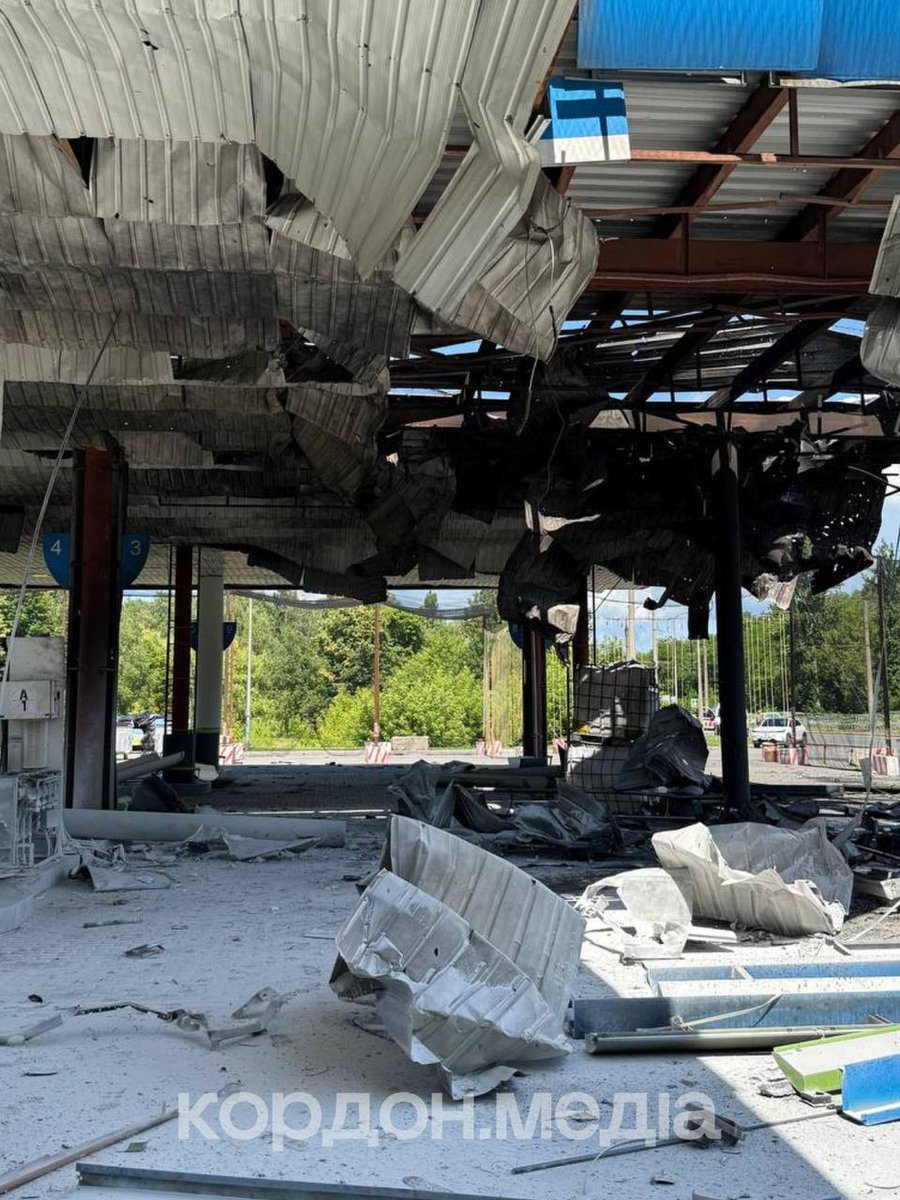
Additional Russian UAV strikes hit civilian and military infrastructure: a Geran‑2/Molniya‑1 drone damaged a petrol station near Sumy, and another Geran‑2 drone struck a cinema in Konotop, both causing property damage and potential casualties (monitor_the_situation). In the Kharkiv region, a Ukrainian truck was destroyed by an FPV drone strike on a bridge, illustrating the reciprocal use of low‑cost, high‑impact drones by both sides (intelslava).
Air‑to‑Air and Anti‑Drone Engagements
A notable encounter involved a Russian FPV drone targeting a Ukrainian MAAWLR light anti‑drone system, a U.S.‑produced platform from Sierra Nevada Corp. The engagement, documented by intelslava, highlighted the evolving cat‑and‑mouse dynamics between offensive UAVs and defensive counter‑UAV assets. The Russian drone reportedly employed a mix of air‑to‑air missiles—including AIM‑9M, AIM‑132 ASRAAM, AIM‑120 AMRAAM, IRIS‑T, R‑27, and APKWS II rockets—underscoring the high‑intensity nature of the aerial contest.
Strategic Implications
The coordinated Ukrainian actions across land, sea, and air domains signal a sustained effort to erode Russian operational depth. Power outages in Sevastopol impair naval readiness; USV destructions protect maritime supply routes; and fire‑control over Crimea‑bound roads constrains Russian reinforcement capabilities. Meanwhile, Russian counter‑measures—mass drone swarms, targeted strikes on civilian infrastructure, and the use of advanced air‑to‑air weaponry—reflect an attempt to maintain pressure and exploit Ukraine’s logistical vulnerabilities.
Overall, the events of 24 June illustrate a multi‑theater escalation, with both sides leveraging precision weapons, unmanned systems, and strategic targeting to shape the conflict’s trajectory.