On the morning of 24 June 2026, Russian forces launched a combined assault on Zaporizhzhia’s Pivdennyi District, employing KAB glide‑bombs and Geran‑2 drones. The attack marked the most severe incident recorded for the day, targeting both residential areas and critical energy infrastructure. According to the monitoring channel monitor_the_situation, the strike caused extensive structural damage and ignited multiple fires, though casualty figures have not been released. The use of glide‑bombs—precision‑guided munitions released from high altitude—combined with low‑observable Geran‑2 drones underscores a tactical shift toward mixed‑weapon raids designed to overwhelm air‑defence systems.
Zaporizhzhia Pivdennyi District Attack
The coordinated strike began at 04:22:59 UTC, with at least two KAB glide‑bombs impacting the district followed by a swarm of Geran‑2 drones. Satellite imagery confirmed the presence of large fireballs and smoke plumes over the city’s western suburbs.
Russian forces struck Zaporizhzhia’s Pivdennyi District with KAB glide‑bombs and Geran‑2 drones.The incident represents a escalation in the use of glide‑bombs against urban targets, a capability previously observed primarily in frontline engagements. No official statements from Ukrainian authorities have detailed civilian casualties, but local emergency services reported multiple building collapses and power outages affecting thousands of residents.
Manvelivka Glide‑Bomb Strike
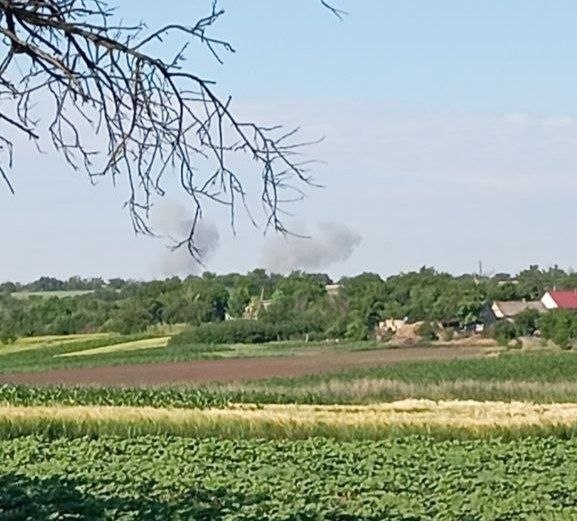
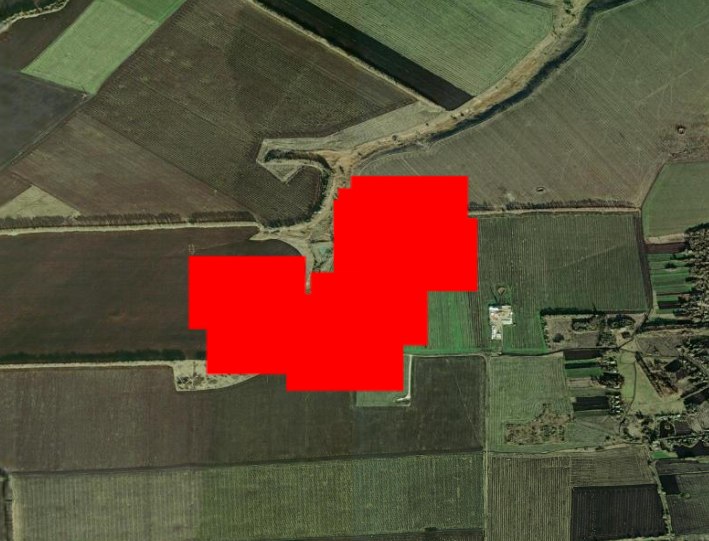
At 04:59:11 UTC, two Russian KAB glide‑bombs impacted an area near Manvelivka in Dnipropetrovsk Oblast, approximately 50 km from the front line. The monitor_the_situation channel posted a photo of the blast sites, showing cratered terrain and a secondary fire that was quickly contained by local fire crews.
Two Russian KAB glide‑bombs struck near Manvelivka in Dnipropetrovsk Oblast, Ukraine.While the strike did not target a specific facility, its proximity to critical transport routes raises concerns about the vulnerability of logistics corridors to high‑altitude precision weapons. No injuries were reported, and the Ukrainian military has not confirmed any damage to nearby infrastructure.
Orenburg Gas Treatment Plant Drone Attack
In the Russian Federation, Ukrainian‑operated drones attacked the Orenburg Gas Treatment Plant at 04:35:15 UTC, igniting two large fires within the processing complex. The incident was documented in a video released by monitor_the_situation (source).
Ukrainian drones attacked the Orenburg Gas Treatment Plant in Orenburg Oblast, Russia, igniting two large fires.The plant, a key node in the regional natural‑gas distribution network, had previously suffered strikes in October and December 2025. The current attack caused temporary shutdown of several processing units, prompting a reduction in gas output to downstream markets. Russian emergency responders extinguished the fires within two hours, and no personnel injuries were reported.
Zapadnaya Solokha Gas Plant Drone Strike
At 04:26:10 UTC, Russian Geran‑2 drones targeted the Zapadnaya Solokha gas treatment plant near Arsenivka in Poltava Oblast. The strike generated large fires confirmed by NASA FIRMS thermal‑anomaly data, as highlighted by the mapping account @AMK_Mapping_ on X.
Russian Geran‑2 drones struck the Zapadnaya Solokha gas treatment plant near Arsenivka, Poltava Oblast, igniting large fires.Photographic evidence posted by monitor_the_situation (source) shows extensive flame fronts and smoke columns visible from satellite platforms. The plant, which processes natural gas for regional consumption, was forced to halt operations pending safety inspections. No casualties were reported, but the incident disrupted gas supply to several neighboring districts, prompting temporary rationing measures.
Collectively, the June 24 attacks illustrate a pronounced increase in the use of glide‑bombs and unmanned aerial systems against both civilian and energy‑sector targets across the conflict zone. The integration of high‑altitude precision munitions with low‑observable drones enables striking forces to bypass traditional air‑defence layers, delivering damage deep within urban and industrial areas. While casualty reports remain limited, the repeated targeting of gas treatment facilities in both Ukraine and Russia signals a strategic intent to impair energy logistics and exert economic pressure. Monitoring agencies continue to verify damage assessments and anticipate potential retaliatory measures as both sides adapt to the evolving aerial threat landscape.