On 23 June 2026, Ukrainian forces conducted a rescue operation in Kherson after Russian unmanned aerial vehicles (UAVs) struck the area, underscoring a sharp escalation in aerial combat across the front lines. The incident, reported by the Telegram channel monitor_the_situation at 05:50 UTC, involved the destruction of civilian or military assets and the subsequent evacuation of crew members by Ukrainian units. The rescue highlights the growing intertwining of combat and humanitarian response as both sides increase the tempo of operations.
"Ukrainian forces rescued crew members after Russian drone strikes in Kherson, highlighting ongoing combat operations and humanitarian efforts in the region." – monitor_the_situation, 05:50 UTC, https://t.me/monitor_the_situation/22410
The Kherson incident involved Russian‑launched drones targeting a convoy or vessel, resulting in damage that forced the crew to abandon their post. Ukrainian forces arrived promptly, securing the personnel and providing medical assistance. No fatalities were reported, but the event illustrates the heightened risk to both military and civilian operators operating near contested waterways.
Continued Russian Ground Presence on the Kinburn Spit
At 05:50 UTC, the same channel confirmed that Russian forces remain entrenched on the Kinburn Spit, a narrow peninsula in Mykolaiv Oblast that controls access to the Black Sea and the Dnieper‑Buh Estuary. The strategic location offers Russia a forward base for artillery and naval operations, and its continued occupation signals that Moscow is unwilling to cede any foothold despite Ukrainian counter‑offensives elsewhere. No combat was reported during the update, but the presence of Russian troops without withdrawal suggests a sustained ground posture.
"Russian Forces Remain on Kinburn Spit" – monitor_the_situation, 05:50 UTC, https://t.me/monitor_the_situation/22409
Ukrainian Drone Strike on Moscow’s Dubna Space Communications Center
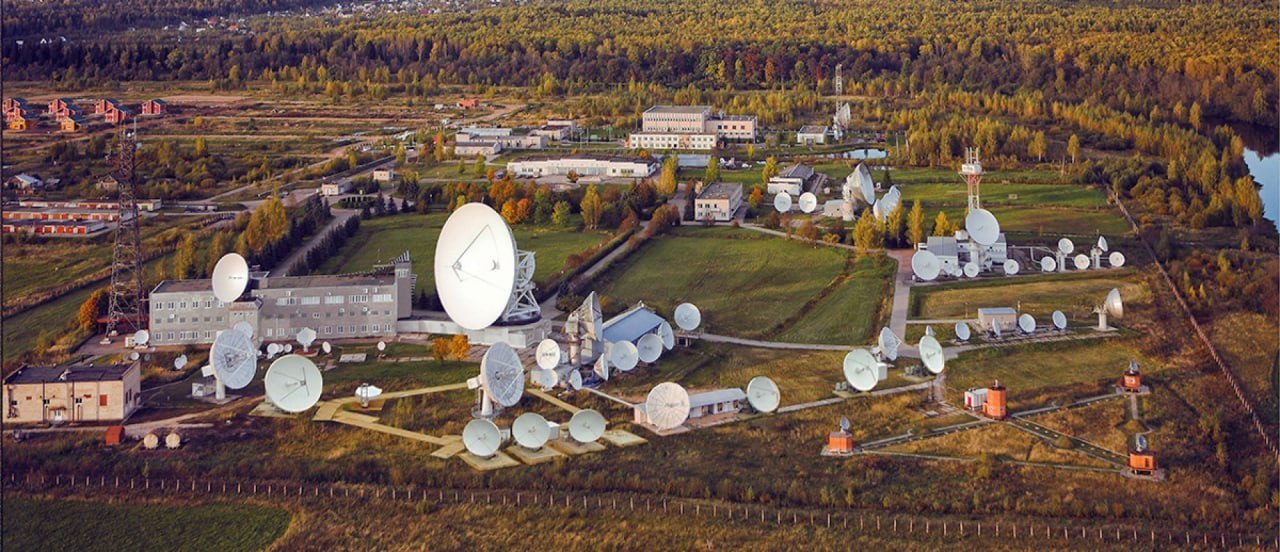
In a cross‑border escalation, Ukrainian UAVs attacked the Dubna Space Communications Center in the Moscow region at 04:44 UTC, according to the Telegram channel OSINTdefender. The strike produced extensive smoke and visible damage to the facility’s exterior, though no personnel were injured and communications services remained operational. Photographic evidence accompanying the report showed a plume of black smoke rising from the site, confirming the physical impact of the attack.
"Ukrainian drones attacked the Dubna Space Communications Center in the Moscow region, causing significant damage and large‑scale smoke at the site, although no personnel were harmed and communications were not disrupted." – OSINTdefender, 04:44 UTC, https://t.me/OSINTdefender/19307
This operation marks one of the few documented Ukrainian strikes deep inside Russian territory, reflecting a strategic shift toward targeting high‑value infrastructure beyond the immediate front lines.
Targeting of Critical Energy Infrastructure in Crimea
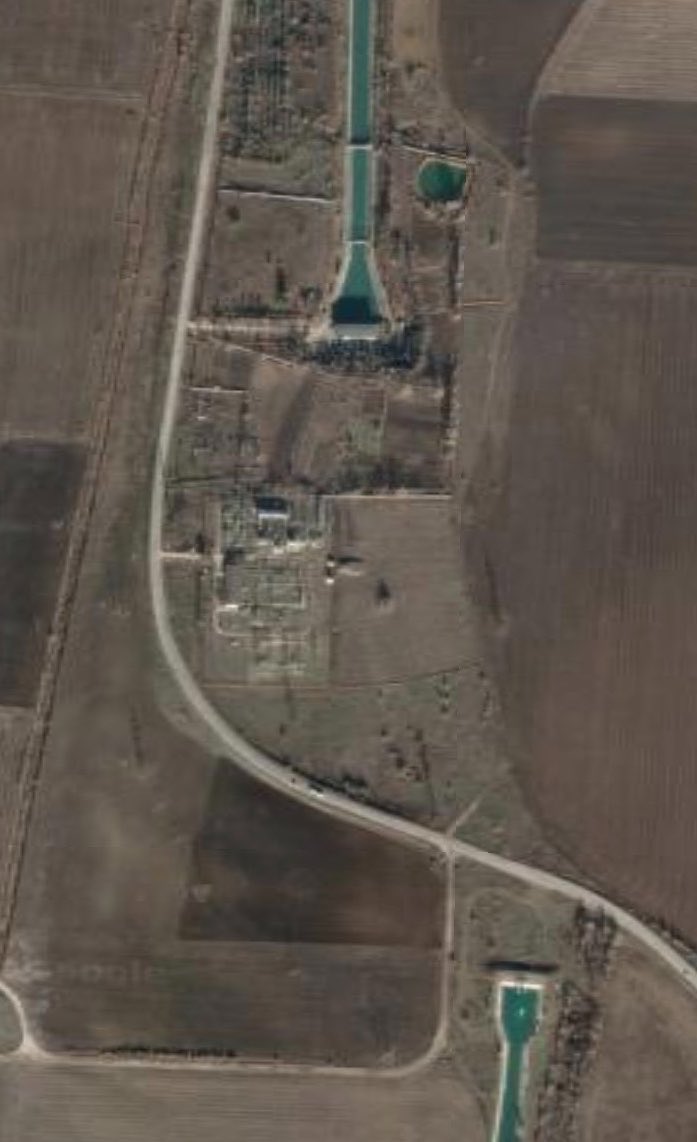
At 02:10 UTC, Ukrainian drones struck the Nasosna‑2 220 kV substation near Sovietskyi in the occupied Crimean Peninsula. The attack ignited a fire and cut power to a nearby water‑pumping station, disrupting essential services for the local population. The incident, also reported by monitor_the_situation, underscores Ukraine’s focus on degrading Russian‑controlled energy grids to impose logistical strain.
"Ukrainian drones hit the Nasosna‑2 substation near Sovietskyi in Crimea, causing a fire and cutting power to a water pumping station." – monitor_the_situation, 02:10 UTC, https://t.me/monitor_the_situation/22403
Photographs released with the report show the smoldering transformer yard and emergency crews attempting to contain the blaze. While no casualties were reported, the loss of power to the water facility could affect thousands of residents in the region.
Russian Rocket Attack on Civilian Transport in Sumy
Earlier in the day, at 03:30 UTC, a Russian strike destroyed a trolleybus in Sumy, Sumy Oblast, injuring the driver. The incident, documented by monitor_the_situation, demonstrates the continued use of indirect fire against civilian infrastructure in eastern Ukraine. The driver was hospitalized with non‑life‑threatening injuries, and the trolleybus was rendered inoperable.
"Russian strike destroyed a trolleybus in Sumy, driver hospitalized." – monitor_the_situation, 03:30 UTC, https://t.me/monitor_the_situation/22406
While the attack did not result in civilian casualties beyond the driver, it adds to a pattern of targeting public transport assets, which can hamper urban mobility and erode public confidence in safety.
Analysis of the Operational Trends
The events of 23 June reveal a multi‑theater intensification of both aerial and ground operations. Ukrainian forces are leveraging UAVs not only for reconnaissance but also for kinetic strikes against high‑value Russian assets, extending the reach of their campaign into the Moscow region and occupied Crimea. Conversely, Russian forces continue to employ drones against Ukrainian positions in the south, as seen in Kherson, while maintaining ground footholds such as the Kinburn Spit that enable artillery and naval coordination.
Both sides are also targeting infrastructure that supports civilian life—energy substations, water‑pumping stations, and public transport—thereby increasing the humanitarian dimension of the conflict. The absence of reported fatalities in most of these incidents suggests a degree of restraint or effective emergency response, yet the cumulative impact on essential services is likely to grow if the pattern persists.
From a strategic perspective, the Ukrainian drone attacks on Russian territory signal an intent to impose costs beyond the immediate battlefield, potentially aiming to divert Russian air‑defense resources and create political pressure. The Russian focus on maintaining control of the Kinburn Spit reflects a desire to preserve maritime access points that are critical for supply lines and for projecting power in the Black Sea.
Overall, the day's incidents illustrate a conflict that is increasingly fluid, with both sides employing a blend of conventional and asymmetric tactics across a wide geographic spectrum.